Best Things to Do in Bristol
Discover the best things to do in Bristol, from historic landmarks and world-famous engineering to museums, street art, waterfront walks and lively neighbourhoods full of independent character.
Bristol is a city that rewards visitors who take the time to explore beyond its most recognisable landmarks. Its history can be seen in the buildings around the city centre and the old harbour, while its creative character appears in street art, independent shops, cafés, restaurants and cultural spaces. There is enough variety to keep a first-time visitor busy for a weekend, while those staying longer can discover quieter neighbourhoods and places beyond the central attractions.
Some of Bristol's best-known sights are connected with the city's remarkable past. Clifton Suspension Bridge is one of Britain's most recognisable engineering landmarks, while Brunel's SS Great Britain provides a fascinating insight into the age of steam-powered travel and Bristol's maritime connections. Historic buildings such as Bristol Cathedral offer another perspective, revealing centuries of architecture and religious history in the heart of the modern city.
Museums provide another way to understand Bristol. At M Shed, the story of the city is told through its people, industries, transport and waterfront, helping visitors understand how Bristol developed over time. Elsewhere, the Harbourside combines historic surroundings with museums, restaurants, galleries and places to relax beside the water.
Bristol is not only about history, however. The city is also famous for its street art and creative culture, while neighbourhoods such as Clifton offer elegant architecture, independent businesses and a very different atmosphere from the busy waterfront. Parks, viewpoints, markets and local food add still more possibilities to a visit.
Whether you have one day in Bristol or several days to explore, the key is choosing attractions that work well together. This guide brings together some of the city's most worthwhile experiences and practical ideas for planning your time, from the major landmarks that should not be missed to the places where you can simply walk, look around and experience the character of Bristol.
Visit Clifton Suspension Bridge
Clifton Suspension Bridge is the landmark most closely associated with Bristol and one of the first places many visitors want to see. Spanning the dramatic Avon Gorge between Clifton and Leigh Woods, the bridge combines impressive Victorian engineering with some of the finest views in the city.

The bridge was designed by Isambard Kingdom Brunel, one of the most influential engineers of the nineteenth century. Although Brunel did not live to see the completed bridge, his design became one of Bristol's defining landmarks. The finished structure opened in 1864 and has remained an important part of the city's identity ever since.
The location is just as important as the bridge itself. The Avon Gorge creates a dramatic natural setting, with steep wooded sides and the River Avon far below. From the bridge and surrounding viewpoints, visitors can appreciate the scale of the gorge while looking towards Bristol and the surrounding countryside.
You do not need to spend a whole day here to appreciate the attraction. The bridge can be visited as part of a wider walk through Clifton, where you can explore Georgian streets, independent cafés and shops before continuing towards the gorge. It also works well as a stop before or after exploring other central Bristol attractions.
The surrounding viewpoints are worth exploring rather than simply crossing the bridge and leaving. Different angles reveal the structure against the gorge, while changing light and weather can give the landscape a completely different appearance. For photographers and visitors interested in architecture, there are plenty of opportunities to appreciate the bridge from more than one perspective.
Clifton Suspension Bridge is particularly memorable because it combines several things that make Bristol distinctive: ambitious engineering, historic architecture, dramatic scenery and the city's connection with Brunel. Even on a short visit, it is one attraction that deserves a place near the top of your itinerary.
If you want to explore the area in greater depth, continue with our detailed guide to the Clifton Suspension Bridge, which looks more closely at its history, architecture and surroundings.
Explore SS Great Britain
Bristol's connection with engineering and the sea can be explored in remarkable detail aboard SS Great Britain. Designed by Isambard Kingdom Brunel, the ship was an extraordinary achievement for its time and is now one of Bristol's most important historic attractions.
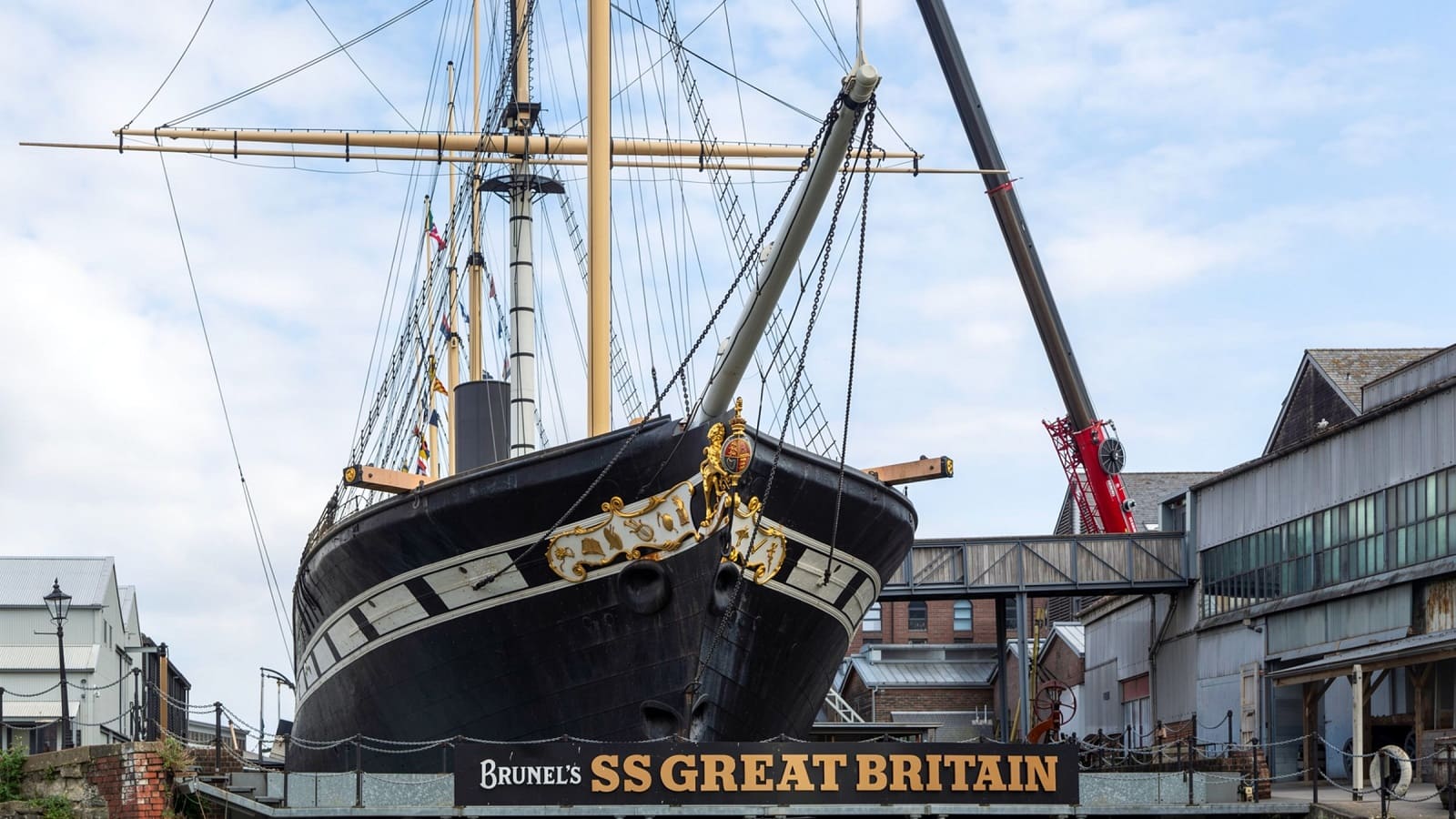
When SS Great Britain was launched in the nineteenth century, its combination of size, iron construction and steam-powered technology represented a major step forward in shipbuilding. The vessel was built to travel long distances and played an important role in the development of modern ocean travel.
Today, visitors can step aboard the ship and explore spaces that help recreate what life at sea was like. The experience is much more immersive than simply looking at a historic vessel from the outside. Cabins, working areas and other parts of the ship provide a sense of its scale and the very different conditions experienced by passengers and crew.
The dry dock and surrounding displays also add important context. They help explain how Brunel's ideas changed maritime engineering and why SS Great Britain became such an important part of Bristol's industrial and maritime history.
Allow enough time to explore rather than treating the ship as a quick photo stop. There are details throughout the attraction that are easy to miss if you move too quickly, and the combination of engineering, social history and maritime stories makes it interesting even for visitors who would not normally consider themselves ship enthusiasts.
SS Great Britain is particularly easy to combine with a visit to the Harbourside. Its location means you can explore the ship, continue along the waterfront and visit nearby attractions such as M Shed during the same day.
For a closer look at the ship and its history, see our detailed SS Great Britain guide. It is worth exploring in more depth if you have a particular interest in Brunel, Victorian engineering or Bristol's maritime past.
Discover Bristol Cathedral
Bristol Cathedral offers a completely different experience from the city's engineering and maritime attractions. Located in the heart of Bristol, this historic building brings together centuries of religious history, remarkable architecture and quiet spaces that provide a welcome contrast to the busy streets outside.
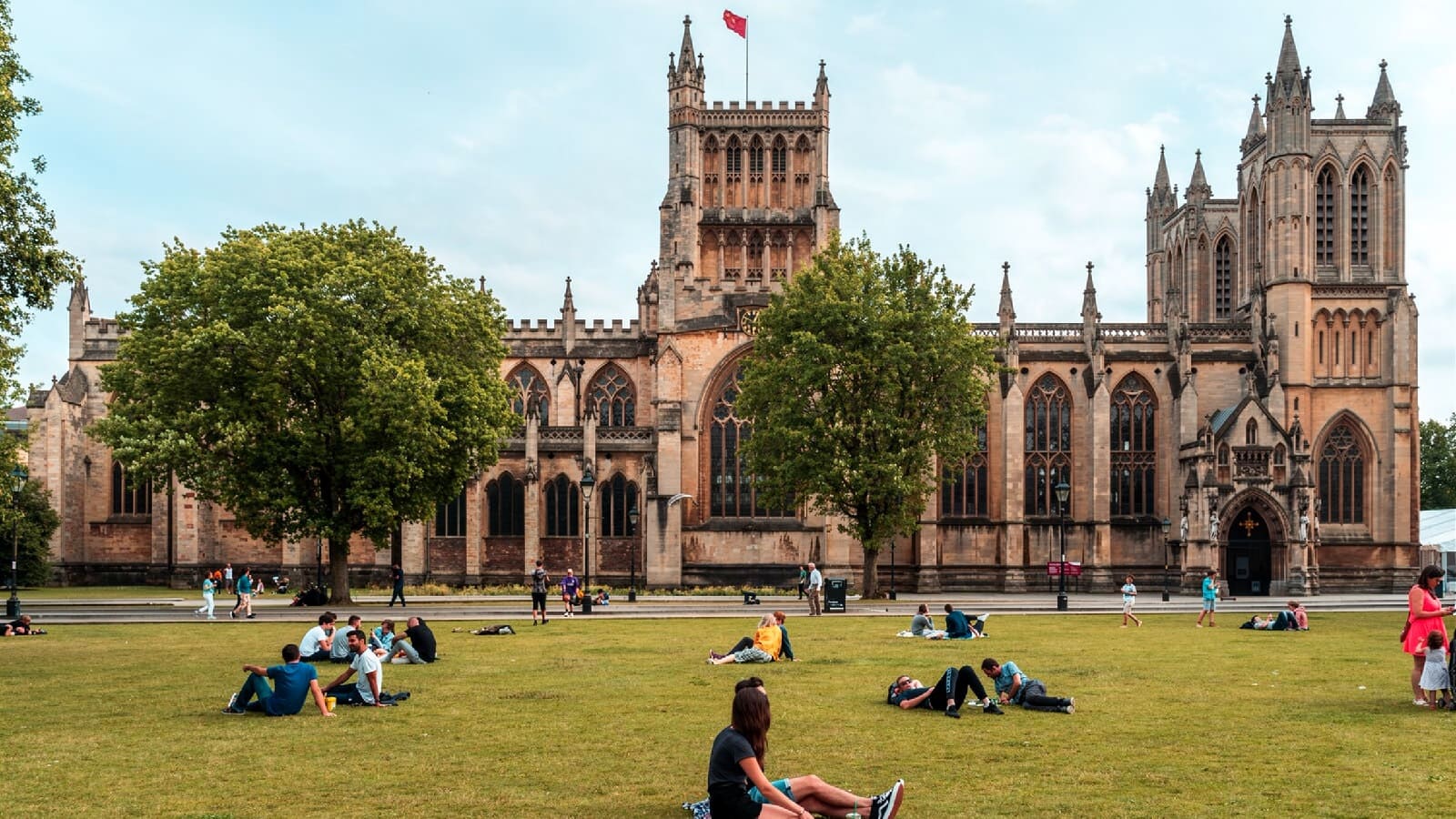
The cathedral's history stretches back many centuries, and the building contains architectural details from different periods. Medieval elements sit alongside later additions, creating an interior that is much more varied than visitors might expect from a single historic building.
Architecture is one of the main reasons to visit. Look upwards to appreciate the impressive vaults and ceilings, then take time to examine the columns, arches, windows and smaller decorative details. The building rewards visitors who slow down and look closely rather than simply walking through it on the way to another attraction.
The Great East Window is one of the cathedral's particularly notable features. Its stained glass and position within the building create a changing effect as daylight moves across the interior. The combination of coloured glass, stone architecture and natural light gives this part of the cathedral a very different atmosphere from the surrounding city.
The cathedral is also conveniently located for exploring central Bristol. It can be included in a walking route alongside the Harbourside, College Green and other historic parts of the city centre, making it an easy stop even when you have only a limited amount of time.
You do not have to be particularly interested in religious history to appreciate Bristol Cathedral. Its architecture, stained glass, historic details and peaceful atmosphere make it worthwhile for anyone interested in the history and character of Bristol.
If you want to explore the building more thoroughly, continue to our detailed Bristol Cathedral guide, where we look at its history, architecture and most interesting features in greater detail.
Visit M Shed and Discover Bristol's History
To understand Bristol beyond its most famous buildings, spend some time at M Shed on the Harbourside. The museum tells the story of the city through its people, industries, transport, culture and changing waterfront, making it one of the best places to understand how Bristol became the city it is today.
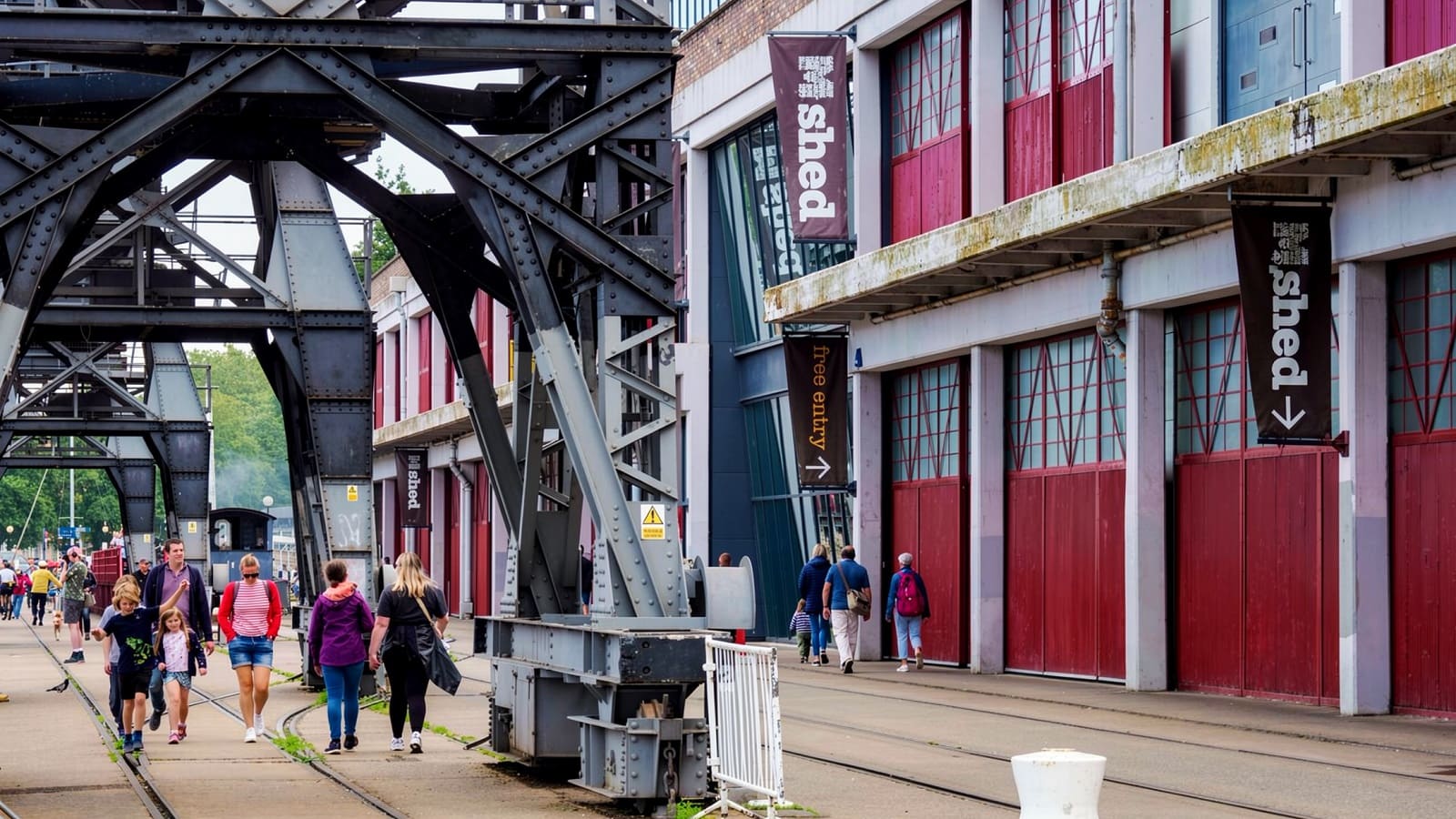
M Shed is housed in a former transit shed beside the harbour. The building itself is part of the story, as this area was once a busy working port where goods were loaded, unloaded and transported through the city. Today the same waterfront has been transformed into one of Bristol's most popular areas for visitors.
Inside the museum, the history is presented through a mixture of historic objects, photographs, films and personal stories. Rather than concentrating solely on famous events or important buildings, the exhibitions also show what everyday life was like for the people who lived and worked in Bristol.
The museum explores the city's maritime and industrial past, including the importance of the harbour, local industries and transport. Historic vehicles and larger objects help demonstrate how people and goods once moved around Bristol, while smaller personal items provide a more intimate view of the city's communities.
This combination makes M Shed particularly useful for visitors who want to put the city's other attractions into context. After learning about Bristol's working harbour and industrial development, the historic waterfront outside the museum becomes easier to understand.
M Shed is also an easy attraction to combine with other places on the Harbourside. You can visit the museum and then continue towards SS Great Britain, explore the waterfront, stop for something to eat or simply enjoy a walk beside the water.
If you want to spend more time exploring the museum, our detailed M Shed guide covers its history, collections, transport exhibits and connection with Bristol's Harbourside.
Walk Around Bristol Harbourside
Bristol Harbourside is one of the easiest places to experience several sides of the city during a single walk. The waterfront combines the remains of Bristol's historic port with museums, galleries, restaurants, cafés and open spaces, creating an area that can easily fill several hours of a visit.
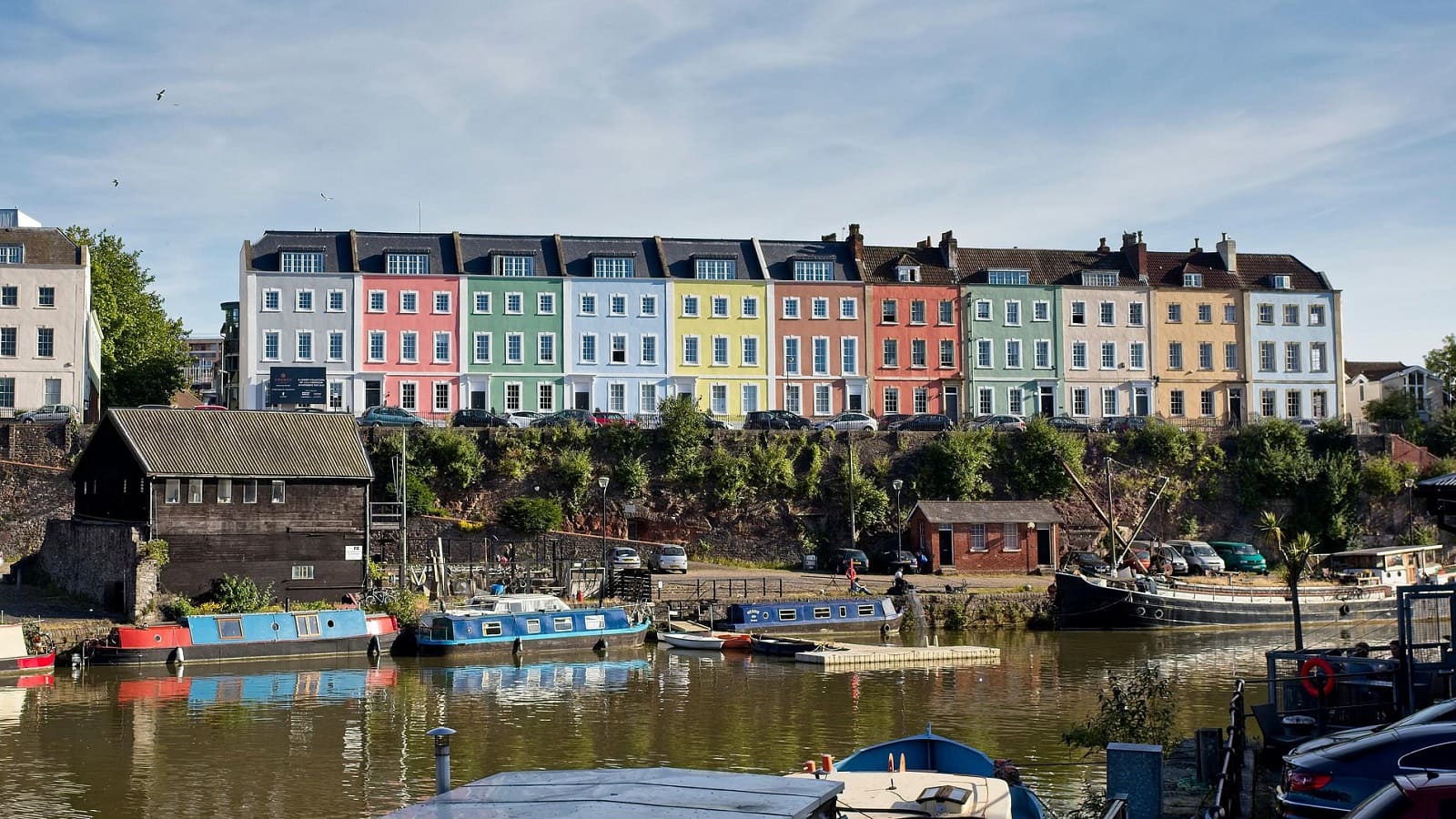
The harbour was once at the centre of Bristol's commercial life. Ships arrived with goods from Britain and overseas, while warehouses, docks and workshops surrounded the water. Much of that working activity has disappeared, but the waterfront still preserves important reminders of Bristol's maritime past.
Today, the atmosphere is very different. Former industrial spaces have been adapted for cultural attractions and leisure, while the waterside paths provide pleasant routes for walking. The contrast between the historic harbour and the modern Harbourside is one of the most appealing features of this part of Bristol.
There is plenty to see along the way. M Shed is directly on the waterfront, while SS Great Britain is only a short walk away. Other museums, galleries and cultural venues are also within easy reach, and there are numerous places where you can stop for coffee, lunch or an evening meal.
The Harbourside is particularly useful when planning a busy sightseeing day because several attractions can be visited without repeatedly crossing the city. You can begin with a museum, continue along the water, stop for lunch and then carry on to another attraction while gradually exploring the character of the waterfront.
It is worth allowing some unplanned time here as well. You do not have to visit an attraction at every stop. Sitting beside the water, watching boats or simply walking along the harbour can be one of the most enjoyable parts of a Bristol visit.
The area can also look very different at different times of day. Morning walks are generally quieter, while the waterfront becomes livelier later in the day as cafés, restaurants and other venues become busier. An evening walk can provide a completely different atmosphere from the same route during daylight.
For first-time visitors, the Harbourside is therefore more than a single attraction. It is a convenient starting point for discovering Bristol's history, culture and modern city life, all within a relatively compact area.
Discover Bristol's Street Art
Bristol's creative character can be seen throughout the city, but nowhere is it more visible than in its street art. Colourful murals, graffiti and large-scale works appear on walls and buildings across different neighbourhoods, turning an ordinary walk into an opportunity to discover something unexpected.
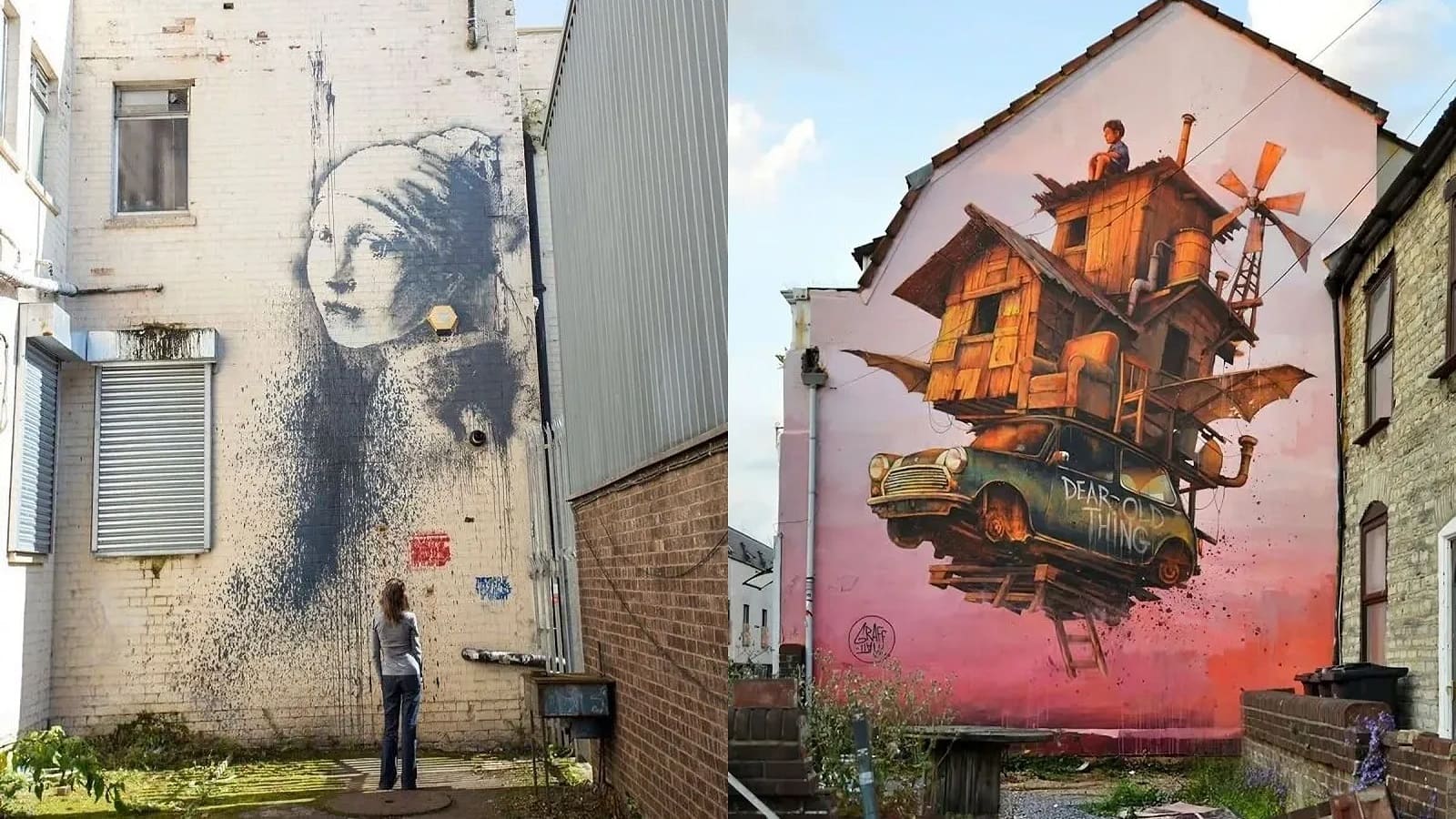
Bristol is particularly famous for its connection with Banksy, whose work helped bring international attention to the city's street art culture. Although individual works can disappear or change over time, the wider creative tradition remains an important part of Bristol's identity.
One of the most enjoyable things about exploring Bristol's street art is that it does not always require a ticket or a fixed itinerary. You can discover works while walking between other attractions, or dedicate several hours to exploring streets and neighbourhoods where murals and graffiti are particularly common.
Stokes Croft and the surrounding areas are well known for their strong visual character, while other parts of central Bristol also contain striking pieces. The artwork varies considerably in style, from small and detailed pieces to enormous murals covering entire walls.
Street art also provides a different way of understanding the city. Historic buildings tell one story about Bristol, while contemporary artwork reflects another side of its culture, politics, humour and creative energy. Seeing both during the same visit gives a much more complete impression of the city.
If you are looking for street art connected with Banksy, remember that outdoor artwork can change and individual pieces may no longer be in exactly the same condition as when they first appeared. It is often better to approach a street art walk as an exploration of Bristol's wider creative culture rather than simply a search for a fixed list of famous works.
Bring a camera and allow yourself time to look around. Some of the best discoveries are not necessarily the most famous pieces, but unexpected works encountered while exploring Bristol on foot.
Explore Clifton
Clifton is one of Bristol's most attractive neighbourhoods and a natural addition to any visit to the city. Known for elegant Georgian architecture, leafy streets, independent businesses and its proximity to the Avon Gorge, the area has a very different atmosphere from the busy waterfront and commercial centre.
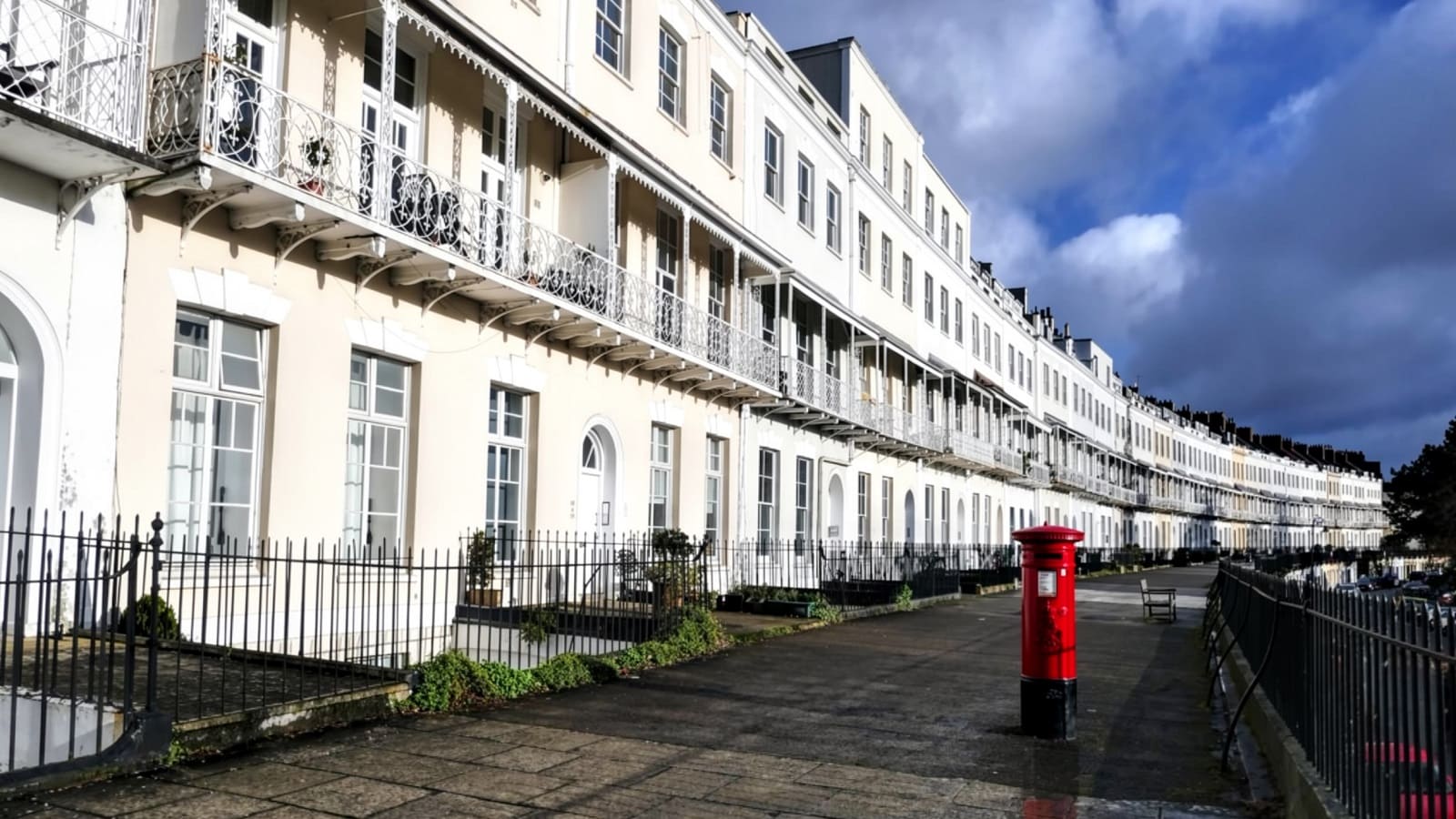
Walking through Clifton is one of the easiest ways to appreciate the architectural character of Bristol. Many streets are lined with carefully preserved Georgian buildings, terraces and attractive townhouses, while small squares and quieter side streets provide a pleasant contrast to the main tourist areas.
Clifton Village is a particularly enjoyable part of the neighbourhood to explore. Independent cafés, restaurants, shops and other local businesses make it a good place to stop for a coffee or something to eat while taking a break from sightseeing.
The neighbourhood also provides a natural route towards Clifton Suspension Bridge. You can combine a walk through the streets of Clifton with the bridge and the viewpoints around the Avon Gorge, creating an itinerary that combines architecture, history and dramatic scenery without needing to travel far between attractions.
Clifton is worth exploring at a slower pace. Rather than treating it simply as the area around the suspension bridge, allow time to wander through the residential streets and notice the smaller details. Doorways, stonework, terraces and views between buildings all contribute to the distinctive character of the neighbourhood.
The area is also a good choice if you want to experience a more relaxed side of Bristol. After visiting major attractions, sitting at a café, browsing independent shops or simply walking through the streets can provide a useful change of pace.
For a more detailed route through the neighbourhood, see our walking guide to Clifton. It goes beyond the main attractions and looks at the streets, architecture and places that make this part of Bristol worth exploring.
Parks and Green Spaces in Bristol
Bristol is not a city that needs to be explored entirely between museums, historic buildings and busy streets. Its parks, hills and green spaces provide plenty of opportunities to slow down, enjoy fresh air and see a quieter side of the city.
One of the most convenient places to escape the bustle of the city centre is Brandon Hill. Rising above the surrounding streets, the park provides attractive views across Bristol and is home to Cabot Tower, one of the city's best-known landmarks. It is an easy place to include in a walking itinerary and makes a good stop between sightseeing attractions.
Castle Park offers a different experience in the heart of the city. The open green space occupies part of the site of Bristol Castle and provides an interesting combination of history and modern urban life. It is close enough to the central shopping streets to be convenient, while still offering somewhere to sit and take a break.
Visitors staying longer can also explore green spaces beyond the immediate city centre. Leigh Woods, on the opposite side of the Avon Gorge from Clifton, offers woodland walks and a chance to experience a much more natural landscape without travelling far from the city.
These places are especially useful when planning a full day in Bristol. Sightseeing can become tiring when every stop involves an indoor attraction, so adding a park or viewpoint to your route gives you an opportunity to relax while still experiencing the city.
Green spaces can also provide some of the best opportunities to see Bristol from a different perspective. Hills and elevated viewpoints reveal the city's rooftops, church towers, harbour and surrounding landscape, helping you understand how the different parts of Bristol fit together.
If the weather is good, consider leaving some flexibility in your itinerary for an outdoor walk. You may find that a quiet stretch through a park or along the edge of the Avon Gorge becomes one of the most enjoyable memories of your visit.
Food, Markets and Bristol's Local Culture
Bristol's attractions are not limited to historic buildings and museums. The city has a strong independent food and cultural scene, with cafés, restaurants, pubs, markets and small local businesses contributing to its distinctive character.
One of the pleasures of exploring Bristol is simply stopping somewhere that catches your attention. Independent cafés and restaurants can be found throughout neighbourhoods such as Clifton, while the central areas and Harbourside offer plenty of options for a quick coffee, relaxed lunch or evening meal.
Markets are another part of the city's character. They provide an opportunity to discover local producers, street food and independent traders, while also giving visitors a glimpse of everyday Bristol away from the main tourist attractions.
Bristol's food culture also reflects the city's diverse communities. You can find traditional British dishes alongside international cuisines, modern restaurants and informal street food. This variety makes it easy to find something different even if you are staying for several days.
The city's cultural life extends well beyond food. Bristol has a strong reputation for music, theatre, festivals, contemporary art and creative events, with activities taking place throughout the year. Depending on when you visit, you may find a local event that adds something completely different to your sightseeing itinerary.
This is one reason it is worth leaving some free time in your schedule. Bristol is a city where an interesting café, market stall, gallery or small event can become an unexpected highlight of a trip.
For visitors who want to experience the city rather than simply photograph its landmarks, spending time in local neighbourhoods is particularly rewarding. Combine a major attraction with lunch at an independent restaurant, browse local shops or finish the day with a walk through one of Bristol's lively cultural areas.
Take a Day Trip from Bristol
Bristol is also a useful base for exploring some of the most interesting places in the surrounding region. If you are staying for more than a couple of days, consider setting aside one day to leave the city and discover the countryside, historic towns and natural attractions nearby.
Bath is one of the easiest and most popular choices. Famous for its Roman Baths, elegant Georgian architecture and distinctive honey-coloured stone buildings, the city offers a very different atmosphere from Bristol. Its compact historic centre makes it possible to see a great deal during a single day.
Cheddar Gorge is another memorable option, particularly for visitors who enjoy dramatic landscapes. The spectacular limestone gorge and surrounding countryside provide a complete change of scenery from the urban environment of Bristol, while the village of Cheddar offers additional places to explore.
The Cotswolds are also within reach for a day away from the city. The area is known for picturesque villages, traditional stone cottages, rolling countryside and small historic towns. A trip here is ideal if you want to experience the rural character of the wider region.
Wells provides another interesting destination, with its magnificent cathedral, historic streets and medieval character. It is a good choice for visitors who enjoy architecture and history but want to explore somewhere quieter than the main cities.
The best choice depends on how much time you have and what interests you most. Bath is particularly suitable for history and architecture, Cheddar Gorge for scenery, the Cotswolds for villages and countryside, and Wells for a combination of historic buildings and a smaller-city atmosphere.
If your visit to Bristol is short, it is usually better to concentrate on the city itself rather than trying to fit in a day trip. With two or three days available, however, adding one nearby destination can make the trip much more varied and give you a chance to experience the region beyond Bristol.
How to Plan Your Bristol Visit
Bristol has enough attractions to fill several days, but you do not need a long stay to experience the city's highlights. The easiest way to plan your visit is to group attractions that are close together and leave enough time for walking between them rather than trying to see everything in a single day.
One Day in Bristol
If you only have one day, concentrate on the central areas and choose a manageable number of attractions. A walk around the Harbourside is a good starting point, as M Shed, SS Great Britain and several other attractions are within easy reach of one another.
You can then continue towards the city centre and visit Bristol Cathedral before exploring another part of the city. If Clifton Suspension Bridge is high on your list, allow time to travel or walk towards Clifton and explore the neighbourhood around the bridge rather than treating it as a quick photo stop.
Two Days in Bristol
Two days give you considerably more flexibility. One day can be focused on the Harbourside and central attractions, while another can be devoted to Clifton, the suspension bridge and some of Bristol's independent neighbourhoods.
This longer itinerary also gives you time to explore street art, visit a museum at a relaxed pace and stop at cafés, restaurants or markets without constantly watching the clock.
Three Days or More
With three days or longer, you can explore Bristol more slowly and consider adding a day trip outside the city. Bath, Cheddar Gorge, the Cotswolds and Wells are all possible options depending on your interests.
Extra time also allows you to explore areas that are easy to overlook on a short visit. Parks, viewpoints, independent shops, local food spots and smaller cultural venues can all become part of your itinerary without forcing you to choose between them and the city's major attractions.
Group Attractions by Area
One of the simplest ways to make sightseeing easier is to group nearby attractions together. For example, the Harbourside works naturally as one part of a day, while Clifton and the suspension bridge can be explored together.
This approach reduces unnecessary travel and leaves more time for actually experiencing the city. Bristol is a rewarding city to explore on foot, so building routes around several nearby attractions can be more enjoyable than moving repeatedly between distant parts of town.
Leave Some Time Unplanned
It is tempting to fill every hour with attractions, especially on a first visit, but leave some room for flexibility. Bristol's independent cafés, street art, parks and neighbourhoods are often best discovered without a strict timetable.
Before your trip, check the latest opening information for any attraction you particularly want to visit. Special events, temporary closures and seasonal arrangements can affect opening times, and some popular attractions may benefit from advance planning.
Why Bristol Is Worth Visiting
Bristol is a city that offers much more than a collection of individual attractions. Its character comes from the way history, architecture, engineering, culture and modern city life exist alongside one another. You can spend the morning exploring a historic landmark, walk beside the harbour in the afternoon and finish the day discovering independent restaurants, street art or live entertainment.
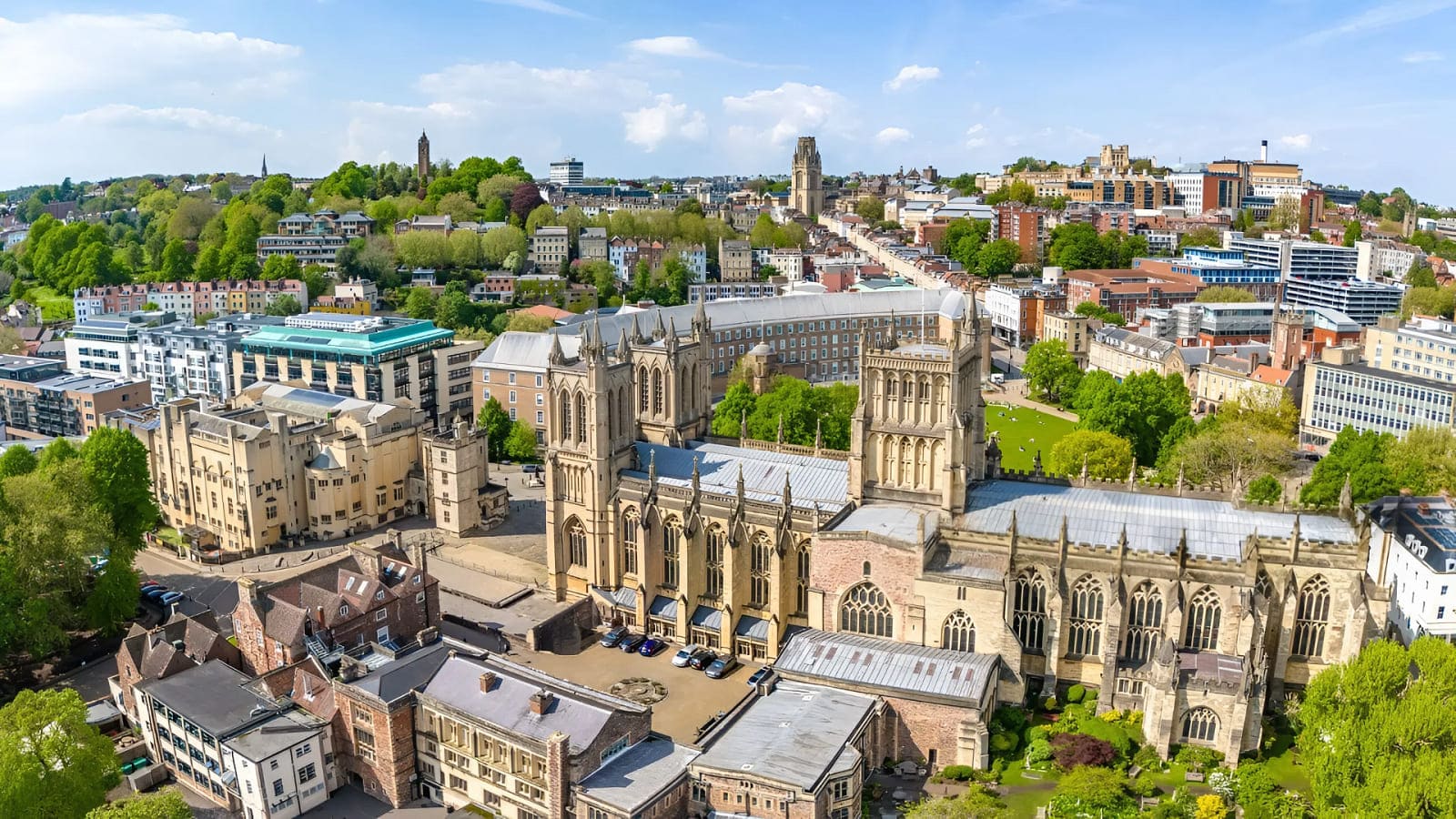
The city's engineering heritage is one of its defining features. Clifton Suspension Bridge and SS Great Britain demonstrate the ambition and technical innovation associated with Isambard Kingdom Brunel, while the historic harbour provides a reminder of Bristol's long connection with maritime trade and industry.
At the same time, Bristol's history is not confined to its most famous landmarks. Bristol Cathedral, M Shed and the city's older streets reveal different aspects of its development, from medieval architecture and religious history to the experiences of the communities that have shaped Bristol over generations.
The city also has a strong contemporary identity. Street art, independent businesses, music, food and cultural events have helped make Bristol one of Britain's most distinctive urban destinations. Exploring these modern elements alongside the historic sights gives visitors a much broader understanding of the city.
Another advantage is the variety of experiences available within a relatively manageable area. The Harbourside connects several major attractions, Clifton can be explored together with the suspension bridge, and the central streets contain historic buildings, cafés, shops and cultural venues that can easily be included in a walking itinerary.
Bristol is also a good destination for different styles of travel. History enthusiasts can spend hours exploring its architecture and museums, while visitors looking for a relaxed city break can focus on waterfront walks, food, shopping and neighbourhoods. Families, photographers and visitors interested in art or engineering can all find something suited to their interests.
And if you have more time, Bristol's location makes it possible to use the city as a base for exploring the surrounding region. A visit can be extended with a day trip to Bath, Cheddar Gorge, the Cotswolds or Wells, adding countryside and historic towns to the experience.
Whether you are visiting for a single day or staying for several nights, the best approach is not to rush through a checklist of attractions. Choose a few places that interest you, explore the areas around them and leave enough time to experience the atmosphere of the city itself. Bristol's most memorable moments can be found not only at its famous landmarks, but also in the streets, waterfronts and neighbourhoods between them.
