About Bristol
Bristol is not the kind of city that can be summed up by a short list of famous sights. Its character comes from the way different parts of the city fit together: a historic harbour, distinctive neighbourhoods, independent businesses, a strong creative culture and a long tradition of innovation. It is a city with a recognisable personality, but one that can feel quite different depending on where you spend your time.
For first-time visitors, that character is part of what makes Bristol interesting. The city has an important maritime and industrial past, but it is also known for contemporary art, music, film, independent culture and a lively events scene. Its neighbourhoods have their own atmosphere too, giving visitors plenty of ways to experience Bristol beyond the best-known landmarks.
Bristol Visitor is designed to help you understand the city before you arrive and make better choices once you are here. Rather than simply listing attractions, this guide looks at what makes Bristol distinctive, how different types of visitors can approach the city, how much time you need and what is worth knowing before your first visit.
Whether you are coming for a day, a weekend or using Bristol as a base for exploring the wider South West, this page is a starting point for getting to know the city. From here, you can explore our more detailed guides and build a Bristol trip around the places and experiences that interest you most.
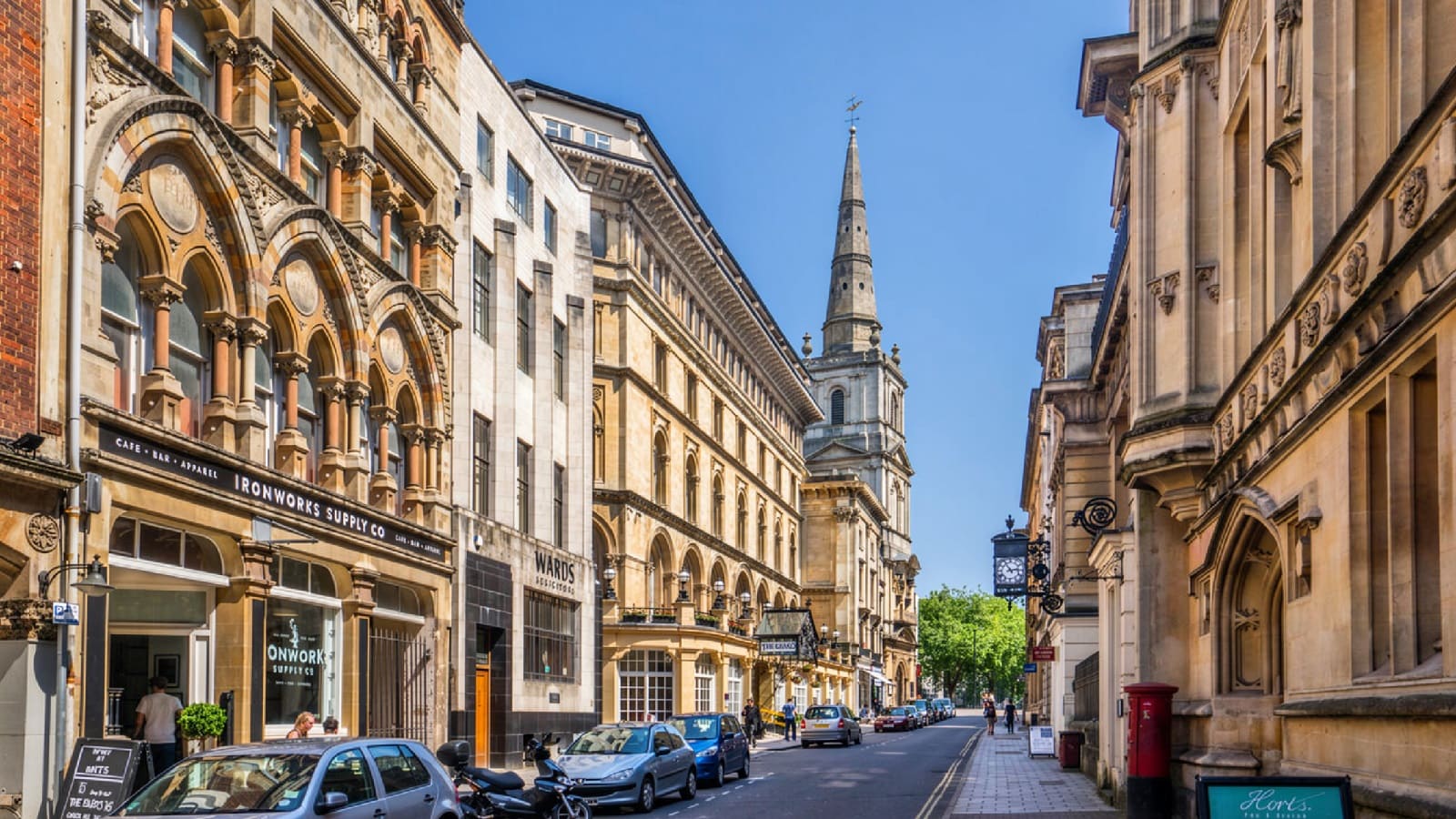
Bristol Beyond the Postcard
Bristol has plenty of recognisable sights, but the city becomes more interesting when you look beyond the places that appear in every visitor guide. Its appeal is less about having one monumental centre and more about the contrasts you discover as you move from one part of the city to another.
One of the easiest ways to notice this is to look at Bristol's streets. Historic buildings sit alongside independent shops, cafés, modern developments and colourful street art. Around the city, you can also find traces of Bristol's industrial and maritime past mixed with a distinctly contemporary atmosphere. The result is a city that rarely feels completely uniform.
Bristol's creative identity is another important part of the experience. The city has a strong connection with street art and is internationally associated with the artist Banksy, who grew up in Bristol. However, the city's creative scene is much broader than one artist. Murals, independent galleries, music venues, design businesses and creative events all contribute to the atmosphere visitors encounter today.
Independent businesses are another reason Bristol can feel different from larger British cities. Away from the most heavily visited areas, you will find small cafés, specialist shops, restaurants, bars and other businesses with a strong local identity. This is one reason that simply walking through a neighbourhood can sometimes reveal more about Bristol than moving from one major attraction to another.
The city also has an unusual relationship with its harbour. Bristol's maritime history is not confined to a museum display; it has shaped the geography and character of the city. The former working waterfront has become part of everyday urban life, while reminders of Bristol's trading and industrial past remain visible alongside modern restaurants, cultural venues and public spaces.
Bristol's personality can change noticeably from one street to the next. A quiet residential terrace can lead to a busy commercial road, while an old industrial area may now be home to studios, independent businesses or music venues. This mixture is one of the city's defining characteristics and rewards visitors who leave some space in their itinerary for unplanned exploration.
That does not mean you should ignore Bristol's famous attractions. They provide an excellent introduction to the city. But if you have more than a few hours, allow yourself time to wander between the main stops, explore a neighbourhood without a strict checklist and notice the smaller details along the way.
Bristol is therefore best approached as a city to experience rather than simply a collection of sights to tick off. Its history, creative culture, independent businesses and constantly changing streets all form part of the experience. The more time you spend looking beyond the postcard view, the more distinctive Bristol becomes.
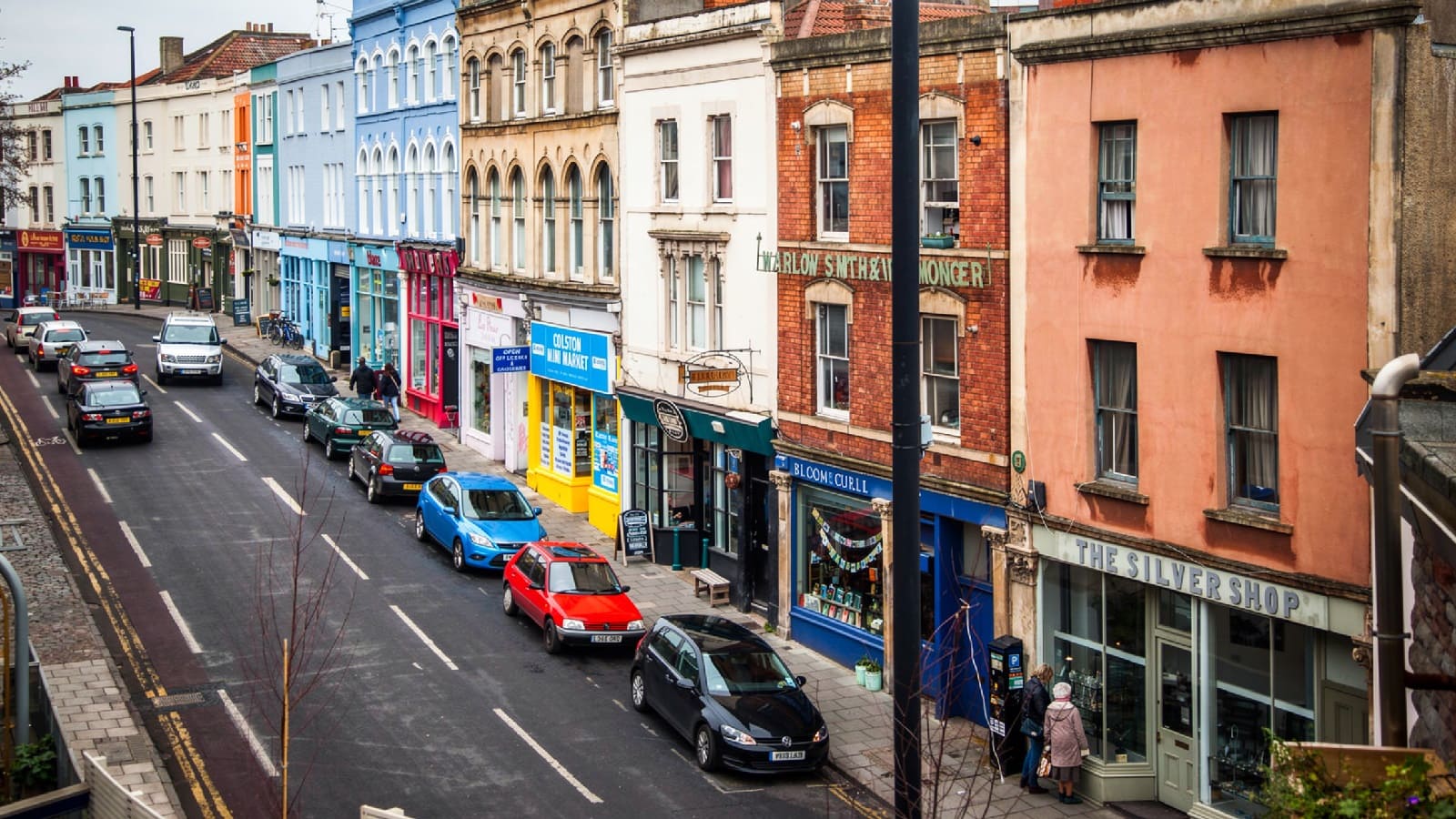
How Bristol's Neighbourhoods Feel
One of the most useful things to understand about Bristol is that the city does not have one single atmosphere. Different neighbourhoods have developed their own identities, and choosing where to spend your time can make a big difference to the kind of visit you have.
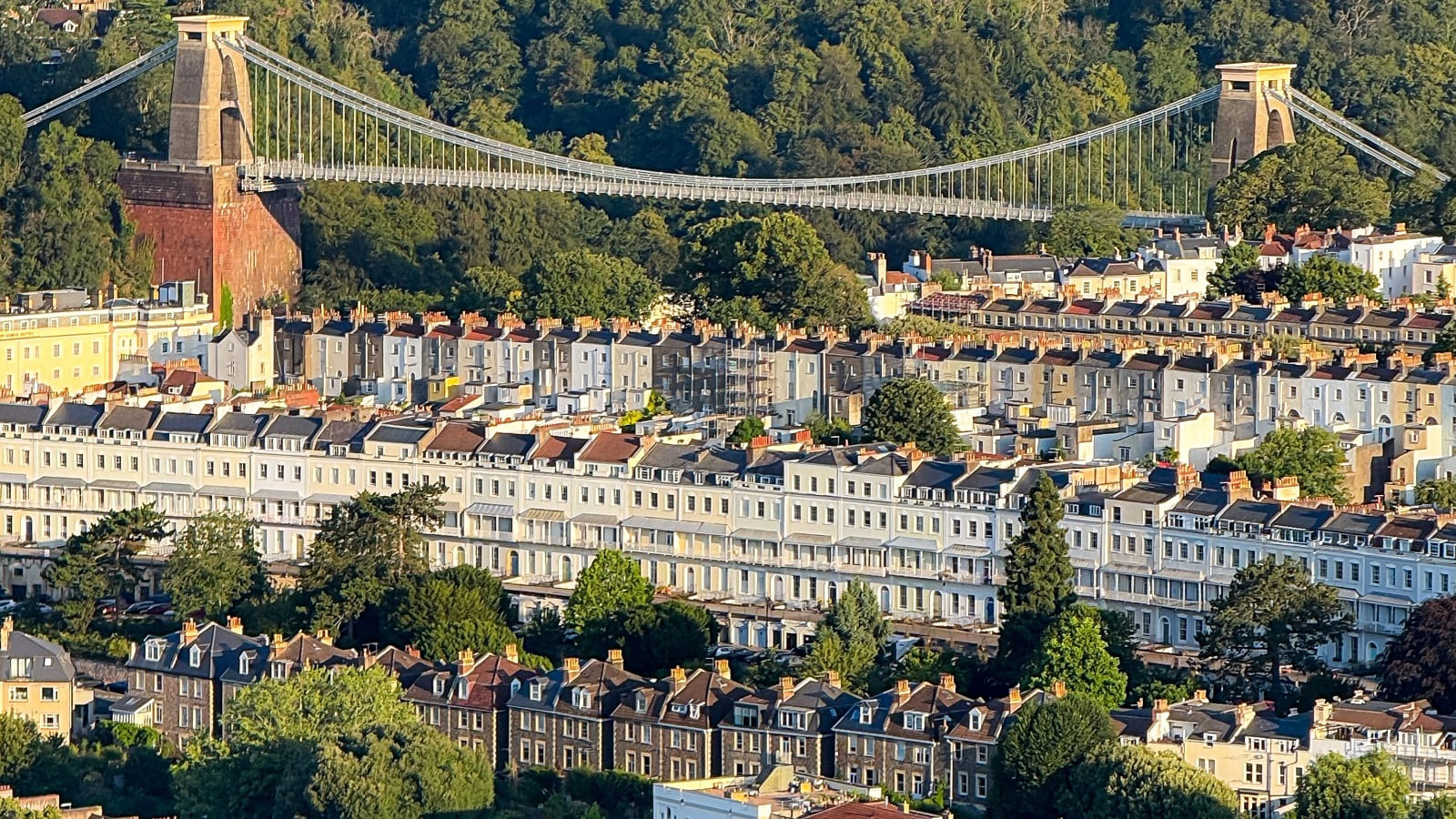
Clifton is a natural choice if you are looking for elegant architecture, attractive streets and a more relaxed atmosphere. Clifton Village works particularly well for a slow afternoon of cafés, independent shops and restaurants, while the surrounding area also provides access to the Clifton Suspension Bridge and the open space of The Downs.
Harbourside suits visitors who want several attractions, restaurants and waterfront walks within easy reach of each other. It is one of the easiest areas for a first-time visitor to explore without constantly checking transport, and it works well for families as well as couples looking for somewhere to eat and walk in the evening.
The Old City is a better fit if historic streets, independent food spots and the character of central Bristol appeal to you. The area around Corn Street, King Street and St Nicholas Market is particularly useful for visitors who want to combine sightseeing with food, drinks and an introduction to the city's older centre.
Stokes Croft and Gloucester Road offer a different side of Bristol. This part of the city is strongly associated with independent businesses, street art, cafés, pubs, music and alternative culture. It is worth considering if you are more interested in local atmosphere and creative Bristol than in spending the whole day around traditional tourist attractions.
Bedminster and Southville can be interesting for visitors who want to see a more residential and local side of Bristol. North Street is particularly useful for finding independent cafés, food and drink, while the area also provides a different perspective on the city away from the main tourist centre.
Redland and Cotham are worth considering if you prefer leafy streets, independent cafés and a quieter urban atmosphere while remaining relatively close to central Bristol. They can work particularly well for visitors who enjoy exploring on foot rather than concentrating entirely on major attractions.
The important thing is not to think of these neighbourhoods as competing versions of the same Bristol experience. Each one answers a different question. Clifton works well for architecture and a relaxed afternoon, Harbourside for waterfront attractions and easy sightseeing, the Old City for historic central Bristol, and Stokes Croft and Gloucester Road for independent culture and nightlife.
If you only have one day, there is no need to try to visit every neighbourhood. Pick one or two that match your interests and explore them properly. With a weekend, you have more time to combine contrasting areas and see how quickly Bristol's atmosphere changes as you move around the city.
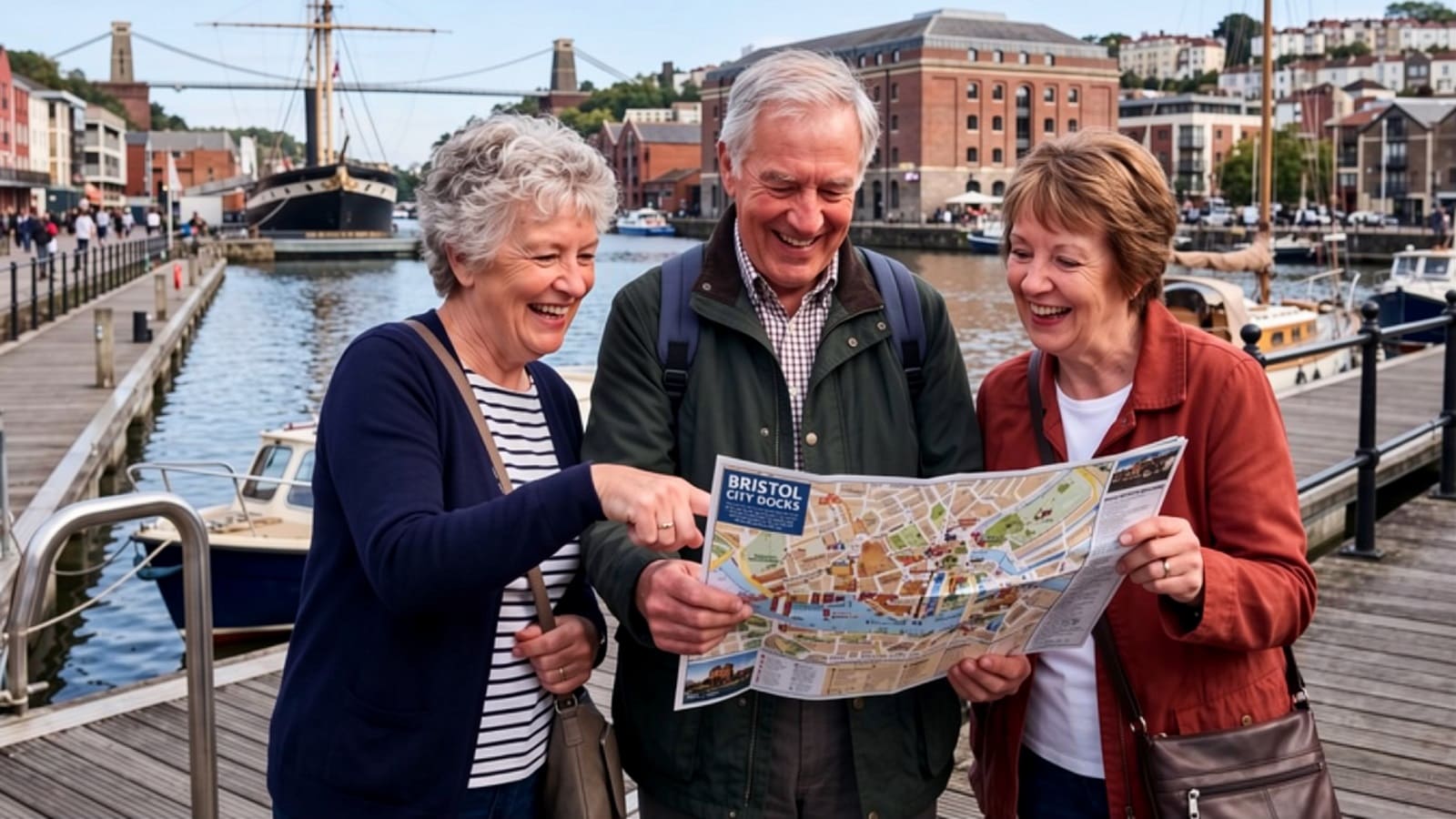
Bristol for Different Types of Travellers
Bristol can work very well for different kinds of trips, but not every visitor will experience the city in the same way. A family looking for easy daytime activities will naturally make different choices from a couple planning restaurants and nightlife, while a returning visitor may prefer to skip the main landmarks altogether.
First-time visitors will usually get the most from combining a few of Bristol's best-known attractions with time to explore the surrounding areas. The Harbourside and central Bristol are convenient starting points because several major sights can be reached on foot. If time allows, add another neighbourhood with a completely different atmosphere rather than trying to see every attraction in one day.
Couples have plenty of options for a more relaxed Bristol weekend. A walk around the waterfront, dinner in the city centre, drinks in one of the historic areas and an afternoon exploring Clifton can all be combined without making the trip feel like a checklist. Bristol also has a strong choice of independent restaurants, bars and live music venues for evenings when you want something more local.
Families may find Bristol easiest when the day is organised around a small number of attractions rather than trying to cover large distances. The Harbourside is particularly convenient because several family-friendly attractions are close together, with places to stop for food and breaks nearby. Planning some outdoor time between indoor attractions can also make a long sightseeing day more comfortable.
Solo travellers can take advantage of Bristol's walkable central areas and independent café, food and cultural scene. The city is easy to explore at your own pace, and you can change your plans without having to coordinate with anyone else. Areas such as the Old City, Harbourside, Clifton and Gloucester Road each offer a different type of experience within a relatively manageable city.
Visitors interested in culture and creativity may want to spend less time ticking off conventional attractions and more time exploring Bristol's galleries, street art, independent venues, live music and creative neighbourhoods. Stokes Croft and Gloucester Road are particularly relevant, while the city centre and Harbourside provide a wider range of museums, cultural venues and events.
Food and drink enthusiasts can make Bristol's independent restaurant, café, pub and bar scene a central part of the trip. Instead of choosing one area and staying there all day, consider building your visit around different neighbourhoods and stopping for food along the way. This can be a good way to experience parts of Bristol that you might otherwise miss.
Repeat visitors have an advantage because they do not need to spend their time seeing everything that appears on a first-time visitor's list. A second or third trip can be a good opportunity to explore neighbourhoods in greater depth, look for independent businesses, attend an event or use Bristol as a base for exploring destinations elsewhere in the South West.
The best Bristol itinerary is therefore not necessarily the one that contains the most attractions. Start by deciding what kind of experience you want, then choose the neighbourhoods, activities and places that support it. The city is flexible enough to work as a family break, romantic weekend, cultural trip, food-focused visit or relaxed short escape.

A Day in Bristol vs. A Weekend
How long should you spend in Bristol? There is no single answer, but the difference between a day trip and a weekend is significant. You can get a good introduction to the city in one day, while two or three days give you enough time to slow down, explore different neighbourhoods and experience Bristol beyond its main attractions.
One day in Bristol is enough for a first taste of the city, provided you keep your plans reasonably concentrated. The Harbourside and central Bristol are a practical combination because several important sights and historic areas can be reached on foot. You can spend part of the day exploring attractions, stop for lunch and then continue through the Old City or towards another nearby area.
The main mistake on a one-day visit is trying to cover the entire city. Clifton, Gloucester Road, Stokes Croft, Bedminster and the Harbourside are not interchangeable stops that can all be squeezed comfortably into a few hours. Choose the part of Bristol that interests you most and leave some time simply to walk around.
Two days give you much more freedom. You can dedicate one part of the trip to the central city and Harbourside, then use the second day to explore somewhere with a different character. Clifton is an obvious choice for architecture, independent shops and the Suspension Bridge, while Stokes Croft and Gloucester Road offer a more creative and alternative side of Bristol.
A weekend also means you can experience Bristol after dark rather than having to leave as soon as the main sightseeing is finished. An evening meal, a pub, live music or a few drinks around the city can become part of the trip rather than an afterthought. This is one of the easiest ways to appreciate how different Bristol feels in the evening.
Three days or more allow you to take a slower approach. Instead of adding more and more attractions, use the extra time to explore neighbourhoods properly, visit places that are slightly outside the centre or make a day trip beyond Bristol. The city is also well placed for exploring other parts of the South West.
A longer stay can be particularly worthwhile if you are interested in food, independent businesses, music or local culture. These are experiences that benefit from having spare time rather than being fitted between major attractions. You can spend an afternoon in one neighbourhood, stop for coffee, browse independent shops and stay for dinner without constantly watching the clock.
If you are visiting Bristol for the first time, two full days are a useful starting point. A single day can introduce you to the city, but a weekend gives you enough time to combine the major sights with the atmosphere of its neighbourhoods. If you have three days or longer, consider using some of that extra time to explore beyond the city itself.
Ultimately, Bristol rewards a little breathing room. You do not need to see everything to have a good visit. Choose the experiences that matter most to you, group nearby places together and leave enough time to discover something that was not on your original plan.
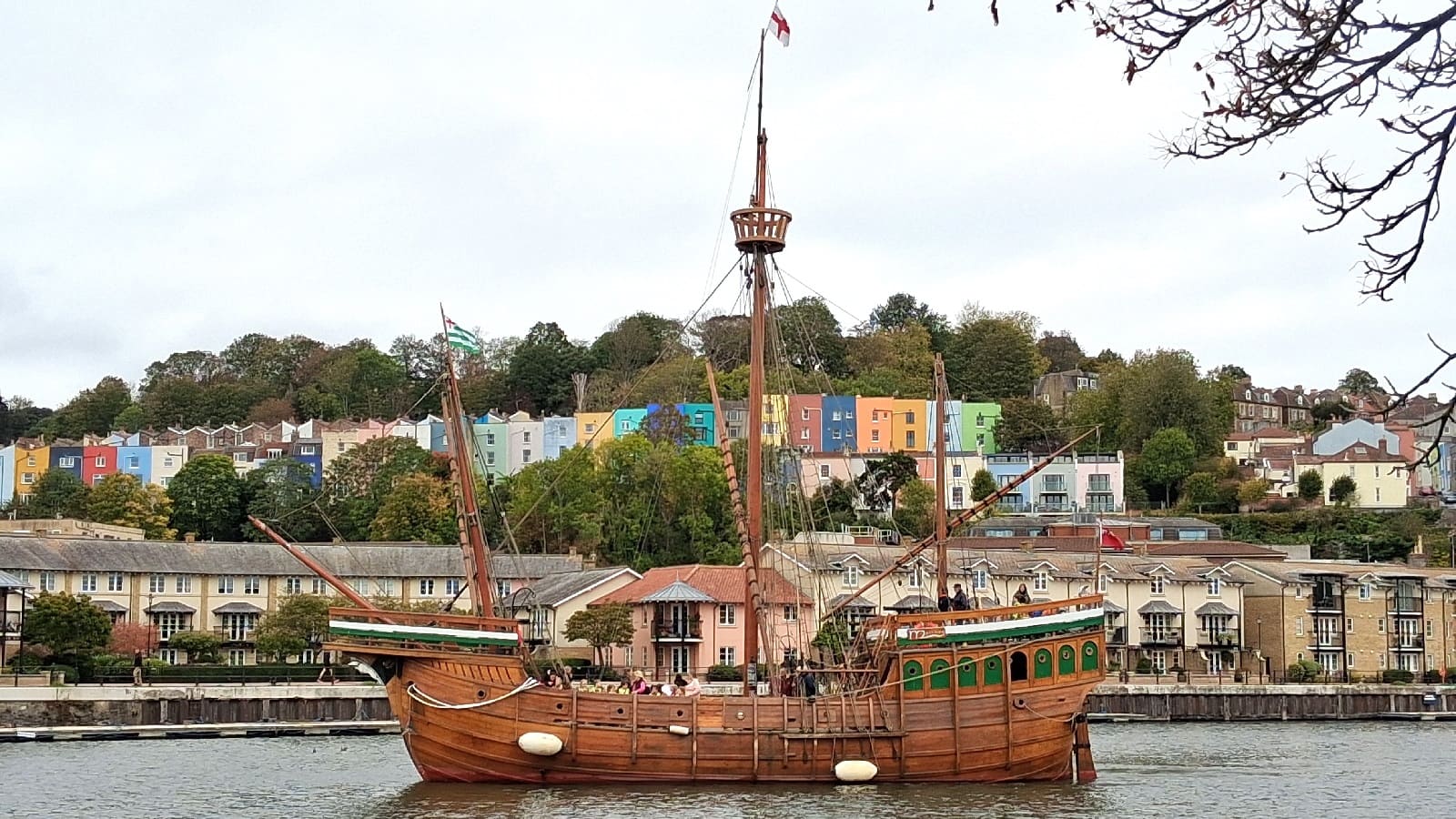
Bristol, the Harbour & Its Industrial Past
To understand Bristol, it helps to understand its relationship with water. The River Avon and the city's port have shaped Bristol's growth, trade, architecture and identity for centuries. Even today, the harbour is one of the clearest places to see how the city's industrial past has been transformed into part of its modern urban life.
Bristol's location gave it an important advantage as a port. The River Avon provided access towards the Severn Estuary and Bristol Channel, but its exceptionally large tidal range also created serious problems for shipping. Ships could be left sitting on mud when the tide went out, making the movement of cargo increasingly difficult as Bristol's trade expanded.
The answer was the creation of the Floating Harbour. Designed by engineer William Jessop, the scheme transformed part of the tidal river into a controlled area of water where ships could remain afloat regardless of the tide. Construction began in 1804 and the Floating Harbour opened in 1809, becoming a major piece of engineering infrastructure that influenced Bristol's commercial and industrial development for generations.
The harbour was not simply a place where ships arrived. It became part of the city's working infrastructure, surrounded by warehouses, workshops, rail connections and other facilities connected with trade. Bristol's maritime economy also helped drive engineering innovation, which became another important part of the city's identity.
One of the best-known examples is Isambard Kingdom Brunel's SS Great Britain. Built in Bristol between 1839 and 1843, the revolutionary iron-hulled steamship represents the combination of engineering ambition and maritime trade that helped define the city during the Victorian period. Today, the ship remains in the same historic dry dock where she was built and is one of the most significant reminders of Bristol's industrial heritage. :contentReference[oaicite:1]{index=1}
Other parts of the harbour provide a different glimpse into the working city. Underfall Yard, for example, preserves a connection with the engineering and maintenance of Bristol's docks, while M Shed explores the wider story of the city and its people. These places help explain why the waterfront contains so many different layers of Bristol's history rather than being simply an attractive area beside the water.
Bristol's harbour eventually stopped functioning as a commercial dock in the 1970s, with the port's working activities moving further downstream to areas including Avonmouth and Portbury. The old docks were subsequently transformed, and the former industrial waterfront gradually became the Harbourside visitors see today. :contentReference[oaicite:2]{index=2}
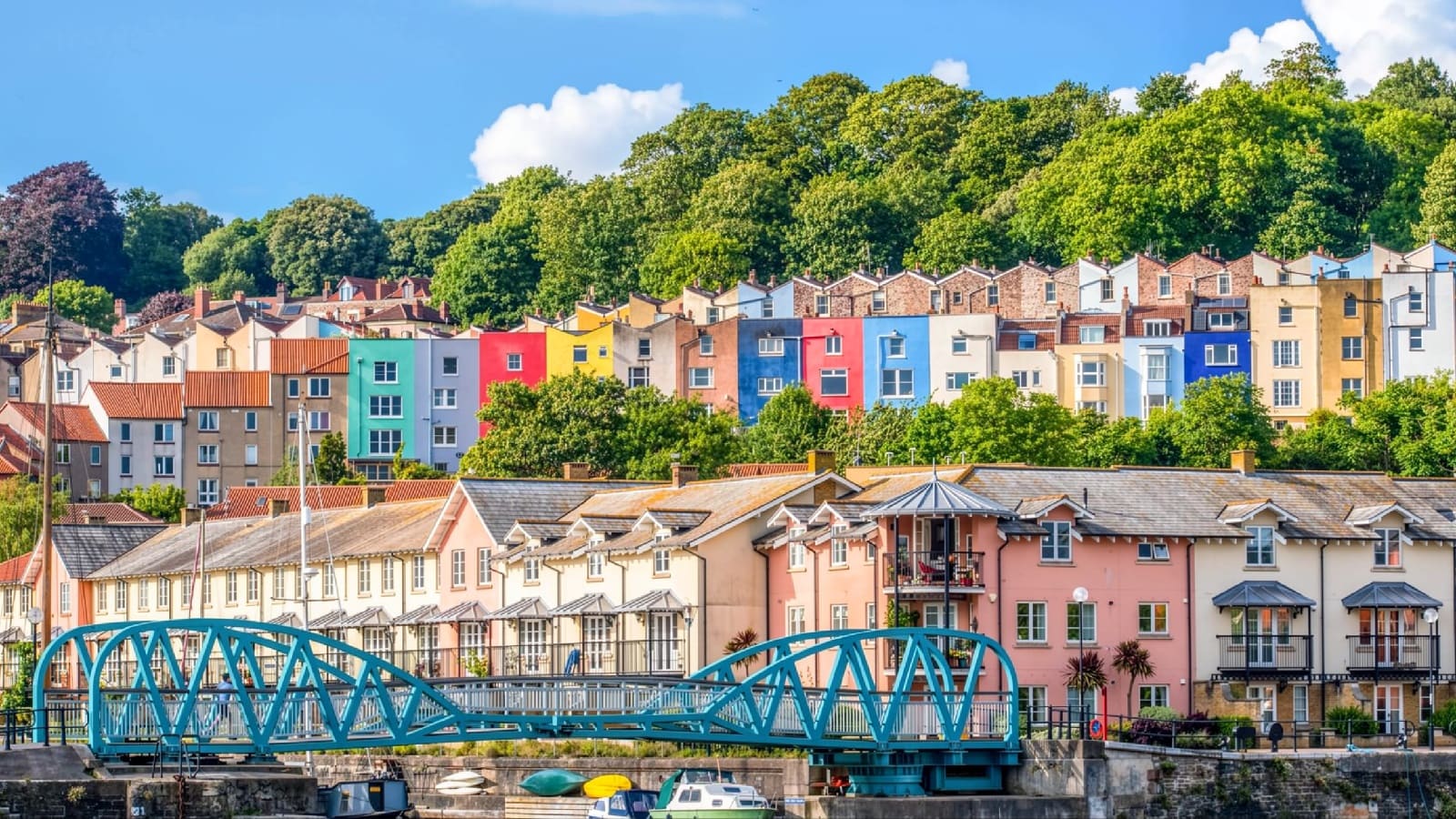
That transformation is one of the most interesting things to notice when walking around Bristol. Modern restaurants, cafés, cultural venues and public spaces now occupy an area that was once dominated by shipping and industry. Historic warehouses and engineering structures remain alongside newer buildings, while boats still move through the harbour and the water remains an important part of everyday city life. :contentReference[oaicite:3]{index=3}
You do not need to be a history enthusiast to appreciate this side of Bristol. A walk around the waterfront can reveal the story almost without trying: look at the old dock structures, the surviving industrial buildings and the ships, then compare them with the cafés, galleries and cultural venues that now surround them. The contrast explains much about how Bristol has changed.
For visitors who want to explore this story in more depth, the Harbourside provides several places to start. M Shed, SS Great Britain and Underfall Yard each offer a different perspective, while walking around the Floating Harbour itself provides the wider context. The result is not just a history lesson, but a chance to see how Bristol's maritime and industrial past continues to shape the city you are visiting today. :contentReference[oaicite:4]{index=4}

Bristol's Calendar: Events Worth Planning Around
Bristol is a city where an event can be a reason to visit rather than something you simply happen to find while you are here. The calendar covers music, film, street art, food, culture, family entertainment and large outdoor celebrations, with particularly busy periods during the spring and summer. If your dates are flexible, checking what is happening in the city can make a real difference to your trip.
Bristol International Balloon Fiesta is one of the city's most distinctive annual events. Held at Ashton Court, it brings hot-air balloons together for mass ascents and other displays, creating one of the most recognisable sights associated with Bristol. The 2026 edition is scheduled for 7–9 August, making it a particularly interesting weekend to plan around if you want to experience one of the city's signature events. :contentReference[oaicite:1]{index=1}
Music is another major part of Bristol's event calendar. FORWARDS brings large-scale live music to The Downs, while Bristol Sounds uses the waterfront as a setting for summer concerts. Other events cover everything from electronic music and alternative acts to jazz and more specialist genres, so checking the programme is worthwhile if live music is one of the reasons for your visit. :contentReference[oaicite:2]{index=2}
Bristol also has a strong connection with street art and creative culture. Events such as Upfest have helped reinforce the city's reputation as a centre for urban art, while exhibitions and creative festivals provide other ways to experience Bristol's artistic side. If you are interested in street art, it can be worth checking the festival calendar rather than relying only on a self-guided walk.
Film lovers have plenty of reasons to visit as well. Bristol hosts events ranging from the Encounters Film Festival, which focuses on short film and emerging talent, to specialist screenings and film programmes at venues such as Watershed. The 2026 Encounters Film Festival is scheduled for 23–27 September. :contentReference[oaicite:3]{index=3}
Food and drink also feature heavily in Bristol's calendar. Festivals and specialist events can be a good opportunity to discover local producers, independent businesses and the city's food and drink scene in a more concentrated way. For visitors who enjoy trying local places rather than following a fixed sightseeing list, these events can add another dimension to a weekend in Bristol.
The calendar is not limited to summer. Bristol Light Festival brings illuminated installations and evening walks to the city during winter, while Christmas events and markets create another reason to visit towards the end of the year. Seasonal events can therefore give the city a noticeably different atmosphere from the one you experience during the main summer festival period. :contentReference[oaicite:4]{index=4}
Large events can also affect the practical side of your visit. Accommodation may be in higher demand, popular restaurants can become harder to book and parking and traffic can be more complicated around major venues. If you are travelling specifically for a festival or large event, it is sensible to book accommodation and check transport arrangements early rather than treating the event as an unexpected addition to your itinerary.
You do not have to plan an entire trip around a major festival to benefit from Bristol's events calendar. Even smaller concerts, exhibitions, food events, theatre performances and community celebrations can give you a reason to choose one weekend over another. Before booking your trip, check the current Bristol events calendar and see whether something happening during your dates matches your interests. :contentReference[oaicite:5]{index=5}
For visitors with flexible dates, this is one of the simplest ways to make a Bristol trip feel more personal. Choose the city first, then look at what is happening while you are there — or, if a particular festival catches your attention, let the event itself become the reason for your visit.
Bristol as a Base for Exploring the West of England
Bristol is more than a destination in its own right. Its location in the South West also makes it a useful base for exploring other parts of the region. If you are staying for several days, you can combine time in the city with day trips to historic towns, countryside, coast and some of the area's most recognisable natural attractions.
Bath is perhaps the easiest major addition to a Bristol trip. The two cities are close enough to combine in one visit, although giving Bath a full day allows much more time to explore its Georgian streets, Roman history, independent shops and historic attractions. For visitors staying in Bristol, Bath works particularly well as a separate day rather than something squeezed into a few hours.
Cheddar Gorge offers a completely different experience. The dramatic limestone gorge and surrounding countryside make it a natural choice if you want a break from urban sightseeing. It is particularly attractive for visitors interested in walking, scenery and the Somerset countryside. Allow enough time for the journey and exploration rather than treating it as a quick stop.
The Cotswolds are another possibility for a longer stay. The area is known for its villages, stone buildings and countryside, but it is spread across a large region rather than being a single attraction. If you want to visit from Bristol, choose your destination carefully and plan the route around a small number of places rather than trying to cover the whole Cotswolds in one day.
Weston-super-Mare provides a straightforward change of scenery for visitors who want to see the coast. Its seaside character is very different from Bristol's urban waterfront, making it an option for families, traditional seaside experiences or simply a walk beside the sea. Check conditions and opening arrangements for individual attractions if you are visiting outside the main season.
Other destinations in the wider South West can also be reached from Bristol, depending on how far you are prepared to travel. The important point is that you do not have to choose between a city break and exploring the region. Bristol can work as the centre of a longer trip, with different excursions added around your main stay.
Your choice of day trip should depend on what you want from the extra day. Choose Bath for architecture and history, Cheddar Gorge for dramatic scenery and outdoor exploration, the Cotswolds for villages and countryside, or Weston-super-Mare for a traditional seaside experience. Each provides a very different contrast with Bristol.
Transport is another factor to consider. Some destinations are straightforward by public transport, while others are considerably easier with a car or organised tour. Before deciding on a day trip, check the current train and bus services, journey times and any seasonal changes. A destination that looks close on a map may take considerably longer to reach by public transport.
If you have only one full day available, staying in Bristol is usually the better choice. With two or three days, adding one nearby destination becomes much more realistic. For a longer South West trip, Bristol can then become a convenient base from which to explore several different landscapes and towns without changing accommodation every night.
This flexibility is one of Bristol's advantages as a travel destination. You can spend one day exploring a lively, creative city and the next walking through historic streets, visiting a seaside resort or heading into the countryside. For visitors planning a longer stay in the region, Bristol can therefore be both the destination and the starting point for discovering much more of South West England.

What First-Time Visitors Often Get Wrong
Bristol is an easy city to enjoy, but a few assumptions can make a first visit more complicated than it needs to be. The biggest mistake is often trying to treat Bristol like a compact historic city where everything can be seen in a few hours. Its attractions and neighbourhoods are spread across different parts of the city, and the character can change considerably from one area to another.
Trying to see everything in one day is one of the easiest ways to turn a Bristol visit into a rushed checklist. The city has enough museums, historic areas, neighbourhoods, food spots and cultural venues to fill several days. If you only have a day, concentrate on one or two connected areas and accept that you will have to leave some things for another visit.
Underestimating the hills can also catch visitors out. Bristol has plenty of steep streets and changes in elevation, particularly around Clifton and areas approaching the harbour and central districts. A destination that looks close on a map may involve considerably more walking than expected. Comfortable shoes are a much better choice than trying to judge the city entirely from a map.
Assuming the city centre is the whole of Bristol is another common mistake. The central area is an excellent starting point, but neighbourhoods such as Clifton, Stokes Croft, Gloucester Road, Bedminster and Southville each show a different side of the city. If you have enough time, deliberately leave the centre for part of your visit.
Driving everywhere can also make a short trip less efficient. Bristol's central streets can be busy, some historic streets have vehicle restrictions and parking requires planning. For many sightseeing days, parking once and walking or using public transport is easier than repeatedly moving the car.
Following a navigation app without checking local restrictions is particularly worth avoiding around the Old City and other restricted streets. A route that looks perfectly logical on a phone may lead towards a pedestrianised or restricted section. Check signs when you arrive and use the city's parking and transport information when planning your route.
Only visiting the famous sights can also leave you with an incomplete impression of Bristol. The city's character comes partly from its independent businesses, street art, music, food scene and neighbourhoods. Even if you visit the major attractions, leave some time to walk without a strict destination and see what you find.
Leaving evenings until the last minute can be another mistake, particularly at weekends or when major events are taking place. Popular restaurants, theatres, live music venues and other evening destinations can become busy. If there is somewhere specific you really want to visit, check availability and booking requirements before your trip.
Assuming every attraction is open every day is worth avoiding as well. Opening hours, temporary closures, exhibitions and seasonal arrangements can change. Check the official website of an attraction shortly before visiting rather than relying on information from an old guide or an outdated search result.
Finally, do not plan every minute of your Bristol visit. The city is particularly enjoyable when you leave room for an unexpected café, an interesting street, a local market, a pub, a gallery or a piece of street art you did not know about. Have a plan for the places that matter most, but leave enough space for Bristol itself to surprise you.
Planning Your Bristol Visit
Once you have a feel for Bristol, planning your trip becomes much easier. The city can suit a short day visit, a relaxed weekend or a longer stay, so start by deciding how much time you have and what kind of experience you want rather than trying to fit every attraction into your itinerary.
If this is your first visit, begin with our guides to things to do in Bristol and the city's main attractions. They will help you decide which places are worth prioritising and how to combine nearby sights without spending unnecessary time travelling between them.
If you are interested in exploring Bristol after dark, take a look at our Bristol nightlife guide. You can find ideas for pubs, bars, live music, clubs and different areas of the city, making it easier to choose an evening that matches your style.
Travelling with children? Our family guide can help you find activities and places that work well for a family day out. If food is one of the main reasons for your visit, explore our Bristol restaurant guide and discover options across different neighbourhoods.
Planning to drive? Check our guides to parking in Bristol and car hire before you arrive. Knowing where you can leave the car and how you want to get around can save considerable time once you are in the city.
You may also want to explore Bristol by bike. Our bike hire guide explains the options available to visitors and can help you decide whether cycling is a practical way to see more of the city during your stay.
Finally, remember that Bristol does not need to be experienced all at once. Choose a few things that genuinely interest you, group places that are close together and leave some room for wandering. A good Bristol trip is not necessarily the one where you see the most — it is the one where you get a feel for the city and leave knowing there is more to discover next time.
