Top Attractions in Bristol
Bristol is a city where centuries of history meet bold innovation, creating one of the most fascinating destinations in the United Kingdom. From world-famous engineering landmarks and medieval churches to vibrant waterfront spaces and lively markets, the city offers an impressive variety of places to explore. Whether you are visiting for a single day or planning a longer stay, Bristol rewards curious travellers with memorable experiences around every corner.
This guide brings together twelve of Bristol's most iconic attractions. Each has been carefully selected not only for its historical or cultural importance, but also for the unique experience it offers visitors. Some reveal the city's remarkable maritime heritage, others showcase outstanding architecture, while several provide spectacular viewpoints or capture the lively atmosphere that makes Bristol such an enjoyable place to discover on foot.
Rather than simply listing famous landmarks, this guide explains why each attraction deserves your time, what makes it special and what you can expect during your visit. Many of these locations are within comfortable walking distance of one another, making it easy to combine several highlights into a single day of sightseeing.
Whether you are interested in history, engineering, architecture, local culture or simply looking for the best places to experience the character of Bristol, the attractions below provide an excellent starting point. Together they represent the city's rich heritage, creative spirit and welcoming atmosphere, helping you make the most of your visit.
Clifton Suspension Bridge
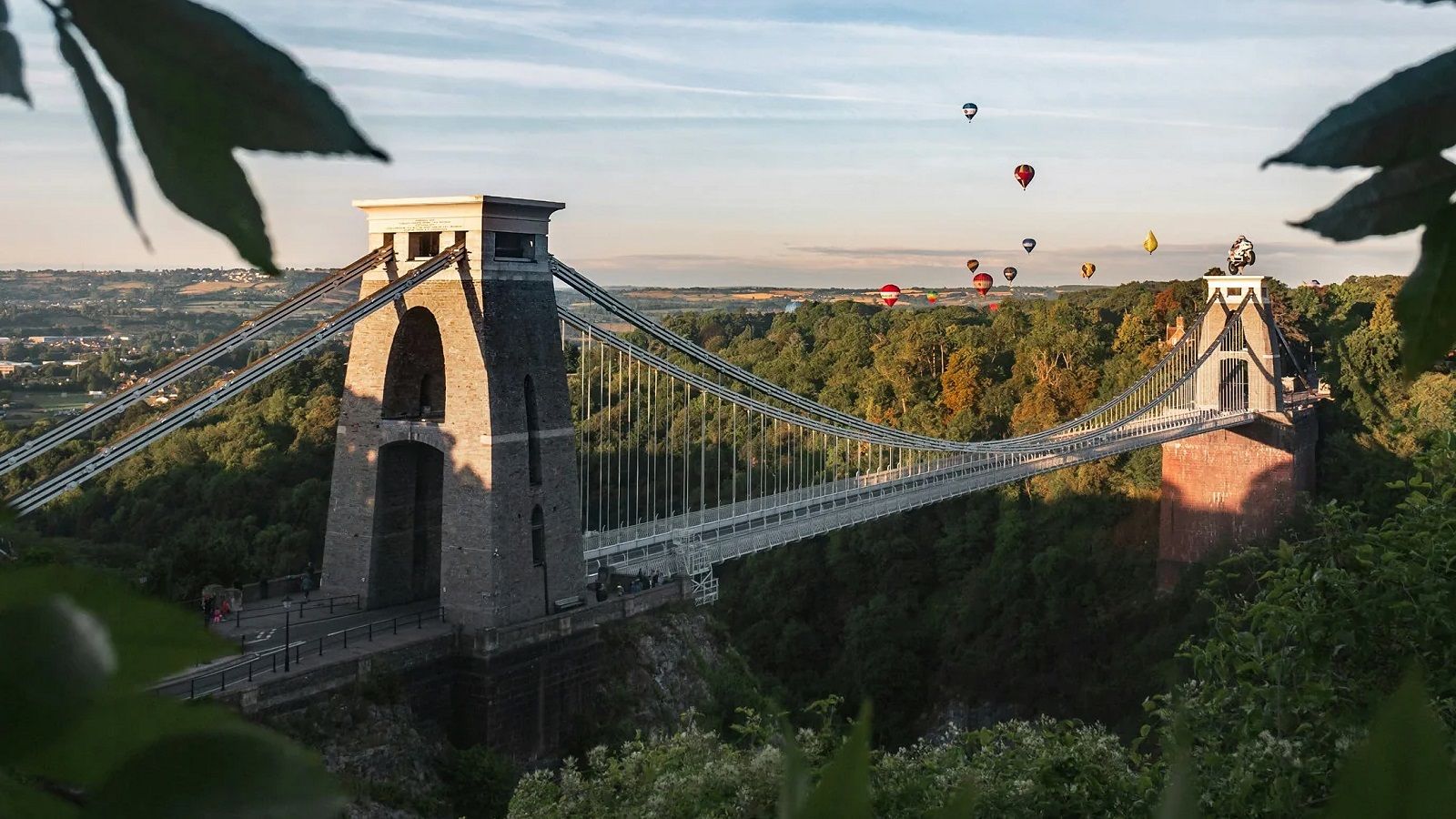
No visit to Bristol would be complete without seeing the Clifton Suspension Bridge. Spanning the spectacular Avon Gorge, this remarkable structure has become the defining image of the city and one of Britain's greatest engineering achievements. Elegant, instantly recognisable and surrounded by breathtaking scenery, the bridge attracts millions of visitors every year and remains the landmark most closely associated with Bristol.
The bridge was designed by the celebrated Victorian engineer Isambard Kingdom Brunel, whose work transformed transport throughout Britain during the Industrial Revolution. Construction began in 1831 after Brunel won a prestigious design competition while still in his twenties. Political unrest, financial difficulties and engineering challenges repeatedly delayed the project, and Brunel himself never saw it completed. Following his death in 1859, fellow engineers honoured his vision by finishing the bridge in 1864, creating the masterpiece visitors admire today.
Stretching approximately 214 metres (702 feet) across the Avon Gorge and standing around 75 metres above the River Avon, the bridge was considered an extraordinary feat of engineering for its time. Its graceful suspension chains and slender towers create a structure that appears almost effortless despite carrying thousands of vehicles, cyclists and pedestrians every day. More than 160 years after its completion, the bridge continues to serve both practical and symbolic roles, linking Clifton with Leigh Woods while representing Bristol's innovative spirit.
Walking across the bridge is one of the highlights of any visit to Bristol. From the centre of the span, visitors enjoy magnificent panoramic views of the Avon Gorge, the winding river below, Clifton Downs and the surrounding countryside. Every season offers a different perspective, from colourful autumn landscapes to clear summer evenings when the setting sun illuminates the limestone cliffs and the city skyline.
Several excellent viewpoints surround the bridge. Clifton Observatory provides one of the most famous panoramas, while the nearby paths across Clifton Downs offer countless opportunities for photography. On the opposite side of the gorge, Leigh Woods Nature Reserve presents equally impressive views from a quieter and more natural setting. Many photographers consider sunrise and sunset the best times to capture the bridge in its full beauty.
Although many visitors simply admire the bridge from its viewpoints, taking time to explore the surrounding area adds greatly to the experience. Clifton Village, located only a short walk away, offers elegant Georgian streets, independent shops, cafés and restaurants, making it an ideal place to continue your visit. The combination of remarkable engineering, dramatic natural scenery and historic architecture makes this part of Bristol one of the most enjoyable places to explore on foot.
Today the Clifton Suspension Bridge is much more than a means of crossing the Avon Gorge. It stands as a lasting tribute to Brunel's extraordinary vision and has become a powerful symbol of Bristol itself. Whether you are interested in engineering, photography, history or simply wish to experience one of Britain's most iconic landmarks, the Clifton Suspension Bridge deserves its place at the very top of every Bristol itinerary.
SS Great Britain
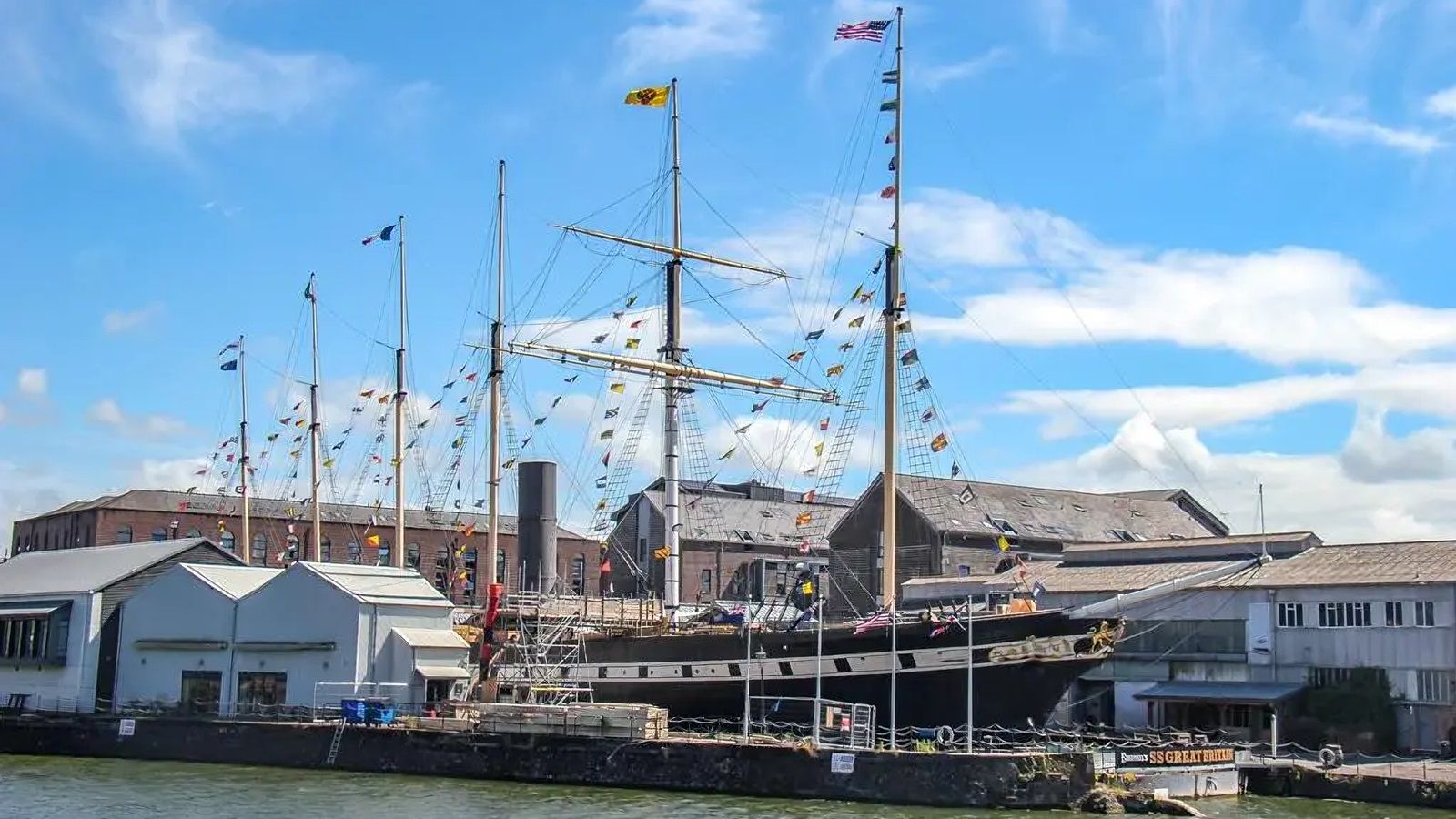
The SS Great Britain is one of Bristol's greatest treasures and one of the world's most important historic ships. Designed by the visionary engineer Isambard Kingdom Brunel, the vessel transformed nineteenth-century shipbuilding and marked a turning point in the history of global travel. Today it has been beautifully restored as an award-winning museum, allowing visitors to step aboard one of the most revolutionary ships ever built.
Launched in Bristol in 1843, the SS Great Britain was unlike anything the world had seen before. It became the first large ocean-going ship to combine an iron hull with a powerful screw propeller, replacing the traditional wooden construction and paddle wheels that had dominated maritime transport. These innovations dramatically improved speed, reliability and efficiency, influencing ship design for decades to come.
During its long working life, the ship crossed the Atlantic numerous times carrying passengers between Britain and North America before later transporting thousands of emigrants to Australia. For many families, the SS Great Britain represented the beginning of a completely new life on the other side of the world. After decades of service, the vessel was eventually abandoned in the remote Falkland Islands, where it remained for many years before an ambitious rescue project returned her to Bristol in 1970.
Today visitors can explore almost every part of the ship. Walking through the restored first-class dining saloon, elegant passenger cabins and crew quarters provides a fascinating insight into Victorian travel. Interactive displays, authentic furnishings and personal stories help bring the experience to life, allowing visitors to imagine what a journey across the Atlantic would have felt like nearly two centuries ago.
One of the museum's most remarkable features is the glass "sea" surrounding the dry dock beneath the ship. This innovative design creates the illusion that the vessel is floating while also protecting the historic iron hull from moisture and corrosion. Visitors can walk beneath the ship to appreciate the engineering that made Brunel's revolutionary design possible, an experience unavailable at almost any other maritime museum in the world.
The museum also offers exhibitions exploring Brunel's extraordinary career, the Industrial Revolution and the social history of Victorian Britain. Families will find plenty of interactive activities for children, while history enthusiasts can easily spend several hours discovering the ship's many stories. Seasonal events, guided tours and special exhibitions ensure that every visit offers something new.
Located on Bristol's historic harbourside, the SS Great Britain is surrounded by attractive waterfront walks, cafés and several other museums, making it easy to include in a full day of sightseeing. Combining world-class engineering, fascinating history and immersive exhibitions, it remains one of the finest museum experiences in the United Kingdom and is an essential stop for anyone wishing to understand Bristol's remarkable maritime heritage.
Bristol Cathedral
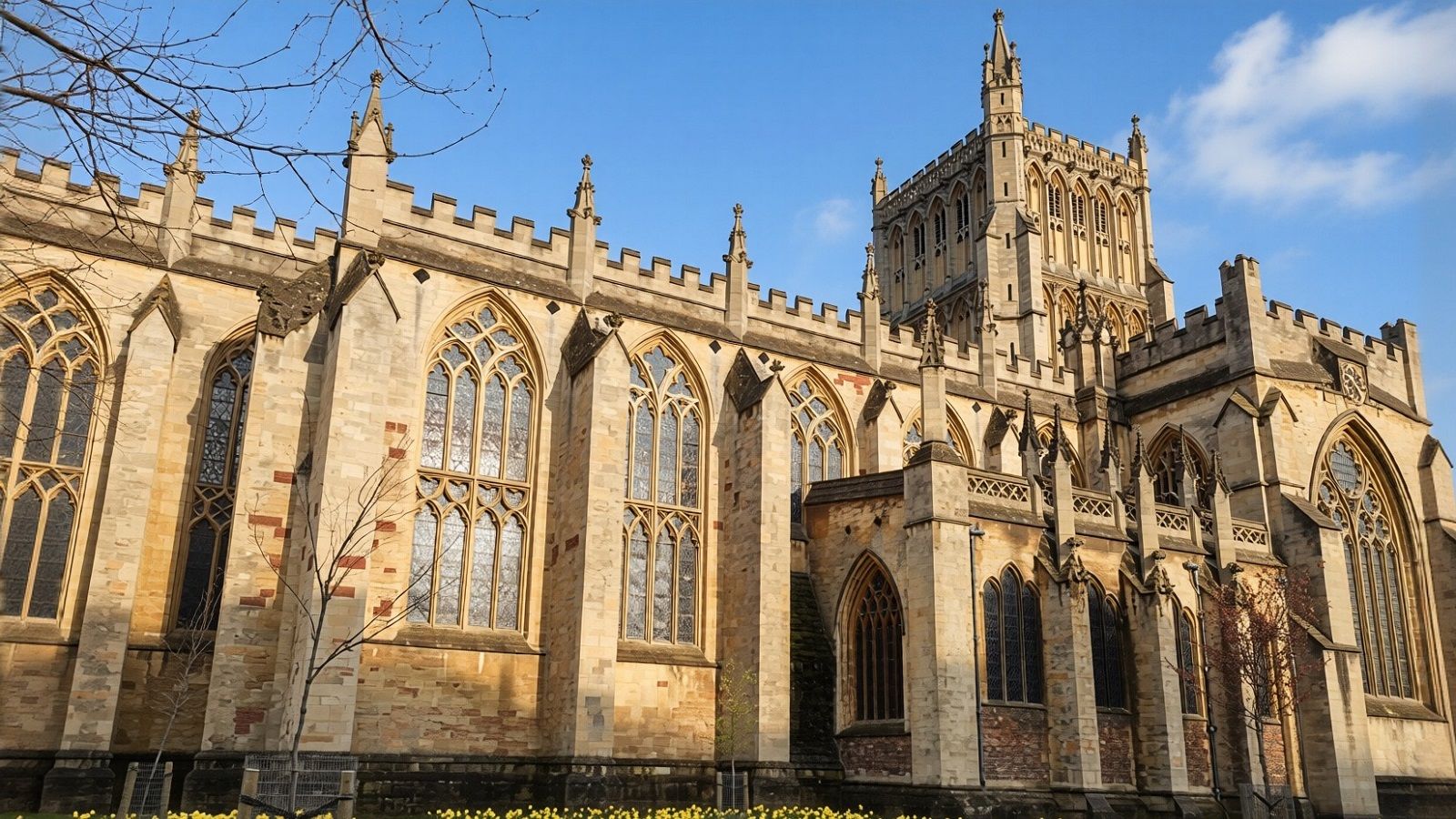
Standing peacefully beside College Green, Bristol Cathedral is one of the city's oldest and most inspiring landmarks. With a history stretching back almost nine centuries, it has witnessed the rise of medieval Bristol, the growth of the port, the Industrial Revolution and the transformation of the city into the vibrant cultural destination visitors enjoy today. Combining remarkable architecture with a tranquil atmosphere, the cathedral offers a welcome escape from the busy streets surrounding it.
The cathedral began life in 1140 as St Augustine's Abbey, founded by Robert Fitzharding, one of Bristol's wealthiest citizens. Following the Dissolution of the Monasteries under King Henry VIII, the abbey was preserved and officially became Bristol Cathedral in 1542. Unlike many historic religious buildings that were heavily rebuilt over the centuries, much of the cathedral's medieval character survives, giving visitors an authentic glimpse into England's rich ecclesiastical heritage.
Architecturally, Bristol Cathedral is widely admired for its elegant Gothic design and unusually spacious choir, regarded by many historians as one of the finest examples of medieval church architecture in Britain. Delicate stone vaulting, graceful arches and beautifully carved details demonstrate the exceptional craftsmanship of medieval builders. The impressive stained-glass windows fill the interior with colourful light, creating a peaceful setting that encourages visitors to slow down and appreciate the building's remarkable beauty.
Beyond its architecture, the cathedral continues to play an important role in Bristol's community. Regular services, concerts, exhibitions and public events take place throughout the year, welcoming people of every background. Even for visitors with little interest in religion, the building offers an opportunity to experience centuries of history in an atmosphere of quiet reflection and calm.
Outside, College Green provides one of the city's most attractive open spaces. During warmer months, students, office workers and tourists gather on the lawns while the cathedral creates a magnificent backdrop for photographs. The surrounding area also places visitors within easy walking distance of Bristol Museum & Art Gallery, City Hall, the Harbourside and several of the city's principal shopping streets, making the cathedral an excellent stop during any sightseeing itinerary.
Admission to the cathedral is free, although donations are warmly welcomed to help preserve this remarkable historic building. Visitors are encouraged to spend time exploring the various chapels, memorials and architectural details that reveal different chapters of Bristol's past. Guided tours are occasionally available for those wishing to learn more about the cathedral's history and its connection with the city.
Bristol Cathedral is far more than an impressive historic monument. It remains a living part of the city's identity, bringing together history, architecture, music and community life in one extraordinary location. Whether you come to admire its Gothic craftsmanship, enjoy a moment of peace or simply appreciate one of Bristol's finest landmarks, the cathedral remains an essential stop on any visit to the city.
Cabot Tower
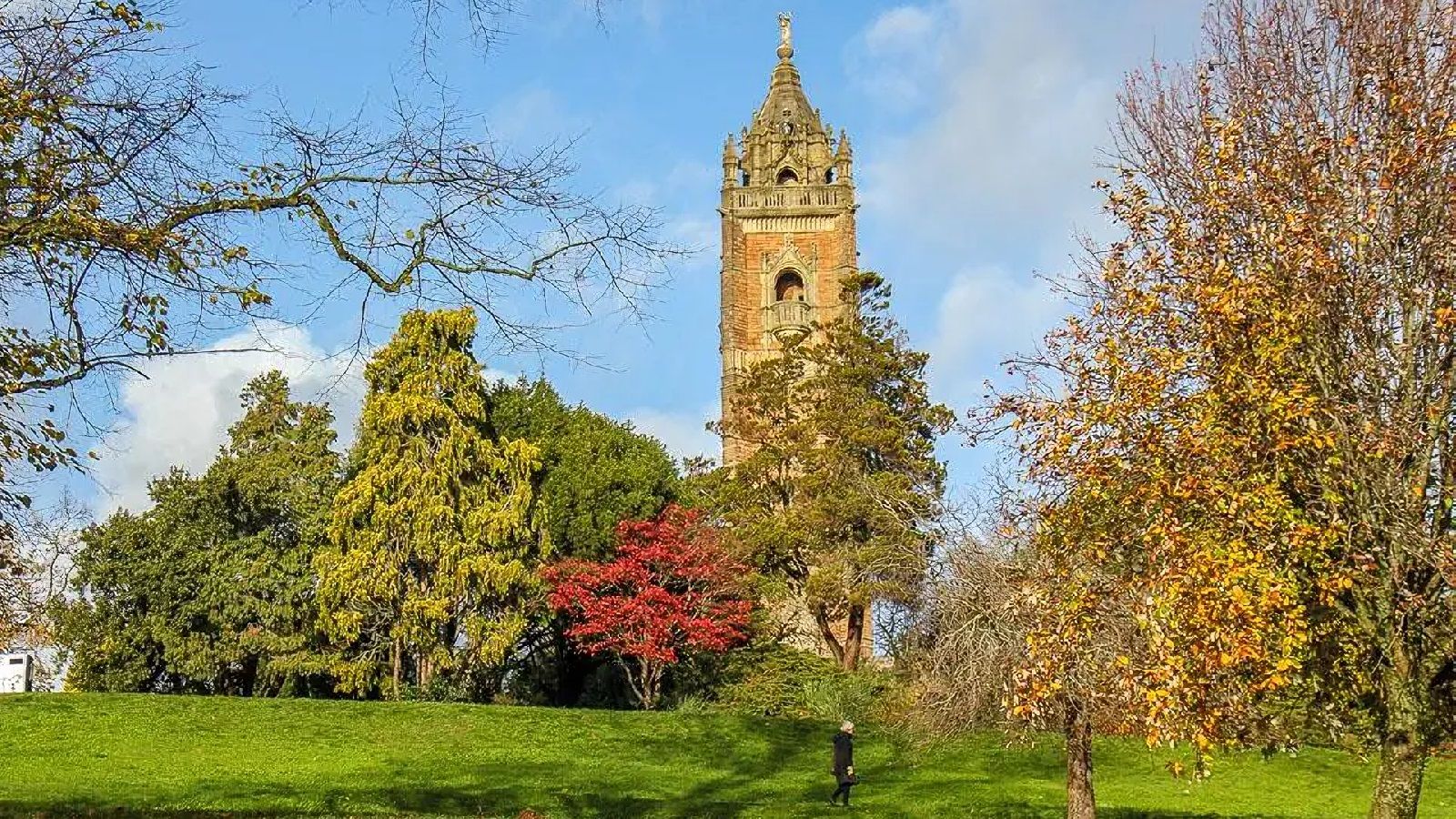
Rising above the trees of Brandon Hill, Cabot Tower is one of Bristol's most rewarding viewpoints and a favourite destination for both visitors and local residents. Standing proudly on the city's oldest public park, the tower combines impressive Victorian architecture with spectacular panoramic views, making it one of the best places to appreciate Bristol's unique landscape.
The tower was completed in 1897 to commemorate the four hundredth anniversary of John Cabot's historic voyage from Bristol to North America in 1497. Cabot's expedition is regarded as one of the most important voyages of exploration in British history, and Bristol proudly celebrates its connection with the famous Italian navigator. Built from warm red sandstone and pale Bath stone, the elegant 32-metre tower quickly became one of the city's most recognisable landmarks.
Visitors willing to climb the narrow spiral staircase are rewarded with one of the finest views in the South West of England. From the viewing platform, the city unfolds in every direction. The towers of Bristol Cathedral, the modern skyline of the city centre, the Floating Harbour, the Clifton Suspension Bridge and even the rolling hills beyond the city can all be seen on a clear day. It is an excellent place to understand how Bristol developed around its rivers, harbour and surrounding hills.
Brandon Hill itself is well worth exploring before or after climbing the tower. Opened as a public park in the eighteenth century, it features attractive walking paths, mature trees, colourful flower beds and peaceful picnic areas. The park provides a welcome break from the busy shopping streets nearby and is especially popular during spring and summer when the gardens are in full bloom.
Photographers often visit Cabot Tower early in the morning or during the final hours of daylight, when soft light transforms the city below. Sunset is particularly beautiful, with warm colours reflecting across the rooftops and harbour while the Clifton Suspension Bridge becomes visible in the distance. The tower remains one of Bristol's favourite locations for capturing memorable photographs.
Admission to the tower is free, although visitors should be aware that the staircase is narrow and can become busy during weekends and holidays. Comfortable footwear is recommended for exploring Brandon Hill, and many visitors combine their trip with nearby attractions such as Bristol Cathedral, the Museum & Art Gallery or the Harbourside, all within easy walking distance.
Whether you are interested in history, architecture, photography or simply searching for the finest viewpoint in Bristol, Cabot Tower offers an unforgettable experience. Its combination of historical significance, peaceful surroundings and breathtaking scenery makes it one of the city's true highlights and a destination that deserves a place on every visitor's itinerary.
St Nicholas Market
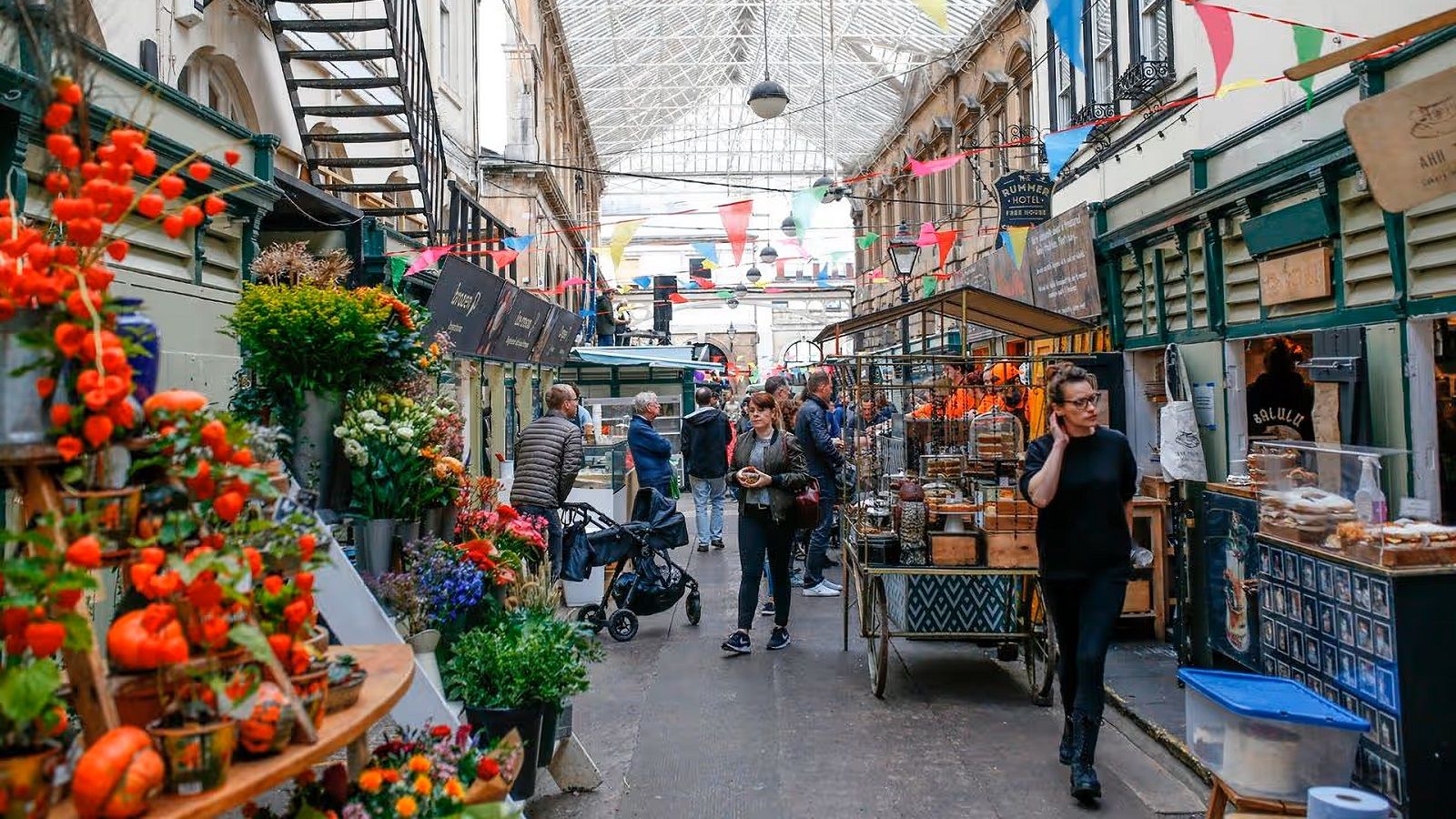
Few places capture the character of Bristol quite like St Nicholas Market. Tucked away in the heart of the Old City, this historic covered market has been welcoming traders and shoppers since 1743. Today it remains one of the city's most popular destinations, bringing together independent retailers, artisan food stalls, local crafts and a lively atmosphere that reflects Bristol's creative spirit.
The market occupies a fascinating collection of historic buildings connected by narrow passageways, glass arcades and charming courtyards. Walking through its corridors feels like stepping back in time, yet every corner offers something new to discover. Small family-run businesses stand alongside contemporary designers and talented local artists, creating a shopping experience that feels unique rather than commercial.
Food is one of the market's greatest attractions. Visitors can sample dishes from around the world, including traditional British favourites, freshly baked pastries, Mediterranean cuisine, Asian street food and vegetarian specialities. Lunchtime is particularly vibrant, as office workers, students and tourists gather to enjoy freshly prepared meals in one of Bristol's liveliest meeting places.
Beyond its food and shopping, St Nicholas Market offers a glimpse into Bristol's long commercial history. For centuries the surrounding streets formed the economic heart of the city, where merchants traded goods arriving through Bristol's busy port. Many of the neighbouring buildings still preserve their historic façades, giving the area an authentic atmosphere that cannot easily be recreated elsewhere.
The market is also an excellent place to purchase handmade gifts, antiques, vintage clothing, books, jewellery and locally produced souvenirs. Unlike many modern shopping centres, every visit feels slightly different as traders regularly introduce new products and seasonal displays. This ever-changing mix encourages visitors to return again and again.
Located only a short walk from Bristol Bridge, Corn Street and Castle Park, St Nicholas Market is perfectly positioned within most sightseeing routes through the city centre. Many visitors stop here for lunch before continuing towards the Harbourside or exploring the surrounding historic streets of the Old City.
More than simply a place to shop, St Nicholas Market represents the everyday life and independent character that make Bristol so distinctive. Its combination of history, architecture, outstanding food and welcoming atmosphere ensures it remains one of the city's most enjoyable destinations for visitors of every age.
Clifton Observatory
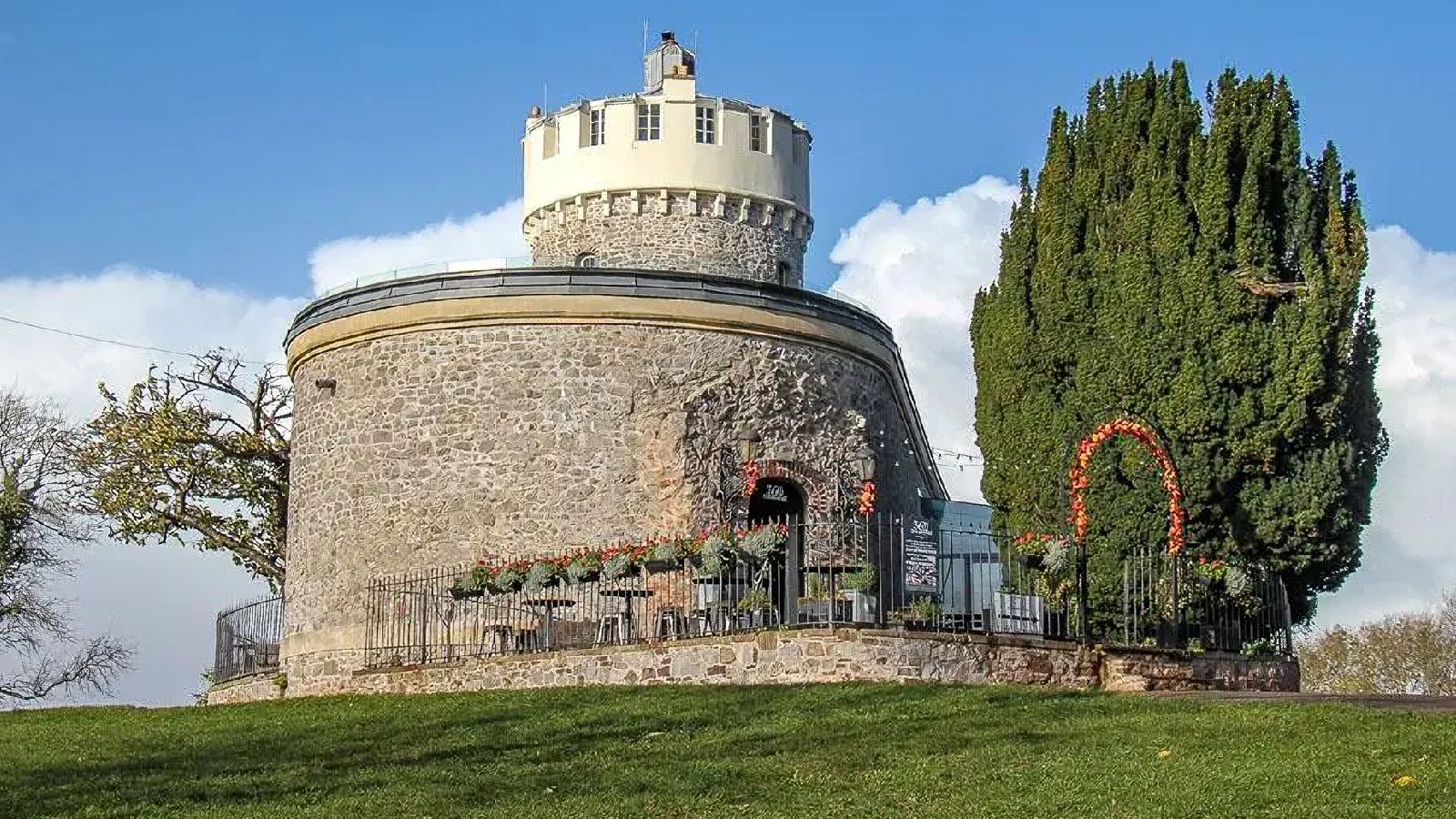
Perched dramatically on the edge of the Avon Gorge, Clifton Observatory offers one of the finest viewpoints in Bristol. Overlooking the famous Clifton Suspension Bridge and the wooded cliffs below, this historic landmark combines breathtaking scenery, fascinating history and a unique underground attraction, making it an essential stop for anyone exploring the Clifton area.
The building dates back to 1766, when it was originally constructed as a windmill serving the surrounding community. During the nineteenth century it was transformed into an observatory and quickly became a fashionable destination for Victorian visitors eager to admire the spectacular landscape. Today the beautifully restored building continues that tradition, welcoming thousands of visitors every year.
Inside the observatory, visitors can discover the famous Camera Obscura, an ingenious optical device that projects a live panoramic image of the surrounding landscape onto a viewing table. Invented long before modern photography, this remarkable piece of Victorian technology still fascinates visitors by providing a constantly changing view of Bristol and the Avon Gorge using nothing more than mirrors and natural light.
One of the observatory's greatest attractions lies beneath the building. A narrow tunnel carved through the rock leads to Giant's Cave, a natural cave opening onto a dramatic viewing balcony suspended high above the Avon Gorge. From this extraordinary platform, visitors enjoy an unforgettable perspective of the Clifton Suspension Bridge, the river below and the steep limestone cliffs that define one of Bristol's most spectacular landscapes.
The surrounding Clifton Downs provide excellent walking routes and numerous scenic viewpoints, making the observatory an ideal starting point for exploring the area. Many visitors combine their visit with a walk across the Clifton Suspension Bridge, creating one of the most enjoyable half-day excursions in Bristol. The nearby cafés, restaurants and independent shops of Clifton Village offer plenty of opportunities to relax after sightseeing.
Photographers especially appreciate the observatory for its exceptional views throughout the day. Early mornings often bring peaceful light across the gorge, while evenings transform the bridge into one of the city's most photogenic landmarks. Autumn colours and mist rising from the valley create particularly memorable scenes for landscape photography.
Clifton Observatory perfectly combines history, science, engineering and natural beauty in a single destination. Whether you come to experience the remarkable Camera Obscura, descend into Giant's Cave or simply admire one of Britain's most iconic views, the observatory offers an experience that captures the timeless charm of Bristol.
M Shed
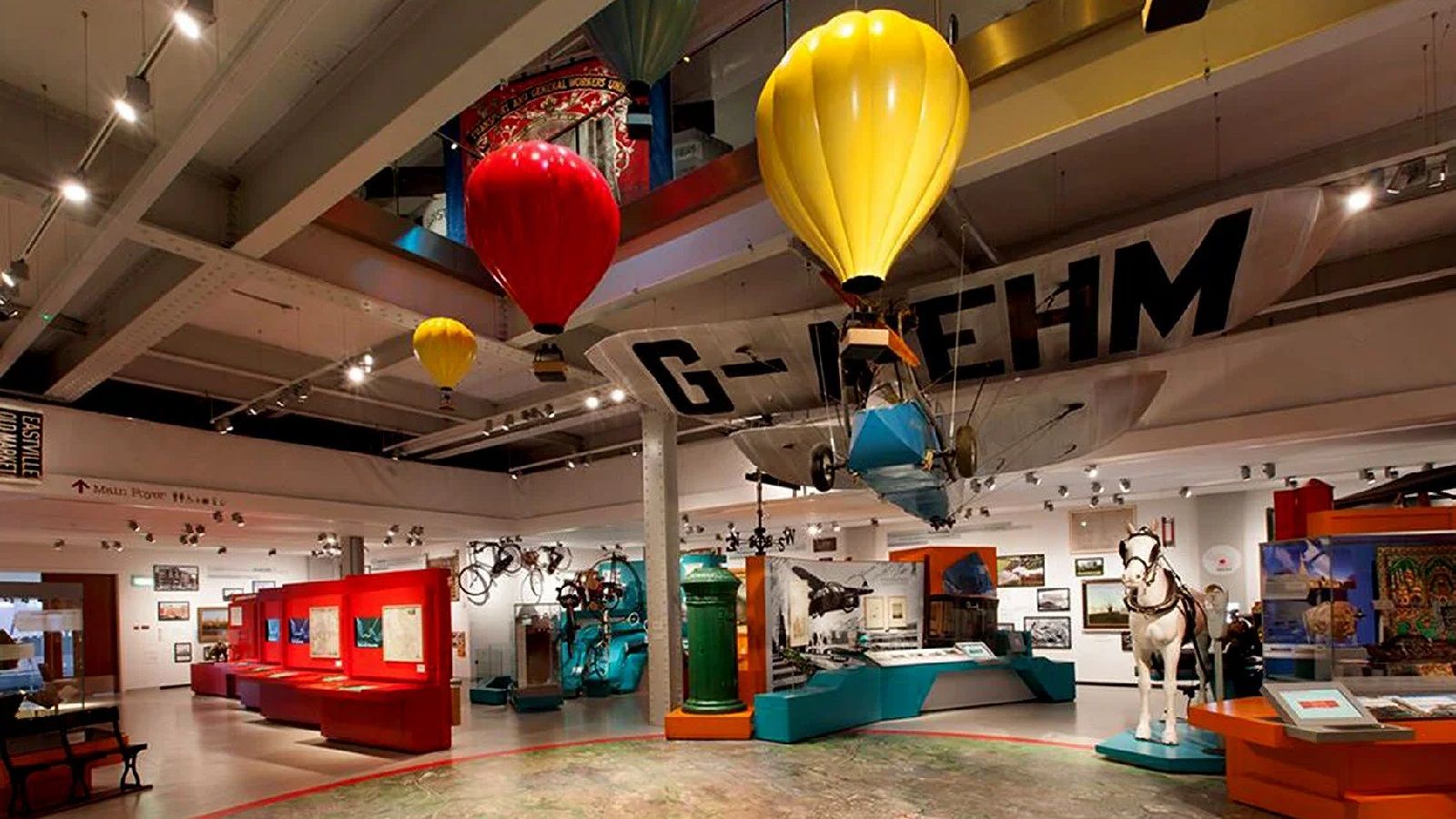
If you want to understand what has shaped Bristol over the centuries, there is no better place to begin than M Shed. Located on the city's historic Floating Harbour, this award-winning museum tells the story of Bristol through the people who have lived, worked and transformed it. Rather than focusing on a single subject, M Shed explores every aspect of the city's development, from its maritime heritage and industrial achievements to its music, art and everyday life.
Opened in 2011 inside a former dockside transit shed, the museum occupies a building that once played an important role in Bristol's busy commercial harbour. The careful restoration of the warehouse preserves its industrial character while creating bright, modern exhibition spaces filled with interactive displays, historic objects and multimedia presentations. The result is a museum that feels both contemporary and deeply connected to the city's past.
The permanent galleries guide visitors through thousands of years of Bristol's history. Exhibitions explore the growth of the medieval port, the city's role during the Industrial Revolution, the expansion of international trade and the social changes that shaped modern Bristol. Difficult chapters of history, including the transatlantic slave trade, are presented thoughtfully and honestly, helping visitors gain a balanced understanding of the city's complex past.
One of the museum's greatest strengths is its emphasis on ordinary people. Personal stories, photographs, recorded memories and everyday objects reveal how generations of Bristolians lived, worked and adapted to changing times. This human perspective gives the exhibitions warmth and authenticity, making history feel accessible rather than distant.
Outside the museum, visitors can explore a fascinating collection of historic harbour cranes, railway locomotives and working dockside machinery that once kept Bristol's port operating. From the upper terrace, excellent views stretch across the Floating Harbour, where historic vessels and modern waterfront developments stand side by side, perfectly illustrating the city's ability to preserve its heritage while embracing the future.
Admission to M Shed is free, making it one of Bristol's best-value attractions. Temporary exhibitions, family activities, guided walks and community events are held throughout the year, ensuring that every visit offers something different. Many visitors combine the museum with nearby attractions such as the SS Great Britain, Millennium Square and Bristol Harbour Ferry, all within a comfortable walking distance.
M Shed is much more than a museum. It is the place where Bristol tells its own story, celebrating its achievements while acknowledging the challenges that have shaped the city. Informative, engaging and thoughtfully presented, it offers one of the most rewarding experiences for anyone wishing to understand the true character of Bristol.
Millennium Square

Millennium Square is one of Bristol's most vibrant public spaces and serves as the modern heart of the city's Harbourside district. Surrounded by museums, cafés, restaurants and cultural venues, the square has become a favourite meeting place for both local residents and visitors. Whether you are beginning a day of sightseeing, taking a break by the waterfront or attending one of the many public events held throughout the year, Millennium Square offers a lively introduction to contemporary Bristol.
The square was created as part of the extensive regeneration of Bristol's historic docks at the end of the twentieth century. Once dominated by warehouses and industrial activity, the Harbourside has been transformed into one of the city's most attractive neighbourhoods, combining historic maritime buildings with striking modern architecture. Millennium Square became a symbol of this renewal, demonstrating how Bristol successfully blended its rich heritage with ambitious urban development.
At the centre of the square are large reflective water features that have become especially popular during the warmer months. Children often play among the fountains while visitors relax on nearby benches enjoying views across the surrounding buildings. The open layout creates a welcoming atmosphere, making the square an ideal place to pause between visits to nearby attractions.
Several of Bristol's leading attractions are located within just a few minutes' walk. We The Curious science centre, M Shed, the SS Great Britain, Bristol Aquarium and the historic Floating Harbour are all close by, making Millennium Square a convenient starting point for exploring the entire waterfront district. Excellent pedestrian routes connect the area with the city centre, Queen Square and the Old City.
Throughout the year the square hosts outdoor exhibitions, seasonal celebrations, food festivals, concerts and community events that attract thousands of visitors. During summer the surrounding cafés and restaurants extend their outdoor seating, creating a lively atmosphere that continues well into the evening. The combination of cultural attractions and open public space makes Millennium Square one of the busiest locations in central Bristol.
Photographers appreciate the area for its interesting contrasts. Historic harbour cranes, restored warehouses and Brunel's famous SS Great Britain stand alongside modern buildings of glass and steel, reflecting Bristol's continuing evolution. Early evening is particularly beautiful when lights from the surrounding waterfront begin to illuminate the square and create reflections across the water features.
Millennium Square perfectly represents the Bristol of today. It is a place where history, culture, leisure and everyday city life come together in one welcoming public space. Whether you visit for a few minutes or spend an entire afternoon exploring the surrounding attractions, the square offers an excellent opportunity to experience the modern character of this remarkable city.
Queen Square
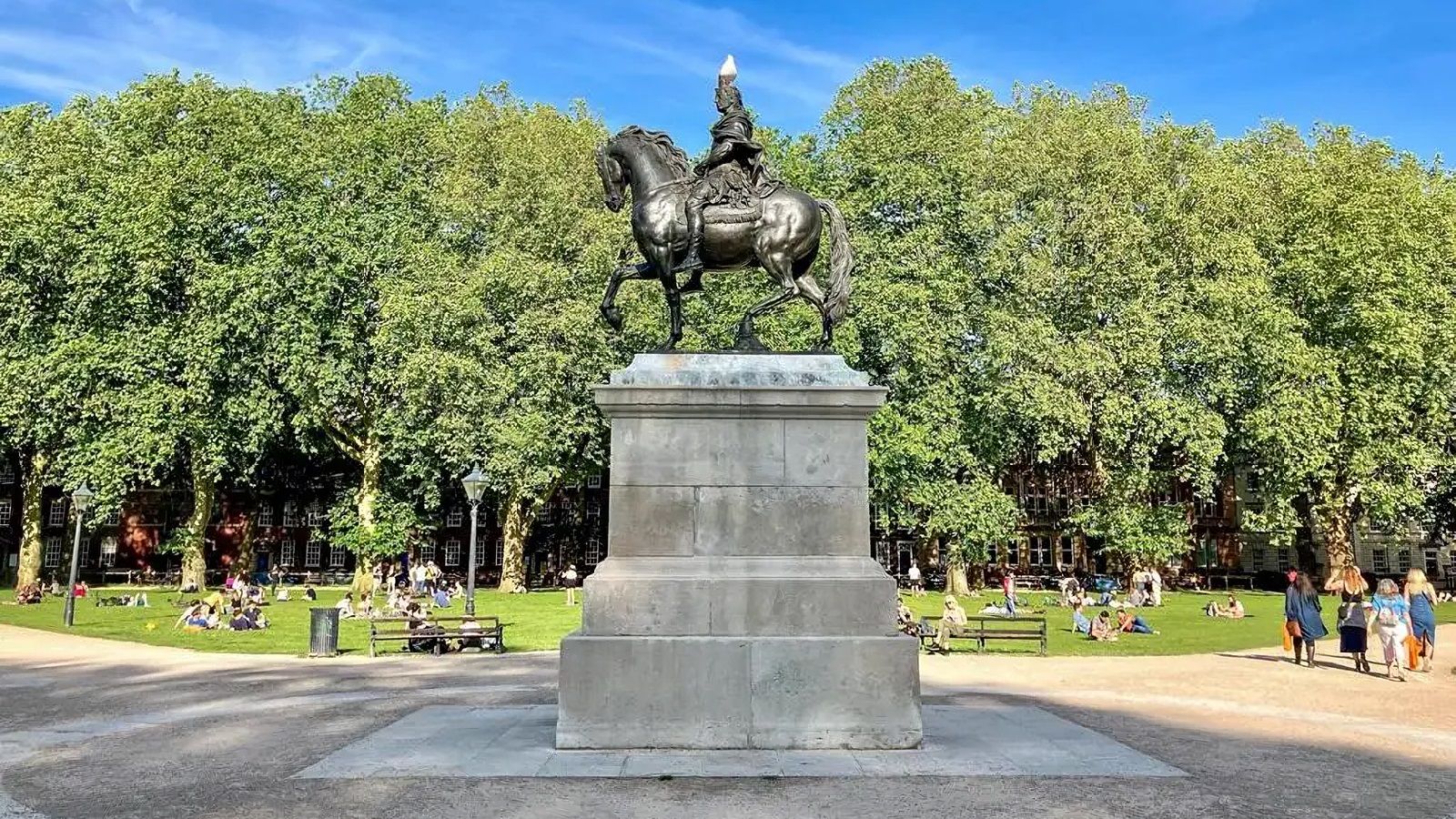
Queen Square is one of Bristol's most elegant public spaces and an outstanding example of Georgian town planning. Located between the historic Old City and the Floating Harbour, the square has served as a place for commerce, leisure and public gatherings for more than three centuries. Its wide lawns, magnificent trees and beautifully preserved eighteenth-century buildings create a peaceful setting just a few minutes from the city's busiest streets.
The square was laid out in 1702 and named in honour of Queen Anne. At the time, it represented one of Bristol's most prestigious residential addresses, attracting wealthy merchants whose fortunes were built through the city's expanding international trade. Grand townhouses surrounded the open gardens, reflecting Bristol's growing importance as one of Britain's leading ports during the Georgian period.
Although Queen Square has witnessed dramatic moments throughout its history, including serious damage during the Bristol Riots of 1831 and bombing raids during the Second World War, careful restoration has preserved its original character. Today it remains one of the finest surviving Georgian squares in the country and offers visitors an opportunity to experience an important chapter of Bristol's architectural heritage.
At the centre of the square stands an impressive statue of King William III, erected in 1736. Surrounding pathways, mature trees and carefully maintained gardens create a relaxing atmosphere that contrasts with the lively business district nearby. Office workers enjoy lunch on the lawns, families gather during weekends and visitors often pause here while exploring the city on foot.
Queen Square also serves as a venue for public events, charity runs, outdoor performances and cultural festivals throughout the year. Its spacious layout makes it one of Bristol's most versatile open spaces, while its central location places visitors within easy walking distance of Millennium Square, St Nicholas Market, Bristol Bridge and the Harbourside.
The square is particularly attractive during spring and summer, when colourful flower displays and mature trees transform the gardens into one of the city's most pleasant places to relax. Early morning and late afternoon provide especially beautiful lighting for photography, highlighting the elegant Georgian façades that surround the park.
More than simply a historic garden, Queen Square reflects Bristol's evolution from a prosperous trading port to the vibrant modern city it is today. Combining history, architecture and green open space, it remains one of the city's most graceful landmarks and an essential stop for anyone wishing to appreciate Bristol beyond its most famous attractions.
Redcliffe Caves

Hidden beneath the streets of Redcliffe lies one of Bristol's most unusual and least expected attractions. The Redcliffe Caves form an extensive network of man-made underground chambers carved into the city's distinctive red sandstone. Although they often surprise first-time visitors, these remarkable caves played an important role in Bristol's commercial development for hundreds of years and remain one of the city's most fascinating historic sites.
The caves were not created by nature but were excavated by generations of quarry workers, probably from the medieval period onwards. The soft sandstone found beneath Redcliffe was highly valued as a building material and was used in the construction of churches, houses and warehouses throughout Bristol. As stone was removed over the centuries, an extraordinary labyrinth of tunnels and chambers gradually emerged beneath the city.
During different periods of Bristol's history, the caves found a variety of uses beyond quarrying. They served as storage areas for goods arriving through the nearby docks, provided workshops for local businesses and even offered air-raid shelters during the Second World War. Their constant temperature and sheltered environment made them suitable for many practical purposes long after quarrying had ended.
Walking through the caves today offers a completely different perspective on Bristol. Massive sandstone walls, echoing passageways and impressive vaulted chambers reveal a hidden world that most people never realise exists beneath the modern city. Guided tours explain the engineering involved in creating the caves while sharing stories about the merchants, workers and families whose lives were connected with this underground network.
The caves are normally accessible only during organised tours or special heritage events, making a visit feel even more exclusive. Knowledgeable guides provide fascinating insight into Bristol's geology, medieval industry and maritime trade, helping visitors understand how these underground spaces contributed to the city's economic success over many centuries.
Located just a short walk from St Mary Redcliffe Church, Bristol Temple Meads railway station and the Floating Harbour, the caves are easy to include within a wider sightseeing itinerary. Their unusual atmosphere provides an interesting contrast to the city's grand cathedrals, open parks and busy waterfront, adding another dimension to any exploration of Bristol.
Redcliffe Caves demonstrate that some of Bristol's greatest stories are hidden beneath the surface. Rich in history, mystery and industrial heritage, they offer an unforgettable experience for visitors looking to discover a side of the city that few people expect to find.
St Mary Redcliffe Church
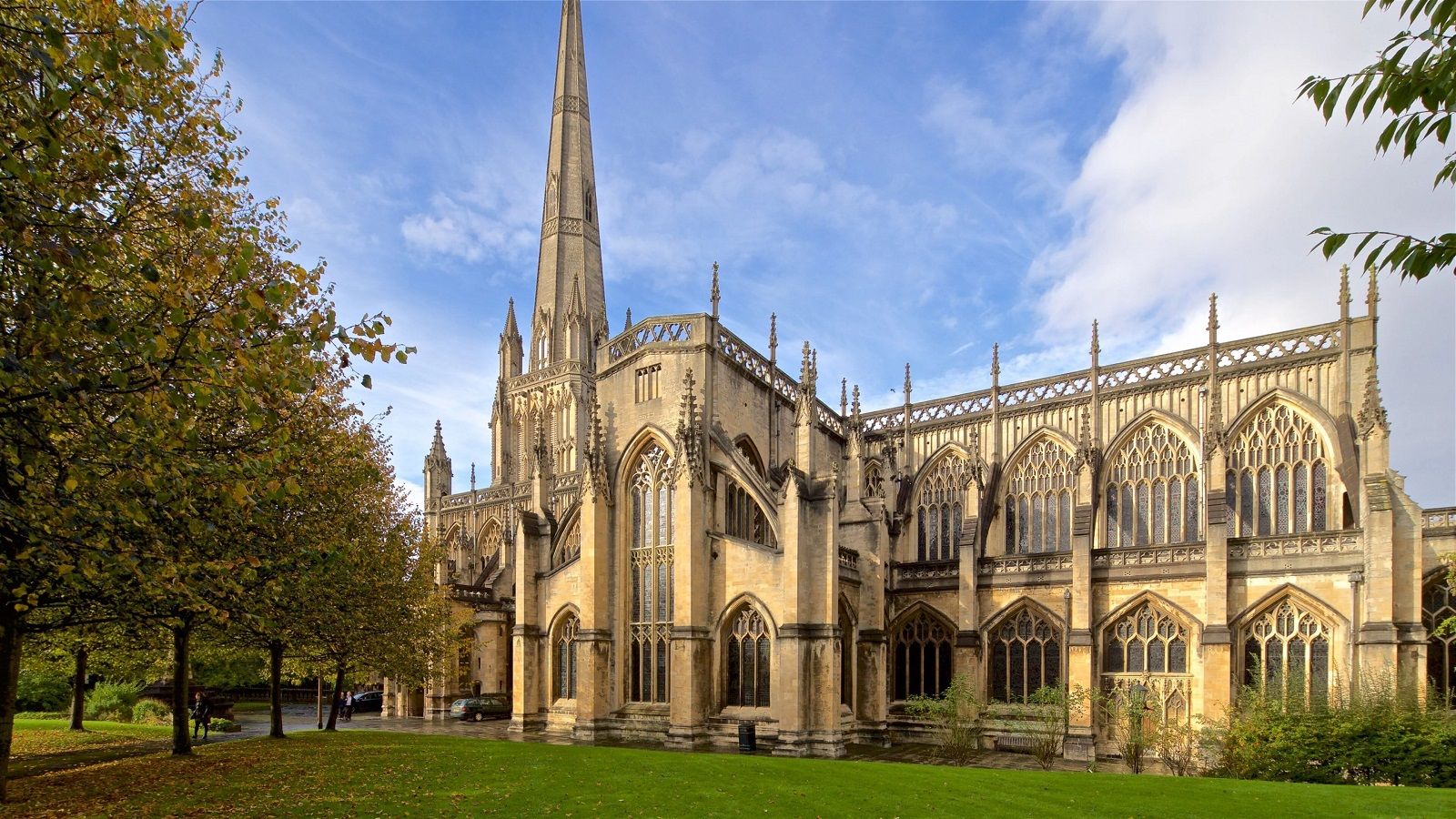
Often described as one of the finest Gothic churches in England, St Mary Redcliffe has dominated Bristol's skyline for more than eight centuries. Its soaring spire, magnificent stonework and richly decorated interior have inspired visitors from around the world, including Queen Elizabeth I, who is said to have called it "the fairest, goodliest and most famous parish church in England." Whether admired from a distance or explored in detail, the church is one of Bristol's true architectural masterpieces.
Construction of the present church began during the twelfth century and continued over several hundred years, resulting in an impressive blend of architectural styles within the English Gothic tradition. Wealth generated by Bristol's thriving medieval port helped finance the ambitious project, allowing local craftsmen to create one of the country's most remarkable parish churches. The elegant tower and graceful spire remain prominent landmarks visible from many parts of the city.
Stepping inside reveals an interior filled with intricate craftsmanship. Delicate vaulted ceilings, slender stone columns, beautifully carved monuments and colourful stained-glass windows create a peaceful atmosphere that invites visitors to pause and appreciate the remarkable skill of the medieval builders. Every corner of the church reflects centuries of artistic and religious history.
St Mary Redcliffe also has strong connections with Bristol's maritime past. For generations, sailors, merchants and explorers worshipped here before departing on long voyages across the Atlantic. Among the church's many historical associations is its connection with the famous poet Thomas Chatterton, whose writings and tragic life have become part of Bristol's literary heritage.
Throughout the year the church continues to serve as an active place of worship while also hosting concerts, exhibitions and community events. Its outstanding acoustics make it one of Bristol's favourite venues for choral performances and classical music, allowing visitors to experience the building in a unique and memorable way.
Located close to Temple Meads railway station, the Floating Harbour and Redcliffe Caves, the church is easily included in any walking tour of central Bristol. Many visitors combine these nearby attractions into a fascinating route that explores the city's medieval, maritime and industrial heritage within just a few hours.
St Mary Redcliffe Church is far more than an impressive historic building. It represents centuries of faith, craftsmanship and civic pride, standing today as one of Bristol's greatest architectural treasures. Whether you visit to admire its Gothic beauty, discover its history or simply enjoy a moment of quiet reflection, it is an unforgettable highlight of any trip to the city.
Bristol Harbour Ferry
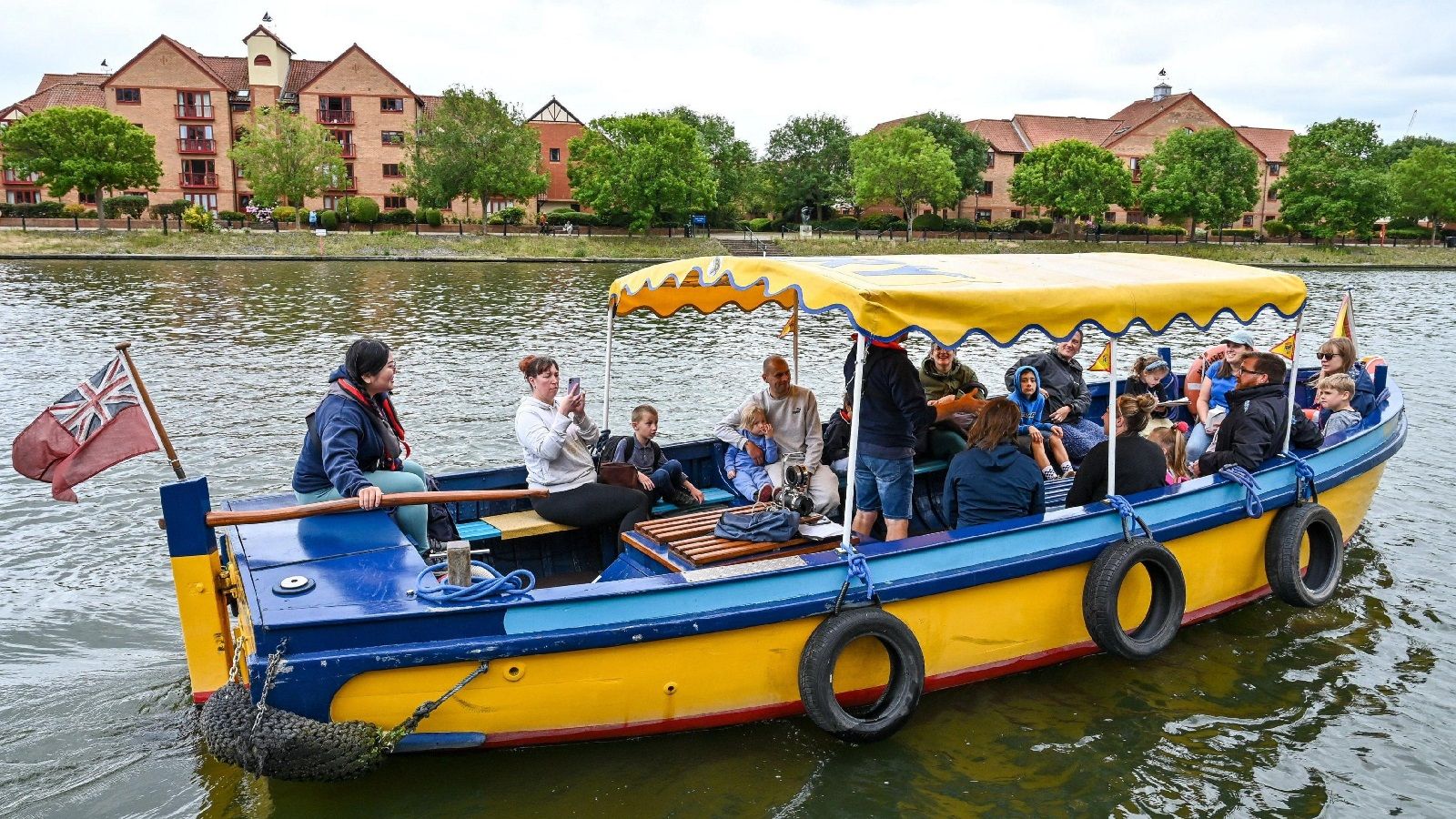
One of the most relaxing and enjoyable ways to experience Bristol is from the water. The Bristol Harbour Ferry offers visitors the opportunity to explore the city's historic Floating Harbour from a completely different perspective, revealing famous landmarks, restored docklands and modern waterfront developments that are often missed when exploring on foot. Whether you use the ferry as convenient transport or simply enjoy a sightseeing cruise, it provides one of the most memorable experiences in the city.
Bristol's harbour has been at the heart of the city's history for centuries. Once crowded with merchant ships carrying goods from around the world, the docks played a vital role in Bristol's growth as one of Britain's leading ports. Today the harbour has been transformed into a lively destination filled with museums, cafés, restaurants, public art and waterside promenades, while still preserving many reminders of its rich maritime heritage.
The ferry connects several of Bristol's most popular attractions, including the SS Great Britain, M Shed, Millennium Square and a number of historic quays and marinas. Travelling between these locations by boat is not only convenient but also allows visitors to appreciate the city's impressive waterfront architecture and historic dockside buildings from a unique angle.
During the journey, passengers enjoy constantly changing views of colourful houseboats, converted warehouses, modern apartments and historic cranes that once loaded cargo from ships arriving in Bristol. The peaceful pace of the ferry provides plenty of opportunities for photography while offering a welcome break from the busy streets of the city centre.
Throughout the year the harbour hosts festivals, sailing events, food markets and cultural celebrations that add even more life to the waterfront. During the summer months, outdoor cafés and terraces become especially popular, creating a vibrant atmosphere that reflects Bristol's friendly and creative character. Evening cruises are particularly enjoyable as lights begin to illuminate the harbour and the city takes on a completely different appearance.
The ferry is suitable for visitors of all ages and offers an excellent way to explore the city without long walks between attractions. Families, photographers and first-time visitors especially appreciate the relaxed journey and the opportunity to see Bristol from a perspective that has shaped its history for hundreds of years.
A visit to Bristol would not be complete without spending time on its historic harbour. The Bristol Harbour Ferry brings together the city's maritime heritage, modern waterfront and welcoming atmosphere in one unforgettable experience, providing the perfect conclusion to any day spent discovering the many attractions that make Bristol one of Britain's most fascinating cities.
