Getting Around Bristol
Exploring Bristol is both easy and enjoyable thanks to the city's compact layout and well-connected transport network. Whether you prefer walking through historic streets, travelling by bus, cycling along dedicated paths or taking a ferry across the Floating Harbour, Bristol offers a variety of convenient ways to discover its many attractions. Most of the city centre can be explored on foot, while reliable public transport makes it simple to reach destinations further afield, including Clifton, Ashton Court and Bristol Airport.
This guide introduces the main ways of getting around Bristol and explains what visitors can expect when using each form of transport. From modern MetroBus services and local railway connections to taxis, cycling routes and the famous Harbour Ferry, every option has its own advantages depending on your itinerary and the time available. Whether you are visiting for a single day or planning a longer stay, understanding how Bristol's transport system works will help you make the most of your time in the city.
The sections below provide an overview of each transport option together with practical information to help you choose the best way to travel. If you would like more detailed advice, each topic will eventually include a dedicated guide covering routes, tickets, costs and useful travel tips in greater depth.

Walking Around Bristol
Walking is by far the best way to experience Bristol. The city has a compact centre where many of the most famous attractions are located within comfortable walking distance of one another. Historic streets, attractive waterfront paths, lively public squares and numerous green spaces make exploring on foot both practical and enjoyable. For first-time visitors, walking also provides the opportunity to discover independent shops, cafés, street art and historic buildings that are often overlooked when travelling by bus or car.
Most visitors begin their exploration in the city centre, where landmarks such as Bristol Cathedral, St Nicholas Market, Queen Square, Millennium Square and the Floating Harbour are all connected by well-maintained pedestrian routes. The journey between these attractions usually takes only a few minutes, allowing visitors to explore at a relaxed pace while enjoying the city's distinctive architecture and vibrant atmosphere. Many streets in the central shopping district are either pedestrianised or have wide pavements, making walking both comfortable and safe.
One of Bristol's greatest advantages is the variety of walking environments it offers. Within a single day you can stroll through medieval streets in the Old City, follow the lively waterfront around the Floating Harbour, climb the peaceful paths of Brandon Hill to Cabot Tower and continue towards the elegant Georgian neighbourhood of Clifton. Each area has its own character, giving every walk a different atmosphere and making the city rewarding to explore without following a strict itinerary.
Visitors who enjoy longer walks will find numerous scenic routes beyond the city centre. The Avon Gorge offers spectacular views of the Clifton Suspension Bridge, while the Harbourside provides several kilometres of level waterside paths lined with museums, cafés and historic dock buildings. Parks such as Castle Park, Brandon Hill and Ashton Court Estate offer pleasant green spaces where visitors can take a break from the busy streets while continuing their exploration on foot.
Bristol is also well known for its public art. Walking through districts such as Stokes Croft, Bedminster and parts of the city centre allows visitors to discover colourful murals and street art created by both local and international artists. The city is closely associated with Banksy, and although many of his works are protected or have changed over time, walking remains the best way to encounter Bristol's creative culture in its natural setting.
While Bristol is generally easy to explore on foot, visitors should remember that parts of the city are built on steep hills. Areas such as Clifton, Park Street and Brandon Hill require moderate uphill walking, particularly when travelling between the harbour and the higher neighbourhoods. Comfortable footwear is strongly recommended, especially for visitors planning a full day of sightseeing. Fortunately, the climbs are usually rewarded with some of the finest panoramic views in the city.
Walking also allows visitors to appreciate details that are easily missed when using public transport. Hidden courtyards, historic churches, independent bookshops, traditional pubs and quiet residential streets all contribute to Bristol's unique character. Many visitors discover their favourite places simply by wandering beyond the main tourist routes and following interesting streets or waterfront paths.
Whether you are visiting Bristol for a few hours or several days, walking remains the most rewarding way to experience the city. It offers complete flexibility, costs nothing and provides the freedom to explore Bristol's rich history, impressive architecture and vibrant neighbourhoods at your own pace.
Read the complete guide to walking around Bristol →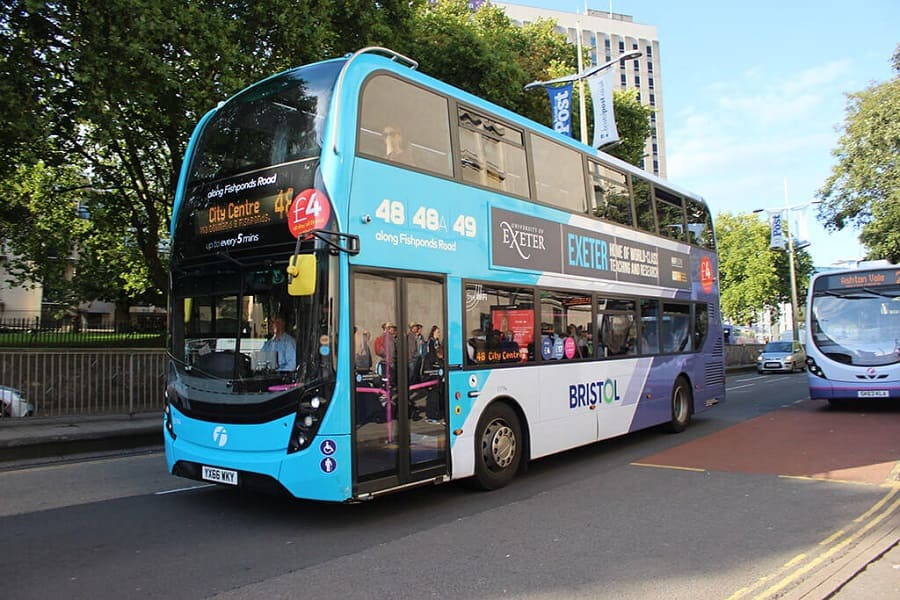
Bristol Buses
Bristol's bus network is the most widely used form of public transport and provides an easy way to reach almost every part of the city. Whether you are travelling from the city centre to Clifton, heading towards Ashton Court, visiting shopping districts or exploring residential neighbourhoods beyond the main tourist areas, local buses offer a convenient and affordable option. For visitors staying several days, buses make it possible to discover places that would be too far to reach comfortably on foot.
Most bus services are operated by First Bus, whose bright red vehicles have become a familiar sight throughout Bristol. Modern buses are clean, comfortable and generally accessible, with low floors that make boarding easier for passengers using wheelchairs, pushchairs or heavy luggage. Electronic destination displays clearly show the route number and final destination, while announcements inside many buses help passengers identify upcoming stops.
The city centre acts as the hub of the network, with numerous routes passing through key locations such as Broadmead, The Centre and Bristol Bus Station. From these points it is possible to travel directly to many of Bristol's most popular attractions, including Clifton Village, the Clifton Suspension Bridge, Bristol Zoo Project, Ashton Court Estate and Temple Meads railway station. Frequent services mean that visitors rarely need to wait long during the daytime.
Paying for bus travel is straightforward. Most visitors simply use a contactless bank card or a mobile payment device when boarding, while traditional paper tickets and digital tickets purchased through the operator's mobile app are also available. Cash is accepted on many services, although exact fares are often preferred. Contactless payment has become the quickest and most convenient option for both local residents and tourists.
Bus stops throughout Bristol are clearly marked and usually include route maps, timetables and information about the services that stop there. Larger stops also feature electronic displays showing live departure times, allowing passengers to see exactly when the next bus will arrive. Mobile journey-planning apps make travelling even easier by providing real-time updates and suggested routes across the city.
Traffic conditions naturally influence journey times, particularly during weekday morning and evening rush hours when roads into the city centre become busier. Outside these periods, buses are generally a reliable way to travel between attractions, especially when visiting areas beyond the central walking district. Planning a little extra time during peak hours is usually all that is required.
Although many of Bristol's main attractions can be reached on foot, buses become especially useful for longer journeys, travelling with children, carrying shopping or reaching destinations located on the city's surrounding hills. They also provide an excellent way to explore neighbourhoods that many visitors might otherwise overlook, offering a broader view of everyday life in Bristol.
Bristol's bus network combines convenience, affordability and extensive coverage, making it an essential part of everyday life in the city. Whether you are travelling across the centre or exploring districts further afield, local buses provide a practical and comfortable way to experience more of Bristol during your visit.
Read the complete guide to Bristol buses →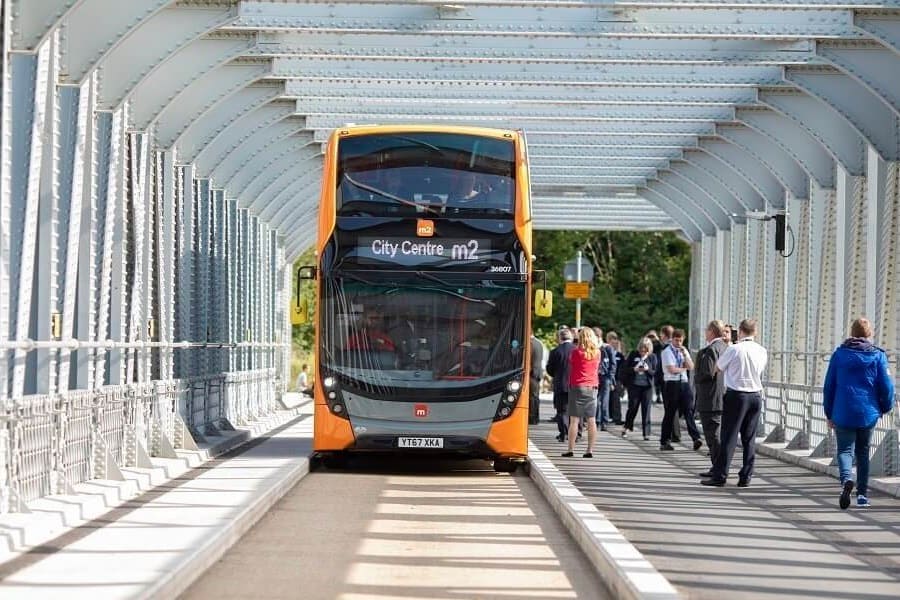
MetroBus
MetroBus is Bristol's modern rapid bus system, designed to provide faster and more reliable journeys across the city and surrounding areas. Unlike many conventional bus routes that share busy streets with other traffic, MetroBus services make use of dedicated bus lanes and specially designed infrastructure wherever possible. This helps reduce delays and makes journey times more predictable, particularly during busy periods when congestion affects other vehicles.
Introduced as part of a major investment in Bristol's transport network, MetroBus was created to improve connections between key residential districts, business parks, educational centres and the city centre. Although the network is relatively small compared with the wider local bus system, it serves several important destinations and has become an increasingly popular option for both commuters and visitors.
The vehicles themselves are easy to recognise thanks to their distinctive green livery and modern appearance. They offer spacious interiors, comfortable seating, low-floor access for passengers with reduced mobility, dedicated wheelchair and buggy spaces, as well as digital displays providing information about upcoming stops. Large windows also make MetroBus a pleasant way to see parts of the city while travelling between attractions.
For visitors, MetroBus can be particularly useful when travelling between Bristol Temple Meads, the city centre, the University of the West of England, Ashton Gate Stadium and several Park & Ride sites located on the outskirts of the city. These routes allow travellers to avoid some of the busiest roads while reaching destinations quickly and comfortably.
Tickets are purchased in much the same way as on ordinary buses. Contactless bank cards, mobile payments and digital tickets are widely accepted, allowing visitors to board quickly without needing cash. Many passengers use the official transport apps to plan journeys, check live departure times and receive service updates before travelling.
One of the greatest advantages of MetroBus is its reliability. Dedicated sections of roadway help services maintain regular schedules even during periods of heavy traffic, making the system especially attractive for travellers who need to reach appointments, railway stations or major attractions at a specific time. The modern stations also provide clear signage, sheltered waiting areas and route information that is easy for first-time visitors to understand.
Although MetroBus does not replace Bristol's extensive local bus network, it complements it by offering quicker travel along some of the city's busiest transport corridors. Many journeys combine MetroBus with standard bus services or walking, creating flexible travel options that suit a wide variety of itineraries.
For visitors unfamiliar with Bristol, MetroBus provides a simple, comfortable and dependable way to travel beyond the city centre. Its modern vehicles, efficient routes and easy-to-use ticketing system make it one of the most convenient public transport options available for exploring both Bristol and its surrounding areas.
Read the complete guide to MetroBus →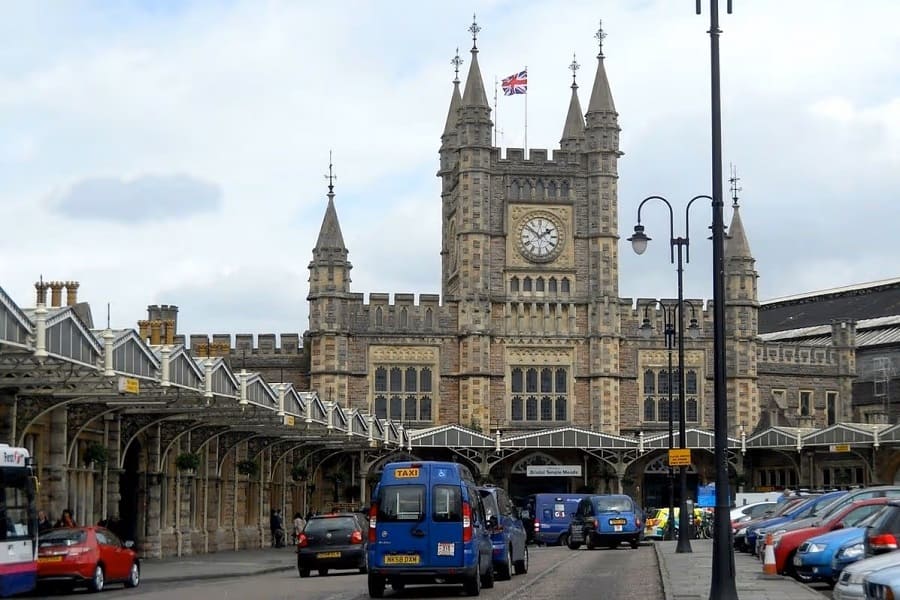
Bristol Temple Meads
Bristol Temple Meads is the city's principal railway station and one of the oldest major railway stations still operating in the world. Opened in 1840 and designed by the celebrated engineer Isambard Kingdom Brunel, it remains both an important transport hub and a significant piece of Britain's railway heritage. For many visitors, Temple Meads is the first introduction to Bristol, welcoming millions of passengers each year from across the United Kingdom.
The station occupies a convenient location just a short distance from the city centre and the Floating Harbour. Many of Bristol's most popular attractions can be reached on foot within twenty to thirty minutes, while frequent buses, MetroBus services, taxis and cycle routes provide easy onward connections. This makes Temple Meads an ideal starting point for exploring both the city itself and the surrounding region.
Direct rail services connect Bristol with many of Britain's most important destinations. London Paddington can be reached in around ninety minutes on the fastest trains, while regular services also operate to Bath, Cardiff, Exeter, Birmingham, Manchester and numerous other cities. These excellent connections make Bristol an ideal base for visitors planning to explore South West England and South Wales during the same trip.
Inside the station, passengers will find a wide range of facilities designed to make travel comfortable. Ticket offices, self-service ticket machines, waiting areas, cafés, convenience stores and accessible toilets are all available, while digital departure boards provide clear information about upcoming services. Free Wi-Fi is also available throughout much of the station, allowing travellers to check schedules or plan the next stage of their journey.
Temple Meads has undergone extensive modernisation in recent years while carefully preserving its historic character. Brunel's original train shed remains one of the station's architectural highlights, combining Victorian engineering with contemporary passenger facilities. The result is a station that successfully blends heritage and modern transport infrastructure in a way that reflects Bristol's wider character.
For tourists, travelling by train offers an excellent opportunity to take day trips beyond Bristol without the need to hire a car. Historic Bath, the Welsh capital of Cardiff and many picturesque towns across the region are all easily accessible by rail, making Temple Meads a valuable gateway for discovering more of western Britain.
Whether you are arriving in Bristol, continuing your journey to another destination or planning an excursion outside the city, Temple Meads provides fast, reliable and comfortable rail connections. Its combination of historic significance, modern facilities and excellent transport links makes it one of the most important landmarks in Bristol's transport network.
Read the complete guide to Bristol Temple Meads →
Cycling in Bristol
Bristol has earned a reputation as one of the UK's most bicycle-friendly cities. Over the past two decades, significant investment has been made in cycling infrastructure, creating an extensive network of dedicated cycle lanes, shared-use paths and traffic-calmed streets. As a result, cycling has become a popular way for both residents and visitors to travel around the city while enjoying Bristol's parks, waterfront and historic neighbourhoods.
For visitors who enjoy exploring at their own pace, a bicycle offers an excellent balance between walking and public transport. Distances that might take thirty or forty minutes on foot can often be covered in less than fifteen minutes by bike, allowing you to see more of the city during a single day. Popular destinations such as Clifton Suspension Bridge, Ashton Court Estate, the Floating Harbour, Stokes Croft and Temple Meads Station are all easily reached using Bristol's cycle network.
One of the city's best-known cycling routes is the Bristol & Bath Railway Path, a traffic-free trail following the route of a former railway line. Stretching for more than thirteen miles, it connects Bristol with the historic city of Bath and is suitable for cyclists of all abilities. Closer to the city centre, scenic waterside routes around the Floating Harbour provide enjoyable rides with excellent views of museums, marinas and restored dockside buildings.
Bicycle hire is available from a number of independent rental companies throughout Bristol. Visitors can choose from standard city bikes, electric bicycles and family-friendly options depending on their plans. Rental shops are often located close to Temple Meads, the Harbourside and Clifton, making it easy to collect a bike shortly after arriving in the city. Many accommodation providers can also recommend reliable local hire services.
Bristol's hilly landscape adds character to the city but also creates some challenges for cyclists. While routes around the harbour and city centre are generally flat, travelling towards Clifton, Redland or Brandon Hill involves several steep climbs. Electric bicycles have become increasingly popular for this reason, allowing visitors to enjoy the scenery without worrying about the city's gradients.
Safety is an important consideration when cycling in any unfamiliar city. Bristol provides clearly marked cycle lanes in many areas, and motorists are generally accustomed to sharing the road with cyclists. Wearing a helmet, using lights after dark and remaining aware of buses and pedestrians are all sensible precautions that help ensure an enjoyable ride.
Cycling also offers a unique opportunity to discover parts of Bristol that many tourists never reach. Quiet residential streets, local parks, riverside paths and hidden viewpoints can all be explored at a leisurely pace, providing a more authentic experience of everyday life in the city. Photographers especially appreciate the flexibility that cycling offers when stopping to admire architecture, street art or panoramic views.
Whether you are planning a short ride along the harbour or a full-day excursion to the surrounding countryside, cycling is one of the most enjoyable ways to experience Bristol. Combining freedom, convenience and access to beautiful scenery, it remains an excellent transport option for active travellers visiting the city.
Read the complete guide to cycling in Bristol →
Taxi & Ride Apps
Taxis provide one of the quickest and most convenient ways to travel around Bristol, particularly when carrying luggage, travelling late in the evening or visiting destinations that are less easily reached by public transport. While most visitors spend much of their time exploring on foot or by bus, taxis remain a valuable option for shorter journeys and offer a comfortable alternative when time is limited.
Bristol is served by both traditional licensed taxis and modern ride-hailing services. Official city taxis are easily recognised by their distinctive appearance and can often be found waiting at dedicated taxi ranks outside Bristol Temple Meads railway station, Bristol Bus Station, the city centre and other busy locations. These vehicles are licensed by the local authority, regularly inspected and driven by professional drivers familiar with the city's streets.
In addition to traditional taxis, many visitors choose to use ride-booking apps on their smartphones. Services such as Uber and other licensed operators allow passengers to request a vehicle within minutes, follow the driver's progress in real time and pay electronically through the app. For international visitors, these services are particularly convenient as they eliminate the need to carry cash or explain destinations in detail.
Journey times within central Bristol are usually short, although traffic can become heavier during weekday morning and evening rush hours. Outside peak periods, travelling by taxi is often the fastest way to move between areas such as Clifton, the Harbourside, Temple Meads and the city centre. Drivers are also able to reach attractions located beyond the main tourist districts where bus services may be less frequent.
Taxis are especially useful for visitors arriving with heavy luggage, families travelling with young children or anyone returning to accommodation after an evening at one of Bristol's theatres, restaurants or entertainment venues. They also provide a practical solution for reaching Bristol Airport when public transport schedules are less convenient.
Payment is straightforward, with most taxis accepting contactless bank cards as well as cash. Ride-hailing apps automatically calculate the fare before confirming the booking, allowing passengers to know the estimated cost in advance. This added transparency gives many visitors extra confidence when travelling in an unfamiliar city.
Although taxis are naturally more expensive than buses or trains, they offer flexibility that public transport cannot always provide. Door-to-door service, minimal waiting times and direct routes make them particularly attractive when travelling in small groups, as the overall cost can often be shared between passengers.
Whether you choose a traditional black cab or book your journey through a mobile app, Bristol's taxi services offer a safe, reliable and comfortable way to travel. They complement the city's wider transport network perfectly, ensuring that visitors can reach almost any destination quickly and with minimal effort.
Read the complete guide to taxis and ride apps in Bristol →
Bristol Airport
Bristol Airport is the principal international airport serving the city and the wider South West of England. Located approximately eight miles (13 kilometres) south of Bristol city centre, it provides convenient access to hundreds of destinations across the United Kingdom and Europe. Each year, millions of passengers pass through the airport, making it one of the busiest regional airports in the country and an important gateway for both leisure and business travel.
Despite its relatively compact size, Bristol Airport offers a modern and efficient passenger experience. The terminal includes a wide range of facilities such as cafés, restaurants, duty-free shopping, currency exchange services, car hire companies, executive lounges and free Wi-Fi throughout the building. Clear signage and straightforward terminal layouts make the airport easy to navigate, even for first-time visitors.
The most popular way to travel between the airport and the city centre is by the Airport Flyer express bus service. Running frequently throughout the day, this direct connection links the airport with Bristol Temple Meads railway station, the central bus interchange and several key locations within the city. The journey usually takes around thirty to forty minutes, depending on traffic conditions, making it a convenient alternative to driving.
Taxis are also readily available outside the terminal and provide direct transport to hotels, residential neighbourhoods and attractions across Bristol. Ride-hailing apps operate in the area as well, giving passengers additional flexibility when planning their onward journey. For visitors travelling with large suitcases or arriving late at night, a taxi may be the most comfortable option despite the higher cost.
Visitors who prefer to drive will find several short-term and long-term parking facilities at the airport, along with dedicated drop-off and pick-up areas. Major car rental companies also operate from the terminal, allowing travellers to begin exploring Bristol and the surrounding countryside immediately after arrival. Hiring a car is particularly useful for those planning to visit destinations such as the Cotswolds, Somerset or the coast.
Bristol Airport is well connected to an extensive network of domestic and international flights. Popular routes include London connections, major European cities, Mediterranean holiday destinations and seasonal services to numerous countries. This broad choice of flights makes Bristol an attractive starting point for exploring South West England without the need to travel through larger airports.
Although the airport is located outside the city itself, reaching central Bristol is straightforward thanks to the frequent public transport services and well-maintained road connections. Most visitors find the transfer quick and uncomplicated, allowing them to begin sightseeing soon after landing or arrive at the airport comfortably before departure.
Whether you are arriving in Bristol for a weekend break or beginning a longer journey through the region, Bristol Airport provides efficient facilities and excellent transport links that make travelling to and from the city simple, convenient and reliable.
Read the complete guide to Bristol Airport →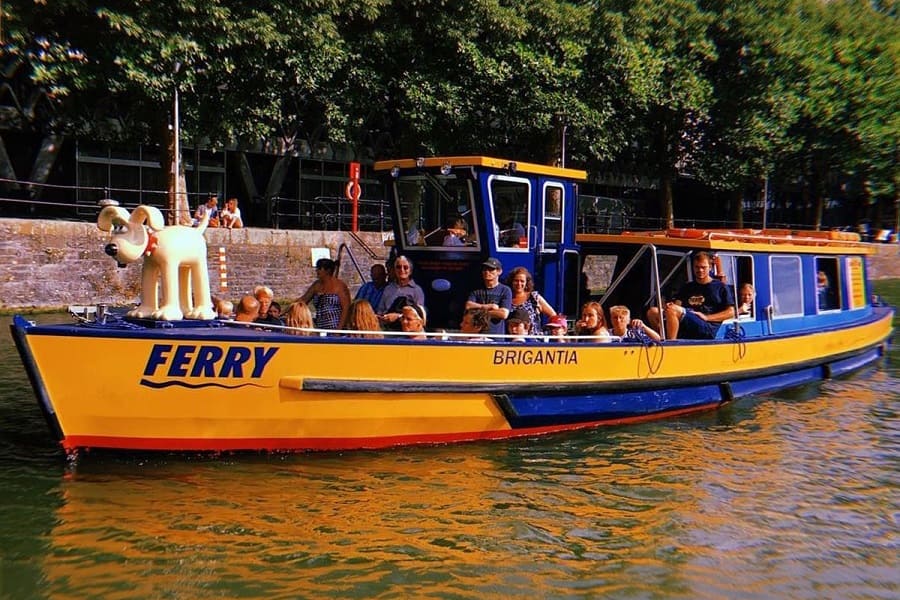
Bristol Harbour Ferry
Few cities offer the opportunity to use a sightseeing boat as part of their everyday public transport, but Bristol is one of them. The Bristol Harbour Ferry operates along the historic Floating Harbour, connecting many of the city's most popular attractions while offering passengers a unique perspective of Bristol's waterfront. For visitors, travelling by ferry is not only practical but also one of the most enjoyable ways to experience the city.
The service links a number of important destinations around the harbour, including Bristol Temple Meads, M Shed, Millennium Square, the SS Great Britain, Wapping Wharf and several smaller landing stages along the waterfront. Instead of walking around the entire harbour, passengers can simply board a ferry and enjoy a relaxing journey between attractions while taking in constantly changing views of the surrounding docks.
Unlike larger passenger ferries found in coastal cities, Bristol Harbour Ferry uses smaller boats designed specifically for navigating the calm waters of the Floating Harbour. Their compact size allows them to stop frequently at conveniently located piers, making the service feel both personal and easy to use. Boarding is straightforward, and the relaxed atmosphere appeals equally to families, photographers and visitors looking for a slower pace of sightseeing.
Travelling on the harbour reveals a side of Bristol that cannot be fully appreciated from the streets above. Historic warehouses converted into apartments, colourful houseboats, restored dockside cranes, modern office buildings and famous landmarks all line the waterfront, illustrating how the city has successfully transformed its former commercial docks into one of Britain's most attractive urban waterfronts.
During the warmer months, many visitors choose the ferry simply for the experience itself. Outdoor seating provides excellent opportunities for photography, while the gentle pace allows passengers to admire the architecture and maritime heritage from a completely different angle. Evening services can be particularly memorable as lights from restaurants, cafés and surrounding buildings reflect across the water.
The ferry also plays an important role during festivals and major events held around the harbour. It offers an enjoyable alternative to walking between crowded venues while avoiding busy roads and making the journey itself part of the day's experience. For many visitors, the harbour cruise becomes one of the unexpected highlights of their stay in Bristol.
Although it should not replace Bristol's excellent bus network or walking routes, the Harbour Ferry provides an ideal complement to them. Combining several forms of transport throughout the day allows visitors to experience the city from different perspectives while making sightseeing both efficient and enjoyable.
Whether you use the ferry as convenient transport or simply as a relaxing harbour cruise, it offers one of the most memorable ways to discover Bristol. Blending history, scenery and everyday city life, the Bristol Harbour Ferry provides the perfect conclusion to exploring one of Britain's most distinctive waterfront cities.
Read the complete guide to Bristol Harbour Ferry →