Day Trips from Bristol
Bristol is ideally located for exploring some of the most interesting places in the South West of England and beyond. Within a relatively short journey from the city, visitors can discover historic cities, dramatic landscapes, picturesque villages, ancient monuments, seaside resorts and some of the finest countryside in the region. This makes Bristol an excellent base for travellers who want to see more of England without changing accommodation every night.
Some of the best day trips are close enough to reach by train or bus, while others are easier to explore by car or as part of an organised excursion. Bath, Cheddar Gorge, the Cotswolds, Wells and Cardiff are among the most popular choices, but there are also historic houses, gardens, castles, beaches and family attractions within easy reach of the city.
The guides below introduce some of the best destinations for a day away from Bristol. Each one explains what makes the destination worth visiting, what you can see and do there, how long to allow and the main options for getting there from Bristol. Whether you are interested in history and architecture, countryside and walking, the coast, or a day out with children, there is plenty to discover within a short journey of the city.
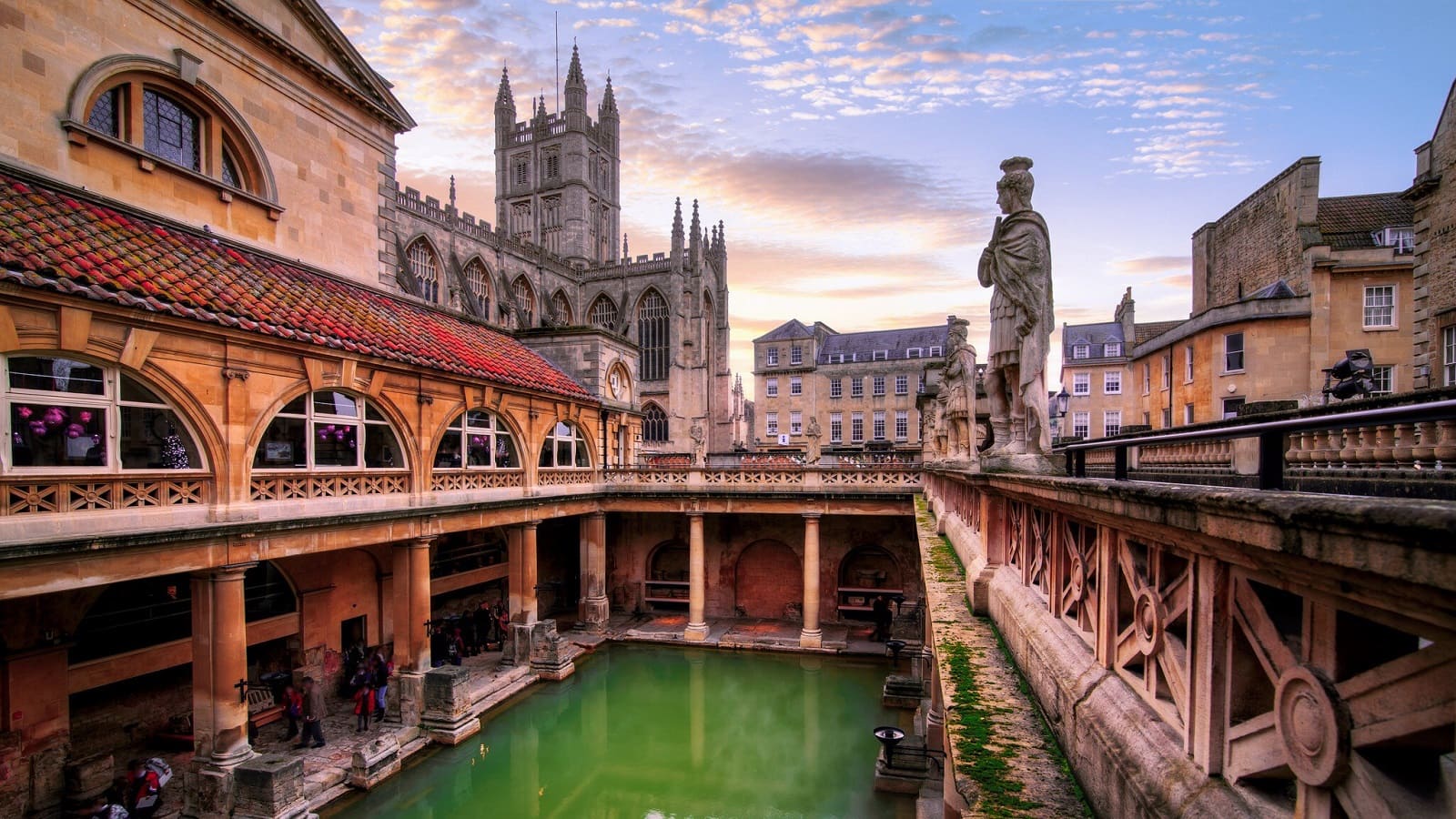
Bath – Roman Baths, Georgian Architecture & Spa
Bath is one of the easiest and most rewarding day trips from Bristol. Famous for its Roman heritage, elegant Georgian architecture and natural hot springs, the city combines thousands of years of history with a lively modern centre of cafés, restaurants, shops and cultural attractions. Its compact historic centre makes it particularly well suited to a day visit, as many of the main sights can be reached on foot once you arrive.
The city's most famous attraction is the Roman Baths, built around the natural thermal springs that have made Bath a destination for centuries. The remarkably preserved complex provides an insight into how the Romans developed the site and used the hot springs. Visitors can walk around the ancient bathing complex and museum while learning about the people who lived in Roman Britain. Allow at least a couple of hours if you want to explore the site properly.
Bath Abbey stands directly beside the Roman Baths and is another important landmark. The present building has a long history and is particularly impressive from the outside, while the interior contains striking architectural details and stained glass. The surrounding square is also a useful starting point for exploring the pedestrianised streets and historic centre.
Architecture is one of the main reasons to visit Bath. The Royal Crescent is perhaps the city's most recognisable Georgian landmark, forming an elegant sweep of terraced houses overlooking a broad green. Nearby, The Circus is another remarkable example of Georgian town planning. Walking between these areas gives you a chance to appreciate Bath's distinctive honey-coloured stone and the consistency of its historic architecture.
The city centre also offers plenty of opportunities to stop for lunch, coffee or afternoon tea. Independent cafés, traditional pubs and restaurants are spread throughout the central streets, while the surrounding shops make Bath an easy destination to combine sightseeing with a little shopping. The compact layout means that you can comfortably build breaks into a walking itinerary without losing too much sightseeing time.
Bath is also famous for its connection with the spa tradition. Visitors looking for a modern spa experience can consider Thermae Bath Spa, where naturally heated mineral-rich waters are used in a contemporary setting. Advance booking is advisable, particularly at busy times. If your main purpose is sightseeing rather than spa time, there is no need to include it in your itinerary.
Getting to Bath from Bristol is straightforward. Regular trains connect Bristol Temple Meads with Bath Spa, with the journey taking roughly 15 to 20 minutes on many services. Bath is therefore one of the best choices if you do not have a car. You can also travel by road or bus, although journey times vary depending on traffic.
For a first visit, allow a full day if you want to see the Roman Baths, Bath Abbey, the Royal Crescent and the historic centre without rushing. A shorter visit is possible if you concentrate on the main sights, but the city is much more enjoyable when you have enough time to walk between the landmarks, stop for food and explore some of the quieter streets.
Bath is an excellent choice for almost any type of visitor: history enthusiasts will find Roman and Georgian heritage, architecture lovers can explore some of Britain's finest historic streets, while couples and families can easily combine sightseeing with cafés, shopping and other attractions. Its short journey time from Bristol makes it one of the first day trips to consider when planning your stay.

Cheddar Gorge & Caves
Cheddar Gorge is one of the most spectacular natural landscapes within easy reach of Bristol. Carved into the Mendip Hills, the dramatic limestone gorge is surrounded by steep cliffs, winding roads and open countryside. Combined with the famous caves beneath the hills, it makes an excellent day trip for visitors who want a change of scenery and a chance to experience some of Somerset's most impressive natural attractions.
The gorge itself stretches for several kilometres and is particularly impressive when viewed from the road and the surrounding walking routes. The cliffs rise dramatically on either side, creating a landscape very different from the streets and harbour of Bristol. There are viewpoints and walking opportunities around the gorge, so even visitors who are not interested in entering the caves can spend several hours enjoying the scenery.
Beneath the gorge is another of Cheddar's main attractions: its extensive limestone cave system. Gough's Cave is the best-known of the caves and contains impressive chambers, rock formations and evidence of the area's prehistoric inhabitants. The caves provide a fascinating contrast to the landscape above ground and are particularly appealing on a wet day when outdoor sightseeing may be less comfortable.
Another attraction associated with the area is Cox's Cave, where visitors can discover more about the geology and underground environment of the Mendip Hills. Availability and opening arrangements can vary, so it is sensible to check the latest information before travelling, particularly outside the main tourist season.
Cheddar village itself is worth exploring during your visit. The main street has cafés, pubs, shops and places selling local products, while the surrounding countryside provides opportunities for walking. Cheddar is also closely associated with the production of Cheddar cheese, making the area an interesting stop for visitors who want to experience some of Somerset's local food traditions.
Walking is one of the best ways to appreciate the landscape, but visitors should choose routes according to their experience and the weather. Some paths involve steep climbs and uneven ground, and conditions can become muddy after rain. Good walking shoes are recommended, particularly if you plan to explore beyond the easiest paths around the village and main attractions.
The easiest way to reach Cheddar from Bristol is usually by car, with the journey taking around 45 minutes to an hour depending on traffic. Public transport is also possible, although it generally requires more planning and may involve connections. If you are visiting without a car, check current bus and connection information before setting out rather than relying on an old timetable.
A full day gives you enough time to combine the caves with the gorge, village and a walk through the surrounding countryside. If you are mainly interested in the caves and the village, a shorter visit may be sufficient. Families should allow additional time for the attractions, while keen walkers may want to spend most of the day exploring the hills and viewpoints.
Cheddar Gorge works particularly well as a day trip for visitors who enjoy nature, geology, walking and dramatic scenery. It is also a good choice when you want to see something beyond Bristol's historic buildings and museums. With its combination of underground caves, spectacular cliffs, countryside and a traditional Somerset village, Cheddar offers plenty to fill a day without requiring a long journey from the city.
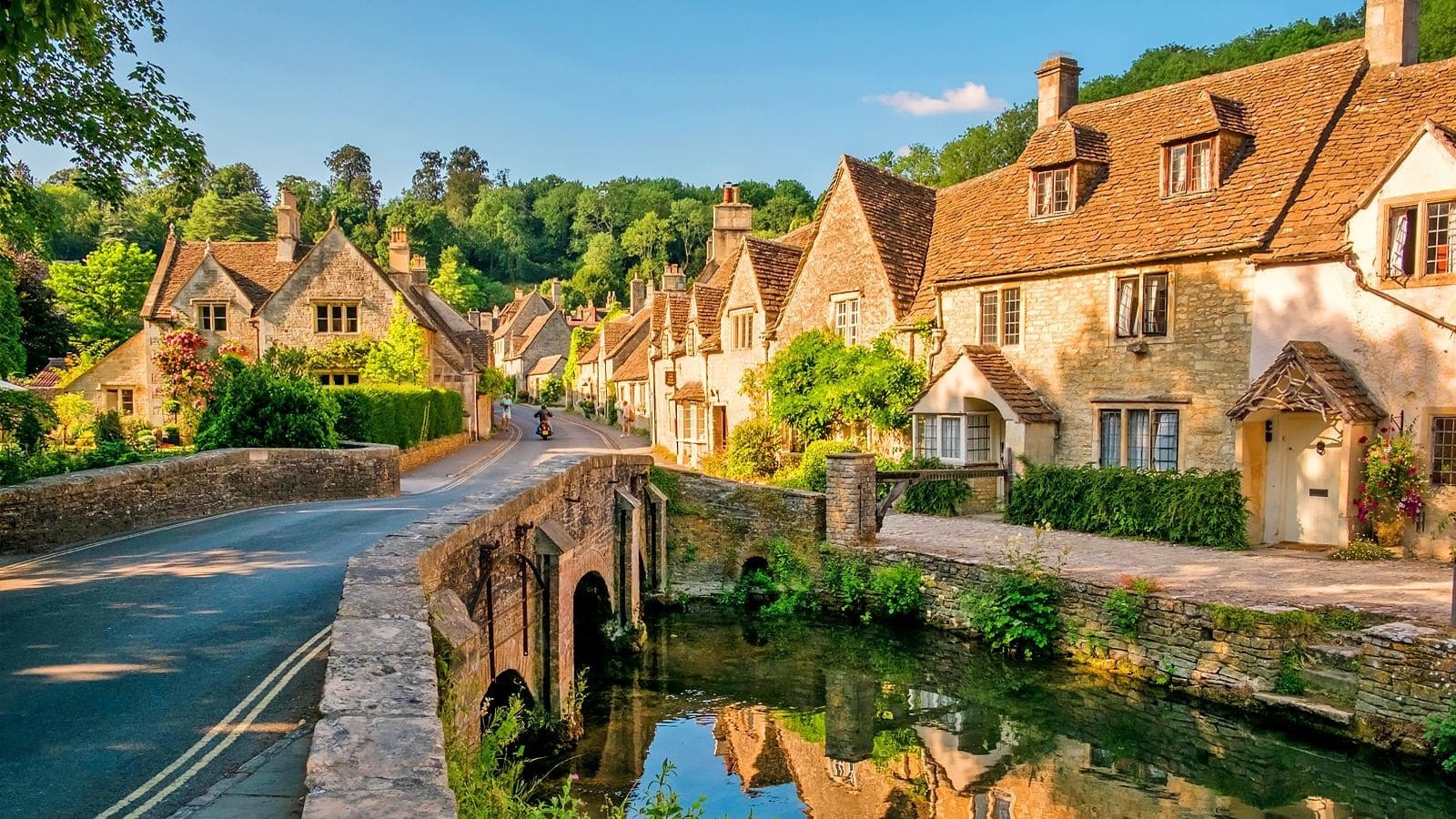
The Cotswolds – Villages, Countryside & English Charm
The Cotswolds are one of the most picturesque areas of the English countryside and make an excellent day trip from Bristol. Famous for their honey-coloured limestone villages, historic cottages, country lanes and rolling green hills, the region offers a very different experience from the city. A day in the Cotswolds is less about visiting one major attraction and more about enjoying the landscape, villages, local shops, cafés and the atmosphere of rural England.
One of the most convenient ways to explore the Cotswolds from Bristol is to concentrate on the southern part of the region. Villages such as Castle Combe, Lacock and Malmesbury are relatively accessible from Bristol and can be combined into a full day by car. Each has its own character, but all offer the traditional stone architecture and quieter atmosphere that make the Cotswolds so popular with visitors.
Castle Combe is often described as one of the prettiest villages in England. Its small historic centre is particularly attractive, with stone cottages, a village church and a stream running through the settlement. It is a place to explore slowly rather than rush between sights. A short walk around the village and surrounding countryside can be enough to appreciate its character.
Lacock offers a different experience, combining a traditional village with a fascinating historic estate. Its medieval streets and stone buildings have been remarkably preserved, and the village has been used as a filming location for a number of television and film productions. Lacock Abbey, on the edge of the village, adds another important historical attraction to the visit.
Malmesbury is another worthwhile stop for visitors interested in history and architecture. The town has a long history dating back many centuries and is particularly associated with Malmesbury Abbey. Its location makes it useful as part of a wider Cotswolds itinerary, especially if you are travelling by car and want to combine several destinations rather than spend the entire day in one village.
The Cotswolds are also a destination for walking. Numerous footpaths cross fields, woodland and villages, and even a short countryside walk can provide a very different perspective from simply driving between attractions. If walking is an important part of your trip, wear suitable footwear and check the route in advance, as some paths can become muddy after wet weather.
Food is another enjoyable part of a Cotswolds day trip. Villages and market towns have traditional pubs, cafés, bakeries and restaurants, while local shops often sell regional produce. Because popular villages can become busy around lunchtime, it is worth planning your meal in advance if you have a particular pub or restaurant in mind.
A car is generally the most practical option for exploring several Cotswolds villages in one day. Public transport is possible for individual destinations, but rural bus services are less frequent than those in Bristol and neighbouring towns, and connections can make it difficult to visit several villages efficiently. If you do not have a car, an organised tour can therefore be a convenient alternative.
Try not to include too many villages in a single itinerary. The distances may look short on a map, but narrow country roads, traffic and the time spent exploring each place can make a packed schedule stressful. Two or three destinations are usually more enjoyable than attempting to see six or seven in one day.
The Cotswolds are best suited to visitors who enjoy beautiful scenery, historic architecture, photography, walking and a slower pace of travel. From Bristol, they offer an easy way to experience the classic English countryside and small villages that are very different from the atmosphere of the city. With a little planning, a day in the Cotswolds can become one of the most memorable excursions during a Bristol stay.
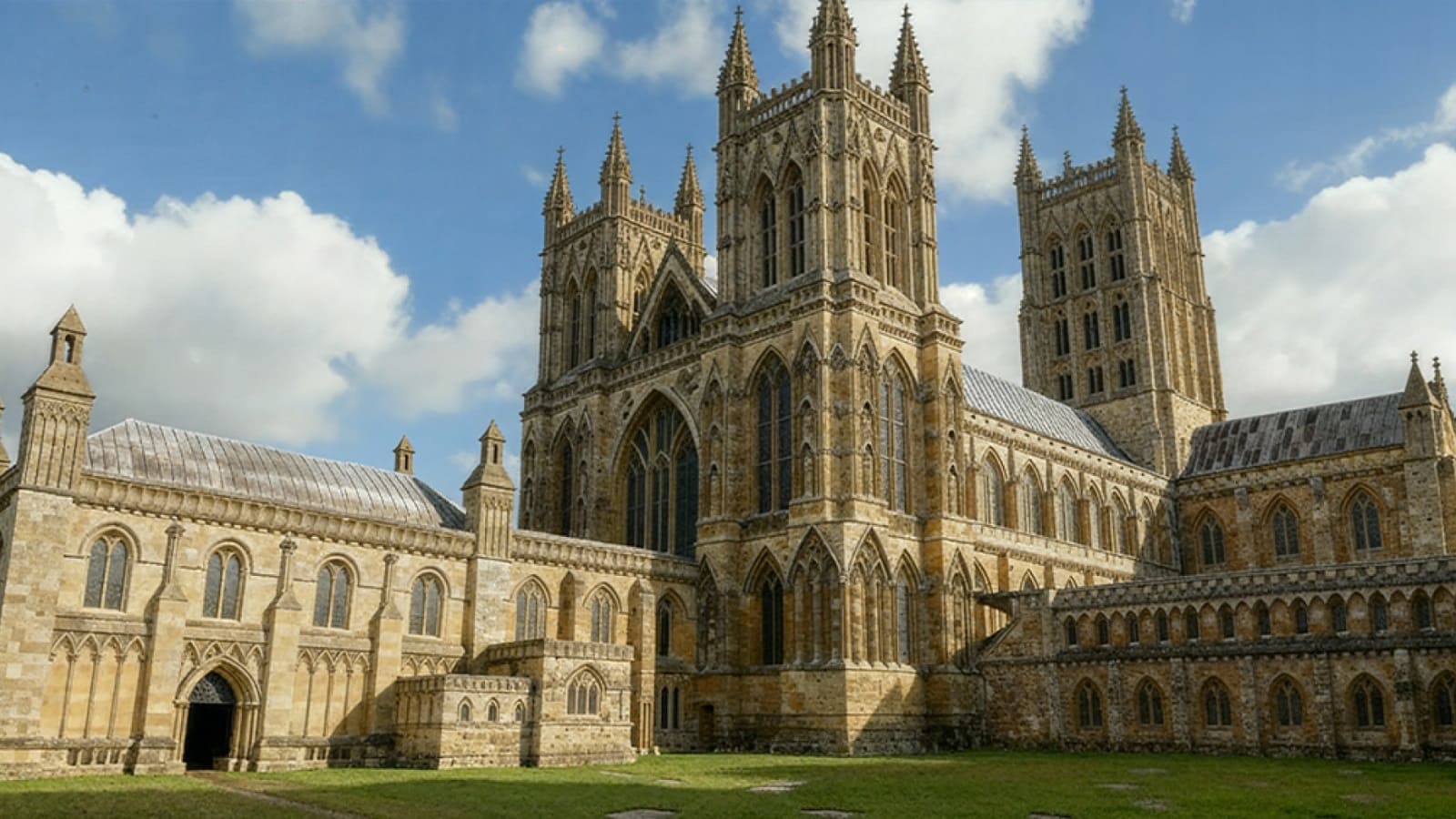
Wells & Glastonbury – Medieval England & Ancient Legends
Wells and Glastonbury make a fascinating combination for a day trip from Bristol, bringing together medieval architecture, ancient religious traditions and some of Somerset's most recognisable landscapes. The two places are close enough to visit on the same day, yet they offer very different experiences. Wells is known for its magnificent cathedral and historic streets, while Glastonbury is famous for its abbey, mystical traditions and distinctive hilltop landmark.
Wells is England's smallest city and is dominated by its magnificent cathedral. Wells Cathedral is one of the finest examples of medieval Gothic architecture in England, with an impressive west front covered with sculptures, elegant interiors and remarkable stained glass. The cathedral precinct surrounding it is equally atmospheric, with historic buildings and quiet paths that make it worth exploring beyond the main entrance.
Beside the cathedral is the Bishop's Palace, another important historic attraction. Its medieval architecture and surrounding grounds provide a fascinating insight into the history of Wells and the powerful bishops who lived here. The palace gardens are particularly attractive and include the famous springs from which the city takes its name.
The centre of Wells is compact and easy to explore on foot. After visiting the cathedral and Bishop's Palace, allow some time to walk through the historic streets, visit local shops or stop at a café or traditional pub. If your visit falls on a market day, the city centre can become particularly lively, with stalls adding another element to the experience.
From Wells, continue towards Glastonbury, a place with an entirely different atmosphere. Glastonbury Abbey is one of the town's principal historic attractions and is associated with centuries of religious history and legends. The ruins are spread across extensive grounds, making the site more than a quick stop and giving visitors an opportunity to explore the remains at their own pace.
Glastonbury Tor is the town's most recognisable landmark. The hill rises dramatically above the surrounding Somerset landscape and is topped by the remains of St Michael's Tower. The climb provides impressive views across the countryside, but the path is steep in places and can become slippery or muddy after rain. Visitors should allow enough time and wear appropriate footwear.
Glastonbury is also well known for its strong connection with Arthurian legends and spiritual traditions. Stories linking the area with King Arthur and Avalon have become an important part of its identity, while modern shops and businesses reflect the town's reputation for alternative spirituality, crystals, folklore and related interests. Even visitors who are not particularly interested in these traditions will find Glastonbury's character very different from most English towns.
Travelling by car is generally the easiest way to combine Wells and Glastonbury in one day. Public transport is also possible, with bus services connecting the towns, but journey times and frequencies should be checked before travelling. If you are relying on public transport, planning your return journey in advance is particularly important.
A full day gives you enough time to explore Wells Cathedral and its historic centre, visit Glastonbury Abbey and climb the Tor without rushing. The two destinations work particularly well together because Wells provides medieval architecture and history, while Glastonbury adds landscape, legends and a very distinctive local atmosphere.
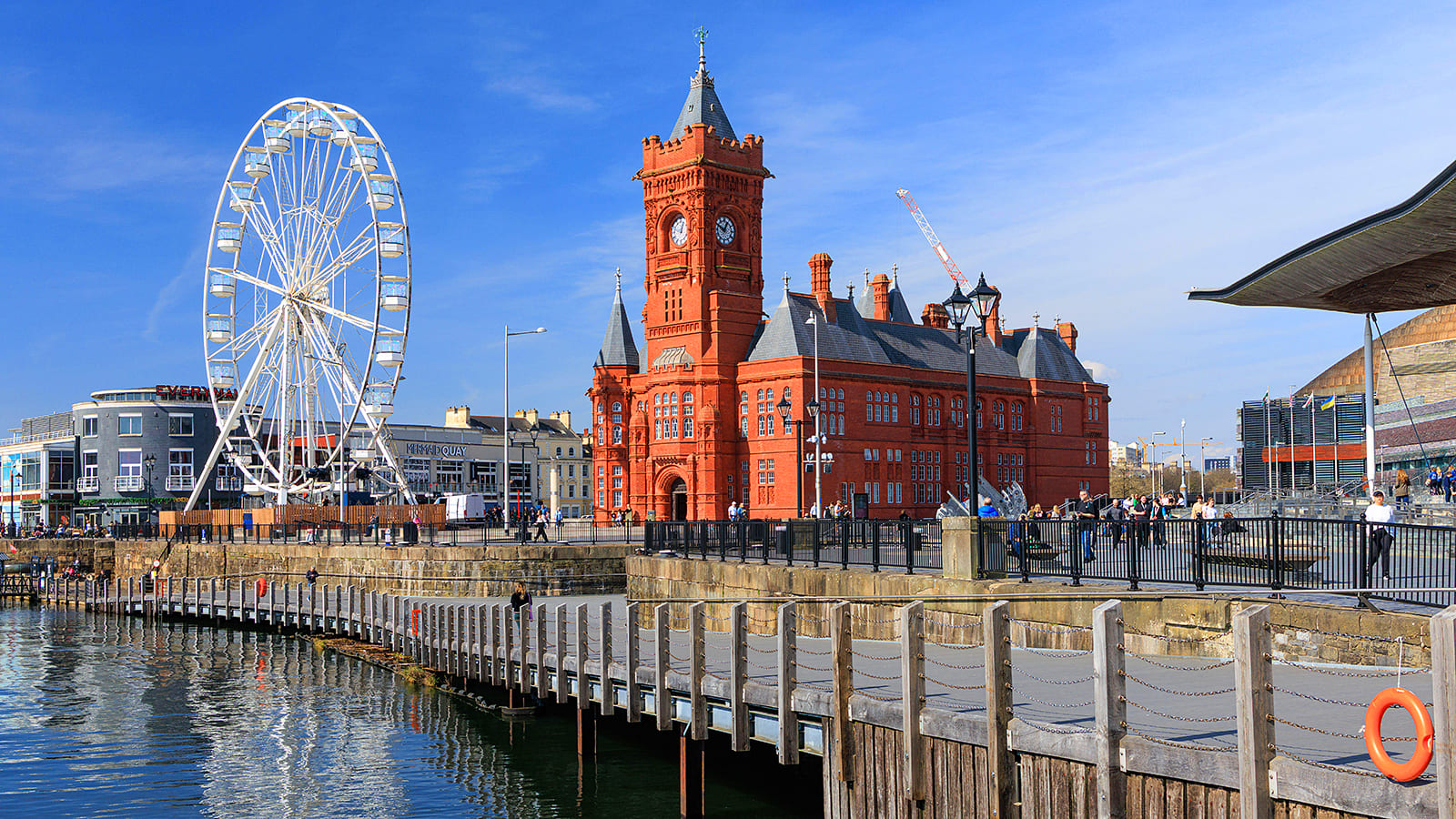
Cardiff – A Day Trip to Wales
Cardiff is one of the most interesting day trips from Bristol because a relatively short journey takes you across the River Severn and into Wales. The Welsh capital offers a combination of historic architecture, museums, shopping, restaurants, sports and a lively waterfront, making it easy to fill a full day without needing to travel between several distant attractions.
Cardiff Castle is one of the city's most important landmarks and a good place to begin exploring. Built within the remains of a Roman fort and later transformed into a medieval castle and Victorian Gothic fantasy, the site reflects several different periods of Welsh history. Visitors can explore the castle grounds and historic buildings while learning about the people who shaped the site over the centuries.
From the castle, the central shopping streets and arcades are within easy walking distance. Cardiff is particularly well known for its Victorian and Edwardian arcades, where independent shops, cafés and restaurants occupy beautifully preserved historic interiors. The city centre is compact enough to combine sightseeing with shopping and a relaxed lunch without spending much time on transport.
Cardiff also has several important museums and cultural attractions. The National Museum Cardiff houses collections covering art, natural history and Welsh heritage, making it a useful option if the weather is poor. Depending on your interests and the length of your visit, you can combine a museum with the castle and city centre rather than trying to see every attraction in one day.
Cardiff Bay provides a completely different atmosphere from the historic centre. The former docklands have been transformed into a modern waterfront district with restaurants, cafés, cultural venues and open spaces. The Wales Millennium Centre is one of the area's most recognisable buildings, while the Senedd, the Welsh Parliament building, provides another striking piece of modern architecture.
Families may also enjoy Cardiff's waterfront attractions and open spaces, while sports fans can consider visiting the Principality Stadium in the city centre. If a major sporting event or concert is taking place, however, the city can become considerably busier than usual, so check the event calendar when planning your visit.
Travelling from Bristol to Cardiff is particularly easy by train. Services from Bristol Temple Meads and other Bristol stations can reach Cardiff Central in roughly 50 minutes, depending on the service. The railway station is located close to the city centre, so you can begin sightseeing almost immediately after arrival. Driving is also possible, but traffic and city-centre parking can make the train a more convenient choice for a day visit.
If you have only one day, concentrate on a manageable area rather than trying to see the entire city. Cardiff Castle, the city centre and arcades can comfortably form the first part of your itinerary, followed by Cardiff Bay in the afternoon. This gives you a good introduction to both the historic and modern sides of the Welsh capital.
Remember that Cardiff is in Wales, which is part of the United Kingdom but has its own national identity, culture and Welsh language. You will see Welsh alongside English on signs and public information, making even a short visit an opportunity to experience a different part of Britain. For Bristol visitors looking to add another country and capital city to their trip, Cardiff is one of the easiest and most rewarding excursions available.
Stonehenge & Salisbury
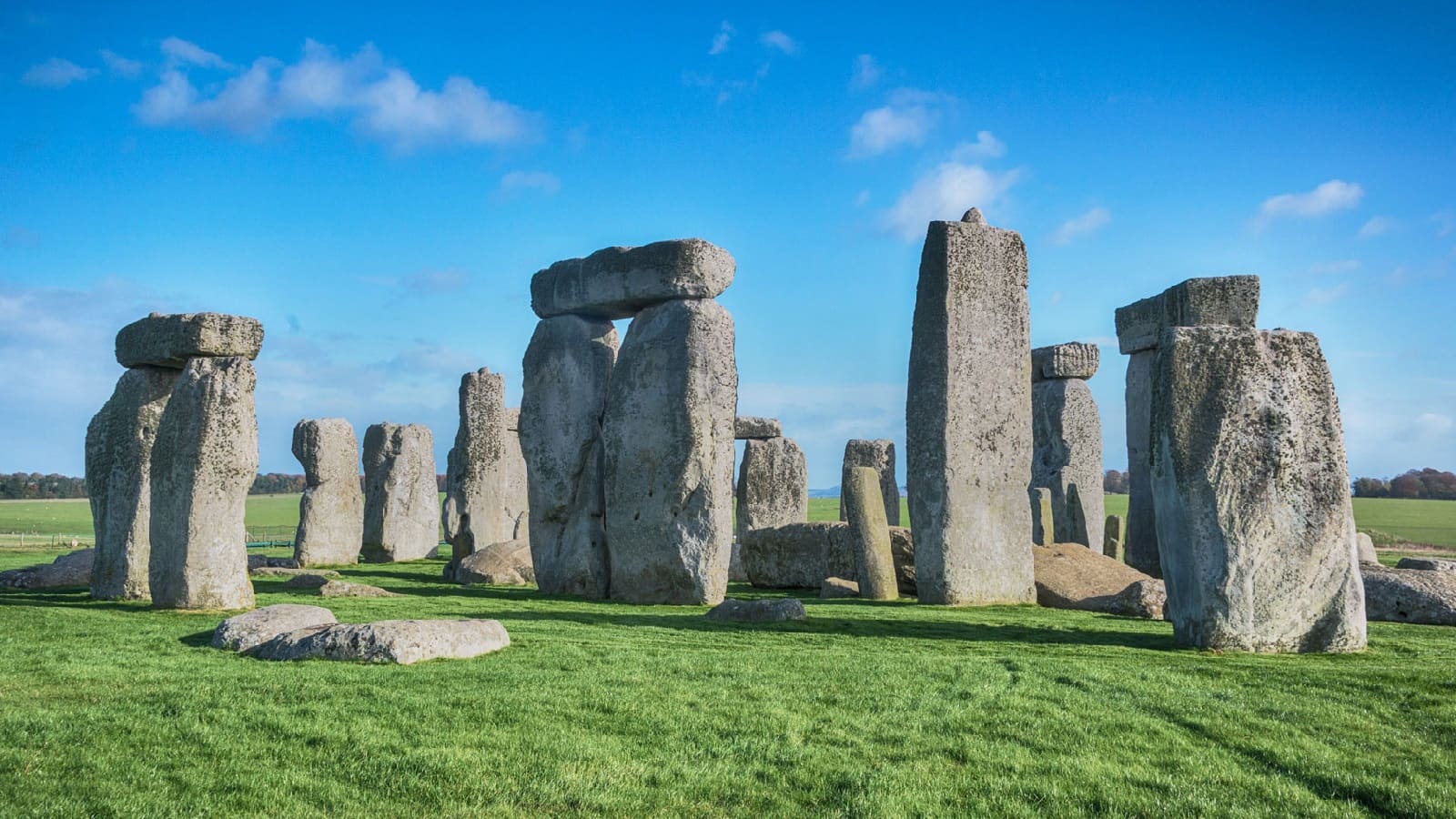
Stonehenge is one of Britain's most famous prehistoric monuments and a fascinating destination for a day trip from Bristol. Combining it with the historic city of Salisbury creates a varied day that brings together ancient history, medieval architecture and the landscapes of southern England. The two destinations are close enough to visit together, although it is worth allowing plenty of time for both.
Stonehenge is the main reason most visitors make the journey. The enormous stones were arranged thousands of years ago and continue to attract visitors because so much about their construction and original purpose remains fascinating. The monument stands within an open landscape, and the surrounding archaeological area contains evidence of prehistoric activity extending far beyond the stones themselves.
The Stonehenge visitor experience includes an exhibition and visitor facilities as well as the monument itself. The visitor centre helps explain the history of the site and the people who built it, while the walk or shuttle journey towards the stones gives you an opportunity to appreciate the surrounding landscape. Allow several hours rather than treating Stonehenge as a quick roadside stop.
After Stonehenge, continue to Salisbury, a historic city with a very different character. Salisbury Cathedral is its most important landmark and is famous for its impressive medieval architecture and exceptionally tall spire. The cathedral also has a connection with one of the surviving copies of Magna Carta, making it particularly interesting for visitors fascinated by British history and the development of constitutional law.
Salisbury's historic centre is compact enough to explore on foot. Medieval streets, traditional buildings, independent shops, cafés and restaurants surround the cathedral, creating a pleasant contrast with the open landscape around Stonehenge. A walk through the centre also gives you an opportunity to take a break between the two major attractions.
If you are travelling by car, visiting Stonehenge first and Salisbury afterwards is a straightforward way to organise the day. Public transport requires more planning, and journey options can vary depending on the time of year. Before travelling, check the latest train and bus information as well as Stonehenge's current admission arrangements and opening times.
Stonehenge can be exposed to wind and rain, so suitable clothing and comfortable shoes are important. Much of the experience takes place outdoors, and even a pleasant summer day can feel cooler in an exposed landscape. If the weather is poor, allow extra time for the visitor centre and exhibition, but remember that the monument itself remains an outdoor attraction.
A full day is recommended if you want to see both destinations without rushing. Stonehenge deserves enough time to explore the visitor experience and walk around the monument, while Salisbury is best enjoyed with time for the cathedral, historic centre and a relaxed meal. Trying to fit both into only a few hours would make the trip unnecessarily hurried.
This day trip is particularly appealing to visitors interested in ancient history, archaeology, architecture and British heritage. Stonehenge provides one of the most recognisable prehistoric landscapes in the country, while Salisbury adds a living historic city with a magnificent medieval cathedral. Together they make a varied excursion that combines two very different periods of English history.
Weston-super-Mare & the Somerset Coast
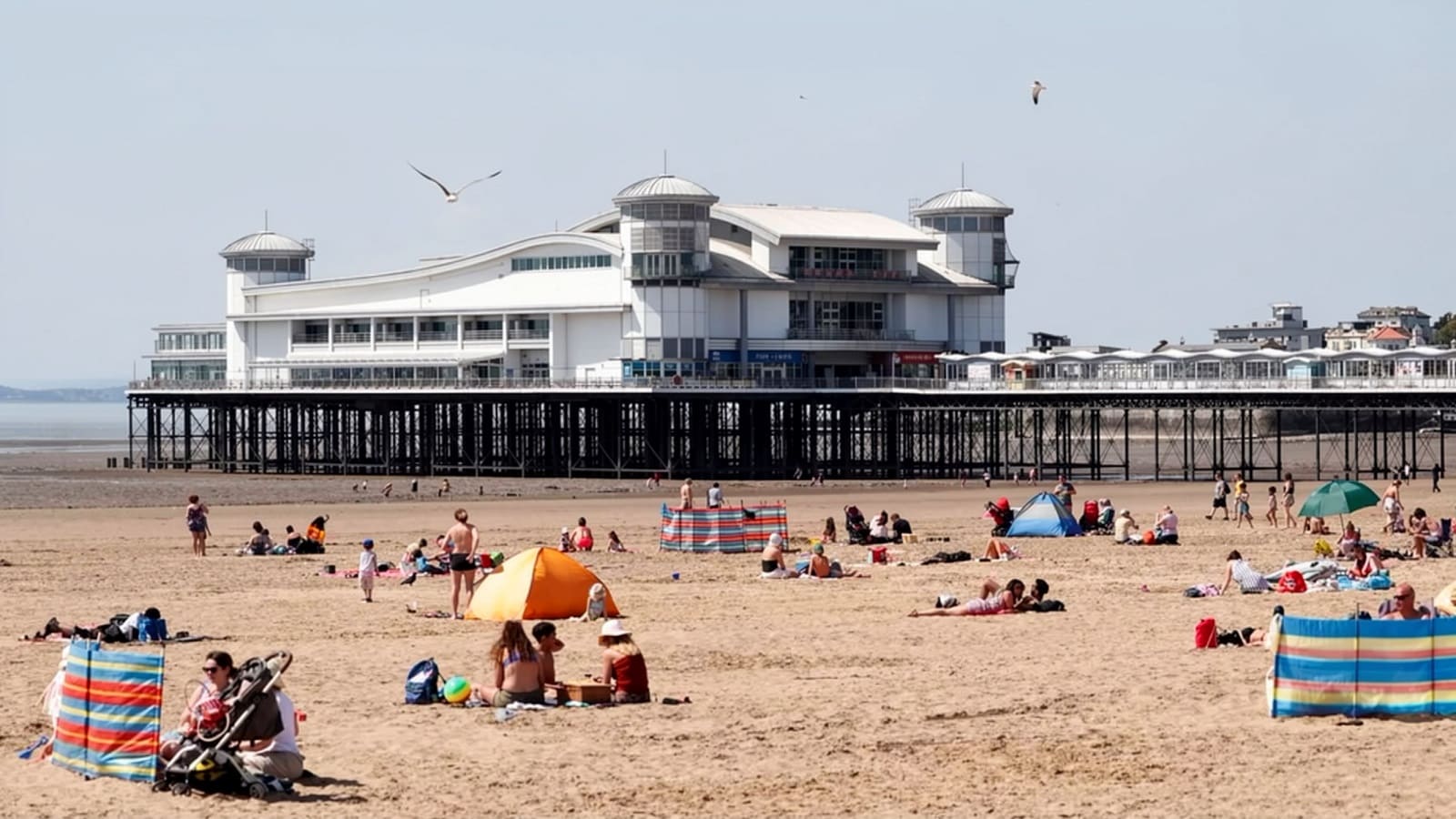
If you would like to escape Bristol for a day by the sea, Weston-super-Mare is one of the easiest coastal trips to make. Located on the Bristol Channel in North Somerset, the traditional seaside resort offers a long beach, a famous pier, a broad promenade and plenty of cafés, restaurants and family attractions. It provides a very different atmosphere from Bristol's historic centre and is particularly enjoyable on a bright day.
The beach is the main attraction, stretching for several kilometres along the coastline. The enormous tidal range of the Bristol Channel means that the appearance of the beach can change dramatically during the day. At low tide, the water can be a considerable distance from the promenade, revealing a huge expanse of sand. Visitors should always pay attention to local safety information and tide conditions rather than attempting to walk far across the exposed mud and sand.
Weston-super-Mare's Grand Pier is another defining landmark. Extending out into the Bristol Channel, the pier contains entertainment, food and activities and has become one of the town's best-known attractions. It is an easy addition to a day itinerary and provides a classic British seaside experience, particularly for families and visitors who have never experienced a traditional English resort.
The promenade is ideal for a relaxed walk and offers views across the channel towards the surrounding coastline. You can combine a walk with lunch, coffee or an ice cream before continuing to explore the town. The centre has a mixture of independent businesses and traditional seaside shops, while the area around the seafront becomes particularly lively during the warmer months.
Weston is also a useful destination for families. In addition to the beach and pier, there are amusement attractions and other activities aimed at children, making it possible to build a full day around a mixture of outdoor and indoor entertainment. This is useful when the weather is changeable, as you can move between the seafront and indoor attractions rather than relying entirely on the beach.
Visitors interested in walking can explore parts of the coastline beyond the main resort. The surrounding North Somerset landscape includes coastal paths, open countryside and quieter areas away from the central promenade. One option is to explore towards Sand Point and Sand Bay, although longer walks require suitable footwear and more attention to tides and weather conditions.
Weston-super-Mare can be reached from Bristol by train, with services running from Bristol Temple Meads and other local stations. The journey is generally straightforward, although travel times vary depending on the service and any changes required. Driving is another option, with several car parks serving the town, but summer weekends and particularly busy days can bring heavy traffic.
The best time for a traditional seaside visit is during the warmer months, when the promenade, pier and outdoor attractions are at their liveliest. However, the town can still be enjoyable outside summer, especially for a coastal walk or a quiet day exploring the seafront. Always check the weather forecast and tide information before planning a beach-focused itinerary.
Weston-super-Mare is a good choice if you want a simple change of pace rather than a packed sightseeing schedule. You can spend the day walking along the promenade, visiting the pier, enjoying the beach and stopping for food without having to organise a complicated itinerary. For families, couples and visitors looking for a traditional British seaside experience, it is one of the most accessible coastal excursions from Bristol.
Castles, Country Houses & Gardens Near Bristol
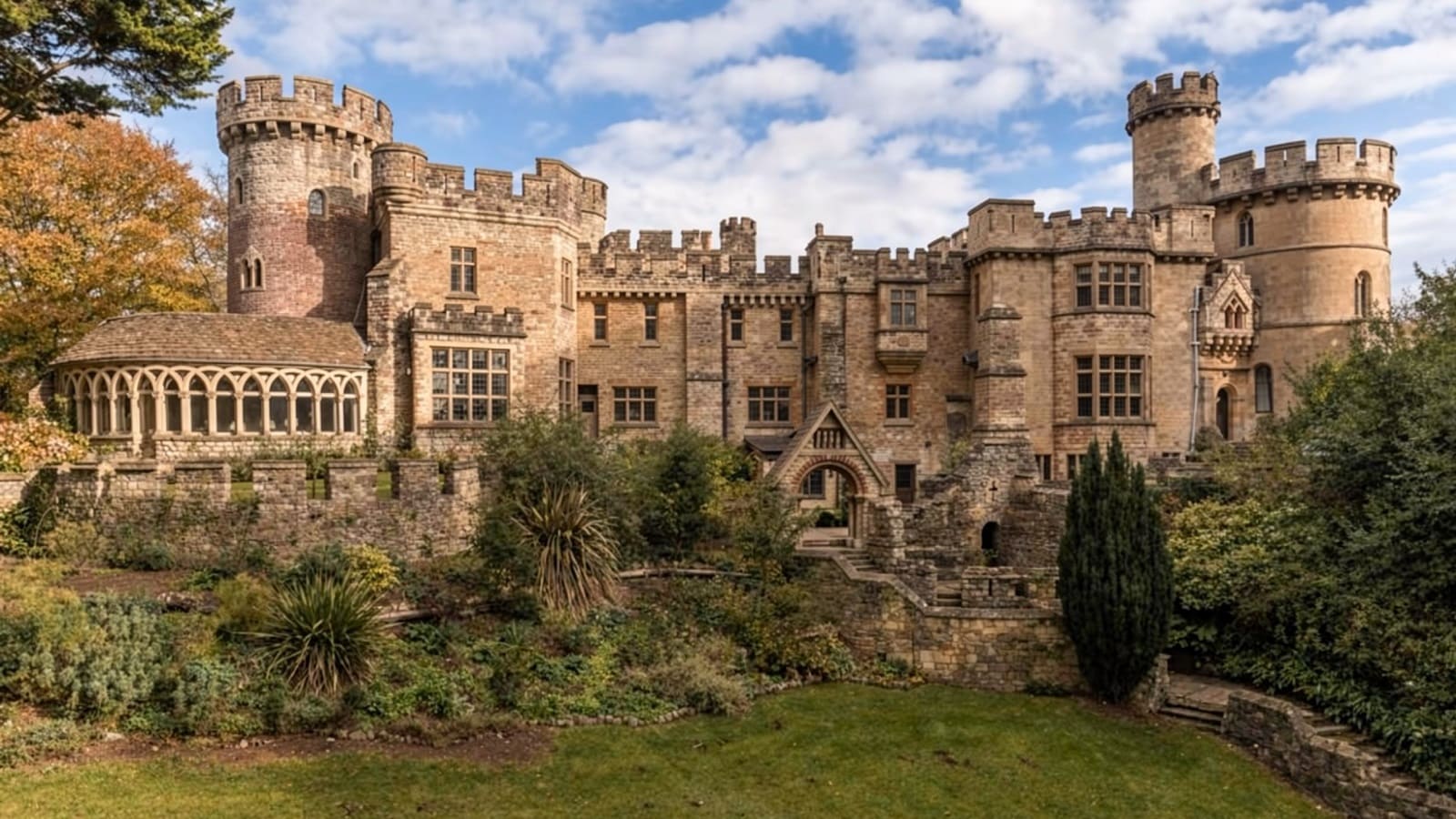
The countryside around Bristol is home to a wide variety of historic estates, country houses, castles and gardens. These make excellent day trips for visitors who enjoy architecture, history and landscaped gardens, while also offering a chance to experience the quieter side of the South West. Unlike a traditional city sightseeing day, these destinations allow you to combine a historic attraction with open countryside, walking and time outdoors.
Tyntesfield is one of the most impressive National Trust properties within easy reach of Bristol. This Victorian Gothic Revival house is surrounded by extensive gardens, parkland and woodland, providing plenty to explore beyond the main building. The estate is particularly attractive for visitors who want to combine historic architecture with a countryside walk, and its proximity to Bristol makes it practical even when you do not want to spend the entire day travelling.
Dyrham Park offers another combination of historic architecture and landscaped grounds. The National Trust property is centred around a grand late seventeenth-century house surrounded by parkland. Visitors can explore the historic setting and enjoy walks through the surrounding landscape, making it a good option for a slower day away from the city.
Berkeley Castle provides a different experience, with a much stronger medieval character. The castle has a long history and is associated with several important events in English history. Its defensive architecture and historic interiors make it particularly appealing to visitors who are more interested in castles than elegant Georgian or Victorian country houses.
Westonbirt, the National Arboretum, is another excellent choice for visitors who prefer gardens and woodland to historic buildings. Its extensive collection of trees creates an impressive landscape throughout the year, with particularly striking displays during autumn. Walking through the arboretum can easily occupy several hours, so it works well as a full or half-day excursion depending on your itinerary.
Newark Park is a smaller historic property with a different atmosphere from the larger estates. Set within the South Gloucestershire countryside, the Tudor house and surrounding grounds provide an opportunity to experience a quieter historic site away from the busiest tourist destinations. It can work particularly well as part of a wider countryside itinerary.
Most of these destinations are considerably easier to visit by car than by public transport. Rural bus services can be limited, and some properties are located away from major railway stations. If you do not have access to a car, check the current transport options for your chosen destination before committing to a particular itinerary. Organised tours may also provide an alternative for some attractions.
Opening dates and admission arrangements vary considerably between properties. Some historic houses and gardens operate seasonally, while others have different opening days depending on the time of year. Check the official website of the property before travelling, particularly if you are visiting outside the main summer season. Advance booking may also be required for certain National Trust properties or special events.
A day trip to a country house or castle is particularly rewarding when you allow time to enjoy the surroundings rather than simply visiting the main building. Bring comfortable shoes, allow time for walking and check the weather before setting out. Whether you choose a grand Victorian estate, a medieval castle or a large arboretum, these destinations provide a peaceful contrast to the busy streets of Bristol.

Family Day Trips from Bristol
Bristol is surrounded by attractions that make excellent day trips for families, from wildlife parks and adventure attractions to caves, historic estates and outdoor activities. A family excursion does not have to mean travelling a long distance. Several destinations within an hour or so of the city can provide enough entertainment for a full day, making them practical options for parents travelling with children of different ages.
Wookey Hole is one of the most distinctive family attractions in Somerset. Its famous limestone caves are located beneath the Mendip Hills, where visitors can explore an underground world of chambers and unusual rock formations. The attraction also includes other family entertainment, making it possible to combine the caves with activities above ground rather than spending the entire visit underground.
Noah's Ark Zoo Farm, near Bristol, is another popular option for families who enjoy animals. The attraction combines a zoo experience with outdoor spaces and activities designed for children. It can be a particularly good choice for younger visitors who may prefer seeing animals and having plenty of space to move around rather than spending a whole day inside a museum or historic building.
Puxton Park near Weston-super-Mare offers another family-friendly combination of animals, outdoor activities and play areas. Its location close to the Somerset coast means it can also be combined with other attractions in the area if you are planning a longer day. Families should check the current opening arrangements and available activities before travelling, as some attractions can be seasonal.
Longleat is a much larger destination and can easily occupy an entire day. The estate is particularly well known for its safari experience, where visitors can see a wide range of animals from the safety of their vehicle. There are also other attractions and historic elements to explore, so families should allow plenty of time rather than trying to combine Longleat with several unrelated destinations.
Families who prefer outdoor activities can also consider the countryside around Bristol and the Mendip Hills. Walking routes, country parks and open spaces provide inexpensive alternatives to ticketed attractions, especially when children need somewhere to run and explore. A picnic combined with a short walk can make a simple and flexible day out without the need to follow a fixed schedule.
When choosing a family day trip, consider the age of the children as well as the weather and travel time. Younger children may enjoy an attraction with several different activities, while older children might prefer caves, animals, adventure experiences or longer walks. It is also worth checking whether an attraction has indoor facilities, particularly if you are visiting during the cooler or wetter months.
Travelling by car is generally the easiest way to reach many family attractions outside Bristol. Some destinations have limited public transport connections, and changing buses can add considerable time to a day with children. Before setting off, check parking arrangements, opening hours, ticket prices and any attractions that require advance booking. Popular family venues can become busy during school holidays, weekends and good-weather periods.
A successful family day trip is usually better when the itinerary is kept simple. Choose one main destination and allow enough time to enjoy it rather than trying to visit several places in one day. Take snacks, water and suitable clothing, and leave some flexibility in the schedule for breaks. With attractions ranging from caves and wildlife parks to outdoor adventures and countryside walks, Bristol provides plenty of opportunities for families to enjoy a memorable day outside the city.
