Visitor Information
Planning a visit to Bristol is easier when you know a few practical details before you arrive. Beyond the city's attractions, restaurants and transport options, there are many small things that can make a real difference to your trip, from knowing when to visit and how payments work to finding public facilities, staying connected and getting help when you need it.
Bristol is a welcoming and straightforward city for visitors, but it is always useful to understand how things work locally. Opening hours can vary, British public holidays can affect services, and the weather can change quickly. Having some basic information in advance can save time and help you feel more comfortable when exploring the city.
This section brings together practical information for visitors, including the best time to come to Bristol, money and payments, accessibility, safety, medical assistance, useful apps and other everyday travel advice. Use it as a handy reference before your trip and while you are exploring the city.
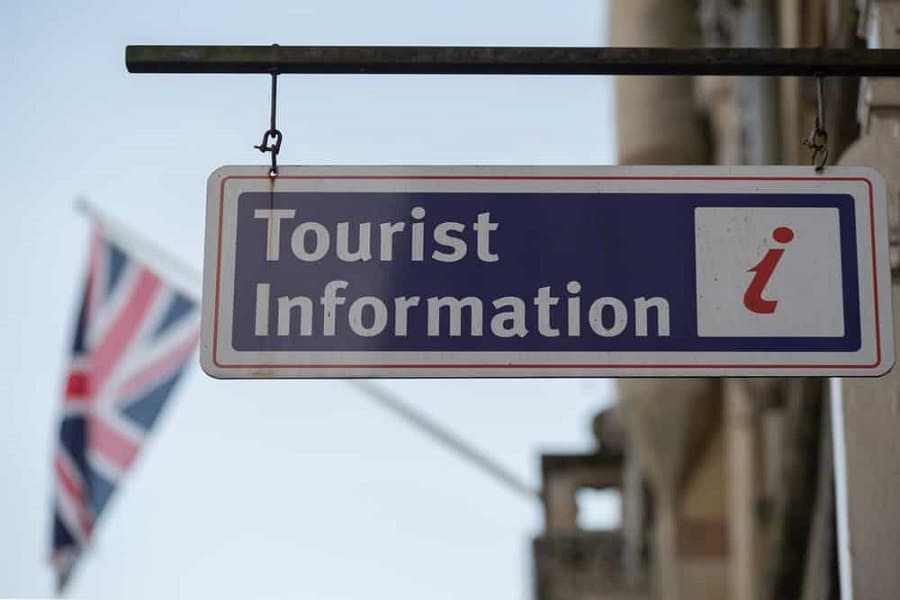
Tourist Information Centre
Bristol no longer has a traditional physical Tourist Information Centre in the city centre. The official visitor information service has moved online, so visitors can now find practical advice, maps, travel information and ideas for things to see and do through the official Visit Bristol website.
This does not mean that visitors arriving in Bristol are left without help. If you are already in the city and need some assistance, one of the first useful places to know about is Bristol Temple Meads railway station. Visitors arriving by train can speak to the Temple Meads Welcome Ambassadors, who are available to help with urgent questions and provide useful guidance when you first arrive in Bristol.
It is also worth checking the official visitor information online before travelling. The Visit Bristol website provides information about attractions, accommodation, food and drink, accessibility, getting around the city and other practical aspects of planning a visit. It also provides answers to many common questions asked by tourists.
For visitors who prefer a printed map or guide, you can still find free Bristol visitor information around the city. Official visitor guides and maps are available at a number of hotels, major attractions, transport hubs and selected cafés and other visitor locations. This can be particularly useful if you prefer not to rely entirely on your phone while exploring.
The official visitor guide can also be viewed or downloaded before your trip, allowing you to save useful information to your phone in advance. Having a map and basic travel information available offline can be especially helpful when your mobile connection is unreliable or when you want to preserve battery power during a long day of sightseeing.
For most visitors, the best approach is therefore to combine online information with local resources. Check current opening times and travel information before setting out, save the pages you are most likely to need, and pick up a printed map or visitor guide when you arrive if you prefer having something physical to refer to.

Best Time to Visit Bristol
Bristol is a year-round destination, but the best time to visit depends on what you want to do. The city has something to offer in every season, from outdoor walks and festivals in spring and summer to museums, galleries, cosy cafés and seasonal events during the cooler months. For many visitors, late spring through early autumn offers the best balance of comfortable weather, longer daylight hours and plenty of things happening across the city.
Spring is a particularly pleasant time to explore Bristol. Parks and gardens begin to come to life, and the longer days make it easier to combine sightseeing with walks around the harbour, Clifton and the city's historic streets. Spring also marks the beginning of Bristol's major festival season, with events such as Upfest and Love Saves the Day taking place in May. The weather can still be changeable, however, so a waterproof jacket and comfortable shoes are worth packing.
Summer is generally the busiest period for tourism and one of the liveliest times to visit. Longer daylight hours are ideal for sightseeing, walking and exploring the waterfront, while Bristol hosts a large number of festivals and outdoor events. Bristol Sounds takes place on the Harbourside in June, the Bristol Harbour Festival traditionally brings music, food and entertainment to the city in July, and the Bristol International Balloon Fiesta takes place in August. If you are planning to visit during a major event, booking accommodation in advance is strongly recommended.
Autumn can be an excellent choice for visitors who prefer a slightly quieter atmosphere. September can still offer good conditions for walking and outdoor sightseeing, while October brings colourful parks, seasonal events and a more relaxed pace in many parts of the city. As the days become shorter, Bristol's museums, galleries, restaurants and cafés become increasingly useful alternatives when the weather is wet or cool.
Winter is usually the quietest season for general sightseeing, although Bristol remains active throughout the colder months. Christmas events, markets, exhibitions, theatre performances and nightlife provide plenty of reasons to visit, and indoor attractions can be enjoyed regardless of the weather. Winter can also be a good option if you prefer fewer visitors and are looking for potentially better value accommodation outside major event periods.
Bristol's weather is changeable throughout the year, so it is difficult to plan a trip around sunshine alone. Rain is possible in every season, and even a pleasant day can turn wet or windy. The Met Office's long-term UK climate data shows that the warmer months generally have the highest average temperatures and longest daylight, while autumn and winter tend to bring more frequent rainfall and shorter days. Checking the forecast shortly before your trip is therefore more useful than relying only on seasonal averages.
For most first-time visitors, late spring, summer and early autumn are the easiest periods for combining Bristol's outdoor attractions with its cultural and indoor activities. However, there is no single perfect month. If festivals and outdoor events are important to you, summer is an obvious choice. If you prefer a quieter city and do not mind cooler weather, autumn or winter can provide a very different and equally enjoyable experience.

Money & Payments
The currency used in Bristol is the British pound sterling (£). Notes are issued in different denominations and coins are commonly used for smaller purchases, although visitors can make most everyday payments without carrying much cash. Bank cards and contactless payments are widely accepted throughout the city, making it easy to pay for food, shopping, transport and many attractions.
Contactless card payments are particularly convenient for visitors. Most shops, cafés, restaurants and other businesses accept contactless debit and credit cards, while mobile payment services such as Apple Pay and Google Pay are also widely available. If your bank supports contactless payments abroad, you can often use your usual card or smartphone without needing to exchange large amounts of cash when you arrive.
Before travelling, check with your bank or card provider to find out whether international transaction fees, foreign exchange charges or ATM withdrawal fees apply to your account. The exchange rate offered by your bank or card provider can also vary, so it is worth understanding the costs before making larger purchases.
If a card machine asks whether you would like to pay in pounds or in your home currency, choosing pounds is often preferable. Paying in your own currency can involve dynamic currency conversion, where the retailer or payment provider sets the exchange rate. Your own bank or card issuer may offer a better exchange rate, although you should check the terms of your particular card.
Cash is still useful in some situations, even though it is no longer necessary for most everyday purchases. A small amount of British currency can be handy for independent businesses, markets, small purchases or situations where a card machine is temporarily unavailable. Cash machines and bank ATMs can be found throughout Bristol, particularly around shopping areas, transport hubs and busy parts of the city.
Be aware that some independent cash machines may charge a fee for withdrawals. Before confirming a transaction, the machine should normally tell you if a withdrawal charge applies. Your own bank may also charge an additional fee for using an overseas ATM, so checking your card's conditions before travelling can help avoid unexpected costs.
Tipping is not compulsory in the UK, but it is common to leave something extra when you have received good service in a restaurant or café. Many restaurants add a discretionary service charge to the bill, so check the bill before adding another tip. There is generally no need to tip simply because you have paid by card or used contactless payment.
For a short visit to Bristol, the easiest approach is usually to carry one main payment card, a backup card stored separately, and a small amount of cash. Keeping your bank's contact details and card-freezing facility available on your phone is also sensible in case your card is lost or stolen.

Opening Hours & Public Holidays
Opening hours in Bristol are generally straightforward, but they can vary considerably between different types of businesses and attractions. Shops, cafés and restaurants often have their own schedules, while museums, galleries and other visitor attractions may operate different hours depending on the day of the week or the season. It is always worth checking the current opening times before setting out, particularly if you are planning to visit somewhere at the beginning or end of the day.
Many shops in central Bristol open throughout the week, with longer hours on some weekdays and Saturdays. Sundays can have shorter opening hours, although this varies from business to business. Restaurants and cafés may also have different schedules for breakfast, lunch and dinner, and some independent businesses close on particular days of the week.
Attractions can be more specific about their opening times. Some museums and galleries close on Mondays or have seasonal schedules, while historic buildings and outdoor attractions may change their hours depending on the time of year. If a particular attraction is an important part of your itinerary, check its official website shortly before your visit rather than relying on an old travel guide or search result.
Bank holidays are another important consideration when planning a trip to Bristol. England and Wales have several bank holidays during the year, including New Year's Day, Good Friday, Easter Monday, the early May bank holiday, the spring bank holiday, the summer bank holiday, Christmas Day and Boxing Day. When a bank holiday falls at a weekend, a substitute weekday is normally used.
A bank holiday does not automatically mean that everything in Bristol is closed. Many shops, restaurants, cafés and attractions continue to operate, particularly in busy tourist areas, but opening hours may be different from normal. Some businesses may open later, close earlier or remain closed for the day, so it is best to check before travelling.
Public transport can also operate according to a different timetable on bank holidays. If you are planning to travel outside the city centre or visit several places in one day, check the relevant transport information as well as the opening hours of your destination. This is particularly important around Christmas and New Year, when changes can be more extensive.
The easiest way to avoid wasted time is to check the official website of each attraction, restaurant or other business shortly before your visit. For a busy sightseeing day, it can also help to plan around opening times rather than simply arriving whenever convenient. A few minutes of preparation can make it much easier to fit several attractions into the same day.
If you are visiting Bristol during a bank holiday weekend or around Christmas and New Year, allow a little extra flexibility in your plans. Popular attractions and restaurants can be busier than usual, while some services may operate reduced schedules. Checking current information in advance will help you avoid surprises and make the most of your time in the city.
Public Toilets & Accessibility
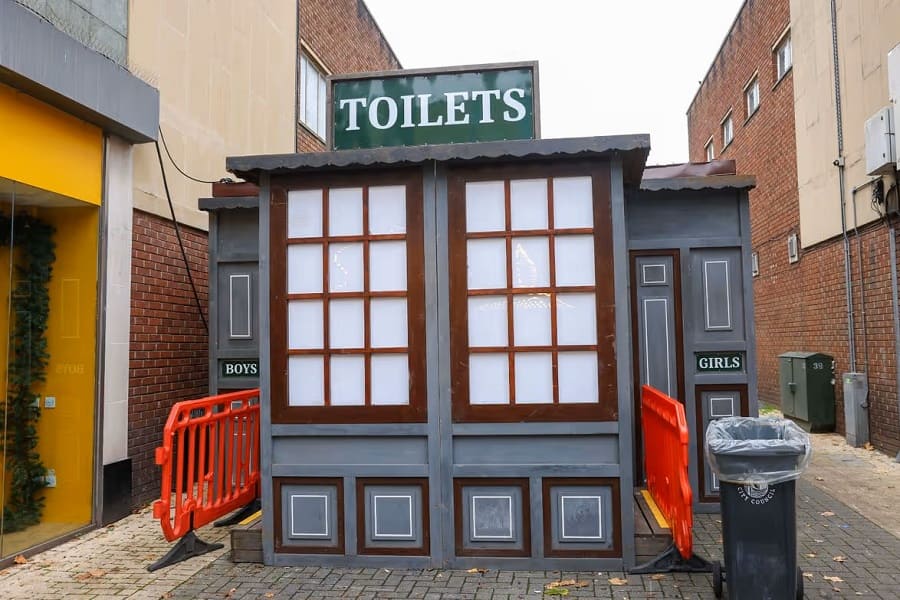
Finding a public toilet is usually straightforward in Bristol, particularly around the city centre, shopping areas, major attractions and transport hubs. In addition to dedicated public conveniences, Bristol operates a Community Toilet Scheme, which allows visitors to use toilet facilities at participating businesses and public venues without necessarily having to make a purchase.
Bristol City Council provides an official online map showing public toilets across the city. The map includes information about locations, opening times and the facilities available, and it can be particularly useful when you are already out exploring. If you are using a mobile phone, the map can help you identify toilets close to your current location rather than having to search for one manually.
A number of locations in the city centre participate in the Community Toilet Scheme. These include places such as Bristol Central Library, Bristol Old Vic, Brandon Hill, Cabot Circus, City Hall, M Shed, SS Great Britain, Watershed and other venues around the central area. The council's list identifies which facilities are accessible, so visitors with specific requirements can check the details before setting out.
Accessibility is not identical at every location, so it is important to check the information for the particular toilet you intend to use. Some facilities are marked as wheelchair accessible, while others may have different arrangements. The official council map is therefore more useful than assuming that every public toilet offers the same level of access.
Visitors who require more extensive changing facilities should also look for Changing Places toilets. These are designed for people who cannot use standard accessible toilets and may require additional space and specialist equipment. Bristol City Council lists Changing Places facilities as part of its public toilet information, including a facility at City Hall.
If accessibility is important to your visit, it is worth checking facilities before travelling rather than waiting until you need them. Consider the location, opening hours and accessibility information together with the route you intend to take. This is especially useful when planning a long day of sightseeing, when several hours may be spent away from your accommodation.
Toilet facilities can also have different opening times, particularly when they are located inside another building or are provided through the Community Toilet Scheme. The council advises that information can change, so checking the current online map is the best way to confirm what is available on the day of your visit.
For the latest locations, opening times and accessibility information, use the official Bristol City Council public toilet map before heading out. It provides the most useful current information and is much easier to keep up to date than a fixed list on a travel website.

Safety & Staying Safe
Bristol is a popular destination for visitors and, like any busy British city, is generally straightforward to explore when you take normal precautions. Most tourists can enjoy the city without any particular concerns, but it is still worth being aware of your surroundings, especially in crowded areas, around transport hubs and when exploring unfamiliar streets after dark.
Keep your wallet, phone and other valuables secure when visiting busy places. Pickpocketing and opportunistic theft can happen in crowded areas, particularly where people are distracted by shopping, sightseeing or getting on and off public transport. Avoid leaving phones, bags or cameras unattended in cafés, restaurants or other public places, and keep valuable items out of sight when they are not being used.
Bristol's city centre and main visitor areas can become particularly busy during festivals, concerts, sporting events and large public celebrations. Large crowds are usually part of the atmosphere, but they also make it easier to lose sight of travelling companions. If you are visiting with children or a group, agree on a meeting point in advance in case someone becomes separated from the others.
At night, stick to well-lit streets and established routes when walking between restaurants, entertainment venues and your accommodation. Bristol has a lively nightlife scene, and the central areas can remain busy late into the evening, but quieter streets may feel very different once the main crowds have gone. If you are unfamiliar with the city, using a recognised taxi or a reputable ride service can be a sensible option when travelling back to your accommodation late at night.
Take particular care when walking near the harbourside, riverside areas and roads. Bristol has many attractive waterfront routes, but water can be difficult to judge at night or in poor weather. Keep to designated paths and respect barriers and warning signs. When crossing roads, remember that traffic in the UK drives on the left, which can be easy to forget when you are concentrating on sightseeing.
If you are cycling, follow local traffic rules and use appropriate cycle routes where available. Visitors hiring bicycles or other forms of transport should familiarise themselves with the route before setting off, particularly if they are not accustomed to cycling on the left-hand side of the road.
It is also sensible to keep your accommodation details and important contact information available on your phone. If you lose a bank card, contact your bank as soon as possible and use its app or emergency service to freeze the card. If your phone is lost or stolen, having your important travel details backed up or stored somewhere else can make the situation much easier to manage.
For most visitors, staying safe in Bristol simply means using the same common sense you would use in any unfamiliar city: keep valuables secure, stay aware of your surroundings, take extra care at night and avoid unnecessary risks. A little preparation will allow you to concentrate on enjoying Bristol rather than worrying about everyday problems.
Emergency Contacts & Medical Help
Knowing how to get help quickly is important when travelling in an unfamiliar city. Bristol has the same emergency services used throughout the UK, and visitors can access medical assistance even if they are not registered with a local doctor. Keep the main emergency numbers saved on your phone before you start exploring the city.
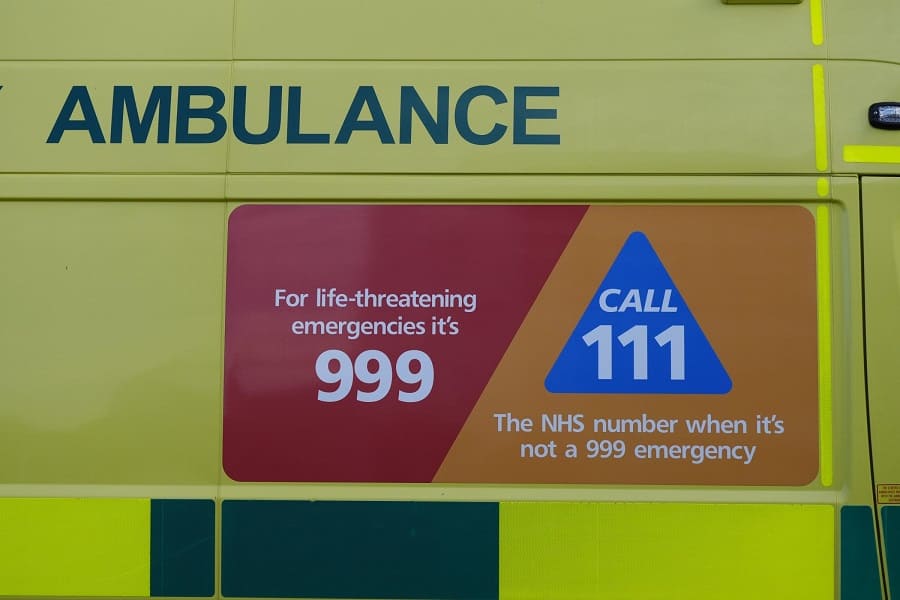
For a life-threatening emergency, call 999. This is the main UK emergency number for police, ambulance and fire services. You should use it when someone is seriously ill or injured, there is an immediate danger to life, a serious road accident has occurred, or urgent assistance from the emergency services is required.
The number 112 can also be used for emergency services in the UK. It works alongside 999, so visitors from countries where 112 is the familiar emergency number can use it in Britain as well.
For urgent medical problems that are not life-threatening, the NHS recommends calling 111 or using NHS 111 online. The service is available 24 hours a day and can assess your situation and direct you to the most appropriate service, which may include an urgent treatment centre, pharmacy, GP service or hospital. You can also ask for an interpreter if you need help in another language.
If you have a serious injury or illness that requires emergency treatment, Bristol Royal Infirmary has an Accident & Emergency department on Marlborough Street. Its A&E service is open 24 hours a day. For non-life-threatening problems, however, NHS 111 can help you find the appropriate service before you go to hospital.
For less serious problems such as minor illnesses, headaches, stomach upsets, insect bites or other everyday ailments, a local pharmacy can often provide useful advice. Pharmacists can recommend appropriate over-the-counter treatment and can direct you to another NHS service if your symptoms require further attention.
If you need to contact the police but there is no immediate emergency, use 101. This number is intended for non-emergency police enquiries and reporting incidents that do not require an immediate response. In an emergency or if someone is in immediate danger, always use 999 instead.
Before travelling, it is sensible to save your accommodation address, travel insurance details and any important medical information on your phone. If you take regular medication, bring enough for your trip and keep it in its original packaging where possible. Having these details available can make it much easier to explain your situation if you need medical assistance.

Useful Apps & Online Services
A smartphone can make travelling around Bristol considerably easier. You do not need dozens of travel apps, but having a few reliable services available can help with navigation, public transport, weather, attraction information and unexpected situations. It is worth installing or bookmarking the most useful ones before you arrive, particularly if you are planning to spend most of the day exploring the city on foot.
A good maps and navigation app is probably the most useful tool for a first visit. Google Maps and Apple Maps can help you find attractions, restaurants, shops and other places, while also providing walking and driving directions. Before leaving your accommodation, it can be useful to check the complete route rather than simply relying on navigation from one location to the next. This gives you a better idea of how much walking is involved and where you will be travelling.
Public transport information is also worth having readily available. Bristol's buses and MetroBus services operate across the city and surrounding areas, and current journey information can be checked online before travelling. Timetables and routes can change, so checking the latest information shortly before setting out is preferable to relying on information saved from an earlier trip.
Weather information can be surprisingly important in Bristol. The city's weather can change quickly, and a day that begins with sunshine can become wet later on. A reliable weather app can help you decide whether to spend more time outdoors or move some indoor attractions higher up your itinerary. Checking the forecast each morning can also help you decide what clothing and footwear to take with you.
If you need medical advice during your visit, NHS 111 is another service worth saving in your phone. It can provide advice for urgent medical problems that are not life-threatening and help you find the most appropriate NHS service. This is particularly useful for visitors who are unfamiliar with the British healthcare system.
It is also worth saving the official websites of the attractions you plan to visit. These are often more useful than relying solely on third-party travel apps because they provide the latest information about opening hours, temporary closures, ticket availability, exhibitions and special events. This can be especially important during busy periods and around public holidays.
If you are travelling from overseas, make sure your phone is ready for use in the UK. Depending on your mobile provider and home country, you may need to check roaming conditions before travelling. Downloading important maps or travel information for offline use can also be helpful if you lose mobile coverage or want to reduce data usage.
Finally, keep essential information accessible even if your phone battery runs low. Save your accommodation address, important travel details and emergency numbers somewhere you can access quickly. Carrying a small power bank can also be useful during a long sightseeing day, particularly if you rely heavily on your phone for maps, tickets and navigation.
Travelwest – Official Bristol & West of England Travel Information →

Wi-Fi, Mobile Data & Connectivity
Staying connected in Bristol is generally easy, and most visitors will have no difficulty accessing the internet during their trip. Hotels, cafés, restaurants, shopping centres and many other visitor facilities commonly provide Wi-Fi, while mobile networks cover the city and surrounding areas. Having reliable internet access is particularly useful when you are using maps, checking transport information, booking tickets or looking up opening times while exploring.
If your accommodation provides Wi-Fi, connect to it before heading out for the day and take the opportunity to download anything you may need offline. Maps, travel information, attraction details and important booking confirmations can all be useful when you are away from your hotel. This can also reduce the amount of mobile data you use during a busy day of sightseeing.
Visitors arriving from outside the UK should check their mobile provider's roaming conditions before travelling. Depending on your country and contract, using mobile data in Britain may be included in your normal allowance or may result in additional charges. Checking this before departure is much easier than discovering unexpected roaming costs after your trip.
If your normal mobile plan does not provide affordable roaming in the UK, you may be able to use a UK SIM or eSIM instead. Modern smartphones often support eSIM technology, allowing travellers to purchase a suitable data plan before arrival or after landing without replacing their physical SIM card. Availability and compatibility depend on your phone and provider, so check these details before travelling.
Free Wi-Fi can be convenient, but visitors should still use sensible precautions when connecting to public networks. Avoid carrying out sensitive banking or other important transactions on an unfamiliar network unless you are confident that the connection is secure. When possible, use your own mobile data for particularly sensitive activity and keep your phone's operating system and security software up to date.
Bristol's public transport and visitor services are increasingly dependent on online information, so keeping your phone charged is just as important as having an internet connection. A portable power bank can be useful if you are spending a full day sightseeing, particularly when your phone is being used continuously for navigation, photographs, tickets and travel information.
It is also sensible to keep essential information available offline. Save your accommodation address, important booking details and emergency numbers before leaving your hotel. If your battery runs out or your connection temporarily disappears, you will still have the information you need to continue your journey or get help.
For most visitors, a combination of hotel Wi-Fi, mobile data and offline maps will be more than enough for exploring Bristol. A little preparation before leaving home can help you avoid unnecessary roaming charges and ensure that your phone remains a useful travel tool throughout your stay.

What to Pack for Bristol
Packing for Bristol is mostly about being prepared for changeable weather and spending plenty of time on foot. The city is easy to explore without carrying a large amount of equipment, but a few practical choices can make sightseeing much more comfortable. What you need will also depend on the season, the length of your stay and the activities you plan to include.
Comfortable walking shoes should be at the top of your list. Bristol has a compact centre and many attractions can be reached on foot, but the city also has hills, steps, cobbled or uneven surfaces and long waterfront routes. Shoes that are comfortable for several hours of walking are much more useful than bringing footwear that is suitable only for evenings or special occasions.
A waterproof jacket or compact raincoat is also a sensible choice at almost any time of year. Bristol's weather can change during the day, and rain showers are possible even when the morning starts bright and dry. A small umbrella can be useful too, although a waterproof outer layer is often more practical when you are walking in windy conditions.
Layers are generally more useful than one very warm item of clothing. A T-shirt or light base layer combined with a jumper or fleece and a waterproof outer layer gives you more flexibility when temperatures change. In spring and autumn, this approach can be particularly useful because mornings and evenings may feel considerably cooler than the middle of the day.
In summer, remember that comfortable clothing, sunglasses and sunscreen can still be useful. Bristol has plenty of outdoor spaces and waterfront areas where you may spend several hours outside. Even on days that do not feel particularly hot, spending a long time outdoors can mean more exposure to the sun than you expect.
In colder months, pack warmer layers, a waterproof coat and suitable footwear. A hat, gloves and scarf can be worthwhile if you plan to spend a lot of time outdoors, especially when walking around the harbour or visiting viewpoints. The exact clothing you need will naturally depend on the forecast during your stay.
A small day bag is useful for carrying your phone, wallet, water, sunglasses, a light extra layer and anything you pick up during the day. There is usually no need for a large backpack unless you are planning longer walks or day trips outside Bristol. Keeping your bag reasonably light will make walking around the city much more enjoyable.
Your phone will probably be one of your most useful travel items. Make sure you have enough storage for photographs, access to maps and your important booking information. A portable power bank can be especially useful if you plan to use your phone throughout the day for navigation, tickets, photography and transport information.
Finally, bring any medication and personal items you normally need during the day, together with travel documents and payment cards. If you are travelling from overseas, keep important booking details and your accommodation address accessible offline as well as online. A little preparation before leaving home means you can spend your time exploring Bristol rather than looking for something you forgot to pack.

Local Etiquette & British Customs
Bristol is a relaxed and friendly city, and visitors are unlikely to encounter complicated rules of etiquette. However, understanding a few everyday British customs can make your visit more comfortable and help you feel at ease when using public transport, eating out, shopping or meeting local people.
Queuing is one of the most familiar British habits. When waiting for a bus, entering a shop or buying something at a counter, people generally form an orderly queue rather than pushing forward. If you are unsure where to wait, look for the end of the queue and follow the same order as everyone else. Joining a queue in the middle can easily be seen as cutting in.
Saying "please" and "thank you" is common in everyday conversation. You will hear these expressions frequently when ordering food, buying something in a shop, asking for assistance or speaking with staff. A simple "excuse me" is also the normal way to get someone's attention or ask to pass through a crowded area.
British people generally value personal space, particularly when travelling on public transport or waiting in a queue. Avoid standing unnecessarily close to strangers, and try not to block doorways, pavements or the entrances to buses and shops. When walking through busy areas, keeping to one side of the pavement can make it easier for other people to pass.
On buses and other forms of public transport, it is considerate to allow passengers to get off before you board. Keep bags and luggage out of the way where possible, and avoid occupying additional seats when the vehicle is busy. If you are travelling with a large suitcase, be particularly aware of other passengers when boarding and moving through the vehicle.
Tipping in restaurants is not compulsory in Britain, although leaving a tip for good service is common. Before paying, check whether a service charge has already been included in the bill. If it has, there is normally no obligation to leave an additional tip. Practices can vary between restaurants, cafés, pubs and other businesses, so there is no need to feel pressured into tipping in situations where it is not customary.
In pubs, ordering at the bar is generally normal rather than waiting for table service. If you are visiting a traditional pub, check whether food and drinks are ordered separately and follow the instructions provided by the venue. In restaurants, however, service is normally provided at the table.
Bristol is proud of its independent culture and creative character. Visitors will encounter street art, historic buildings, markets, live music and neighbourhood businesses throughout the city. Treat public spaces, artwork and historic sites with respect, and follow any signs or instructions concerning photography, access and behaviour.
Finally, remember that Bristol is a diverse modern city, so there is no need to worry about getting every small social custom exactly right. Being polite, patient and respectful of other people is generally all that is required. If you are unsure about something, simply observe what local people are doing and follow their example.

Useful Numbers & Important Information
Most visitors will never need to make an important phone call during their stay, but keeping a few useful numbers and services available can make dealing with an unexpected problem much easier. Save the information below in your phone before you start exploring Bristol, particularly if you are travelling with children, older relatives or anyone who may need additional assistance.
999 – Emergency Services: Call 999 when there is an immediate danger to life or when you need urgent assistance from the police, ambulance service or fire and rescue service. The operator will ask which service you require and where you are. Try to give a clear location, particularly if you are outdoors or in an unfamiliar part of the city.
101 – Police Non-Emergency: Avon and Somerset Police use 101 for situations that require police assistance but are not emergencies. This can include reporting a crime that has already happened when there is no immediate danger, or contacting the police about a non-urgent matter. If someone is in immediate danger, use 999 instead.
NHS 111 – Urgent Medical Advice: NHS 111 is available for urgent medical problems that are not life-threatening. The service can advise you about the most appropriate healthcare option and direct you to services such as an urgent treatment centre, pharmacy or other NHS provider. For a life-threatening emergency, call 999 instead.
Bristol City Council – 0117 922 2000: The council's main switchboard can help with general council enquiries and direct you to the appropriate service. Current telephone opening hours are Monday to Thursday from 8:30am to 5pm and Friday from 8:30am to 4:30pm. For non-urgent matters, the council recommends using its online services where possible.
Travel Information: For current information about buses, trains, roads and other transport services, check Travelwest and the relevant transport operator before travelling. This is particularly important when bad weather, road closures, engineering works or major events may affect your journey. Bristol City Council recommends Travelwest as a source for local travel updates.
Lost or Stolen Cards: If your bank card is lost or stolen, contact your bank or card provider immediately and use its mobile app to freeze the card if this option is available. Keep your bank's emergency contact details somewhere accessible rather than relying entirely on the card itself.
Lost Property: If you lose something while travelling on a bus, train, at an attraction or in another business, contact the organisation where you believe you lost it as soon as possible. Different operators and venues manage their own lost property, so there is no single central lost-and-found service covering every location in Bristol.
Before leaving your accommodation each day, it is useful to have your hotel or apartment address saved on your phone, together with your booking information and the main emergency numbers. If your phone battery is low, a small power bank can be useful. Having these basic details ready means that even an unexpected problem is much easier to deal with.
