Museums & Galleries in Bristol
Bristol has a fascinating collection of museums and galleries covering the city's history, art, maritime heritage, science, aviation and contemporary culture. Some are housed in impressive historic buildings, while others occupy former industrial and dockside spaces, making the museums themselves part of the Bristol experience.
The city's museums are also varied enough to suit very different interests. Bristol Museum & Art Gallery is a natural choice for visitors who want a broad introduction to art, history and the natural world, while M Shed focuses specifically on Bristol and its people. The SS Great Britain explores the city's maritime and engineering heritage, and Aerospace Bristol offers the chance to see the famous Concorde at close quarters.
Contemporary art is another important part of Bristol's cultural identity. Galleries and creative spaces such as Arnolfini, the Royal West of England Academy and Spike Island provide opportunities to see modern and contemporary work, while the city's streets themselves have become an open-air gallery through Bristol's famous street art scene.
Many of Bristol's museums and galleries are located in or close to the city centre, making them easy to combine with other attractions during a day of sightseeing. This guide highlights the places most worth knowing about, what you can expect from each one and how to choose the museums and galleries that best match your interests and available time.
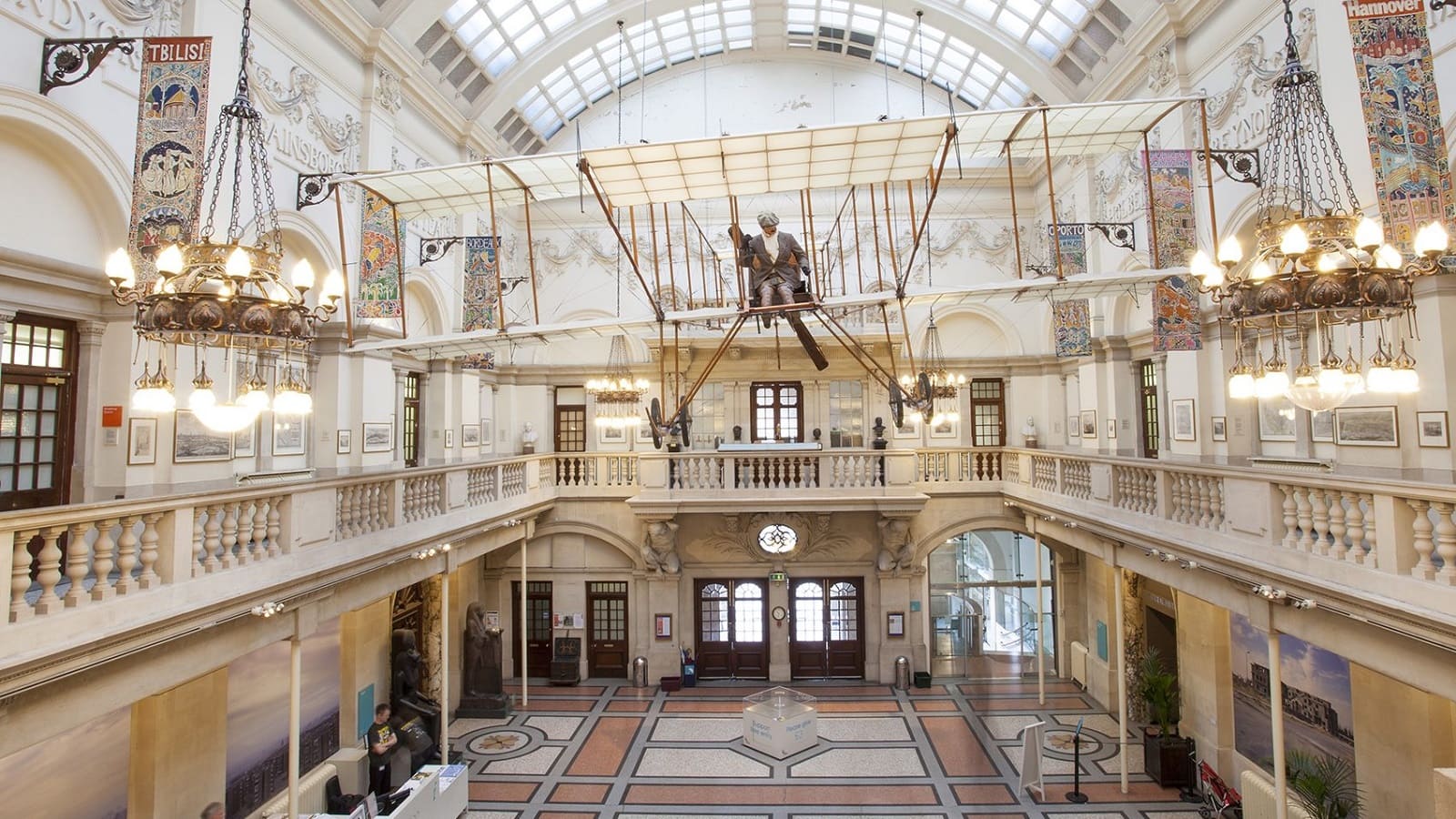
Museums & Galleries in Bristol: What to Expect
Bristol has a surprisingly broad choice of museums and galleries, ranging from major city museums to smaller historic houses, contemporary art spaces and specialist collections. This variety means that visitors can easily choose something that matches their interests rather than trying to see everything in one day.
Bristol Museum & Art Gallery is one of the best places to begin if you want a broad introduction to the city and its cultural collections. Its exhibitions cover art, archaeology, history, geology and natural history, making it particularly useful for families and first-time visitors who want several subjects in one building. The museum is also free to enter, although some temporary exhibitions and special events may require a ticket.
For a more focused look at Bristol itself, M Shed on the Harbourside tells the story of the city and its people. Its collections and exhibitions cover Bristol's industrial past, transport, social history and changing identity. The museum is particularly easy to combine with a day around the Harbourside because it sits directly beside the waterfront and close to other major attractions. General admission is free.
Bristol's maritime and engineering heritage is represented particularly well by the SS Great Britain. Brunel's famous ship is one of the city's major attractions and offers a very different experience from a conventional museum, with visitors able to explore the ship itself as well as the surrounding dockyard and museum displays. It is a paid attraction and is worth allowing several hours if you want to see the site properly.
Art lovers have several alternatives to the main museum. Arnolfini focuses on contemporary art and culture in its Harbourside setting, while the Royal West of England Academy is known for exhibitions of historic and contemporary art. Spike Island provides another important contemporary art space in a former industrial building. Current exhibitions vary, so checking the programme before visiting is particularly worthwhile for these venues.
Aerospace Bristol is another standout attraction for visitors interested in technology and engineering. The museum's collection includes the iconic Concorde, alongside aircraft and exhibitions exploring the history of aerospace in Bristol and the wider region. It is located at Filton rather than in the central tourist area, so it is better planned as a separate stop rather than something to fit into a short city-centre walking route.
Smaller museums can be rewarding when you have already visited the main attractions or want something quieter. Historic houses such as Red Lodge Museum and the Georgian House Museum provide a more intimate look at how people lived in Bristol in earlier periods. They can be particularly interesting for visitors who enjoy architecture and social history rather than large collections.
One of the advantages of Bristol's museum scene is that several important attractions can be visited without an admission charge. This makes it possible to combine free museums with one or two paid attractions according to your interests and budget. Before visiting, check the current opening hours, temporary exhibitions and booking requirements, as these can vary between venues.
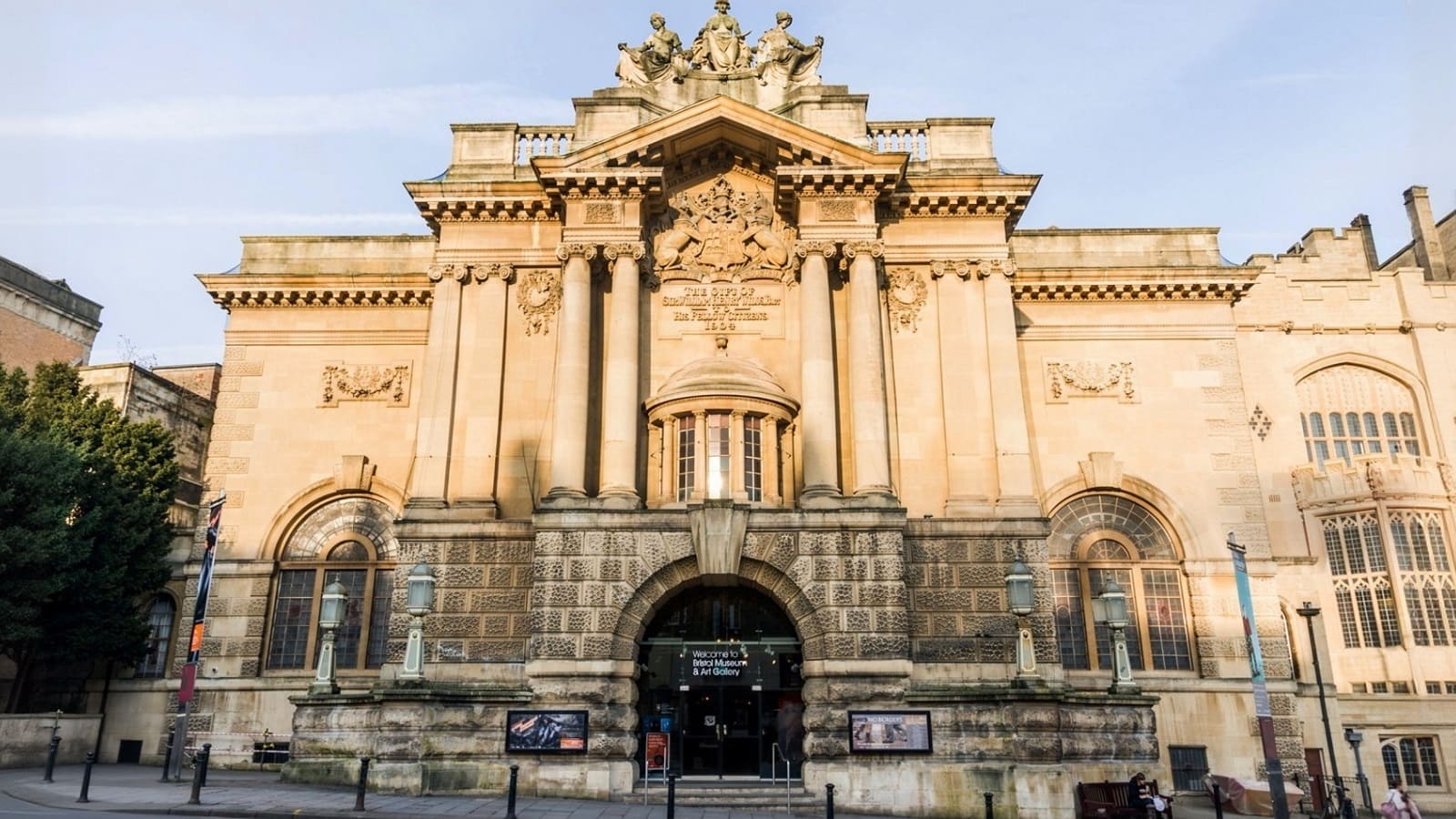
Bristol Museum & Art Gallery
Bristol Museum & Art Gallery is one of the best places to visit if you want a broad introduction to the city's art, history and natural history in one location. The museum is housed in an impressive historic building at the top of Park Street, close to Clifton and within walking distance of the city centre. Its wide range of collections makes it a particularly good choice for first-time visitors who want to see several different subjects without travelling between separate museums.
The museum's collections cover fine art, archaeology, geology, natural history and world cultures. You can move from paintings and sculpture to ancient objects, fossils, minerals and displays about the natural world. The variety is one of the museum's main strengths, particularly for families or groups where everyone has different interests.
The building itself is also worth seeing. Its historic architecture provides an impressive setting for the collections, while the galleries range from traditional museum displays to more modern exhibition spaces. Allowing at least a couple of hours is sensible if you want to explore several sections rather than simply making a quick visit.
One of the biggest advantages for visitors is the general admission policy. Bristol Museum & Art Gallery is free to enter, although particular temporary exhibitions and special events may require tickets. This makes it an easy attraction to add to an itinerary even if you are trying to keep sightseeing costs under control. It also means you can spend as much or as little time as your schedule allows.
The location makes the museum particularly easy to combine with other Bristol attractions. After visiting the galleries, you can walk down Park Street towards the city centre, continue towards the Harbourside or explore Clifton and the surrounding streets. The nearby Royal West of England Academy also makes the area interesting for visitors who want to see more art during the same day.
Families should allow extra time for the natural history displays, while visitors interested in art can concentrate on the museum's paintings and sculpture collections. Temporary exhibitions can also change the experience considerably, so it is worth checking the current programme before your visit if there is a particular exhibition you want to see.
If you only have time for one general museum during your first visit to Bristol, this is one of the strongest choices. Its central location, broad collections and free general admission make it accessible to almost any visitor, while the variety means that even a short visit can provide a useful introduction to Bristol's cultural and historical character.

M Shed & Bristol's History
If you want to understand Bristol itself rather than simply visit a general museum, M Shed is one of the best places to start. Located directly on the Harbourside in a former transit shed, the museum tells the story of Bristol through the experiences of its people, businesses, industries and communities.
The exhibitions cover a wide range of subjects, from Bristol's maritime and industrial past to transport, social history and the changes that have shaped the city. Instead of presenting history as a collection of distant dates and objects, M Shed focuses strongly on the people who have lived and worked in Bristol and on how the city has developed over time.
The museum's location is part of its appeal. It stands beside the Floating Harbour, surrounded by reminders of Bristol's dockside history. Outside the building you can see historic vessels and working harbour equipment, while the waterfront itself provides a useful context for understanding why Bristol developed as an important port and trading city.
M Shed is particularly good for visitors who are seeing Bristol for the first time because it can help make sense of places you will encounter elsewhere in the city. Stories about the harbour, industry, transport and local communities give more context to the streets, buildings and landmarks you may already have seen during your sightseeing.
General admission to M Shed is free, although special exhibitions and events may have separate arrangements. This makes it easy to include in a day around the Harbourside without having to make a large commitment of either time or money. You can make a shorter visit between other attractions or stay longer if Bristol's history is a particular interest.
The museum is also conveniently located close to other major attractions. After visiting M Shed, you can walk along the waterfront towards Millennium Square, Arnolfini and the SS Great Britain, or continue towards the city centre. This makes it one of the easiest museums in Bristol to combine with a wider sightseeing route.
Allow around one to two hours for a comfortable visit, although visitors with a strong interest in local history may want longer. Before going, check the current museum information for opening times, temporary exhibitions and any special events. For anyone wanting to understand the city beyond its most famous landmarks, M Shed is one of the most worthwhile museums to include in a Bristol itinerary.
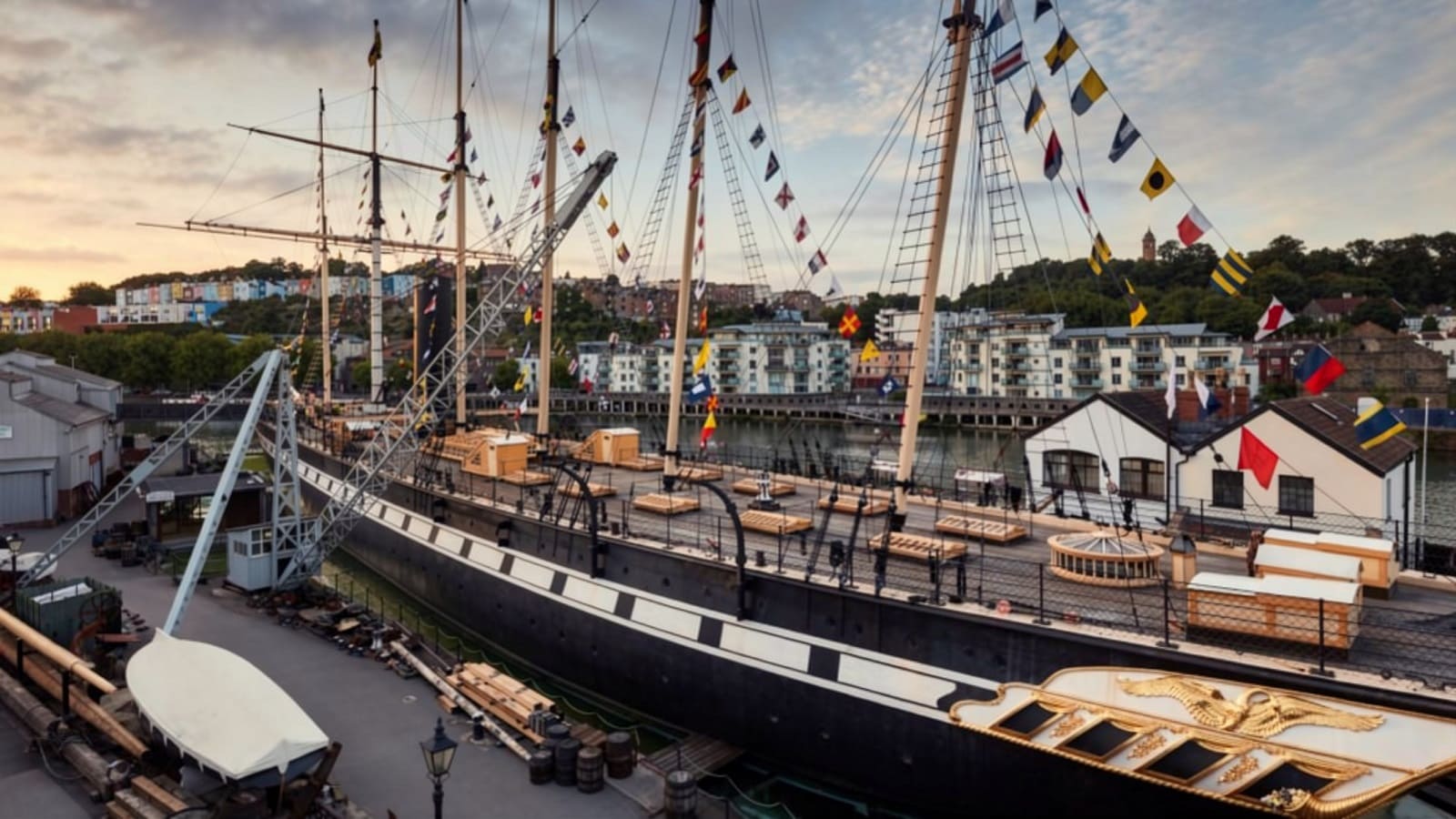
SS Great Britain & Bristol's Maritime Heritage
The SS Great Britain is one of Bristol's most important attractions and one of the best places to explore the city's maritime and engineering heritage. Designed by the famous engineer Isambard Kingdom Brunel, the ship was launched in Bristol in 1843 and became one of the most significant ships of its time.
Today, visitors can step aboard the restored ship and explore its decks, cabins and interiors while learning about the people who travelled and worked on board. The experience goes beyond simply looking at a historic vessel: the exhibitions help explain how the ship was designed, how it operated and what life was like for passengers and crew during its working years.
The dockyard around the ship is also part of the attraction. The historic setting helps explain Bristol's connection with shipbuilding, international travel and trade, while the surrounding exhibitions provide additional information about Brunel and the technology behind the SS Great Britain. For anyone interested in engineering or industrial history, this is one of the strongest attractions in the city.
The attraction is particularly good for families because there is plenty to explore rather than a series of static museum displays. Children can move around the ship, see the different areas used by passengers and crew and get a much clearer idea of what travelling on a nineteenth-century steamship would have been like.
The SS Great Britain is a paid attraction, so it is worth checking current admission prices and opening times before visiting. Allow several hours if you want to explore the ship, dockyard and exhibitions properly. The attraction also offers a more immersive experience than a conventional museum, making it a good choice if you want one major historical attraction rather than several shorter museum visits.
Its position on Bristol's Harbourside makes the SS Great Britain easy to combine with other attractions. M Shed is nearby, while Arnolfini and other waterfront venues are within walking distance. A visit can therefore form part of a full Harbourside itinerary rather than requiring a separate trip across the city.
If you have a particular interest in Brunel, ships, engineering or Bristol's role as a major port, the SS Great Britain should be high on your list. Even visitors who are not normally enthusiastic about museums may find the opportunity to walk through the original ship and its historic dockyard more engaging than a conventional collection behind glass.
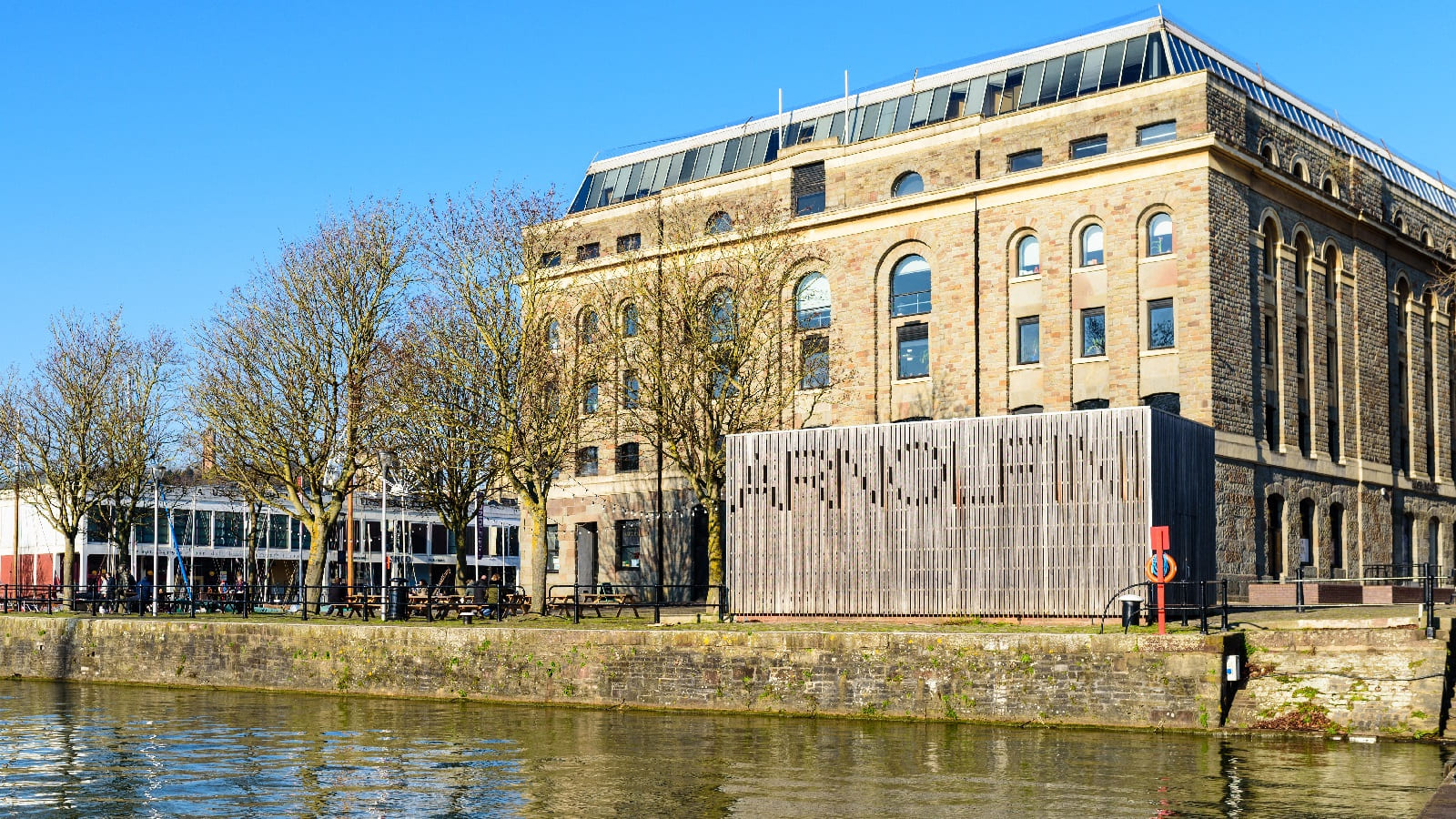
Contemporary Art: Arnolfini, RWA & Spike Island
Bristol has a strong contemporary art scene, and visitors who enjoy modern exhibitions have several very different places to explore. Arnolfini, the Royal West of England Academy and Spike Island each offer their own approach to contemporary culture, from major exhibitions in established galleries to experimental work in former industrial spaces.
Arnolfini is one of the best-known names in Bristol's contemporary arts scene. Its Harbourside location makes it especially convenient for visitors because it can easily be combined with M Shed, the SS Great Britain and other waterfront attractions. The programme covers contemporary visual art as well as performance, film, talks and other cultural events, so it is worth checking what is taking place during your visit rather than assuming every visit will be centred on a traditional gallery exhibition.
The Royal West of England Academy, usually known as the RWA, offers a different experience. Located near Clifton, the gallery is housed in an impressive historic building and is particularly known for exhibitions of painting, drawing, sculpture and other visual arts. Its programme changes throughout the year, with exhibitions ranging from established artists to contemporary work and open exhibitions.
Spike Island provides another perspective on Bristol's creative scene. Based in a former industrial building near the Harbourside, it is an important centre for contemporary art and creative practice. The atmosphere is more experimental than that of a traditional museum, making it particularly interesting for visitors who enjoy discovering new artists and less conventional exhibitions.
These three venues are useful to think of as different parts of the same cultural scene rather than competing alternatives. Arnolfini is convenient for a Harbourside sightseeing day, the RWA works well with Clifton and the surrounding neighbourhood, while Spike Island can be combined with the western side of the waterfront and the SS Great Britain. Choosing one based on where you are already sightseeing can therefore save time.
Exhibition programmes and opening arrangements change regularly, and some exhibitions or events may require tickets even when other areas of a venue are freely accessible. Check the current programme before setting out, especially if you are visiting Bristol specifically to see a particular artist or exhibition.
If you have limited time, Arnolfini is one of the easiest choices to combine with a first visit to the Harbourside, while the RWA is a natural addition to a Clifton itinerary. Art enthusiasts with more time can explore all three and get a much better impression of Bristol's contemporary creative culture beyond the city's better-known museums.

Aerospace Bristol & Science Museums
Bristol's history is closely connected with aviation and engineering, and Aerospace Bristol is the best place to explore this side of the city's heritage. The museum is located at the historic Filton airfield, north of the city centre, and tells the story of the people and companies that helped make Bristol an important centre for aircraft design and manufacturing.
The biggest attraction for many visitors is Concorde 216, the final Concorde to be built and the last to fly. The aircraft is displayed inside the museum's large hangar, where you can see it at close range and explore the passenger cabin. For aviation enthusiasts this alone can make the trip worthwhile, but the museum also has a much wider collection covering the development of flight and aerospace technology.
The exhibitions include aircraft, engines, engineering displays and objects connected with Bristol's aviation industry. The museum explains how aircraft design developed over time and introduces the people and organisations behind some of the industry's most important innovations. This makes Aerospace Bristol interesting even if you are not an aviation specialist.
Families can also get a lot from a visit, as the museum provides a more hands-on experience than a traditional art gallery. Seeing full-size aircraft and walking through Concorde gives children a much clearer idea of how aviation technology works than simply looking at photographs or small exhibits.
Unlike the main museums in central Bristol, Aerospace Bristol requires a separate journey and is best treated as a dedicated attraction rather than something to squeeze into a walking tour of the Old City or Harbourside. If aviation, engineering or industrial history interests you, allow several hours for the visit so that you have enough time for the aircraft and exhibitions.
The museum is a particularly good choice for visitors who have already seen the main central attractions or who are travelling with children interested in aircraft. It also provides an interesting contrast to the city's maritime heritage: after seeing Brunel's SS Great Britain, you can explore the later engineering achievements that helped make Bristol famous around the world.
Before travelling, check the current opening hours, admission prices and transport information on the museum's official website. The museum's programme and special events can change, and its location outside the city centre means that planning the journey in advance is worthwhile.
Smaller Museums & Hidden Gems
Bristol's larger museums tend to attract most visitors, but the city also has several smaller museums that offer a much more intimate experience. These places are particularly worthwhile if you have already visited the main attractions or if you prefer historic buildings, local stories and smaller collections to large museum complexes.
Red Lodge Museum is one of the most interesting examples. This historic house near Park Street dates back to the sixteenth century and combines an impressive interior with stories about the people who lived there. Its Tudor rooms and later additions provide a glimpse into Bristol's domestic history that is very different from the large collections at Bristol Museum & Art Gallery.
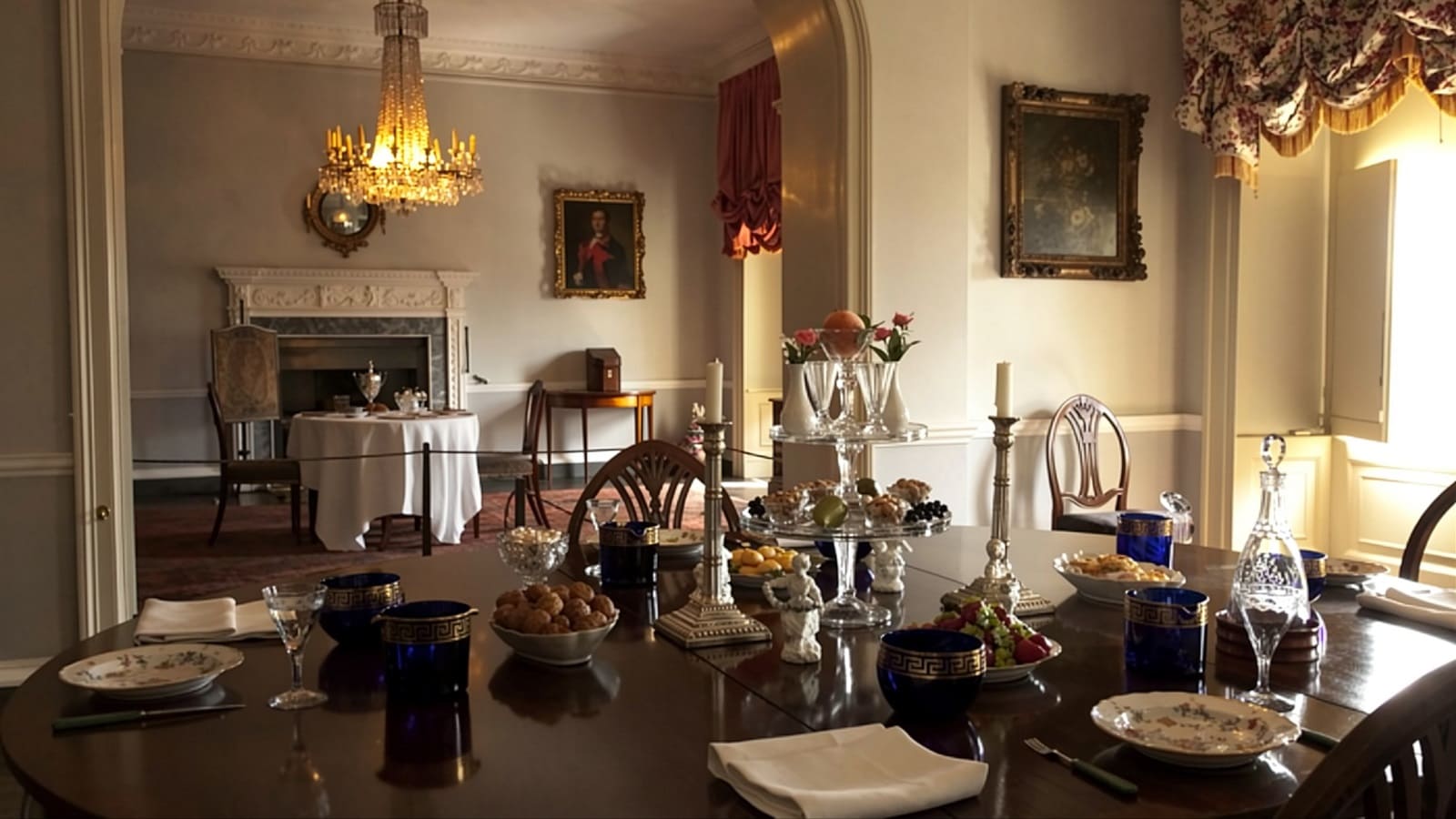
The Georgian House Museum offers another opportunity to step inside Bristol's past. The house was built in the eighteenth century and has been restored to show how a wealthy Bristol merchant and his household might have lived. Rooms, furnishings and domestic details help visitors understand everyday life in Georgian Bristol rather than simply looking at objects in display cases.
Blaise Museum, situated in the grounds of Blaise Castle Estate, is another option for visitors with more time. The museum explores local social and domestic history, while the surrounding estate provides woodland, open spaces and walking routes. It is therefore particularly useful for families or anyone who wants to combine a museum visit with time outdoors.
Smaller museums can also be a good choice when the weather is poor or when you want a shorter cultural stop between other attractions. Because they are more compact than Bristol Museum & Art Gallery or the SS Great Britain, you can often explore them without committing half a day to the visit.
Red Lodge Museum and the Georgian House Museum are especially easy to combine with central sightseeing because both are close to other attractions around Park Street and the city centre. Blaise Museum is further out and is better planned as part of a separate visit to Blaise Castle Estate rather than added to a central walking route.
Opening arrangements for smaller museums can differ from those of the city's major attractions, and some have limited days or seasonal schedules. Check the current information before making a special journey. This is particularly important if you have only one day in Bristol and are planning your sightseeing around a specific museum.
For visitors interested in Bristol's architecture and social history, these smaller museums can be among the most memorable stops. They reveal a quieter side of the city and give you the chance to experience historic interiors and local stories that are easy to miss when concentrating only on Bristol's headline attractions.

Street Art, Banksy & Bristol's Creative Culture
Bristol's art scene does not end when you leave a museum or gallery. Street art is one of the most recognisable parts of the city's identity, and colourful murals, political artwork and constantly changing graffiti can be found throughout the central neighbourhoods. For visitors, exploring the streets can feel like walking through a constantly changing open-air gallery.
Bristol is also strongly associated with Banksy, who grew up in the city and became one of the world's best-known street artists. Several works connected with Banksy have become landmarks in their own right, although street art is not limited to his work. One of the pleasures of exploring Bristol is discovering pieces by other local and visiting artists alongside the better-known murals.
Stokes Croft is one of the best areas to explore if you want to see Bristol's alternative and creative side. The streets around Stokes Croft and nearby Nelson Street contain a constantly changing mixture of large murals, graffiti and smaller pieces. The area is particularly interesting because new artwork can appear while older pieces disappear or are painted over.
Another important area is the city centre around Broad Street, Nelson Street and the Old City. Nelson Street became internationally known through the See No Evil street art project, which brought large-scale murals to the centre of Bristol. Although the street art scene has changed considerably since the original project, the area remains part of the city's wider creative landscape.
If you specifically want to find Banksy's work, it is worth planning rather than simply walking around hoping to encounter it. Works can be damaged, removed, covered or altered over time, and the status of individual pieces can change. Current local information or a dedicated street-art walking tour can help you find works that are still visible during your visit.
Street art tours are another good option for visitors who want more than photographs. A knowledgeable local guide can explain the stories behind particular works, introduce artists you might otherwise overlook and point out smaller pieces hidden away from the main tourist routes. This can also help put Bristol's street art into the wider context of the city's music, independent culture and creative communities.
You do not need to book a tour to enjoy Bristol's street art, however. A walk through Stokes Croft, the Old City and nearby central streets can provide plenty to see, particularly if you take your time and look above street level as well as at the walls around you. The artwork changes, so even returning visitors may discover something different on a later trip.
For anyone interested in photography, contemporary culture or Banksy's work, street art is an essential part of a Bristol visit. Combine it with the city's museums and galleries and you get a good picture of two sides of Bristol's art scene: the established collections inside galleries and the constantly changing creative work displayed throughout the streets.

Practical Tips for Visiting Museums & Galleries
Bristol's museums and galleries are spread across several parts of the city, so a little planning can help you see more without spending your day travelling from one side of Bristol to another. The easiest approach is to group attractions by area and combine museums with nearby landmarks, cafés and walks.
If you are staying in the city centre, Bristol Museum & Art Gallery is an easy place to begin. From there, you can continue down Park Street towards the centre or explore Clifton and the nearby Royal West of England Academy. Because general admission to Bristol Museum & Art Gallery is free, it is also an easy attraction to fit into your itinerary even if you only have an hour or two available.
The Harbourside provides another particularly convenient museum route. M Shed, the SS Great Britain and Arnolfini are all close to one another, while the waterfront itself gives you plenty of opportunities to stop for lunch or a drink between visits. If you want to concentrate on Bristol's history and maritime heritage, you can comfortably build a large part of a sightseeing day around this area.
It is also worth remembering that not every museum has the same admission arrangements. Several major Bristol Museums attractions offer free general admission, while places such as the SS Great Britain and Aerospace Bristol require paid admission. Temporary exhibitions, special events and some gallery programmes may also have separate charges or require advance booking. Check the current information for each venue before travelling.
If you only have one day in Bristol, avoid trying to visit every museum. A better plan is to choose one major museum and one or two additional attractions that match your interests. For example, Bristol Museum & Art Gallery works well for a broad introduction to the city, while M Shed and the SS Great Britain make a strong combination for visitors interested in local and maritime history.
Families should also consider the amount of time children are likely to spend in each attraction. Aerospace Bristol and the SS Great Britain can provide a more immersive experience for children interested in aircraft, ships and engineering, while Bristol Museum & Art Gallery offers a much wider range of subjects under one roof.
Check opening times and current exhibitions shortly before your visit. Temporary exhibitions change, special events can affect opening arrangements and smaller museums may operate on more limited schedules than the major city attractions. Official museum websites are the best place to confirm the latest information before setting out.
Finally, do not feel that you need to spend the entire day indoors. Bristol's museums and galleries work particularly well when combined with the city itself. You can visit a museum in the morning, explore the Harbourside or Old City afterwards, and finish with street art, shopping or an evening meal. With a little planning, the city's museums can become part of a wider Bristol experience rather than a separate sightseeing activity.
