Car Hire in Bristol
Hiring a car can give you much more freedom to explore Bristol and the surrounding countryside, but it is not always necessary if you are staying mainly in the city centre. Bristol's main attractions are relatively easy to explore on foot and by public transport, while driving and parking in the central area can require a little planning.
A rental car becomes particularly useful when you want to travel beyond Bristol. Popular destinations such as Bath, the Cotswolds, Cheddar Gorge and other parts of the West Country are much easier to explore when you have your own transport and are not tied to public transport timetables.
There are several ways to arrange car hire, including collecting a vehicle in Bristol, hiring one at Bristol Airport or picking up a car before heading out on a longer trip. The right option depends on where you are staying, how long you have and whether you actually need a car during your time in the city.
This guide explains what visitors should know before hiring a car in Bristol, including where to collect a vehicle, driving and parking in the city, and some of the best day trips to consider by car. It also covers practical points that can make renting a vehicle easier and help you decide whether having a car will genuinely improve your Bristol trip.
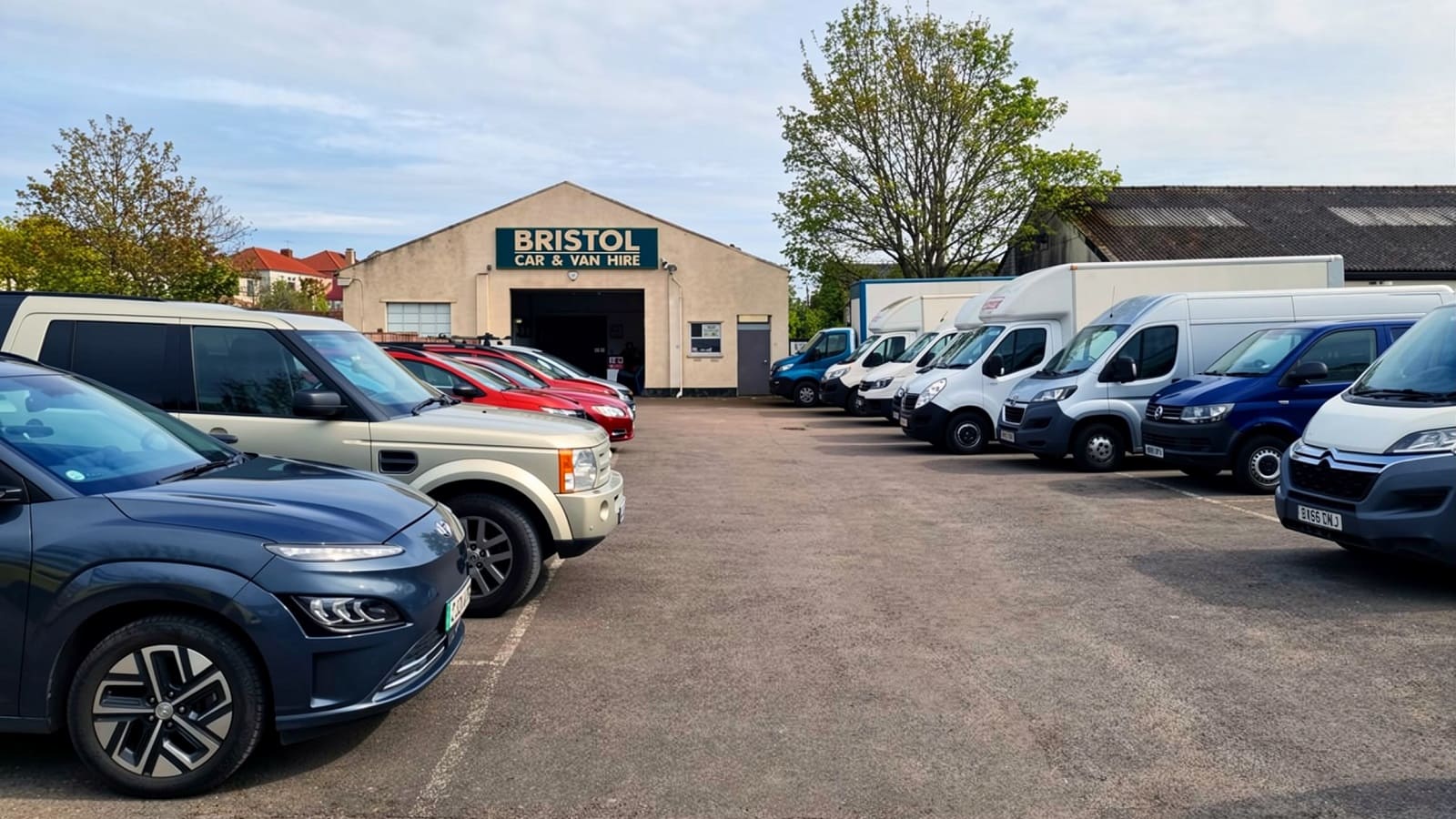
Car Hire in Bristol: Is It Worth It?
Hiring a car can be extremely useful in Bristol, but it is not automatically the best option for every visitor. If you are staying mainly in the city centre and plan to visit attractions around the Harbourside, Old City, Clifton and central Bristol, you can often manage perfectly well without a car. Many of the main sights are within walking distance, while buses and other local transport provide alternatives when you need to travel further.
A car becomes much more valuable when Bristol is your base for exploring the surrounding area. Places such as Cheddar Gorge, Wells, the Cotswolds and other parts of Somerset and the West Country are easier to reach when you have your own transport. You can set your own departure time, stop at villages and viewpoints along the way and avoid having to build your day around a public transport timetable.
Driving in central Bristol requires a little more attention than driving in a smaller town. The city has controlled parking areas, restricted roads and bus gates, while Bristol's Clean Air Zone covers part of the city centre. Most vehicles are not charged, but you should check the vehicle's compliance before driving into the zone, particularly when collecting an older rental car. :contentReference[oaicite:1]{index=1}
Parking is another reason not to hire a car simply for sightseeing in the centre. Bristol has numerous car parks, but central parking can be expensive and spaces may be limited at busy times. Park and Ride can be a more convenient solution if you are arriving by car and want to explore the centre without driving through the busiest streets. Bristol City Council currently provides several Park and Ride options where parking is free and the bus journey into the city is paid separately. :contentReference[oaicite:2]{index=2}
For many tourists, the most practical solution is therefore to hire a car only for the part of the trip when they actually need one. You could spend your first days exploring Bristol without a vehicle, then collect a rental car before heading into the countryside or returning to the airport. This avoids paying for a car while it is sitting unused and can make the city portion of your trip considerably easier.
If you are travelling with children, carrying a lot of luggage or planning several day trips, having a car from the beginning may still make sense. The same is true if Bristol is only one stop on a wider road trip through the South West of England. In those situations, the convenience of having your own vehicle can outweigh the disadvantages of city-centre driving and parking.
Before booking, think about your actual itinerary rather than simply the length of your stay. If you have three days in Bristol and intend to spend all three exploring the city, you probably do not need a rental car. If you plan to spend one day in Bristol and two days travelling through Somerset or the Cotswolds, hiring a car could save considerable time and give you much more flexibility.
In short, a car is most useful in Bristol as a tool for exploring beyond the city rather than as a necessity for sightseeing in the centre. Decide where you want to go first, then choose whether hiring a car for the whole trip or only part of it makes the most sense.
Hiring a Car in Bristol City Centre
If you decide that you need a rental car while staying in Bristol, you do not necessarily have to travel to the airport to collect one. Several car-hire options are available around the city, making it possible to arrange a vehicle after spending a few days exploring Bristol without a car.
One useful central option is the Enterprise location at Cabot Circus Coach Park on Newfoundland Way. Its position close to the main shopping and entertainment district makes it convenient for visitors staying in or around the city centre. Availability, opening hours and vehicle choice can change, so check the current details when making your reservation.
Collecting a car in the city can make sense if you have already completed your sightseeing and are about to start exploring the surrounding area. Instead of paying for a vehicle while it sits parked outside your hotel, you can hire it for the days when you actually need to drive.
This approach can be particularly useful for a short Bristol break. Spend your first couple of days walking around the Harbourside, Old City and Clifton, then collect a car before travelling to places such as Bath, Cheddar Gorge or the Cotswolds. It can reduce both rental costs and the hassle of finding parking during your city sightseeing days.
When comparing city-centre rental locations, look beyond the headline daily price. Check the exact collection address, opening hours, return arrangements, mileage allowance, fuel policy and whether the vehicle you want is actually available at that branch. A slightly more expensive location can sometimes be more convenient if it saves you a long journey to collect or return the car.
Think about where you will return the vehicle as well. Some rental companies allow one-way rentals between different locations, but fees and availability vary. If you are flying home from Bristol Airport, for example, a rental that can be returned at the airport may be more convenient than taking the car back to the city centre and arranging separate transport afterwards.
Before driving away, inspect the vehicle carefully and make sure existing damage has been recorded. Check the fuel level, mileage and basic controls, and keep photographs of the car if appropriate. It is much easier to deal with questions about the vehicle's condition before leaving the collection point than after returning it.
For most visitors, the biggest advantage of city-centre car hire is flexibility. You can enjoy Bristol without a car first and only pick one up when you are ready to leave the city. If your itinerary is built around several countryside trips, this can be one of the most practical ways to combine a city break with exploring the wider Bristol region.

Bristol Airport Car Hire
Bristol Airport is a convenient starting point if you are planning to explore the city and the wider South West by car. Hiring a vehicle as soon as you arrive means you can continue your journey without first travelling into Bristol to collect a car, and it can be particularly useful if the airport is the first or last stop on a longer road trip.
Several major rental companies operate from Bristol Airport, with car-hire facilities located within the airport grounds. The choice of companies, vehicles and opening arrangements can change, so check the current airport information and the rental company's details before booking.
Airport car hire is particularly useful if Bristol is only part of your itinerary. You could collect a vehicle after landing, visit Bristol for a couple of days and then continue towards Bath, the Cotswolds, Somerset or other destinations in the South West. Alternatively, you can explore the surrounding area first and return the vehicle at the airport before your flight home.
If your main purpose is to visit Bristol itself, however, think carefully before collecting a car immediately. The airport is outside the city, and once you arrive in central Bristol you may find that a rental car spends much of the time parked while you explore on foot. In that situation, travelling into Bristol first and hiring a car later can be more convenient.
When comparing airport rentals, look at the complete cost rather than just the advertised daily rate. Check the deposit, insurance options, excess, fuel policy, mileage allowance and any additional driver charges. Also make sure you understand where the vehicle must be returned and what happens if your flight arrives outside the branch's normal opening hours.
The type of car matters too. A small vehicle is usually easier to handle on Bristol's narrower streets and can make parking less stressful, while a larger car may be preferable if you are travelling as a family or carrying substantial luggage. If you plan to drive through rural areas, consider comfort and luggage space as well as the rental price.
Before leaving the airport, inspect the vehicle and make sure any existing scratches, dents or other damage are recorded on the rental agreement. Check the fuel level and controls, and take photographs of the vehicle if you want your own record of its condition at collection.
For travellers planning a wider South West road trip, Bristol Airport can be an especially convenient place to begin and end a rental. For visitors spending most of their time sightseeing in central Bristol, it may be more practical to postpone the car hire until the day you leave the city.
Driving in Bristol: What Visitors Should Know
Driving in Bristol is perfectly manageable, but visitors should be prepared for a few differences compared with driving in a smaller town. The city centre has busy streets, one-way systems, restricted routes, bus lanes and areas where parking is controlled. Taking a few minutes to understand the main restrictions before setting off can save you from an unnecessary fine or a stressful detour.
One of the most important things to understand is Bristol's Clean Air Zone. The zone covers part of the city centre and uses automatic number-plate recognition to identify vehicles. Cars that meet the required emissions standards are not charged, but some older vehicles may have to pay a daily charge when they drive within the zone. Check the vehicle before your journey, particularly if you have been given an older rental car. :contentReference[oaicite:1]{index=1}
Do not assume that every rental car is automatically exempt from the Clean Air Zone charge. If you are unsure, check the vehicle registration using the official Bristol Clean Air Zone information before entering the zone. This is especially important when collecting a car from outside the city and driving directly into central Bristol.
Central Bristol also has a Controlled Parking Zone where parking restrictions apply throughout the area. Pay-and-display bays have different time limits depending on their location, while yellow lines and loading restrictions apply on other streets. Always read the signs where you leave the vehicle rather than assuming that a space is available simply because other cars are parked nearby. :contentReference[oaicite:2]{index=2}
Bus lanes and restricted routes require particular attention. Some roads are designed to give priority to buses and other permitted vehicles, while parts of the Old City have been pedestrianised. If your navigation app directs you through the centre, follow the road signs as well as the sat-nav rather than blindly following the suggested route.
Bristol's hills are another practical consideration. Areas such as Clifton and the streets around the city centre can involve steep gradients, while some older streets are relatively narrow. Drive at a comfortable speed, leave plenty of room around parked vehicles and take extra care when navigating unfamiliar residential streets.
If you are unfamiliar with driving in Britain, remember that traffic drives on the left and roundabouts are common. At a roundabout, traffic approaching from the right generally has priority unless signs indicate otherwise. Pay particular attention to lane markings and signs, as larger roundabouts can have different lanes for different exits.
Navigation apps are useful, but they cannot always give you the best route for a rental car. A route that looks short on a map may take you through restricted streets, complicated junctions or areas where parking is difficult. For city sightseeing, it can be easier to park once and continue on foot rather than moving the car between attractions.
For visitors who are nervous about driving in central Bristol, there is a simple alternative: leave the car outside the busiest part of the city and use public transport or Park and Ride for the final part of your journey. Bristol City Council currently lists Park and Ride sites at Brislington, Long Ashton and Portway, with free parking and a separate bus fare. :contentReference[oaicite:3]{index=3}
The best approach is therefore to treat the car as a way of reaching Bristol and exploring the surrounding area, rather than assuming you need to drive everywhere once you arrive. Check the Clean Air Zone requirements, follow local signs, plan your parking in advance and be prepared to leave the car behind when walking around the city centre.
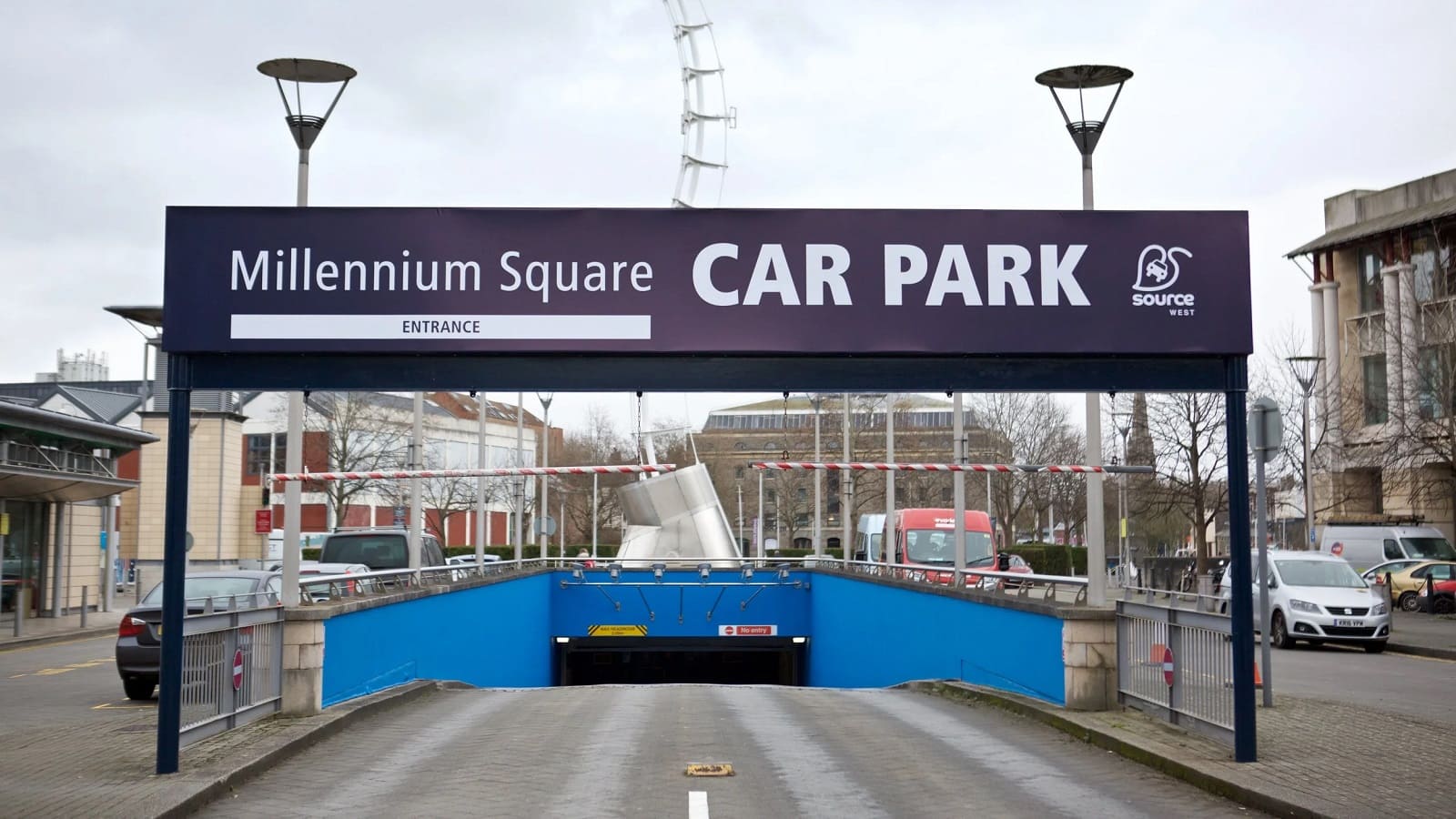
Parking in Bristol
Parking is one of the main things to think about if you are visiting Bristol by car. The city centre has a mixture of car parks, on-street parking and restricted areas, but finding a convenient space directly outside an attraction is rarely the best strategy. For most sightseeing days, it is easier to choose one suitable parking location and explore the centre on foot.
Bristol has several multi-storey and surface car parks around the central area. Locations close to Cabot Circus, Broadmead and the Harbourside can be particularly useful because they put you within walking distance of many major attractions, shops, restaurants and museums. Check current prices, opening hours and height restrictions before travelling, especially if you are driving a larger rental vehicle.
Cabot Circus is one of the most convenient areas to consider if you want to combine parking with shopping, restaurants or an evening in the city centre. From here, you can continue on foot towards Broadmead, the Old City and other central attractions without repeatedly moving your car.
Parking around the Harbourside can be useful when your itinerary focuses on attractions such as M Shed, the SS Great Britain and the waterfront. However, spaces can become busy at popular times, particularly at weekends and during events. If you are planning a full day around the Harbourside, check the available car parks before setting off rather than relying on finding a space when you arrive.
On-street parking is available in parts of Bristol, but restrictions vary considerably. Some streets have paid bays, while others have residents' parking, loading restrictions, yellow lines or limited waiting times. Always read the signs and road markings carefully before leaving your vehicle. A space that looks convenient may not be available to visitors at the time you arrive.
For visitors who would rather avoid driving into the centre, Park & Ride can be a much easier option. Bristol City Council currently lists Park & Ride services at Brislington, Long Ashton and Portway. Parking at the sites is free, while passengers pay for the bus journey into the city. ([bristol.gov.uk](https://www.bristol.gov.uk/residents/parking/where-to-park-in-bristol/car-parking-and-park-and-ride?vendor=here&utm_source=chatgpt.com))
Park & Ride is particularly useful if you are arriving for a day of sightseeing and do not need your car once you reach Bristol. You can leave the vehicle outside the busiest streets and arrive by bus without worrying about central parking, restricted roads or finding your way through unfamiliar city-centre traffic.
Another good strategy is to choose parking according to the final activity of the day. If you are attending a performance at Bristol Hippodrome, for example, look for parking within a comfortable walk of the theatre and leave the car there until after the show. If you are spending the day around Clifton, choose parking in that area instead of repeatedly driving between neighbourhoods.
Remember that parking rules and charges can change, so check the current information before your visit. Official Bristol City Council parking information is the best source for current restrictions, charges, Park & Ride arrangements and car-park information. Planning where to leave the car before you arrive will make exploring Bristol considerably easier.
Day Trips by Car from Bristol
One of the biggest advantages of hiring a car in Bristol is the freedom to explore beyond the city. Within a relatively short drive, you can reach historic towns, dramatic countryside, caves, villages and some of the most recognisable landscapes in the South West. A car also makes it easier to combine several smaller stops in one day.
Cheddar Gorge is one of the most obvious choices. Located in the Mendip Hills, the spectacular limestone gorge is known for its dramatic cliffs, caves and countryside scenery. The drive from Bristol takes you into a very different landscape from the city, making Cheddar a good choice when you want a day focused on nature and walking rather than museums and urban attractions.
The village of Cheddar itself can be combined with the gorge and the surrounding countryside. If you have enough time, look beyond the main tourist area and explore some of the quieter roads and walking routes around the Mendip Hills. A car gives you much more flexibility here than relying entirely on public transport.
Wells is another excellent destination for a day trip. England's smallest city is particularly known for its magnificent cathedral, the medieval Bishop's Palace and the historic streets around the city centre. Wells is compact enough to explore on foot once you arrive, while the drive from Bristol makes it easy to combine the city with other Somerset attractions.
Glastonbury offers a very different experience. The town is associated with its abbey, the famous Glastonbury Tor and a distinctive spiritual and alternative culture. It is an interesting choice if you want something less conventional than a traditional historic town. The Tor also provides wide views across the surrounding Somerset landscape, although the climb is relatively steep.
For scenery and outdoor activities, the Forest of Dean and Wye Valley are further options to consider. The area is known for woodland, rivers, viewpoints and walking routes, with opportunities for cycling and other outdoor activities. It is better suited to a full day by car than a quick excursion, but the journey allows you to experience a very different part of the region.
The exact driving time for each destination depends heavily on traffic and the route you choose, so avoid planning your day around an unrealistically precise journey time. Leave enough flexibility for stops, parking and unexpected delays, particularly at weekends and during school holidays.
A car also allows you to combine destinations. For example, Wells and Cheddar can potentially be visited on the same day, depending on how much time you want to spend at each. Likewise, a countryside drive can include smaller villages, viewpoints or local attractions that would be difficult to reach by public transport.
Before setting out, check opening times for attractions, parking arrangements and any seasonal restrictions. Some countryside attractions have limited facilities outside the main tourist season, while popular destinations can become very busy in summer. Starting early is often the easiest way to make the most of a day trip from Bristol.
If your main reason for hiring a car is to explore outside Bristol, these kinds of trips are where the rental really starts to earn its place in your itinerary. Choose one area rather than trying to cover too much ground, leave plenty of time for exploring on foot and enjoy the freedom to stop when you find somewhere worth seeing.
Driving to Bath, the Cotswolds & Beyond
Bristol is well placed for exploring some of the most attractive destinations in South West England. Having a car makes it easier to travel beyond the city, particularly if you want to combine several places in one trip or stop at villages and countryside viewpoints along the way.
Bath is one of the easiest and most popular additions to a Bristol itinerary. The historic city is famous for its Roman Baths, Georgian architecture, Bath Abbey and the Royal Crescent. It is close enough to Bristol to make a straightforward day trip, although you should allow extra time for traffic and parking rather than relying on the shortest possible journey time.
Driving to Bath does not necessarily mean taking the car into the historic centre. Parking in central Bath can be busy and expensive, particularly during popular periods. Park & Ride services can be a practical alternative, allowing you to leave the car outside the centre and continue by bus. Check the current locations, operating times and fares before travelling because arrangements can change.
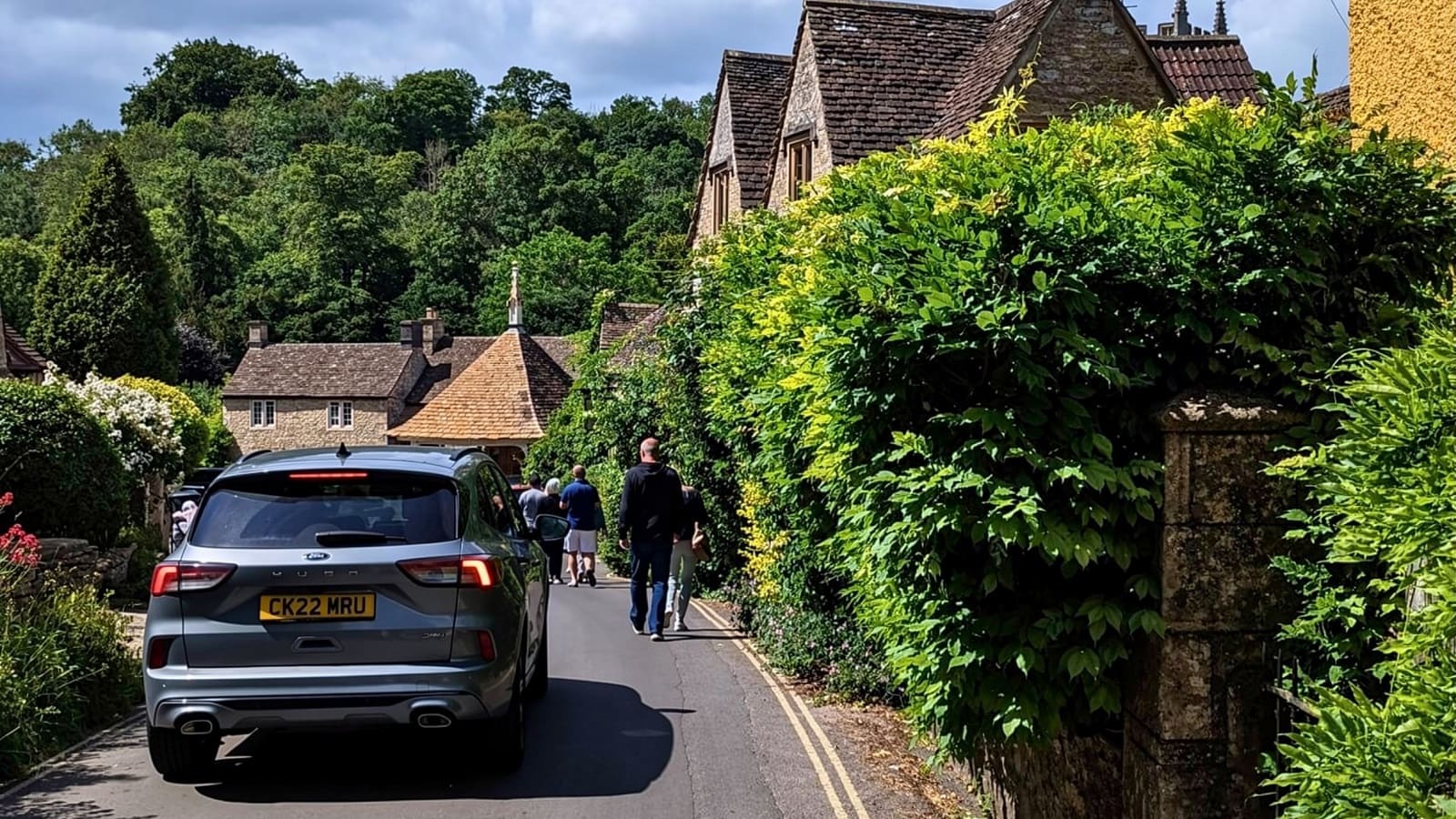
The Cotswolds offer a completely different type of day out. The area is known for its rolling countryside, stone villages and attractive market towns, and a car gives you access to places that are difficult to connect efficiently by public transport. Popular destinations include Castle Combe, Tetbury, Malmesbury, Bourton-on-the-Water and Stow-on-the-Wold, although they are spread across a large area and should not all be treated as one short itinerary.
Castle Combe is particularly convenient for a shorter trip from Bristol and is famous for its picturesque stone buildings and village setting. It can become very busy with visitors, especially during weekends and peak periods, so arrive early and follow local parking restrictions rather than leaving the car on unsuitable roads.
If you have more time, you can plan a longer Cotswolds route around several villages. The key is to avoid trying to see too much in one day. Choose a small number of places, allow time to walk around each one and leave room for traffic, parking and the slower pace of rural roads.
A rental car also opens up other parts of Somerset, Gloucestershire and the wider South West. Depending on the length of your stay, you can combine Bristol with historic towns, countryside attractions, National Trust properties or coastal destinations. The best route depends on how much time you have and whether you prefer historic architecture, landscapes, villages or outdoor activities.
When planning these journeys, remember that rural driving is different from city driving. Some Cotswold and Somerset roads are narrow, winding and poorly suited to high speeds, while popular villages can have limited parking. Take your time, follow local signs and avoid blocking roads when stopping for photographs.
For visitors staying in Bristol for several days, a good strategy is to separate the city and countryside portions of the trip. Explore central Bristol without a car, then hire one for a dedicated day or two outside the city. This gives you the convenience of a road trip without having to deal with Bristol parking throughout your entire stay.

Choosing the Right Rental Car
The best rental car for a Bristol trip depends less on the size of the city and more on where you plan to drive afterwards. If you are mainly exploring Bristol and taking one or two short trips outside the city, a small or compact car will usually be the easiest option. It is simpler to manoeuvre on narrow streets and can make finding a parking space less stressful.
A compact hatchback can be a good compromise for couples or small groups. It provides enough space for everyday luggage while remaining relatively easy to drive and park. If you are planning several days of countryside travel, it can also offer a useful balance between comfort, fuel consumption and practicality.
Families may prefer a larger car, particularly if several passengers are travelling with suitcases, child seats or other equipment. Before booking, check the actual luggage capacity rather than relying only on the vehicle category shown on the rental website. Two cars described as the same class can have noticeably different boot space.
Automatic transmission can also be worth considering if you are not comfortable driving a manual car. Manual vehicles are common in the UK, and they are often available at lower rental rates, but choosing an automatic can make an unfamiliar city and rural roads easier to manage if that is what you normally drive.
If your itinerary includes the Cotswolds, Somerset or other rural areas, do not automatically choose the largest vehicle available. Some village roads and older streets can be surprisingly narrow, and a smaller car can be much easier to handle. Extra luggage space is useful, but excessive size can become a disadvantage once you leave the main roads.
Electric and hybrid vehicles are another option, particularly if most of your driving will be around Bristol and nearby destinations. Before choosing an electric rental, check the charging arrangements for your accommodation and the places you intend to visit. For a longer countryside itinerary, knowing where you can recharge is just as important as the advertised rental price.
When comparing rental cars, look at the complete package rather than choosing the cheapest daily rate. Check the fuel policy, mileage allowance, insurance and excess, deposit, additional-driver fees and any charges associated with collecting or returning the vehicle at a different location.
For most visitors, a small or medium-sized car is likely to be the most practical choice. Choose something larger only when you genuinely need the extra passenger or luggage space, and make sure the vehicle suits both the city driving and countryside journeys included in your itinerary.

Practical Car Hire Tips
A little preparation can make hiring a car in Bristol much easier. Before booking, compare the total cost rather than focusing only on the advertised daily rate. Insurance options, the excess, deposit, fuel policy, mileage allowance, additional drivers and location fees can all affect the final price.
Check exactly what is included in the rental agreement and make sure you understand the insurance arrangements. A low headline price can look very different once optional cover and other charges have been added. If you are unsure about the excess or what happens in the event of damage, clarify the terms before collecting the vehicle.
Your driving licence and other required documents should be ready before you arrive at the rental desk. Requirements can vary depending on where your licence was issued, so check the rental company's current conditions in advance. If more than one person will drive the car, make sure every driver is correctly registered on the agreement.
Inspect the vehicle carefully before leaving the collection point. Look for scratches, dents, damaged wheels and other visible marks, and make sure anything significant is recorded by the rental company. It is also sensible to take photographs of the car when you collect it, particularly if you are unfamiliar with the company's damage-reporting process.
Check the fuel level, mileage and basic controls before setting off. Make sure you know how the lights, windscreen wipers, parking brake and navigation system work, and confirm whether the car requires petrol, diesel or charging. Spending a few minutes at the collection point is much easier than trying to work everything out on a busy road.
If you are driving into Bristol city centre, check the Clean Air Zone requirements before starting your journey. Also look out for bus gates, restricted roads, parking restrictions and other local traffic controls. A rental car's navigation system or your usual mapping app may not always give you enough warning about every restriction.
Plan your parking before arriving at busy attractions and consider Park & Ride when you do not need the car in the centre. This can save time and remove much of the stress associated with driving through unfamiliar city streets.
When returning the vehicle, follow the rental company's instructions carefully. Check the required fuel level, return location and opening arrangements, and allow extra time if you are returning the car before catching a flight. If you are returning the vehicle outside normal opening hours, make sure you understand the company's key-drop and inspection procedure beforehand.
Finally, remember that the biggest benefit of a rental car in Bristol is the freedom it gives you outside the city. Use it when it genuinely makes your itinerary easier, particularly for trips to Bath, Somerset, the Cotswolds and the surrounding countryside. If you are spending most of your time sightseeing in central Bristol, leaving the car behind can often be the more convenient choice.
