Parking in Bristol
Finding somewhere to park is one of the first things to think about if you are visiting Bristol by car. The city has a good choice of car parks and on-street parking, but the most convenient option depends on where you are going and how long you plan to stay. Central Bristol also has controlled parking areas and other restrictions, so simply following the first available space you see is not always the best approach.
For many visitors, the easiest solution is to leave the car in a suitable car park and explore the city on foot. Bristol's main attractions are spread across several walkable areas, including the Harbourside, Old City, city centre and Clifton. Choosing a convenient parking location at the beginning of the day can be much less stressful than moving the car every time you visit another attraction.
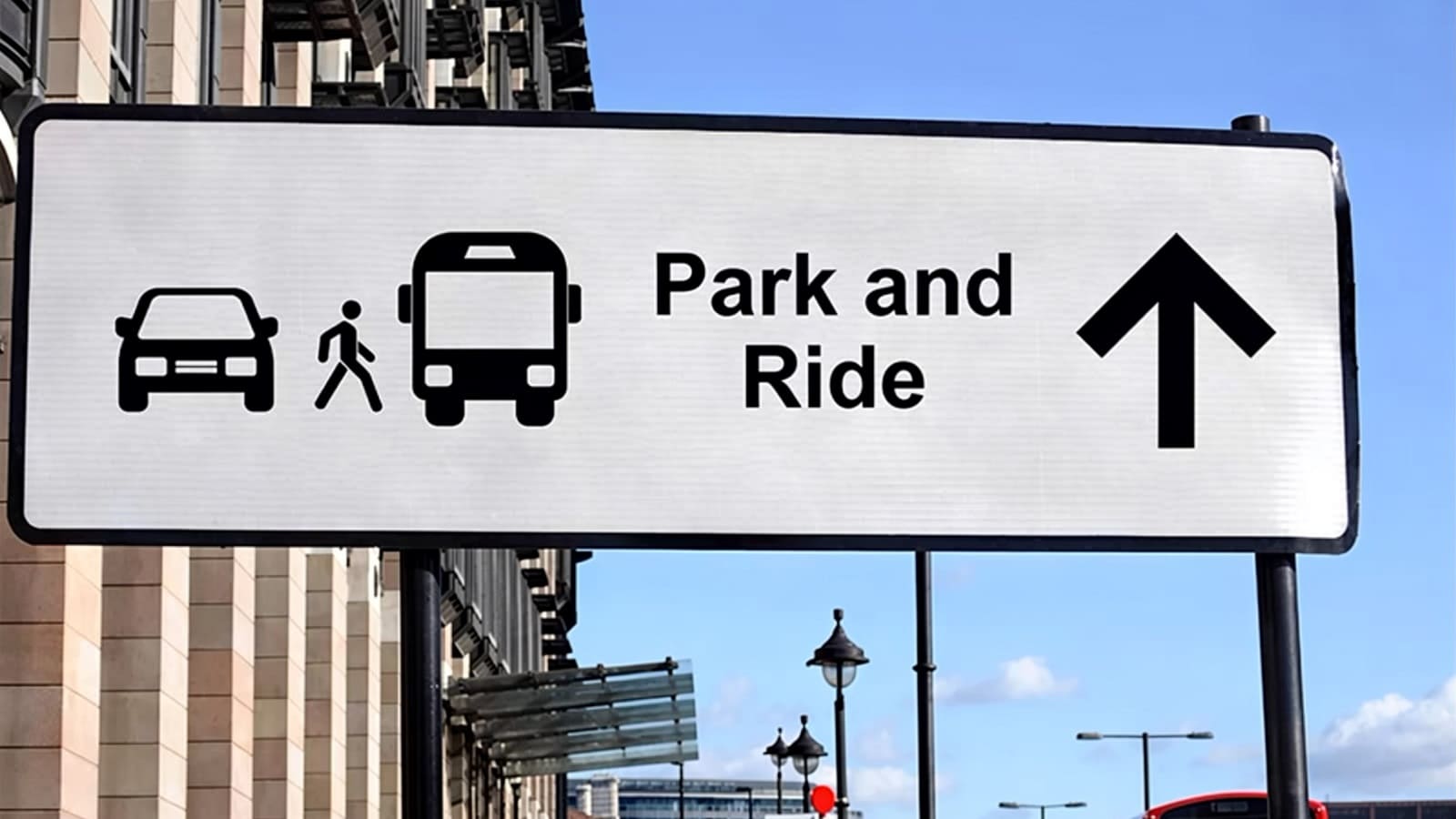
If you would rather avoid driving into the centre altogether, Park & Ride provides another option. Bristol currently has Park & Ride sites at Brislington, Long Ashton and Portway, allowing visitors to leave their cars outside the busiest parts of the city and continue by bus.
This guide explains the main parking options in Bristol and where they are most useful for visitors. We look at city centre car parks, the Harbourside, Old City and Clifton, Park & Ride, on-street parking and parking for some of Bristol's most popular attractions, along with practical advice for daytime and evening visits.
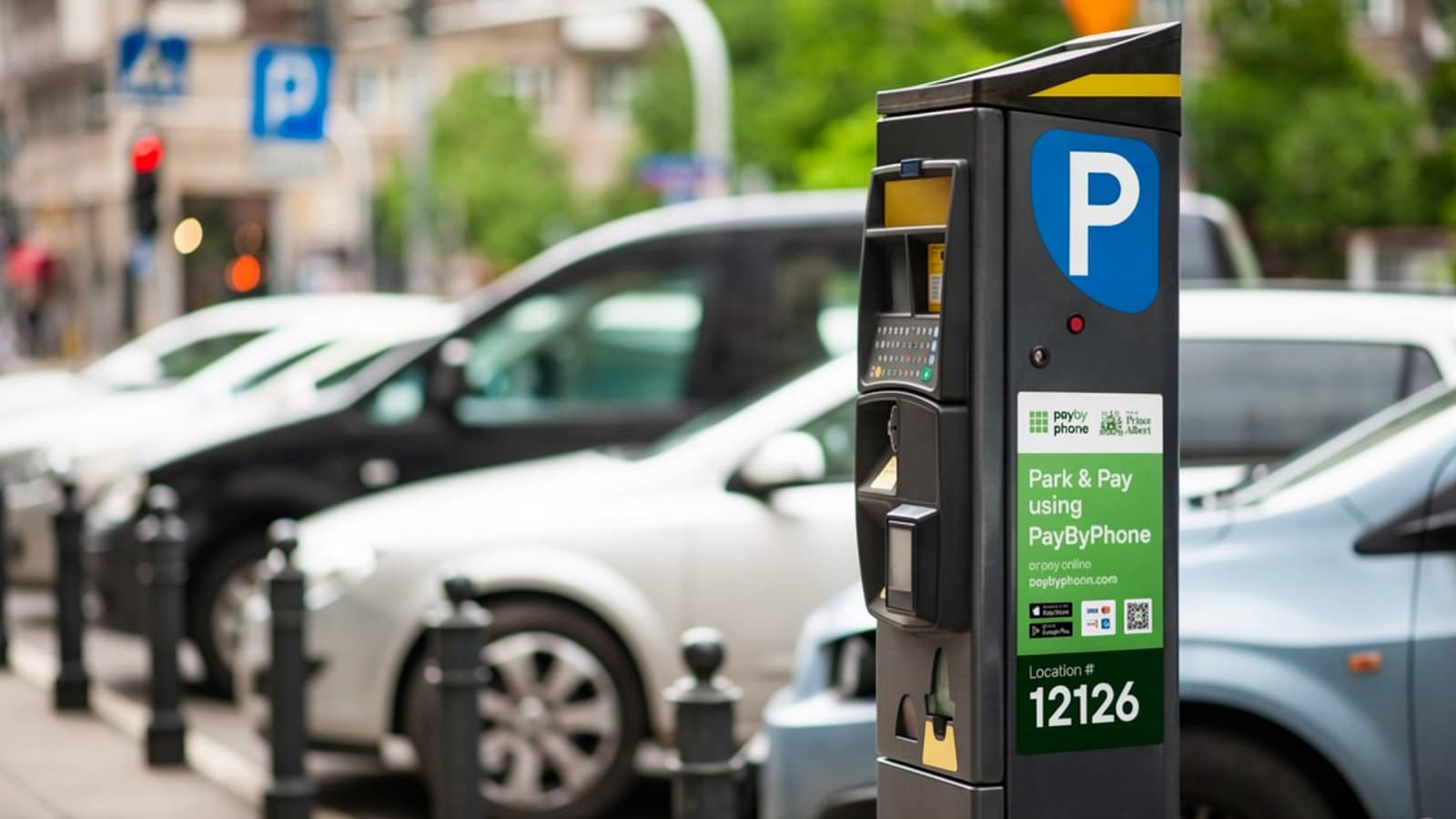
Parking in Bristol: What Visitors Should Know
Parking in Bristol is relatively straightforward once you understand how the city is organised, but visitors should not expect to find a convenient space directly outside every attraction. Central Bristol combines multi-storey car parks, smaller off-street car parks and controlled on-street parking, while some streets have restrictions that make them unsuitable for visitors.
For a sightseeing trip, the simplest approach is usually to choose one car park close to the part of the city you want to explore and leave your vehicle there for several hours. Bristol's central attractions are concentrated into areas that are reasonably easy to explore on foot, so moving the car repeatedly can create more problems than it solves.
The Harbourside is a good example. Once you have parked, you can walk between attractions such as M Shed, the SS Great Britain and Bristol Aquarium without needing to return to the car. The same principle works around the Old City, where St Nicholas Market, Corn Street, King Street and Bristol Cathedral are all within walking distance of one another.
Clifton requires a slightly different approach. If your main destination is Clifton Village or Clifton Suspension Bridge, parking closer to the area can save you a considerable uphill walk from central Bristol. However, Clifton has its own mixture of parking restrictions and busy streets, so check the signs carefully rather than assuming that a space is available simply because another vehicle is parked there.
Visitors who do not actually need their car in the city centre should also consider Park & Ride. Bristol's current Park & Ride network includes sites at Brislington, Long Ashton and Portway. You can leave your car outside the busiest central streets and continue into the city by bus, avoiding much of the traffic and the need to search for a parking space.
Parking rules can vary from one street to the next. Controlled Parking Zones, pay-and-display bays, residents' parking areas, yellow lines and loading restrictions all have different rules. Always check the road signs and markings at the exact place where you intend to park, even if you have parked in the same neighbourhood before.
It is also worth checking the vehicle you are driving before choosing a car park. Larger SUVs, vans and some family vehicles may be affected by height restrictions at multi-storey facilities. If you are using a rental car, check its height and dimensions before committing to a particular car park.
Prices and parking conditions can change, particularly when councils introduce new charges or make changes to parking arrangements. For an up-to-date visit, check Bristol City Council's current parking information and the individual car park details before setting out rather than relying on an old guide or information printed elsewhere.
The best parking strategy in Bristol is therefore to plan around your day's main destination. Park once, explore the surrounding area on foot and use Park & Ride when you would rather avoid central driving altogether. With a little preparation, parking does not need to be one of the difficult parts of visiting Bristol.
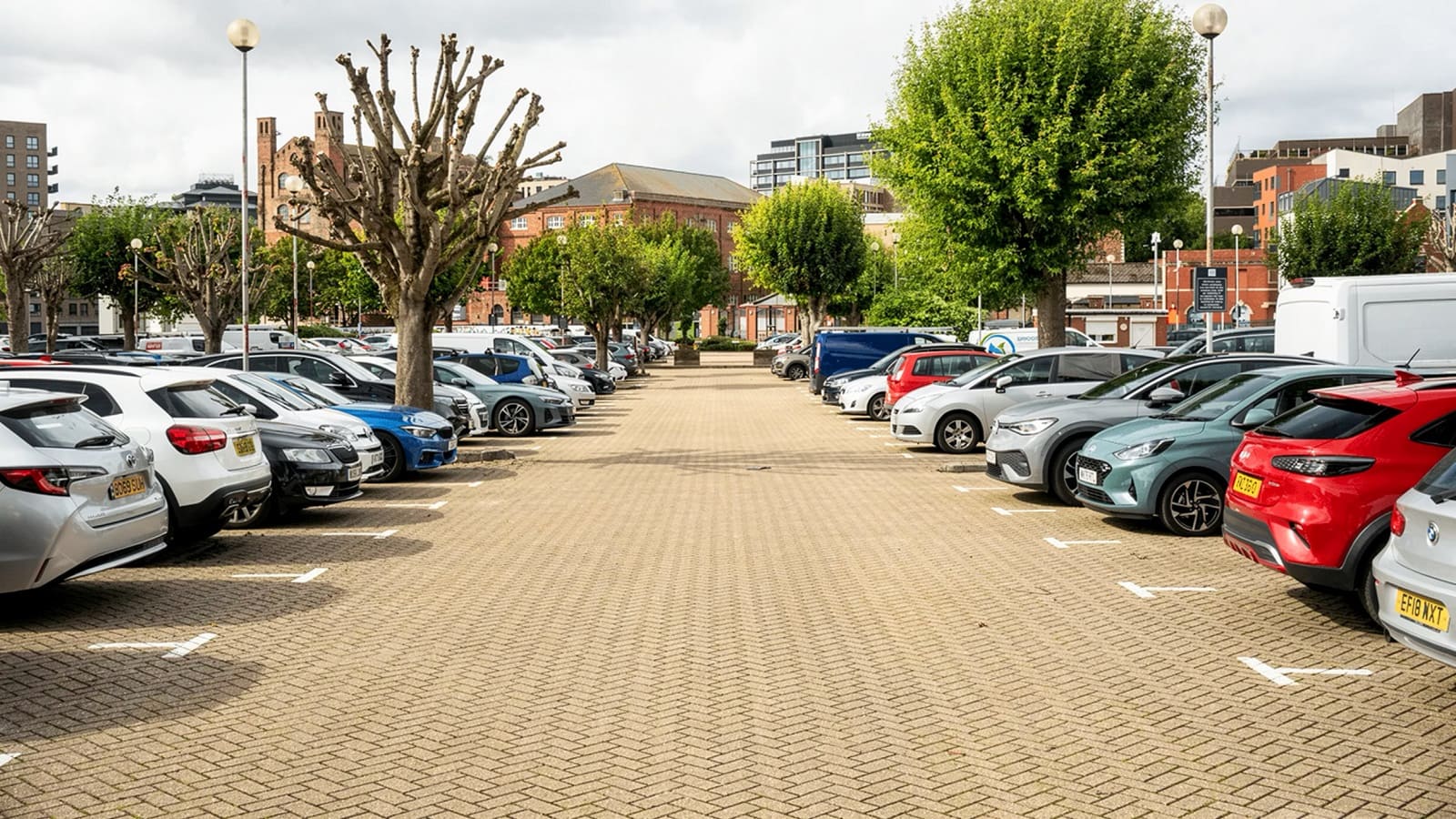
City Centre Car Parks
If you are driving into central Bristol for a day of sightseeing, using a dedicated car park is usually easier than trying to find a suitable space on the street. Bristol City Council operates a number of car parks in and around the city centre, with different locations suited to different sightseeing areas.
Trenchard Street is one of the largest central options, with 936 spaces and 24-hour opening. Its location in the West End makes it particularly useful for visitors exploring the central shopping and cultural areas, while its size can make it a practical choice when you want to leave the car for several hours. The car park has a height restriction of 2.057 metres, so check your vehicle before entering if you are driving a tall SUV, van or other high vehicle. :contentReference[oaicite:1]{index=1}
College Street is another central option, with 214 spaces and a maximum stay of four hours. It can be useful for shorter visits where you want to park close to the central attractions without committing to a full-day stay. The car park also has four electric vehicle charging bays in its covered section. :contentReference[oaicite:2]{index=2}
Other council-operated car parks around central Bristol include Queen Square, Temple Gate, Portwall Lane, The Grove, Wapping Wharf, Maritime Heritage Centre and Lower Guinea Street. Their locations make them useful for different parts of the city, so it is worth choosing the car park according to the attractions you plan to visit rather than simply heading for the first one you see. :contentReference[oaicite:3]{index=3}
Temple Gate can be particularly convenient if you are arriving from the east or south-east and want to explore central Bristol without driving deep into the busiest streets. The area around Temple Meads is also useful if you are combining a car journey with a train trip or staying near the station.
Wapping Wharf and the Maritime Heritage Centre are better choices when the Harbourside is the main focus of your day. From this part of the city, you can explore the waterfront on foot and visit attractions including M Shed and the SS Great Britain without repeatedly returning to your car.
Parking charges vary between locations and can change, so check the current council information before travelling. For example, the current standard daytime rate at Trenchard Street is £2.70 for one hour, £5.40 for two hours, £8.10 for three hours and £10.80 for four hours, with a higher charge for stays over four hours. Evening and overnight rates are separate. :contentReference[oaicite:4]{index=4}
If you are visiting Bristol for a full day, compare the cost and maximum stay before choosing a short-stay car park. A location that is convenient for a quick visit may not be the best choice if you plan to leave your car for most of the day. Conversely, a larger long-stay car park can be unnecessary if you only need to stop for a couple of hours.
The most useful approach is to choose the parking area around your itinerary. For shopping and central attractions, look towards the city-centre car parks; for the Harbourside, consider the options around Wapping Wharf and the waterfront; and for a longer visit where central parking is inconvenient, consider Park & Ride instead.
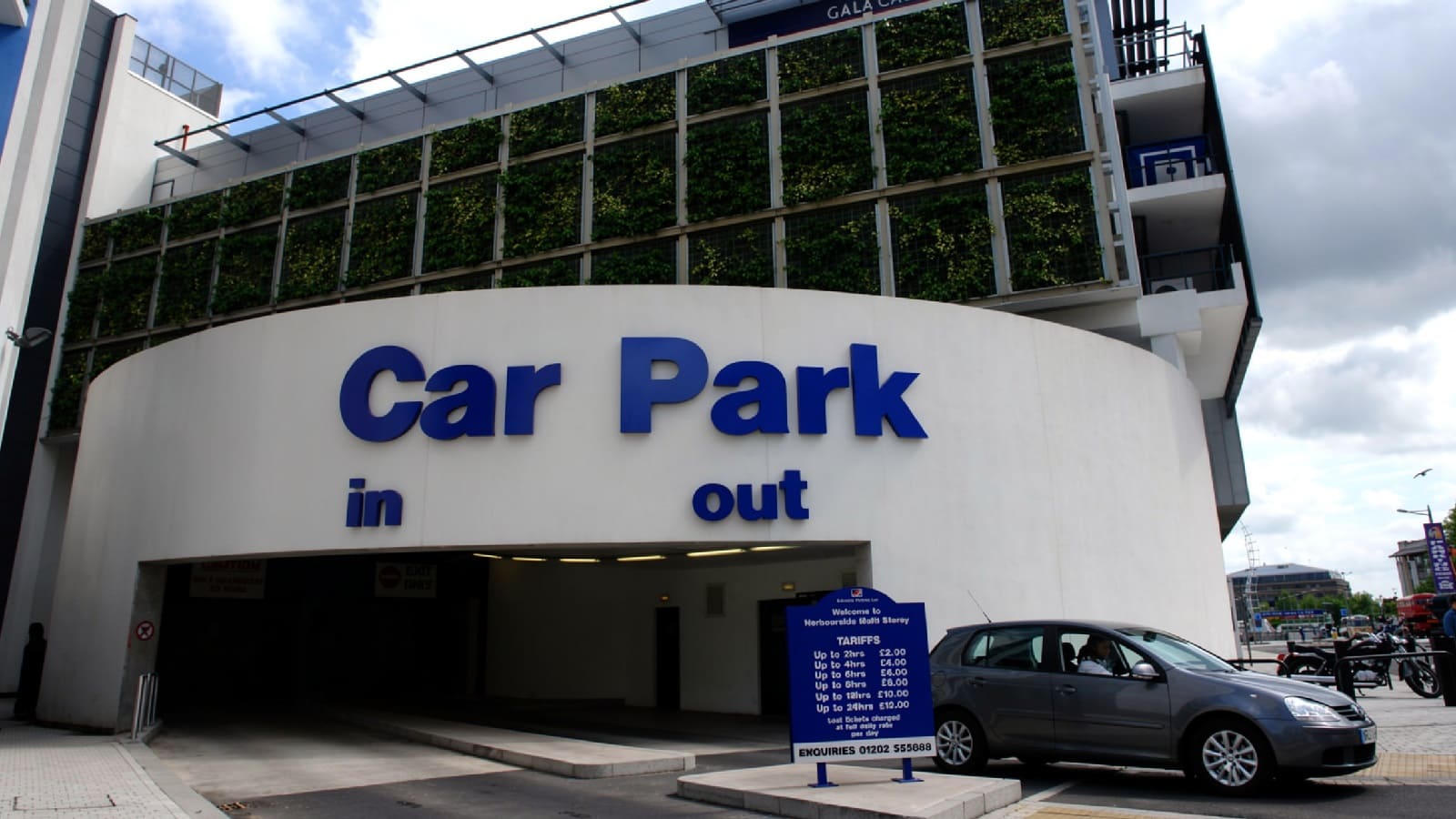
Harbourside & Old City Parking
The Harbourside and Old City are two of the most popular areas for visitors to Bristol, but they require slightly different parking strategies. The Harbourside has several car parks within walking distance of the waterfront, while parts of the Old City are pedestrianised and cannot be entered by ordinary cars during restricted hours.
If the Harbourside is the main focus of your day, The Grove car park is one of the most convenient council-operated options. It is located directly in the Harbourside area at The Grove and has 138 spaces, with a maximum vehicle height of 2 metres. It is particularly useful for visitors planning to explore the waterfront and nearby attractions on foot. :contentReference[oaicite:1]{index=1}
Another option is the Maritime Heritage Centre car park on Gasferry Road. It has 167 spaces and a maximum stay of five hours, making it suitable for a substantial Harbourside visit. From here, you can explore the waterfront and attractions around M Shed and the historic harbour without having to move the car between stops. :contentReference[oaicite:2]{index=2}
Wapping Wharf is another useful area to consider when your itinerary is centred around the southern side of the Harbourside. The surrounding area is close to M Shed, the waterfront and the SS Great Britain, and it also has a large choice of places to eat if you want to combine sightseeing with lunch or an evening meal.
Once you have parked around the Harbourside, it is usually better to leave the car where it is. M Shed, the SS Great Britain, Bristol Aquarium and the waterfront are all much easier to enjoy on foot than by repeatedly driving between them. The Harbourside is also a pleasant area for an evening walk, so parking once and exploring the waterfront at your own pace makes sense.
The Old City is different. Several streets in the historic centre have been pedestrianised for parts of the day, including Corn Street, Clare Street, Marsh Street, Small Street and streets around St Stephen's. Broad Street and several other roads are also subject to vehicle restrictions. Ordinary visitors should therefore not plan to drive directly to the middle of the Old City and look for a parking space there. :contentReference[oaicite:3]{index=3}
Instead, park outside the pedestrianised area and walk in. Queen Square can be useful for shorter visits, although its council car park has a maximum stay of two hours. It has 159 spaces and is within walking distance of the Old City, King Street and the eastern side of the Harbourside. :contentReference[oaicite:4]{index=4}
For a longer sightseeing visit, choose a car park with a suitable maximum stay rather than trying to extend a short-stay session. This is particularly important if you want to visit several attractions, stop for lunch and spend time exploring the historic streets without having to return to the car.
The Old City is especially easy to explore on foot once you have parked nearby. From the surrounding streets you can walk towards St Nicholas Market, Corn Street, King Street, Bristol Cathedral and the historic waterfront. For visitors, this is usually much simpler than attempting to navigate the pedestrianised streets by car.
Always check the current parking conditions before setting out. Bristol City Council's parking information provides the latest details on car parks, charges and restrictions, while the Old City restrictions are particularly important to check if your navigation system suggests driving through the historic centre.
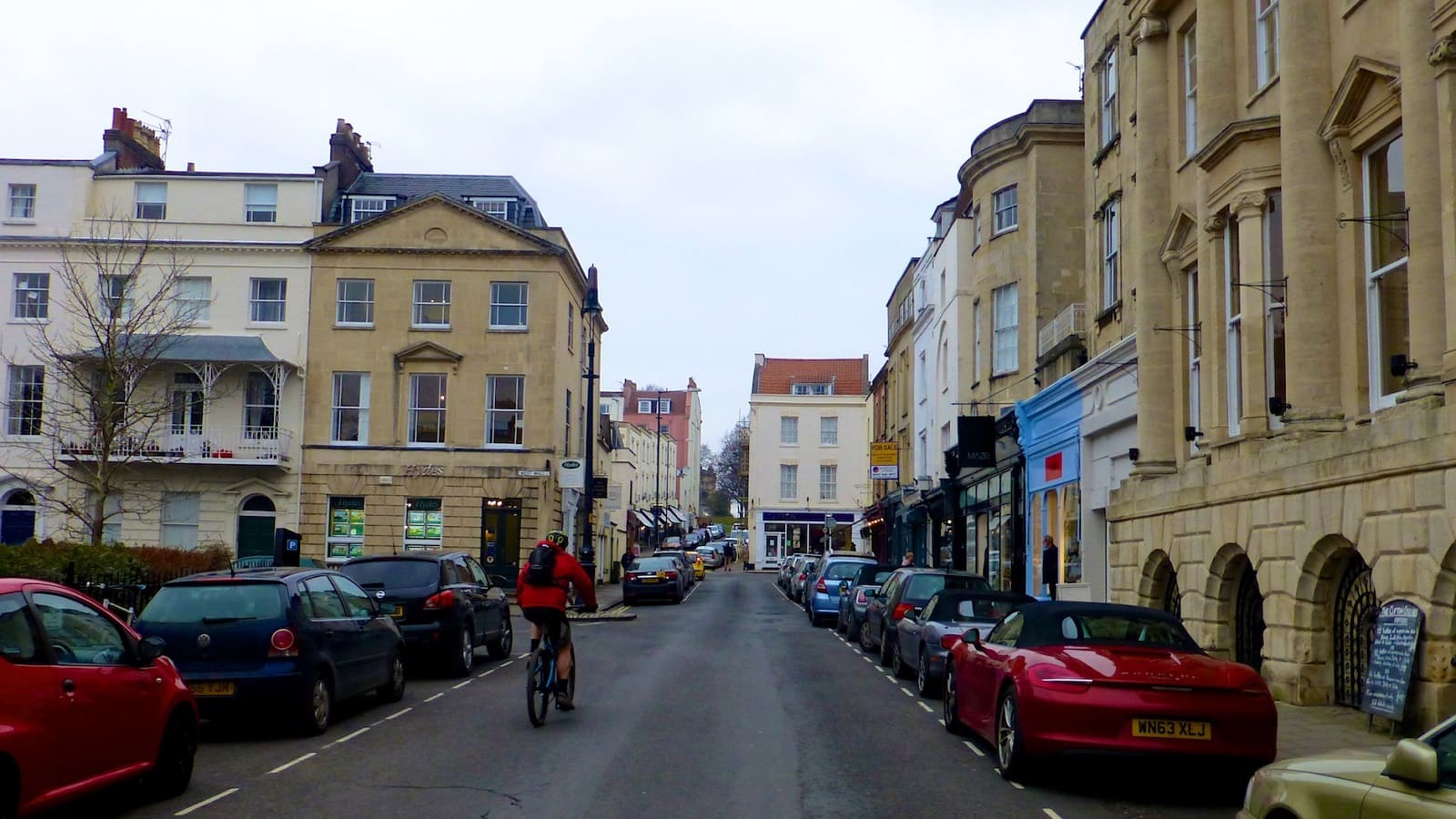
Clifton & Clifton Village Parking
Parking in Clifton can be more complicated than in some parts of central Bristol, particularly around Clifton Village and the area surrounding Clifton Suspension Bridge. The neighbourhood is popular with visitors as well as residents, and many streets have controlled parking arrangements. If Clifton is part of your sightseeing plans, it is worth deciding where you will leave the car before you arrive.
Clifton Village is one of the most attractive parts of Bristol to explore on foot. The area is known for its Georgian architecture, independent shops, cafés and restaurants, and it is also a convenient base for visiting Clifton Suspension Bridge. Once you have found suitable parking, there is little reason to move the car again while exploring the neighbourhood.
On-street parking is available in parts of Clifton, but spaces are subject to local restrictions and are often in demand. Residents' parking zones operate in the area, and some bays are only available to permit holders during specified hours. Always check the signs at the exact location before leaving your vehicle.
If you are visiting Clifton Suspension Bridge, remember that the bridge itself is not a place to leave your car. The surrounding streets can become particularly busy during weekends and holiday periods, so arriving early can make the visit considerably easier. You can then explore the bridge, the Avon Gorge viewpoints and Clifton Village on foot.
Clifton Down Shopping Centre and the surrounding area provide another useful option for visitors who want to combine sightseeing with shopping or a meal. However, parking arrangements vary between individual facilities, so check the current conditions, opening hours and charges before relying on a particular car park.
The Downs provide a different option if you want to spend time outdoors. The large open area is popular with walkers, runners and families and offers plenty of space to explore around the gorge. Parking around The Downs is subject to local restrictions, and spaces can become busy when the weather is good.
One of the most important things to remember is that Clifton is hilly. If you park some distance from your destination, the walk may involve a substantial climb. A space that looks relatively close on a map can therefore be less convenient than it appears, particularly if you are travelling with young children or anyone with limited mobility.
For a sightseeing day, a sensible approach is to choose parking near the part of Clifton you most want to visit and then explore the area on foot. If the main objective is Clifton Suspension Bridge, prioritise access to the bridge and gorge; if you want to spend more time in Clifton Village, look for parking that makes the shops, cafés and restaurants easy to reach.
Parking restrictions and charges can change, so check the latest Bristol City Council information before travelling. Do not rely on an old parking guide or assume that a space is available to visitors simply because you see cars parked nearby. Reading the signs carefully is particularly important in Clifton, where residential and visitor parking areas can be close together.
Park & Ride in Bristol
Park & Ride can be one of the easiest ways to visit Bristol if you are arriving by car and do not want to deal with city-centre traffic or parking. Instead of driving into the centre, you leave your vehicle at a designated site and continue your journey by bus. This can be particularly useful on busy days when central car parks are likely to fill up.
Bristol currently has three main Park & Ride sites: Brislington, Long Ashton and Portway. They serve different approaches to the city, so the most convenient site depends on where you are travelling from and which part of Bristol you want to visit.
Brislington Park & Ride is on the south-eastern side of Bristol and is useful for visitors approaching the city from the direction of Bath and the surrounding area. From here, the bus provides a straightforward alternative to driving further towards the centre.
Long Ashton Park & Ride is west of Bristol and can be particularly useful when approaching from the direction of the M5, Portishead and North Somerset. It provides a practical option for visitors who want to avoid taking their car through the western side of the city and towards the Harbourside.
Portway Park & Ride is located to the north-west of the city and is useful for visitors approaching from the M5 and areas around Avonmouth. Its position makes it a natural choice for some journeys from the north and west rather than driving directly into central Bristol.
The main advantage of Park & Ride is that you do not have to worry about finding a parking space once you reach the centre. After leaving your car, you can continue by bus and arrive without dealing with narrow streets, one-way systems and busy central junctions.
Park & Ride can also make sense if you are visiting Bristol during a particularly busy period. Weekend shopping, major events, concerts and other large gatherings can put additional pressure on central parking. Leaving the car outside the centre can make the whole journey less stressful.
Before using Park & Ride, check the current service timetable, operating days, fares and any changes to the route. Services can vary, and temporary roadworks or events may affect journey times. It is also worth checking the last return bus if you are planning to stay in Bristol into the evening.
If you are travelling with children, luggage or mobility equipment, check the current arrangements before choosing a site. The most convenient Park & Ride is not necessarily the one closest to your route into Bristol; the frequency and destination of the bus service can be just as important.
For many day visitors, the best approach is simple: leave the car at Park & Ride, take the bus into Bristol and spend the day exploring on foot. When your sightseeing is finished, return to the Park & Ride site and continue your journey by car. It removes one of the biggest sources of stress from visiting a busy city centre.
Parking Near Bristol's Main Attractions
Bristol's main attractions are spread across several different parts of the city, so the best place to park depends largely on what you want to see. In most cases, it is easier to choose one suitable car park and walk between nearby attractions rather than moving the car throughout the day.
SS Great Britain and M Shed are both on the Harbourside, making parking around the waterfront a practical choice. The Grove and Maritime Heritage Centre car parks are among the options to consider in this area. Once parked, you can explore the two attractions on foot and continue along the waterfront towards Bristol Aquarium and other Harbourside sights.
Bristol Aquarium is also in the Harbourside, close to the city centre. Parking around the waterfront means you can combine the aquarium with M Shed, the SS Great Britain or a walk around the harbour without having to move your vehicle. This is particularly useful for families planning several attractions in the same part of Bristol.
Bristol Cathedral is in the city centre, close to College Green and the Harbourside. Rather than trying to park directly outside the cathedral, consider one of the central car parks and walk the remaining distance. This also puts you within easy reach of the Old City and other central attractions.
St Nicholas Market, Corn Street and King Street are all part of the historic centre and are best explored on foot. Parking directly in the Old City is not a sensible strategy because several streets are pedestrianised or subject to vehicle restrictions. Leave the car in a nearby central car park and walk into the historic streets.
Bristol Museum & Art Gallery and the attractions around Queens Road are particularly convenient if you are already visiting Clifton. Parking arrangements in this part of the city include on-street bays and local car parks, but restrictions vary considerably. Check the signs carefully and consider combining the museum with a visit to Clifton and The Downs rather than moving the car between each location.
Clifton Suspension Bridge requires a different approach. The bridge sits above the Avon Gorge, and parking immediately around the landmark can become busy, particularly at weekends and during good weather. If you find a suitable legal space, leave the car and explore the bridge and nearby viewpoints on foot. Clifton Village is also close enough to include in the same visit.
Cabot Circus has its own large car park and is one of the most straightforward destinations in Bristol for drivers. It can be particularly useful if shopping is the main purpose of your visit, while the location also provides access to the wider city centre on foot.
Bristol Hippodrome is in the heart of the city centre, so it is generally better to use a nearby central car park rather than trying to find a space directly outside the theatre. If you are attending an evening performance, check the car park's current opening hours and evening charges before your visit.
If you are visiting several attractions in one day, group them geographically. For example, you can park once near the Harbourside and visit M Shed, the SS Great Britain and Bristol Aquarium, or park closer to the centre and explore Bristol Cathedral, the Old City and St Nicholas Market on foot. This saves time and avoids the frustration of repeatedly searching for another parking space.
Always check the current parking restrictions and charges before leaving your vehicle. Attraction websites may tell you where an attraction is located, but parking conditions are controlled separately and can change. For the latest information, check the relevant Bristol City Council parking details before travelling.
On-Street Parking & Parking Zones
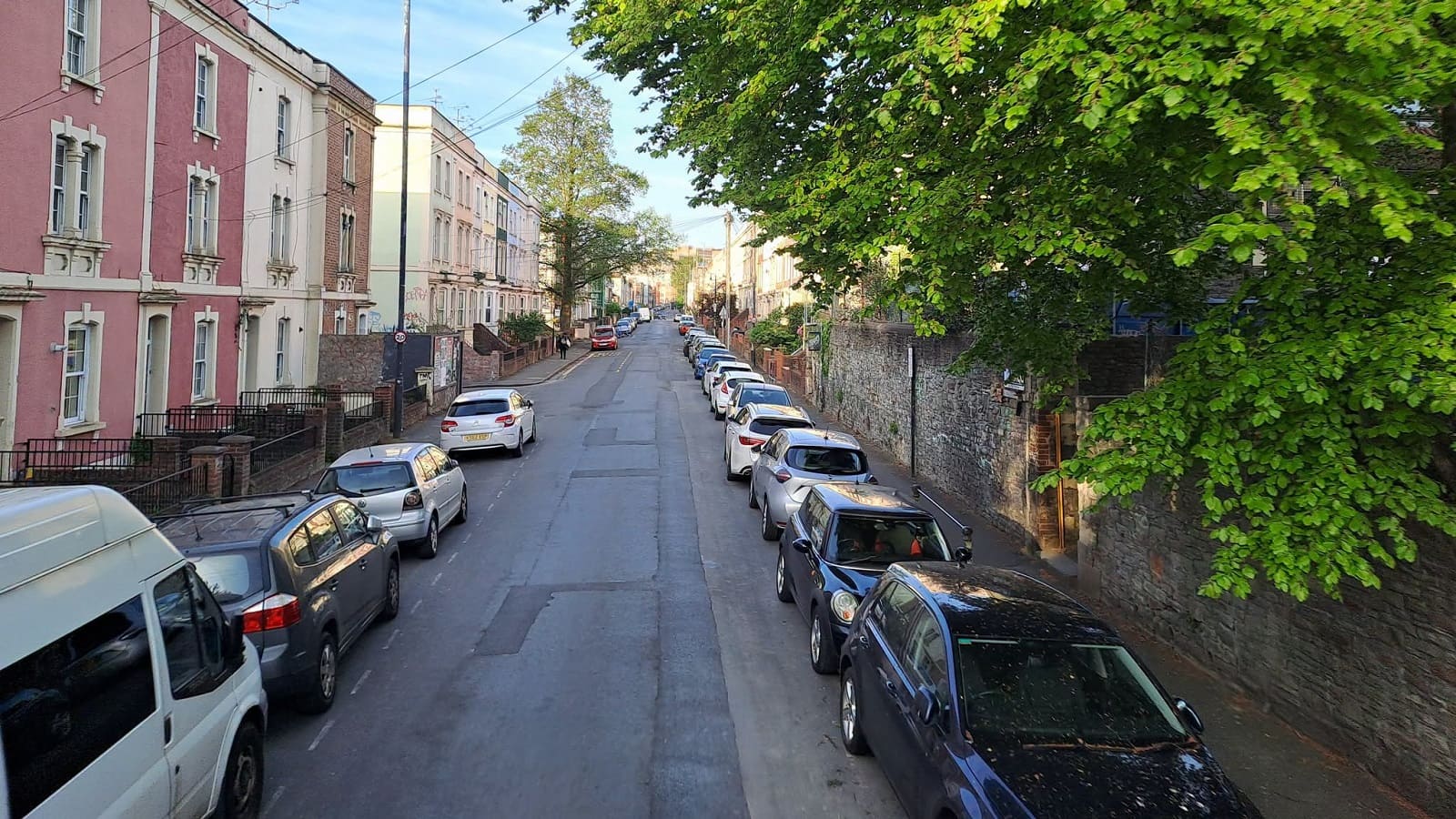
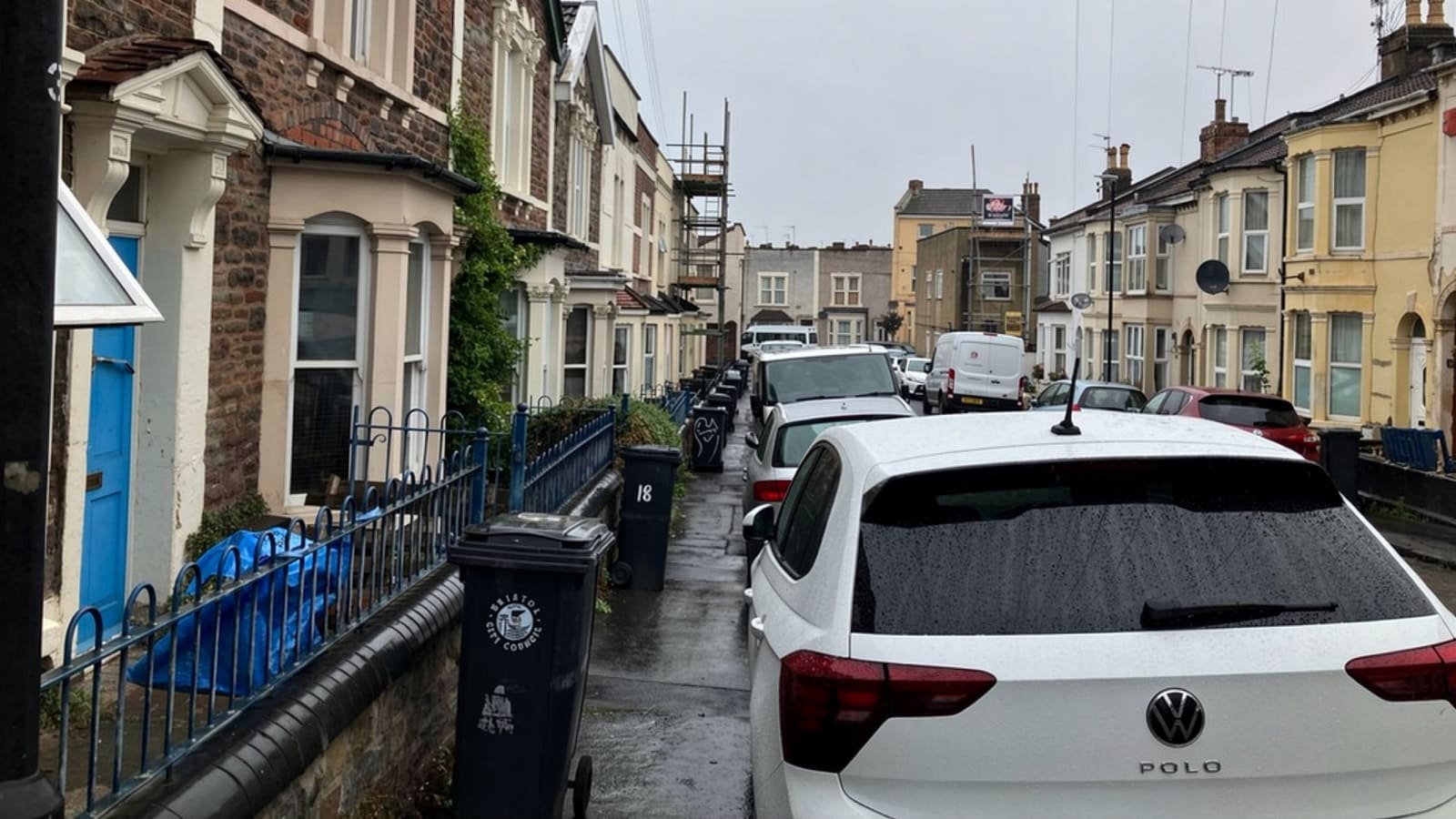
On-street parking can be useful in Bristol, especially when you only need to stop for a short time, but it requires more attention than using a dedicated car park. Different streets can have different restrictions, and a space that looks available may be reserved for residents, loading or another specific purpose.
Bristol uses Controlled Parking Zones, or CPZs, in a number of areas. Within these zones, parking is controlled during specified hours and may require a permit or payment depending on the particular street and bay. The exact rules are shown on signs and road markings, so always check the information at the location where you intend to park.
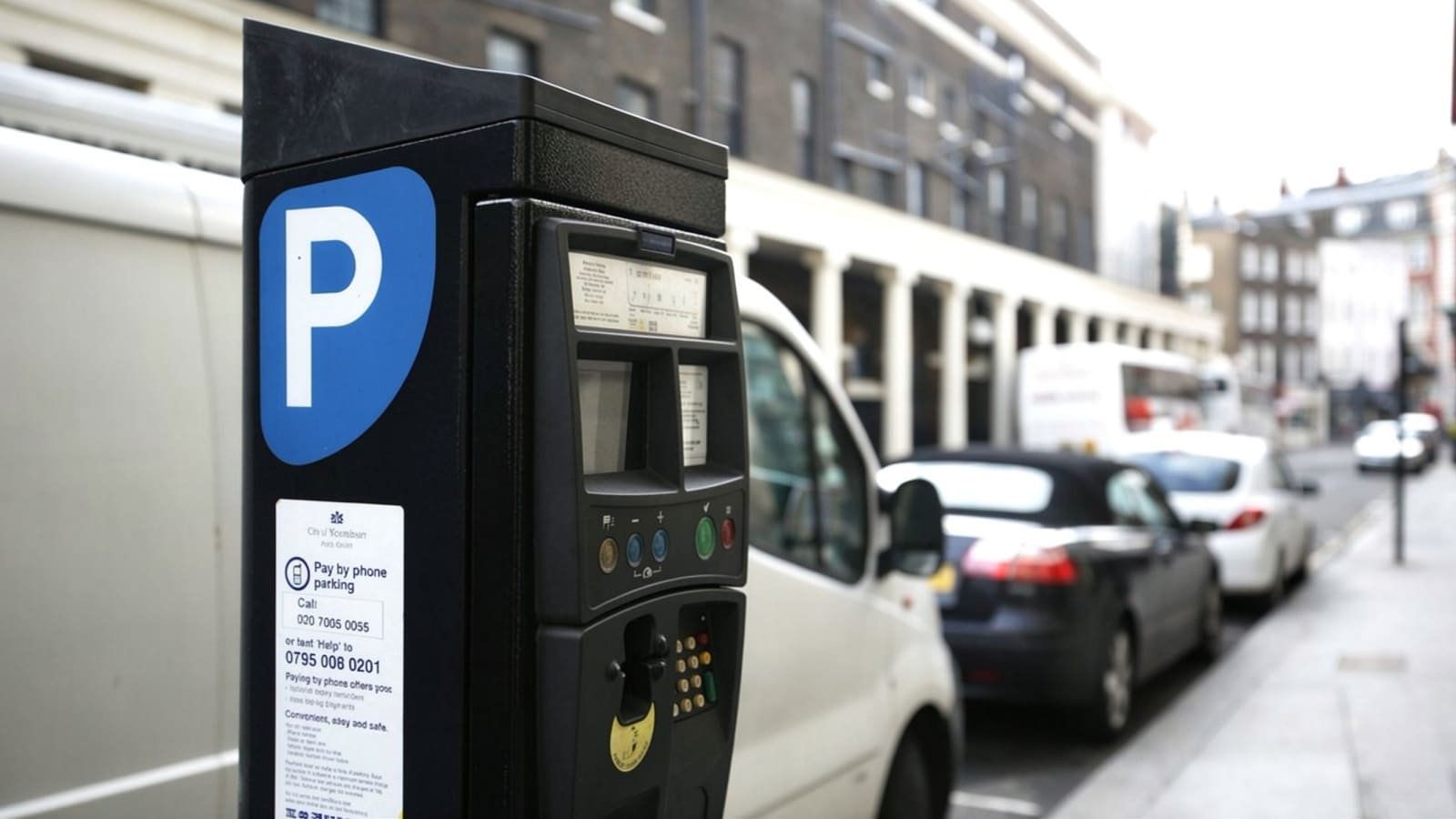
Pay-and-display and other paid parking bays can be convenient for short visits, but check the maximum stay before leaving the vehicle. A space that is suitable for a quick stop may not be appropriate if you plan to spend several hours sightseeing.
Residents' parking bays are another important consideration. These spaces are intended for vehicles with the appropriate permit and should not be treated as ordinary visitor parking simply because there is no physical barrier. If a sign indicates that a bay is permit-only during certain hours, you need to follow those restrictions.
Yellow lines also need careful attention. Single and double yellow lines have restrictions on parking and waiting, with the exact rules depending on signs and local conditions. Do not assume that you can stop simply because you cannot see a parking meter or payment machine nearby.
Loading bays, disabled parking spaces, taxi ranks and other specially marked areas have their own rules. Some restrictions apply only at particular times, while others operate continuously. Read the nearby sign rather than relying on assumptions about what the road marking means.
Bristol's Old City deserves particular attention because several streets have been pedestrianised or have restrictions on motor vehicles. If your navigation app suggests driving through the historic centre, check the current restrictions before following the route. It is often much easier to park outside the restricted area and walk to Corn Street, King Street, St Nicholas Market or Bristol Cathedral.
Payment arrangements can vary between locations, so check the information displayed at the parking bay. Where mobile or app-based payment is available, make sure you have entered the correct location and vehicle registration before confirming the session. This is especially important with a rental car, where the registration number may be unfamiliar.
Never assume that another parked vehicle means you are allowed to park in the same place. The other driver may have a resident permit, a disabled badge or another authorisation that you do not have. The sign and road markings at your parking position are what matter.
For visitors, on-street parking is best treated as a convenient option when the rules are clear rather than something to rely on throughout the day. If you are unsure about the restrictions or expect to stay for several hours, a dedicated car park is usually the simpler choice.
Parking for Evening & Night-Time Visits
Visiting Bristol in the evening can make parking feel easier because daytime traffic is usually lighter, but you should not assume that parking restrictions disappear after dark. Different car parks and streets have their own operating hours, charges and restrictions, so check the conditions before leaving your vehicle.
If you are going to the Bristol Hippodrome for a theatre performance, eating around the Harbourside or meeting friends in the city centre, a central car park is usually more convenient than searching for an on-street space close to your destination. Parking once also means you can walk between restaurants, bars and other evening venues without having to move the car.
The Harbourside is particularly easy to explore on foot after parking. Restaurants, bars and waterfront attractions are concentrated around a relatively compact area, so there is little advantage in driving from one venue to another. Leave the car in a suitable car park and enjoy the evening without worrying about finding another space.
Clifton can be a good choice for an evening meal or drinks, but parking conditions vary between streets and areas. If you are visiting Clifton Village, check the local signs carefully before using an on-street bay. A legal parking space may also be some distance from your final destination, so allow time for the walk.
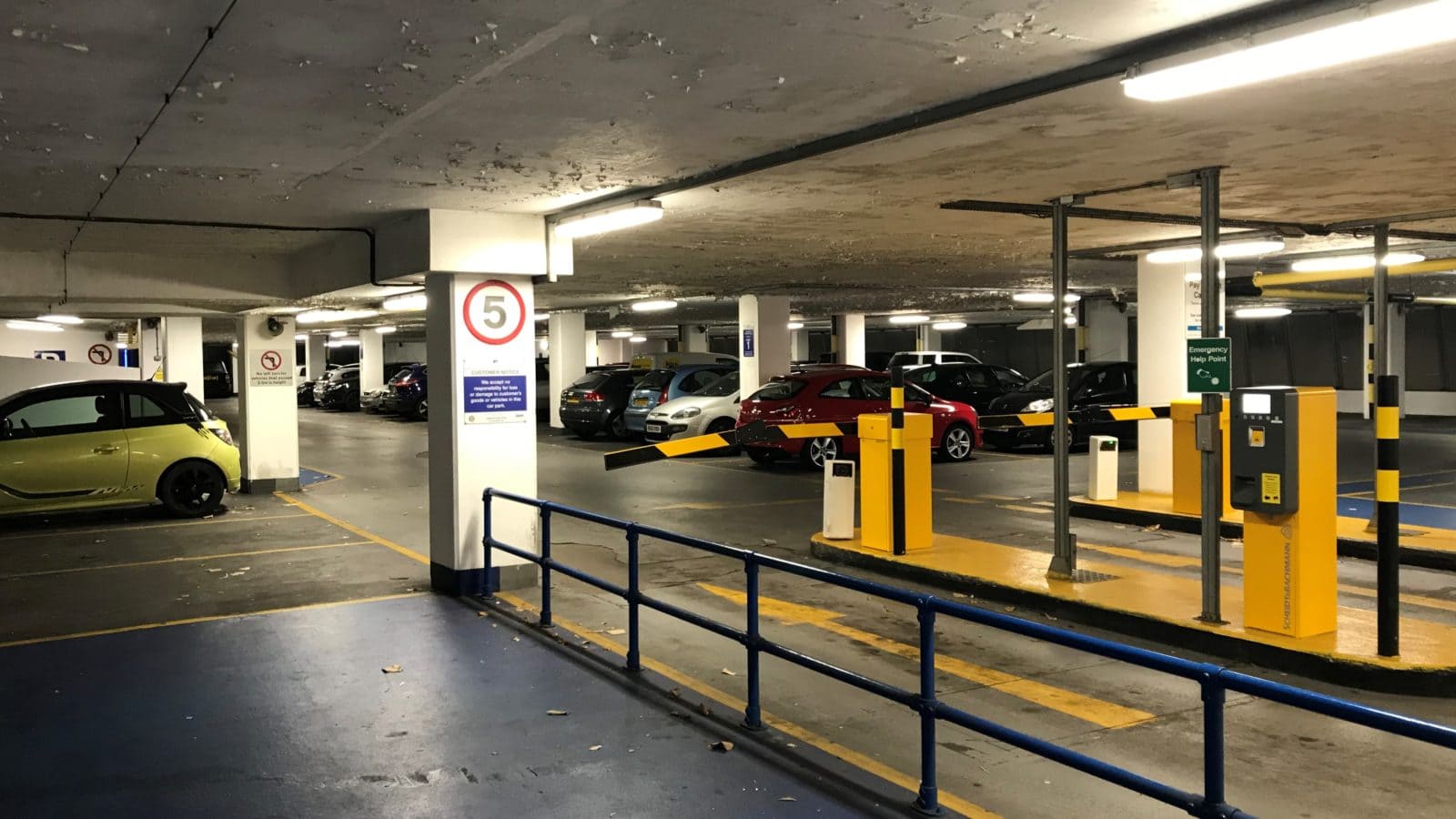
If you are staying out late, check when your chosen car park closes and whether vehicles can be collected after the main entrance closes. Some facilities operate 24 hours, while others have different opening arrangements. This is particularly important if you are attending a late theatre performance, concert or event.
Evening parking can also become more complicated during major events. Concerts, festivals, sporting events and busy weekends can increase demand around the centre and cause traffic delays. If you know that a major event is taking place, consider arriving earlier or using Park & Ride where a suitable service is available.
If you are using a rental car, remember that the vehicle is still your responsibility after dark. Avoid leaving luggage, shopping bags or other valuable items visible inside the car, even if you are only going to be away for a short time. Whenever possible, take valuables with you and lock the vehicle before walking away.
For an evening in central Bristol, the simplest strategy is usually to park once and walk. Choose a car park close to the area where you plan to spend most of your evening, check its current closing arrangements and charges, and then enjoy the restaurants, theatre, bars and waterfront without repeatedly returning to the car.
Practical Parking Tips
A little planning can save you a lot of time when parking in Bristol. Before setting off, decide which part of the city you want to explore and choose a parking option that suits the length of your visit. For a full day of sightseeing, a suitable long-stay car park or Park & Ride is usually more practical than searching for short-stay parking close to individual attractions.
Check the latest parking information before travelling. Charges, maximum stays, opening hours and restrictions can change, so information from an old guide may no longer be accurate. Bristol City Council's official parking information is the best place to check current conditions for council-operated car parks and parking zones.
Always read the signs when you arrive. Do not assume that a parking space is available to visitors simply because another vehicle is parked there. Residents' bays, loading areas, disabled spaces and other restricted locations can look similar to ordinary parking spaces but have completely different rules.
If you are using on-street parking, check both the road markings and the nearby signs. Pay particular attention to the days and hours when restrictions apply. If payment is required, make sure you select the correct location and enter the correct vehicle registration, especially when driving a rental car.
Check your vehicle's dimensions before choosing a multi-storey car park. Height restrictions can be important for large SUVs, vans and vehicles with roof boxes. If you are driving a rental vehicle, take a moment to check its height before setting out rather than discovering the restriction at the entrance.
If your destination is in the Old City, do not rely blindly on your navigation app. Pedestrianisation and vehicle restrictions can make some historic streets unsuitable for ordinary cars. Park outside the restricted area and walk to places such as St Nicholas Market, Corn Street, King Street and Bristol Cathedral.
For busy weekends and major events, consider arriving earlier than you normally would. Central car parks can become busy, and traffic around the city can increase significantly when large events are taking place. Park & Ride can be a useful alternative when you would rather avoid central traffic altogether.
If you are parking in Bristol overnight, check the rules for the specific car park rather than assuming that daytime charges or opening arrangements continue unchanged. Make sure you know how and when you can collect your vehicle if you plan to stay out late.
Never leave valuable items visible inside your car. This is particularly important with rental vehicles, which can be more obvious to someone looking for an unfamiliar vehicle. Take luggage and valuables with you whenever possible and lock the car before leaving it.
Finally, remember that the best parking space is not always the one closest to your destination. Bristol's central attractions are concentrated into several areas that are easy to explore on foot. Park once in a suitable location, enjoy the city without moving the car and use public transport or Park & Ride when driving into the centre does not make sense.
