Bike Hire in Bristol
Bristol is one of the UK's most interesting cities to explore by bicycle, with dedicated cycling routes, quiet paths, waterfront scenery and a growing network of routes across the city. A bike can be a convenient way to see more of Bristol in a short time, particularly if you want to travel between neighbourhoods that are too far apart for a comfortable walk.
Cycling is also a good way to get beyond the main tourist centre. The Harbourside, Clifton and Bristol's green spaces can all be explored by bike, while longer routes lead out towards the surrounding countryside. One of the best-known options is the Bristol to Bath Railway Path, which follows a largely traffic-free route between the two cities.
Visitors can choose between traditional bicycles and electric bikes depending on the type of journey they have planned. An e-bike can be particularly useful when tackling Bristol's hills or when you want to cover a longer distance without turning your sightseeing day into a serious workout.
This guide looks at where to hire a bike in Bristol, which routes are worth considering and how to plan a cycling day around the city. It also covers family-friendly options, the Bristol to Bath route and practical advice to help you decide whether cycling is the right way to explore Bristol during your visit.
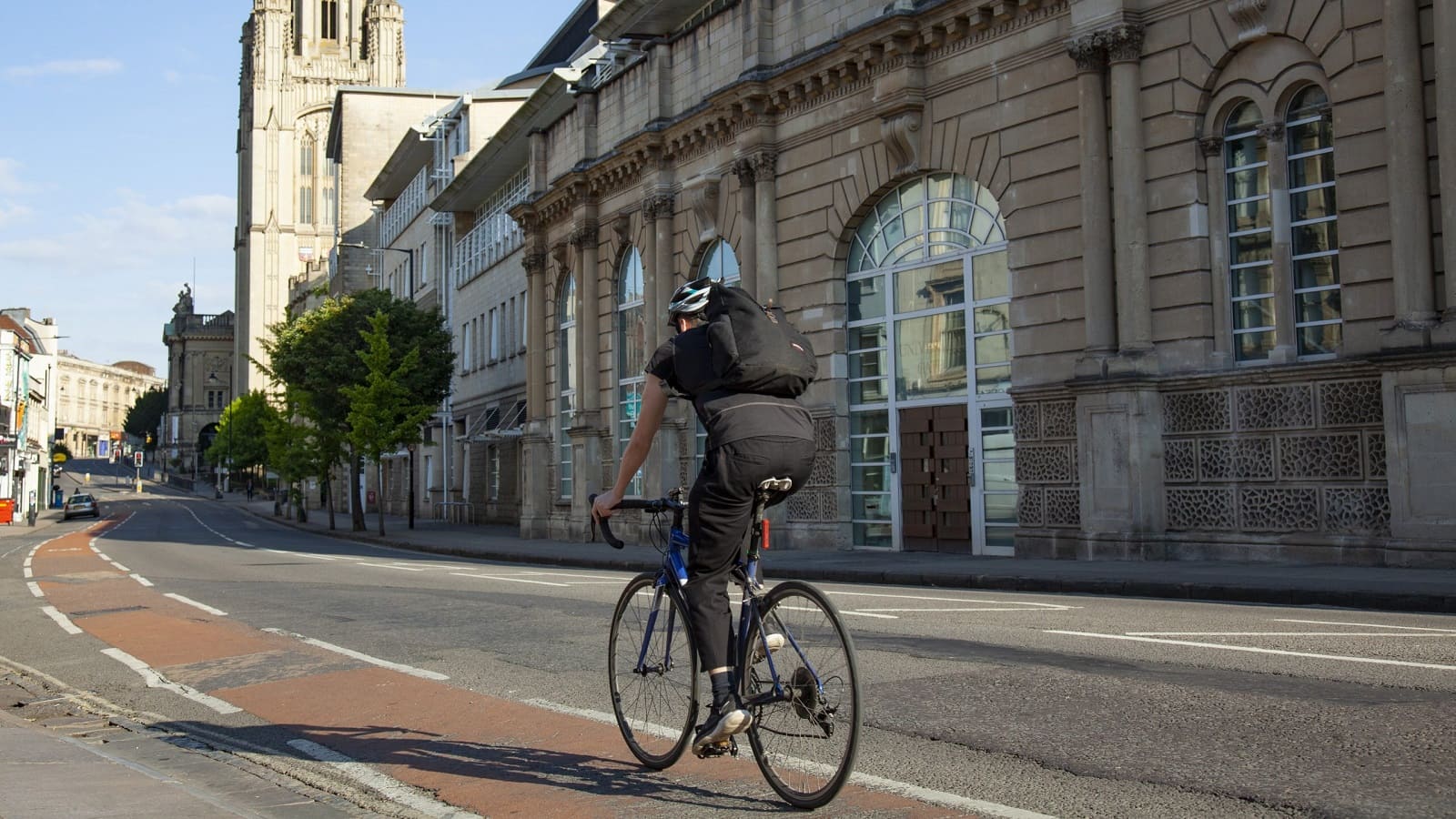
Cycling in Bristol: What to Expect
Cycling can be a great way to explore Bristol, but the city is not completely flat and the experience can vary considerably between neighbourhoods. Some areas are easy to reach by bike, while others involve steep hills, busy junctions or roads where cyclists need to pay particular attention to traffic.
The good news is that Bristol has a growing network of cycle routes and quieter streets, and several popular sightseeing areas can be linked without spending the whole journey in heavy traffic. The Harbourside and parts of the city centre are particularly useful starting points, while longer routes can take you towards Clifton, Southville and beyond.
Bristol's hills are the main thing to consider when planning a cycling day. Clifton and the areas around the Downs can involve noticeable climbs, and some routes through the city can be more demanding than they appear on a map. If you are not used to cycling on hills, an electric bike can make a significant difference.
Traffic is another consideration. Bristol has busy roads and complicated junctions, particularly around the central area. If you are unfamiliar with the city, choose dedicated cycle routes and quieter roads where possible rather than trying to follow the shortest route between two attractions.
Cycling is particularly useful when your itinerary covers several areas that are relatively close together but would take a long time to reach on foot. You can move between the Harbourside, central Bristol, Clifton and other neighbourhoods much more quickly, while still being able to stop whenever something catches your attention.
The city also works well as a starting point for longer recreational rides. The Bristol to Bath Railway Path is the most famous example, offering a largely traffic-free route that leaves the city behind and heads into the countryside towards Bath. Other routes can take you through parks, green spaces and surrounding neighbourhoods.
Weather can make a noticeable difference to the experience. Bristol's weather can change quickly, so check the forecast before setting out and take suitable clothing with you. Wet roads can also make some downhill sections more challenging, particularly on routes with steeper gradients.
If you are hiring a bicycle for sightseeing rather than exercise, do not try to cover too much ground. A shorter route with time to stop at viewpoints, cafés and attractions is usually much more enjoyable than spending the entire day trying to reach a long list of destinations.
Overall, Bristol is well worth considering by bike, particularly if you want to explore beyond the immediate city centre. Choose your route according to your fitness level, allow extra time for hills and traffic, and consider an e-bike if you want the freedom of cycling without worrying too much about Bristol's climbs.
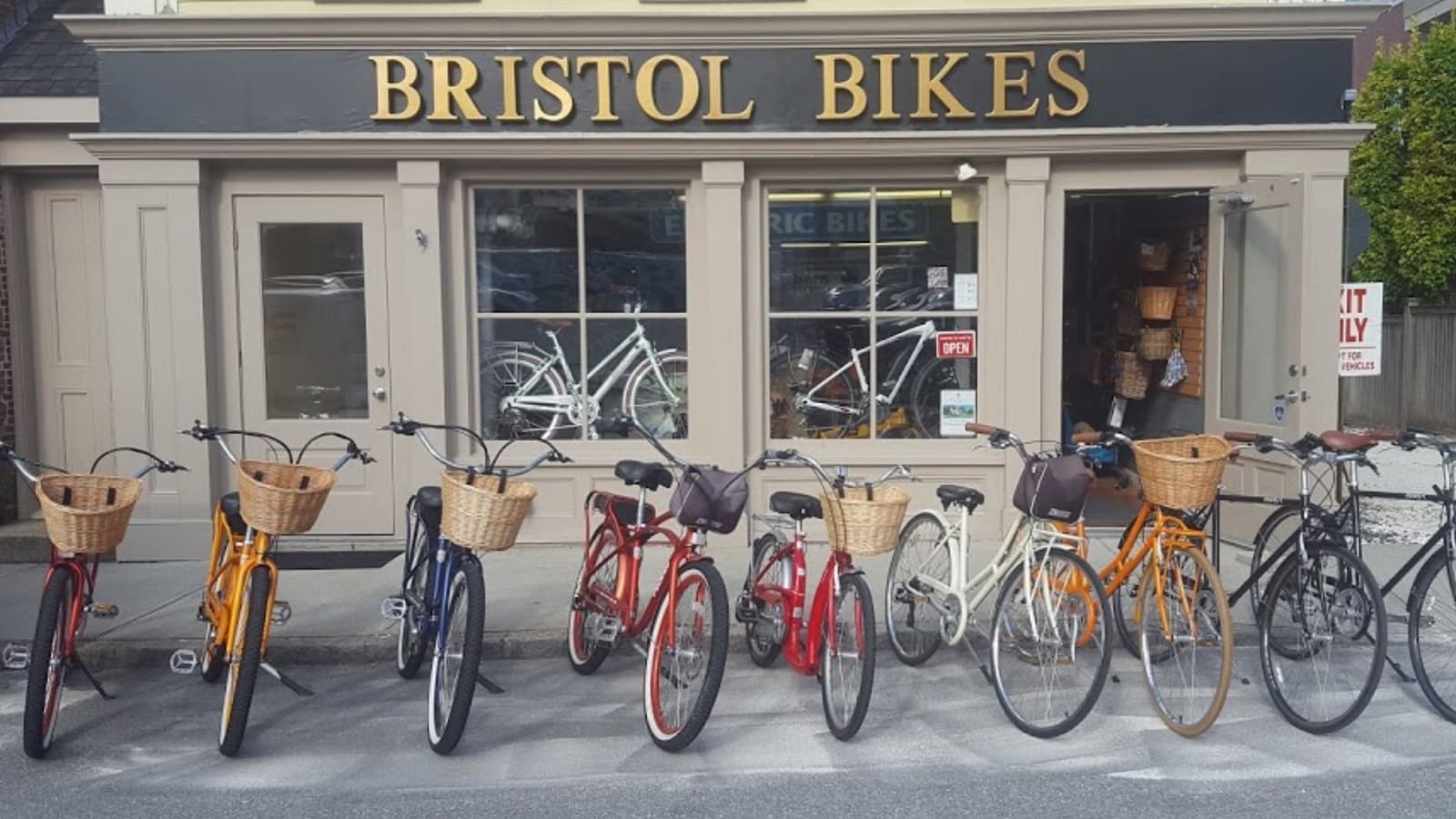
Bike Hire in Bristol
You do not need to bring your own bicycle to explore Bristol by bike. There are several ways for visitors to get on two wheels, from traditional rental bikes and guided cycling tours to electric bikes that can be picked up around the city. The best option depends on whether you want a few hours of sightseeing, a longer countryside ride or a specific cycling experience.
For straightforward city sightseeing, Cycle The City is one of the most convenient options to consider. The independent bike-hire service is based on Bristol's waterfront and offers lightweight hybrid bikes designed for exploring the city, with gears and puncture-resistant tyres that are useful on Bristol's hills. They also run cycling tours around the Harbourside and city, which can be a good choice if you would rather follow a local guide than plan a route yourself. :contentReference[oaicite:1]{index=1}
If your plans are more focused on off-road riding, Pedal Progression offers hardtail and full-suspension mountain bikes from its base at Ashton Court Estate. This is a different proposition from hiring a city bike: Ashton Court is a popular destination for mountain biking, with trails and green space that make it more suitable for a dedicated riding session than simply getting around the city centre. :contentReference[oaicite:2]{index=2}
Another convenient option is an e-bike from Dott. E-bikes are available across much of Bristol through the Dott app, allowing visitors to locate an available bike and use it for shorter journeys around the city. This can be particularly useful when you want to avoid arranging a full-day rental or when Bristol's hills make a conventional bicycle less appealing. :contentReference[oaicite:3]{index=3}
The choice between a conventional rental bike and an e-bike largely comes down to how you intend to ride. A standard hybrid bike is perfectly suitable for a leisurely trip around the Harbourside or a longer traffic-free route if you are comfortable cycling. An e-bike is more attractive if you expect several climbs, want to cover a lot of ground or simply prefer to arrive at the next attraction without too much effort.
Bristol also has more unusual cycling experiences. For example, Bristol Tandem Hire offers bicycles built for two, while guided tours can provide a simple way to see major landmarks without having to navigate the city yourself. These options are particularly appealing for couples or visitors looking for something more memorable than ordinary transport. :contentReference[oaicite:4]{index=4}
Before booking, check exactly what is included in the rental and where you need to collect and return the bike. Ask about locks, helmets, luggage arrangements and what happens if you have a mechanical problem during a longer ride. For app-based e-bikes, make sure you understand the designated parking areas and any rules shown in the app before ending your journey.
If you are only visiting Bristol for a short time, there is no need to organise a bicycle for your entire stay. A few hours on a rental bike can be enough to explore the Harbourside and nearby neighbourhoods, while a full-day hire makes more sense for a trip such as the Bristol to Bath Railway Path. Choose the rental around the route you actually want to ride rather than simply choosing the cheapest available bike.
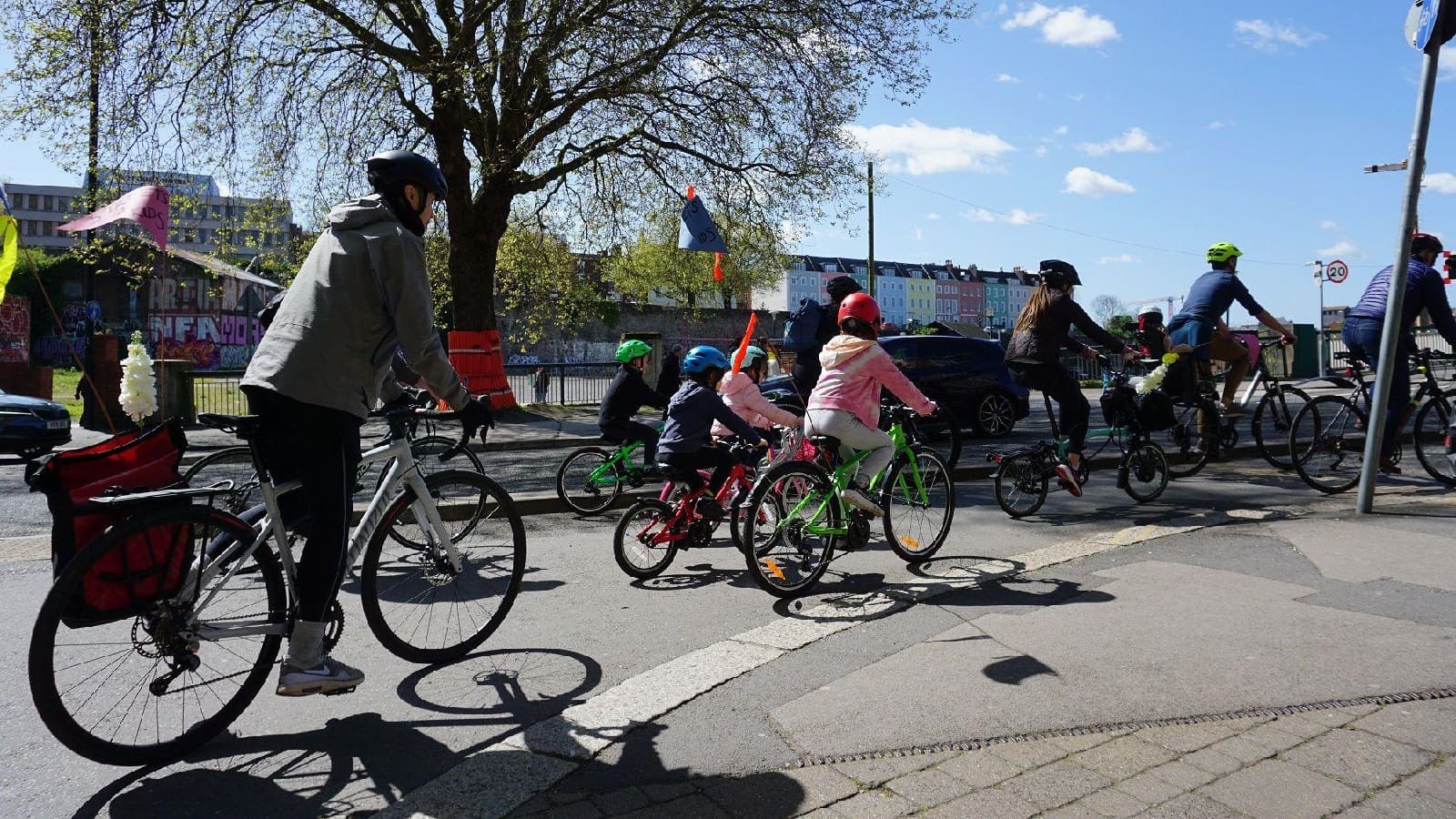
Bristol's Best Cycling Routes
Bristol has cycling routes to suit very different types of visitors. You can take a short ride around the waterfront, follow a largely traffic-free path into the countryside or spend several hours exploring the hills and green spaces around the city. Choosing the right route is more important than trying to cover as many kilometres as possible.
For a relaxed introduction to cycling in Bristol, start around the Harbourside. The waterfront provides an easy way to combine cycling with sightseeing, with attractions, cafés and open spaces along the route. You can continue towards Hotwells and Clifton before returning towards the centre, although some sections become hillier as you leave the waterfront.
The Bristol and Bath Railway Path is the obvious choice for a longer ride. The route follows the former railway line between Bristol and Bath and provides a largely traffic-free journey through the countryside. It is suitable for cyclists who want to spend several hours riding rather than constantly stopping at city attractions, and it can be ridden in either direction.
If you want a shorter countryside experience, consider cycling towards the paths and green spaces around Ashton Court. The estate is a popular destination for outdoor activities and offers a very different environment from the city centre. Mountain-bike trails are also available here for riders looking for something more challenging than an ordinary sightseeing ride.
Clifton and the Downs are another popular area for cycling, particularly if you want to combine a ride with some of Bristol's best-known views. The area around Clifton Suspension Bridge and the Downs is attractive, but visitors should be prepared for hills and busy roads. It is better suited to confident cyclists than complete beginners.
For a more urban ride, you can link the Harbourside with Southville and the streets around North Street. This gives you a chance to see a different side of Bristol while remaining relatively close to the central attractions. Cafés and independent shops along the route make it easy to turn the ride into a relaxed half-day outing.
Families and less experienced cyclists should look for routes with fewer interactions with traffic and avoid building an itinerary around Bristol's steepest climbs. A short, mostly level ride can be far more enjoyable than a demanding route that leaves you exhausted before you reach the attractions you planned to visit.
Before setting off, check the route conditions and current cycling information. Temporary roadworks, events and maintenance can affect individual paths, while weather can make muddy or uneven surfaces more difficult. If you are using an app for navigation, download or check your route before leaving so that you are not constantly stopping to find your way.
The best cycling day in Bristol is usually one that mixes riding with time to explore. Pick one main route, allow plenty of time for stops and choose cafés, viewpoints or attractions along the way. That way the bicycle becomes a way of discovering Bristol rather than simply a means of covering distance.
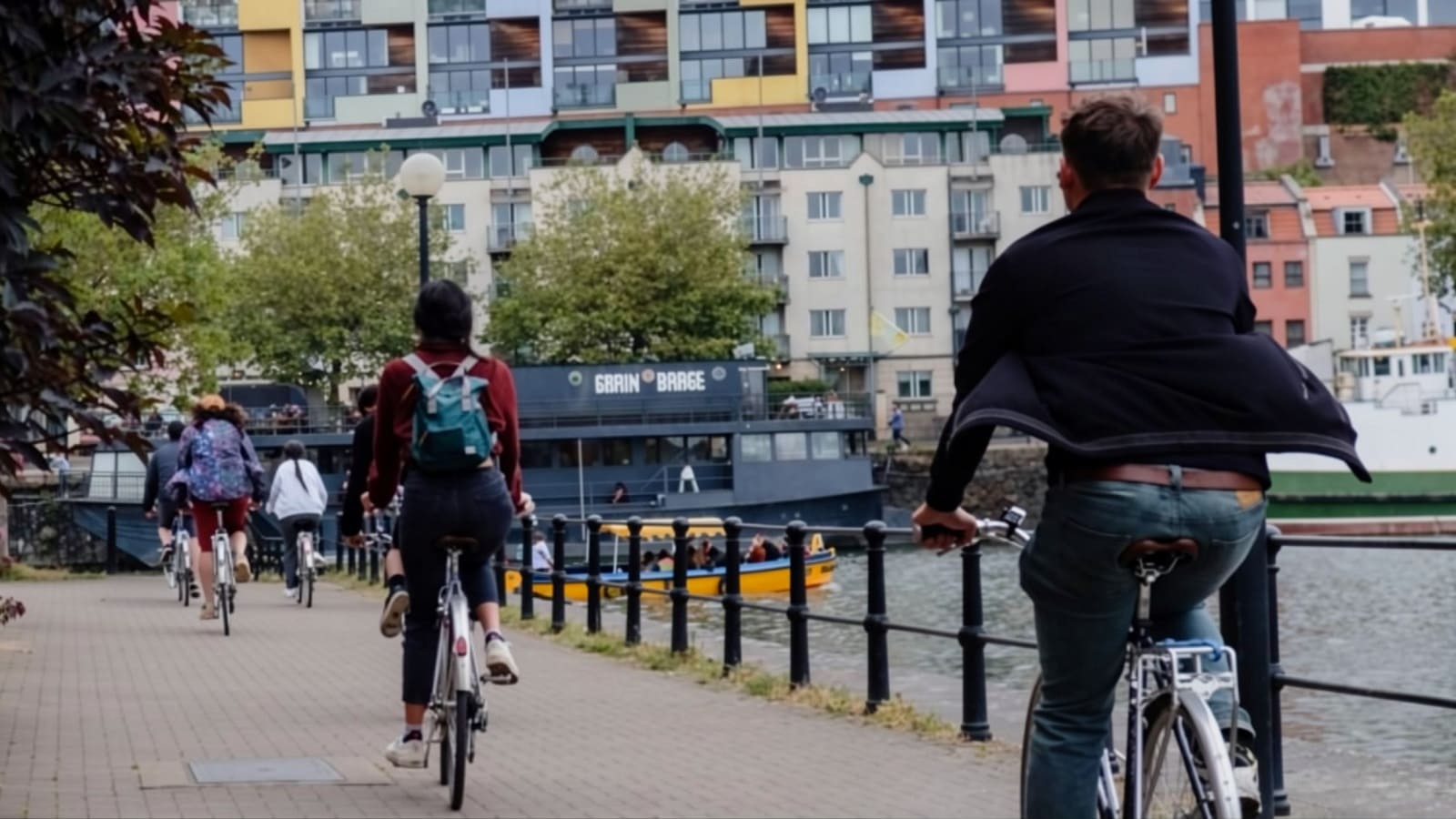
Harbourside & City Centre by Bike
Bristol's Harbourside is one of the easiest places to begin exploring the city by bicycle. The waterfront brings together several major attractions within a relatively compact area, and cycling makes it possible to move between them without spending too much time walking from one side of the harbour to the other.
Start around the central Harbourside and take some time to explore the waterfront before continuing towards M Shed. The museum sits directly beside the harbour and is one of the best places to learn about Bristol's history and its relationship with the water. Nearby, the distinctive shape of the SS Great Britain provides another major landmark and an obvious stop if you are interested in the city's maritime past.
From the Harbourside, you can continue towards Hotwells and the area below Clifton. This section gives you a different perspective on the city and brings you closer to the route towards Clifton Suspension Bridge. Be aware that the terrain becomes more demanding as you leave the waterfront, so an e-bike can be useful if you want to continue uphill.
Another option is to head in the opposite direction towards the city centre and Old City. From the waterfront, you can explore the area around Queen Square and continue towards Bristol's historic streets, although cyclists should pay close attention to road signs and restrictions when moving through the central area.
If you want to turn the ride into a longer sightseeing trip, combine the Harbourside with a stop in St Nicholas Market or continue towards Cabot Circus. This creates a useful route through several different parts of central Bristol, with plenty of places to stop for food, coffee or shopping.
The Harbourside is also a good place for visitors who are not experienced cyclists. You can keep the ride relatively short, stop frequently and return the bicycle without committing to a long countryside route. This makes it an easy way to test whether cycling suits you before booking a full-day rental.
Remember that the waterfront is not simply a dedicated cycling track from beginning to end. You will encounter pedestrians, other cyclists and sections where you need to follow normal road rules. Slow down around busy areas and give pedestrians plenty of space, especially at weekends and during events.
For a relaxed sightseeing day, allow several hours rather than trying to complete the route quickly. Stop at the attractions that interest you, take time to enjoy the waterfront and leave the bicycle parked when you want to explore somewhere on foot. The real advantage of cycling here is the freedom to connect several areas of Bristol without having to rush between them.
Clifton, Downs & Suspension Bridge
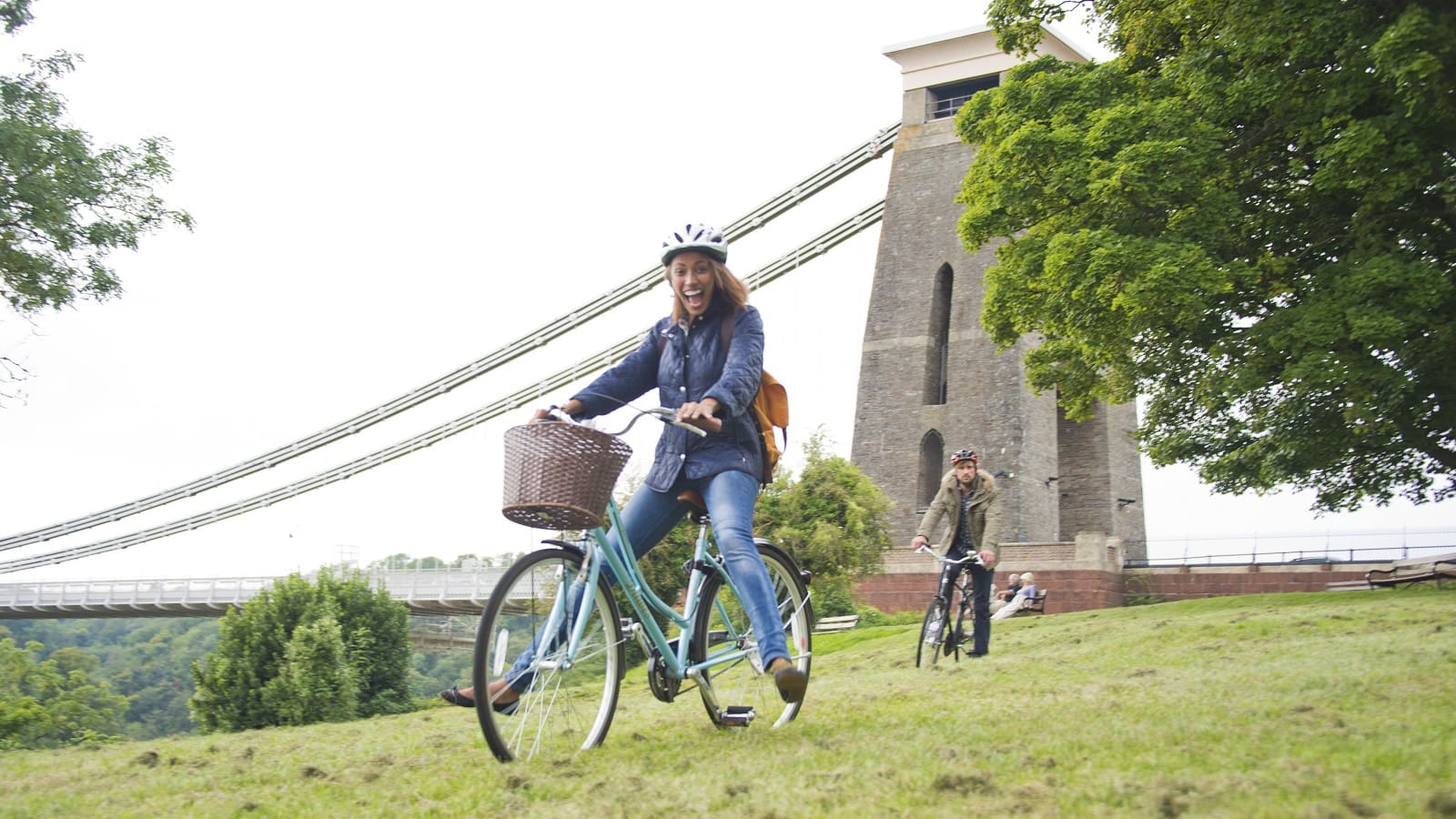
Cycling around Clifton is a good way to combine some of Bristol's most recognisable views with a ride through one of the city's most attractive neighbourhoods. The area around Clifton Suspension Bridge and the Downs is especially rewarding, although it is considerably hillier than the Harbourside and central waterfront.
A good starting point is Clifton Village, where you can leave the main cycling route for a while and explore the streets on foot. The neighbourhood is known for its Georgian architecture, independent shops, cafés and restaurants, making it an easy place to include a coffee or lunch stop during a cycling day.
From Clifton Village, head towards Clifton Suspension Bridge. The bridge crosses the Avon Gorge and is one of Bristol's defining landmarks. The viewpoint around the bridge provides impressive views into the gorge and across the surrounding landscape, so allow time to stop rather than simply cycling past.
The Clifton Suspension Bridge itself has restrictions that cyclists should be aware of. The bridge is open to cyclists, but visitors should follow the current crossing arrangements and dismount where instructed. Pedestrians can be numerous around the viewpoints, so slow down and give people plenty of space.
After visiting the bridge, the Clifton Downs provide an opportunity to continue riding through a large open green space. The Downs are popular with walkers, runners and families as well as cyclists, so this is more suited to a relaxed ride than fast cycling. On a clear day, the open landscape and views towards the gorge make this one of the most enjoyable areas around Bristol for a leisurely bike trip.
The main challenge is the terrain. Reaching Clifton from the Harbourside or central Bristol involves climbing, and some streets around Clifton can feel demanding if you are not used to hills. If you are hiring a bike primarily for sightseeing, an e-bike can make this part of the city considerably more comfortable.
Confident cyclists can combine Clifton with a longer ride through Hotwells and the Harbourside, creating a route that includes the waterfront, the Avon Gorge and Clifton. Less experienced riders may prefer to take public transport or another form of transport uphill and hire a bicycle locally for a shorter ride around the Downs and Clifton area.
When planning your visit, remember that Clifton is a residential neighbourhood as well as a tourist destination. Keep speeds low on busy streets, respect pedestrians and residents and use designated cycling areas where available. The best experience comes from treating the ride as sightseeing rather than trying to cover the area as quickly as possible.
For visitors with enough time, Clifton is one of the best places to combine cycling with Bristol's architecture, scenery and famous landmarks. Give yourself several hours, include a stop in Clifton Village and allow plenty of time around the suspension bridge and the Downs.
Bristol to Bath Railway Path
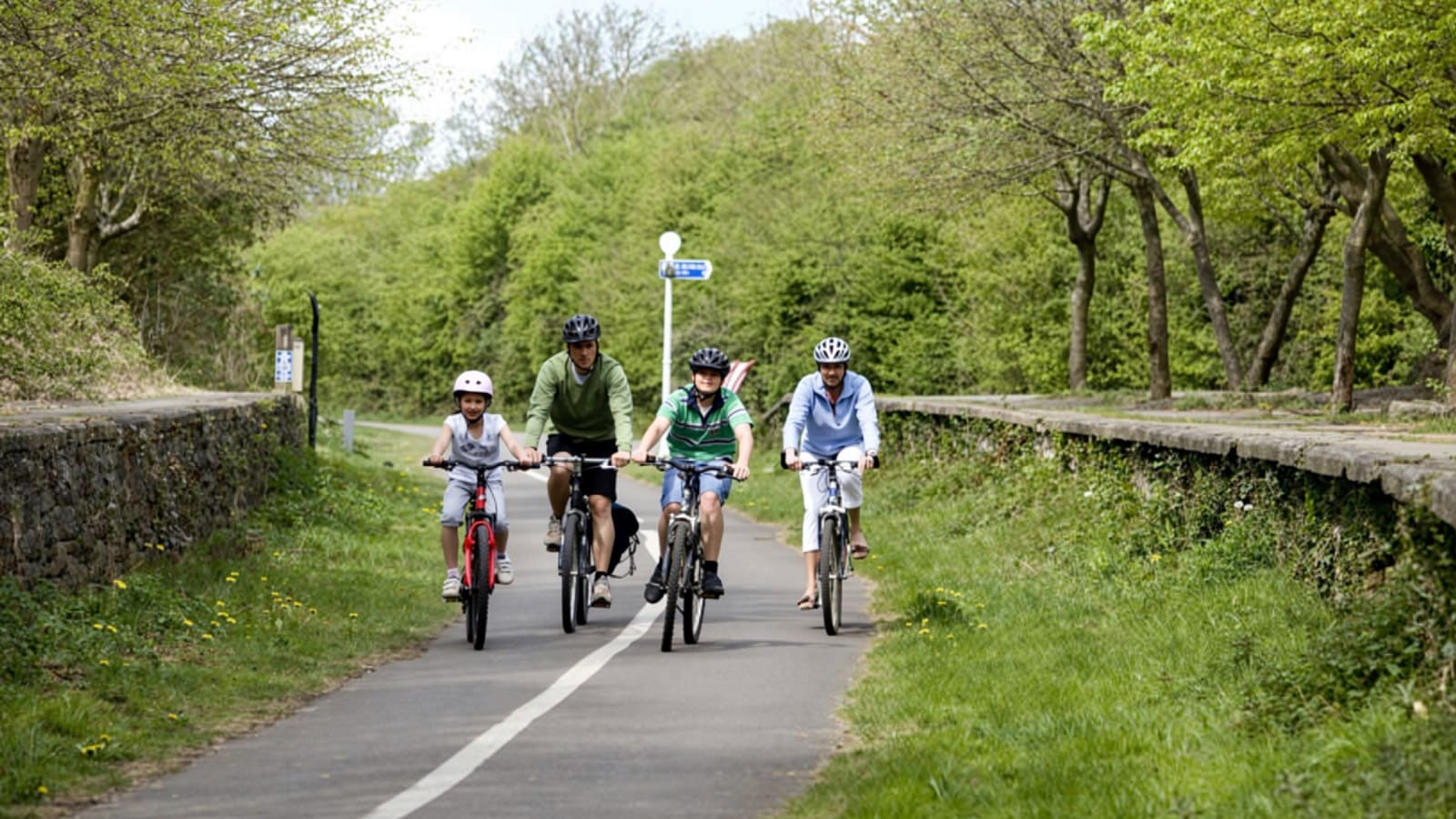
The Bristol to Bath Railway Path is one of the most popular cycling routes in the area and one of the best choices if you want to spend a day exploring beyond Bristol by bike. The route follows the former railway line between the two cities and provides a largely traffic-free journey through a mixture of countryside, woodland and small communities.
The full route is around 13 miles, or approximately 21 kilometres, between Bristol and Bath. It is suitable for a wide range of cyclists because much of the path is away from normal road traffic, although you should still expect other cyclists, walkers and occasional changes in surface.
One of the most attractive features of the route is that you do not need to make it a race from one city to the other. There are places to stop along the way, and the route passes through areas such as Warmley and Bitton. You can take your time, stop for refreshments and enjoy the scenery rather than concentrating solely on reaching Bath.
Bitton is a particularly interesting stop because of the connection with the former railway. The Avon Valley Railway operates heritage train services from Bitton, creating an opportunity to combine cycling with a historic railway experience when services are running. Check the current timetable before planning your visit, as train operations are seasonal and event-based.
Once you reach Bath, you can leave the bicycle behind and spend the rest of the day exploring the historic city. The Roman Baths, Bath Abbey, the Royal Crescent and the Georgian streets are all major attractions. If you have hired a bicycle in Bristol, check the rental company's return arrangements before setting out, as not every standard bike hire allows you to simply leave the bicycle in Bath.
This is one of the most important practical points to consider. A one-way ride sounds straightforward, but you need to know how you are getting back. Some visitors cycle to Bath and return by train, while others ride both directions. If you plan to return by train, check the current cycle carriage rules and restrictions before travelling, particularly at busy times.
The route is not completely isolated from the outside world, and conditions can vary. You may encounter pedestrians, families, other cyclists and sections where you need to cross or interact with local roads. Keep your speed under control, especially when approaching busy areas, and give other path users plenty of room.
An e-bike can be an excellent choice for this journey if you are concerned about the distance. It reduces the effort required without taking away the enjoyment of cycling through the countryside. However, you should still allow several hours for the trip if you want to stop along the way and spend meaningful time in Bath.
The Bristol to Bath Railway Path is best treated as a full-day experience rather than simply a quick transport route. Start early, take breaks, check the weather and make sure your bicycle is suitable for the distance. With some planning, it is one of the most rewarding ways to combine a visit to Bristol with a day exploring Bath and the countryside between the two cities.

Family Cycling & Easy Routes
Cycling can be a good family activity in Bristol, but choosing the right route is important. Families with children may be more comfortable on quieter, flatter paths away from busy roads rather than trying to cycle through the city centre or tackle Bristol's steeper hills.
The Bristol and Bath Railway Path is one of the strongest options for a family cycling day because much of the route is separated from normal traffic. You do not have to ride the entire distance to Bath, either. A shorter out-and-back trip allows families to experience the route without committing to a full-day ride.
Another possibility is Ashton Court Estate, particularly for families who want to combine cycling with time outdoors. The estate has large areas of open countryside and facilities for different outdoor activities. Families should choose paths and trails appropriate to their cycling ability, as some mountain-bike routes are designed for more experienced riders rather than casual sightseeing.
The Harbourside can also work well for a short family outing, particularly if the aim is to combine a little cycling with sightseeing. The area has plenty of attractions and places to stop, but it can become busy with pedestrians. Children should be supervised closely and cyclists should slow down around crowded sections.
If younger children are travelling with you, check the rental company's age and equipment requirements before booking. Child seats, trailers and children's bicycles are not necessarily available from every provider, and suitable equipment may need to be reserved in advance.
Electric bikes can be useful for adults accompanying children, especially when the route includes hills. An e-bike can reduce the effort required on climbs and make it easier to keep the whole group together. However, children should still ride within their own ability rather than trying to match an adult's speed.
Plan frequent stops into a family cycling day. Cafés, parks and attractions provide natural opportunities for breaks, while a shorter route leaves everyone with enough energy to enjoy the rest of the day. Carry water and snacks, particularly if you are leaving the central area and cycling into the countryside.
Weather is another consideration. A route that feels easy on a dry day can become less enjoyable in heavy rain or strong winds, especially for younger riders. Check the forecast before setting out and have a backup plan in case conditions change.
For families, the best cycling experience in Bristol is usually not the longest one. Choose a route that matches the youngest or least experienced cyclist, keep the pace relaxed and build the day around places where you can stop and explore. That approach makes cycling part of the holiday rather than an endurance challenge.
E-Bikes & Exploring Beyond Bristol
An electric bike can make a noticeable difference when exploring Bristol, particularly if you are not used to cycling on hills. The electric assistance takes some of the effort out of climbs while still allowing you to travel at cycling speed and stop easily whenever you find somewhere worth exploring.
This can be especially useful around Clifton, where routes from the Harbourside and central Bristol involve noticeable climbs. An e-bike also makes longer sightseeing rides more realistic if you want to combine several neighbourhoods without arriving at every attraction tired.
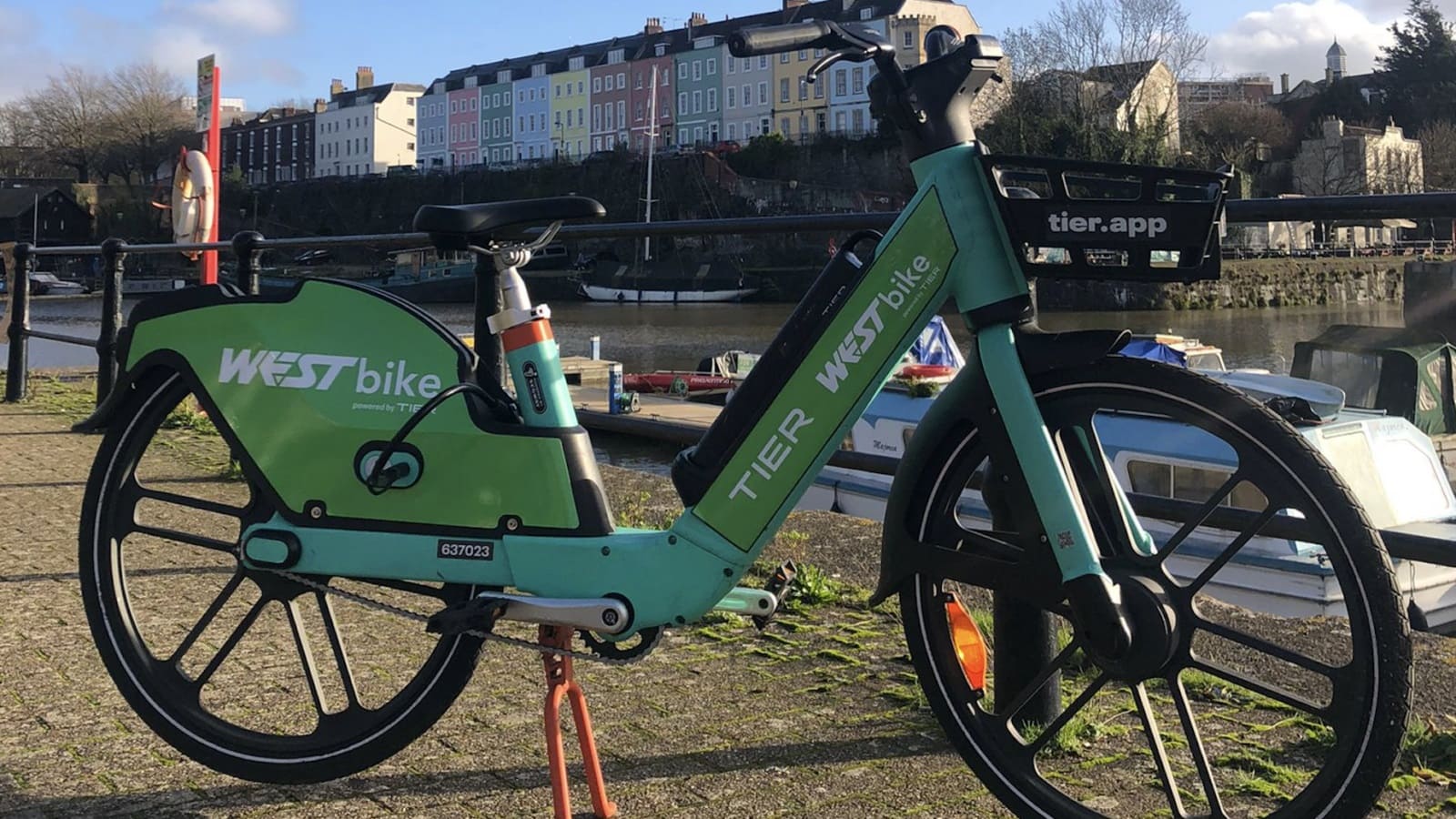
App-based e-bikes can be convenient for short journeys around the city because you do not necessarily need to commit to a full-day rental. Bristol has a Dott e-bike service, with bikes located around the city through the company's app. Availability and designated parking areas can change, so check the current information in the app before starting your journey.
For a longer trip, a conventional rental e-bike may be more suitable. Having the same bicycle for the whole day gives you more control over your route and avoids depending on finding another available bike when you reach your next destination. Ask the rental provider about battery range and charging arrangements before setting off.
The Bristol to Bath Railway Path is one of the most obvious longer rides where an e-bike can be useful. The route is around 13 miles each way, so electric assistance can make the distance much more manageable for visitors who are comfortable cycling but do not regularly ride long distances.
E-bikes can also make it easier to explore areas outside the immediate centre, but do not assume that electric assistance removes every challenge. Battery range depends on the bike, rider, terrain and level of assistance used. If you are travelling a significant distance, check the expected range and make sure you have enough battery for the complete route.
If you plan to ride beyond Bristol, think about where you will leave the bicycle at the end of the day. A city bike-sharing system may not be designed for long-distance trips outside its operating area, while a traditional rental may have specific return requirements. Confirm the rules before setting out rather than assuming you can return the bike anywhere.
For visitors who want to see more of Bristol without spending the day climbing hills, an e-bike can be one of the most practical choices. It combines the flexibility of cycling with a little extra assistance, making longer routes and hilly neighbourhoods accessible to a wider range of tourists.
Practical Cycling Tips
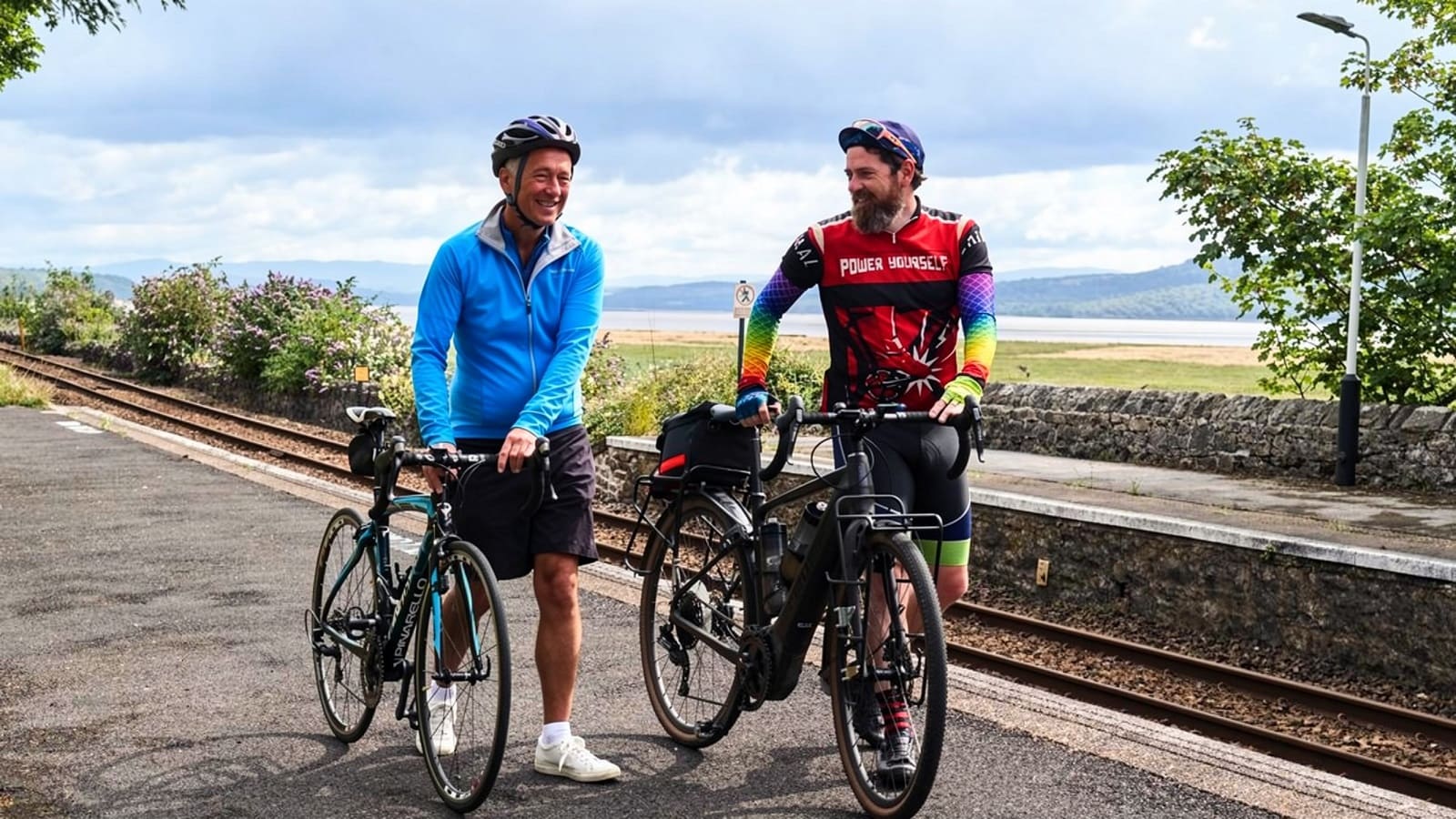
A little preparation will make cycling around Bristol much easier and more enjoyable. Before hiring a bicycle, think about the type of journey you want to make, how far you expect to ride and whether the route includes significant hills. A standard hybrid bike may be enough for a short city ride, while an e-bike can be a better choice for longer or hillier routes.
Always check what comes with the rental. Ask whether a lock, helmet, lights and any basic repair equipment are included, and find out what to do if you have a puncture or mechanical problem during your ride. If you are travelling with children, confirm in advance whether suitable child seats, trailers or smaller bicycles are available.
Plan your route before leaving rather than relying entirely on navigation while riding. Bristol's hills, one-way streets and busy junctions can make the shortest route on a map very different from the easiest route by bicycle. Dedicated cycle paths and quieter streets are often worth taking even when they add a little distance.
Take particular care around busy pedestrian areas. The Harbourside and central Bristol can become crowded, especially at weekends and during events. Slow down, give pedestrians plenty of room and dismount when signs or local conditions require it.
If you are planning the Bristol to Bath Railway Path or another long ride, check the weather and allow plenty of time. Carry water, take breaks and make sure your phone is charged. For longer journeys, it is also sensible to check the condition of the bicycle before leaving and make sure the brakes, tyres and gears are working properly.
Bristol's hills are one of the main reasons visitors choose an e-bike, but they are also a reason to plan your route carefully. If you are not a regular cyclist, avoid building your first day around several steep climbs. A relaxed route around the Harbourside or a largely traffic-free path can be a much better introduction to cycling in the city.
Think about where you will leave the bicycle whenever you stop. Use a proper cycle stand or the location specified by the rental or bike-share provider and secure the bicycle correctly. If you are using an app-based e-bike, check the designated parking area in the app before ending the rental.
Finally, remember that cycling is not only a way to get from one attraction to another. Bristol is particularly enjoyable when you leave time to stop along the way. Choose a route that includes cafés, viewpoints, parks or interesting neighbourhoods and give yourself permission to slow down and explore.
With the right bicycle and a sensible route, cycling can be one of the most enjoyable ways to experience Bristol. Start with a journey that matches your ability, take the city's hills seriously and build plenty of time for stops into your plans.
