Restaurants & Cafés in Bristol
Bristol has a lively and varied food scene, with everything from traditional British pubs and independent cafés to modern restaurants and international cuisine. Whether you are looking for a quick breakfast before exploring the city, a relaxed lunch near the harbour or somewhere special for an evening meal, visitors will find plenty of options across the city.
The city's different neighbourhoods each have their own character and dining choices. The Old City, Harbourside, Clifton, the city centre and areas such as St Nicholas Market are all popular places to eat, while many of Bristol's residential neighbourhoods also have independent cafés, restaurants and small food businesses worth discovering.
Bristol is also a good destination for visitors with different dietary preferences and budgets. Vegetarian and vegan food is widely available, international restaurants offer flavours from around the world, and casual cafés and food markets provide affordable alternatives to traditional restaurant dining. At the same time, there are plenty of places suited to a special occasion or a more leisurely evening.
This guide explains what visitors can expect from Bristol's food scene and where to look for different types of dining. From choosing the right neighbourhood to finding traditional British dishes, good coffee, affordable meals and restaurants by the waterfront, these tips will help you make the most of eating out during your stay.
Bristol Food Scene
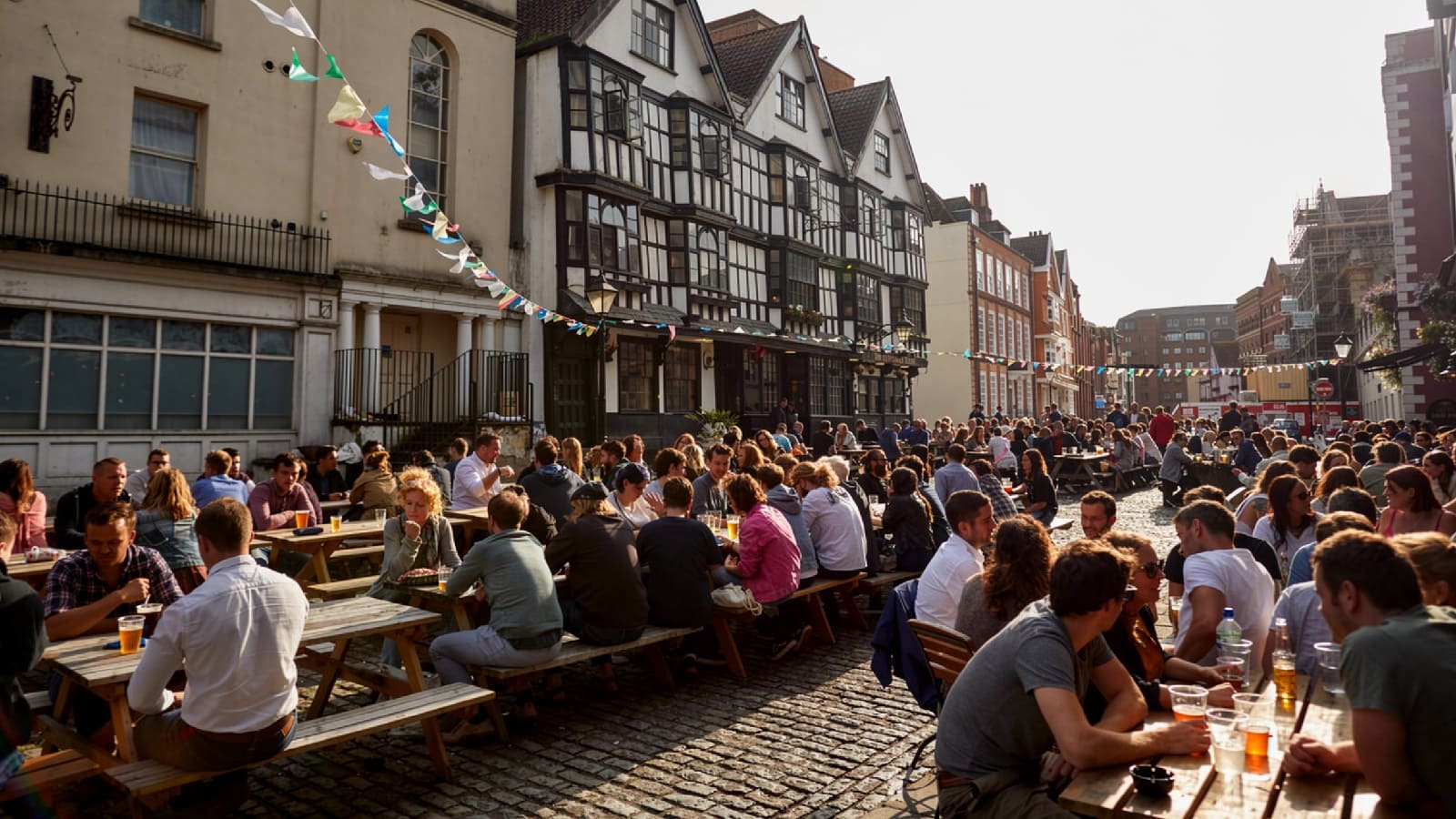
Bristol has developed one of the most diverse food scenes in the South West of England. The city combines traditional pubs and cafés with independent restaurants, modern dining rooms, food markets and casual places to eat. For visitors, this means there is rarely a need to travel far to find something suitable, whether you are looking for a quick meal between attractions or planning a longer evening over dinner.
Independent businesses are an important part of Bristol's character. Many cafés, restaurants and small food venues have their own style rather than following the same formula as large national chains. This is particularly noticeable in neighbourhoods with strong independent identities, where you can find everything from relaxed brunch cafés and bakeries to restaurants specialising in particular cuisines.
The city is also known for its varied international food. Visitors can find restaurants serving European, Mediterranean, Middle Eastern, Asian and many other styles of cuisine alongside British favourites. This variety is useful for groups with different tastes, as it is often possible to find several types of food within the same part of the city.
Food markets add another dimension to Bristol's dining scene. They can be a good choice when you want to try something informal without committing to a full restaurant meal. Markets and casual food venues are particularly useful for lunch, while cafés provide convenient places for breakfast, coffee and a break during a day of sightseeing.
Bristol also caters well to visitors looking for vegetarian and vegan choices. Many restaurants now include plant-based dishes alongside their main menus, while some specialise more heavily in vegetarian or vegan food. Visitors with allergies or other dietary requirements should still check the current menu and speak to staff before ordering, as menus and ingredients can change.
Prices vary considerably depending on the area, type of restaurant and time of day. A café, market stall or casual restaurant can provide a relatively inexpensive meal, while central restaurants and more specialised dining experiences can cost considerably more. Looking at menus before choosing a venue is a simple way to find something that matches your budget.
One of the best things about eating in Bristol is that food can easily become part of the sightseeing experience. A meal beside the Floating Harbour, coffee in Clifton or lunch close to the Old City can complement a day spent exploring the city's attractions. Rather than treating restaurants simply as places to eat, visitors can use the different neighbourhoods and dining areas as another way to experience Bristol.
Best Areas for Restaurants & Cafés
Bristol has restaurants and cafés throughout the city, but some areas are particularly convenient for visitors. Choosing where to eat often depends on where you are spending the day, how much time you have and what kind of atmosphere you prefer. The city centre and surrounding neighbourhoods offer several distinct dining areas, each with its own character.
The Old City is a good choice for visitors who want to combine sightseeing with food and drink. The historic streets around Corn Street, St Nicholas Market and nearby areas contain a mixture of pubs, cafés, restaurants and casual food venues. It is particularly convenient for lunch during a day exploring central Bristol, with many attractions within walking distance.
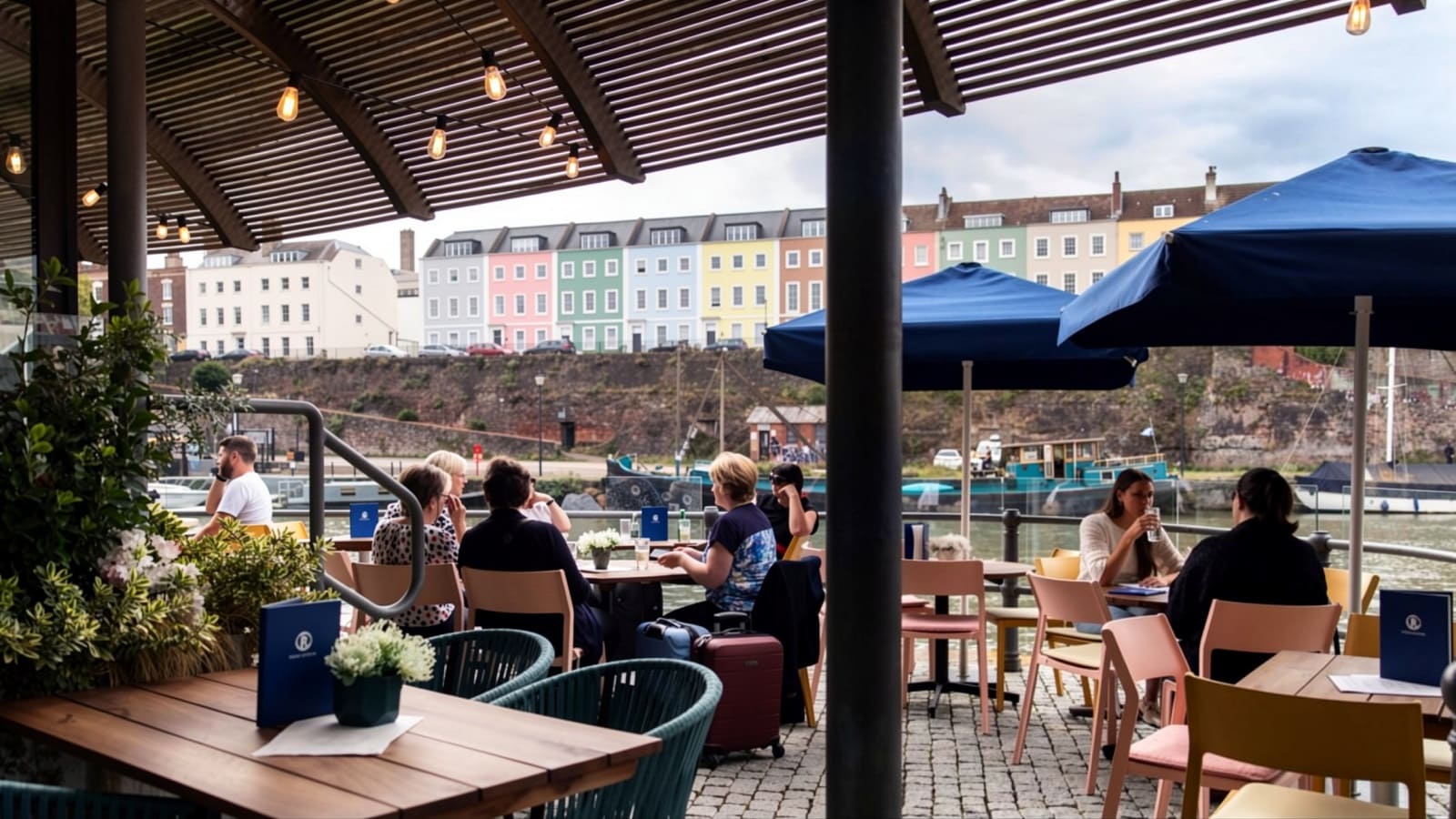
Harbourside is another popular area, especially for visitors who enjoy eating beside the water. The waterfront is home to restaurants, cafés and bars, and its location makes it easy to combine a meal with attractions such as M Shed, We The Curious and the surrounding harbour walks. During good weather, the area can be especially pleasant for a relaxed lunch or early evening meal.
Clifton offers a different atmosphere, with elegant streets, independent businesses and a wide selection of cafés and restaurants. The area around Clifton Village is particularly attractive for a slower meal or coffee break after visiting Clifton Suspension Bridge. Restaurants here range from informal cafés to more refined dining, making the neighbourhood suitable for different occasions.
The city centre around Broadmead and Cabot Circus is useful when convenience and variety are the main priorities. Visitors will find a mixture of established restaurants, cafés and casual dining options close to shops and other central attractions. This can be a practical choice when travelling with a group, as there are many different options within a relatively small area.
Stokes Croft and nearby parts of the city are known for a more independent and alternative atmosphere. The area has a strong connection with Bristol's street art and creative culture, and visitors can find independent cafés, casual restaurants and food venues alongside bars and other local businesses. It can be an interesting choice for travellers who want to experience a less traditional side of the city.
You do not necessarily need to choose a restaurant close to your hotel or the main attraction you have just visited. Bristol's compact central areas make it possible to explore several neighbourhoods on foot, while buses and other local transport can take you further afield. If food is an important part of your trip, consider choosing a different area for each day rather than returning to the same part of the city.
Traditional British Food in Bristol
Visitors to Bristol have plenty of opportunities to try traditional British food, from familiar pub classics to dishes made with local and seasonal ingredients. You will find traditional food in pubs, cafés, restaurants and casual dining venues throughout the city, although the style and presentation can vary considerably from one place to another.
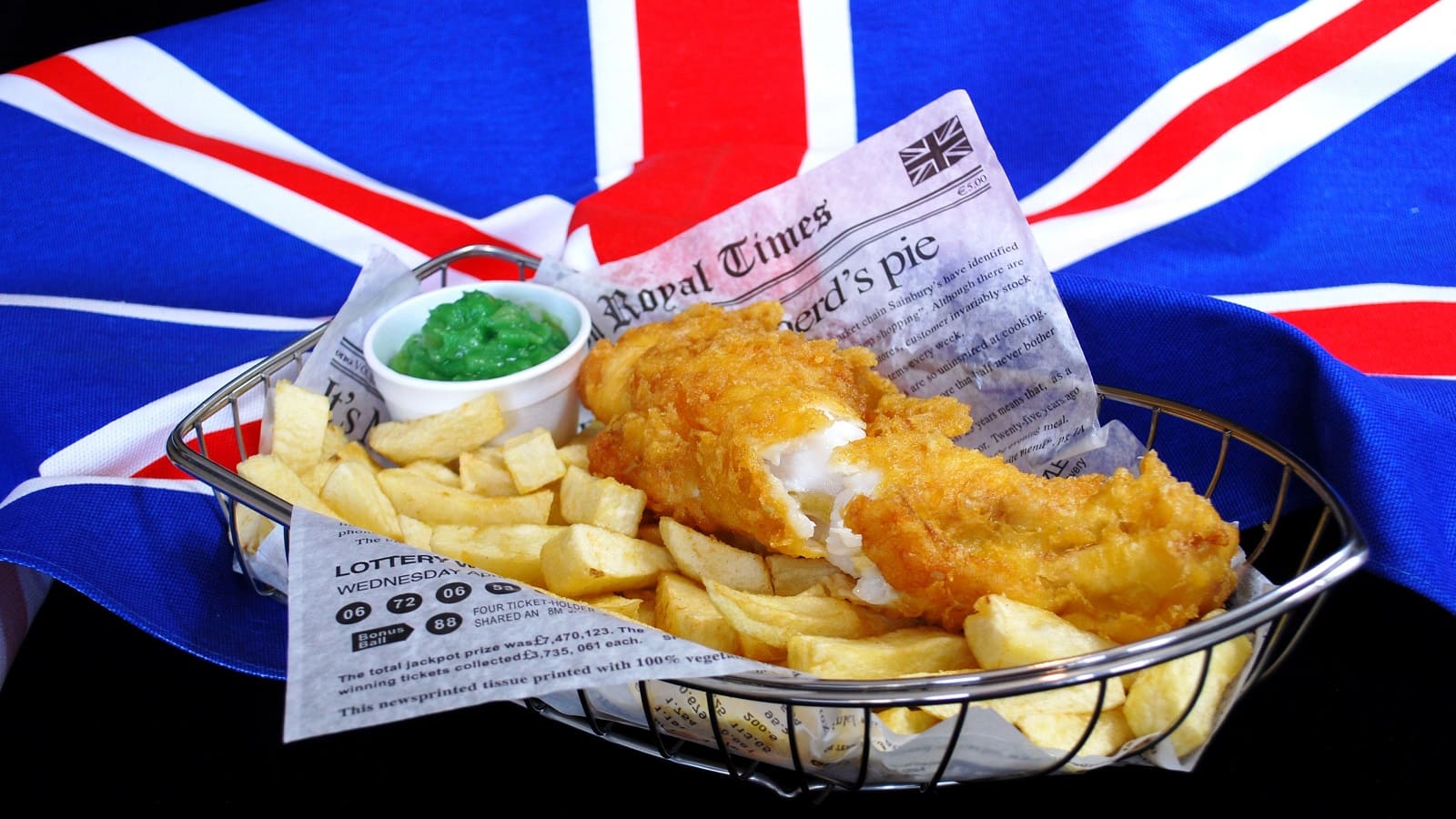
Fish and chips is one of the best-known British dishes and can be an easy choice for visitors looking for a traditional meal. It is available in both casual takeaway shops and sit-down restaurants. Another popular option is a traditional pie, which may be filled with meat, vegetables or other ingredients and is often served with potatoes, vegetables or gravy.
Sunday roast is another important part of British food culture. Traditionally served on Sundays, it usually includes roasted meat or a vegetarian alternative together with potatoes, vegetables, Yorkshire pudding and gravy. Many Bristol pubs and restaurants offer their own version, but Sunday lunch can be particularly popular, so booking ahead is sensible if you have a specific venue in mind.
British breakfast is also worth trying, particularly if you want a substantial start to a day of sightseeing. A full English breakfast traditionally includes items such as eggs, bacon, sausages, baked beans, tomatoes, mushrooms and toast. Many cafés now offer lighter versions as well as vegetarian and vegan alternatives.
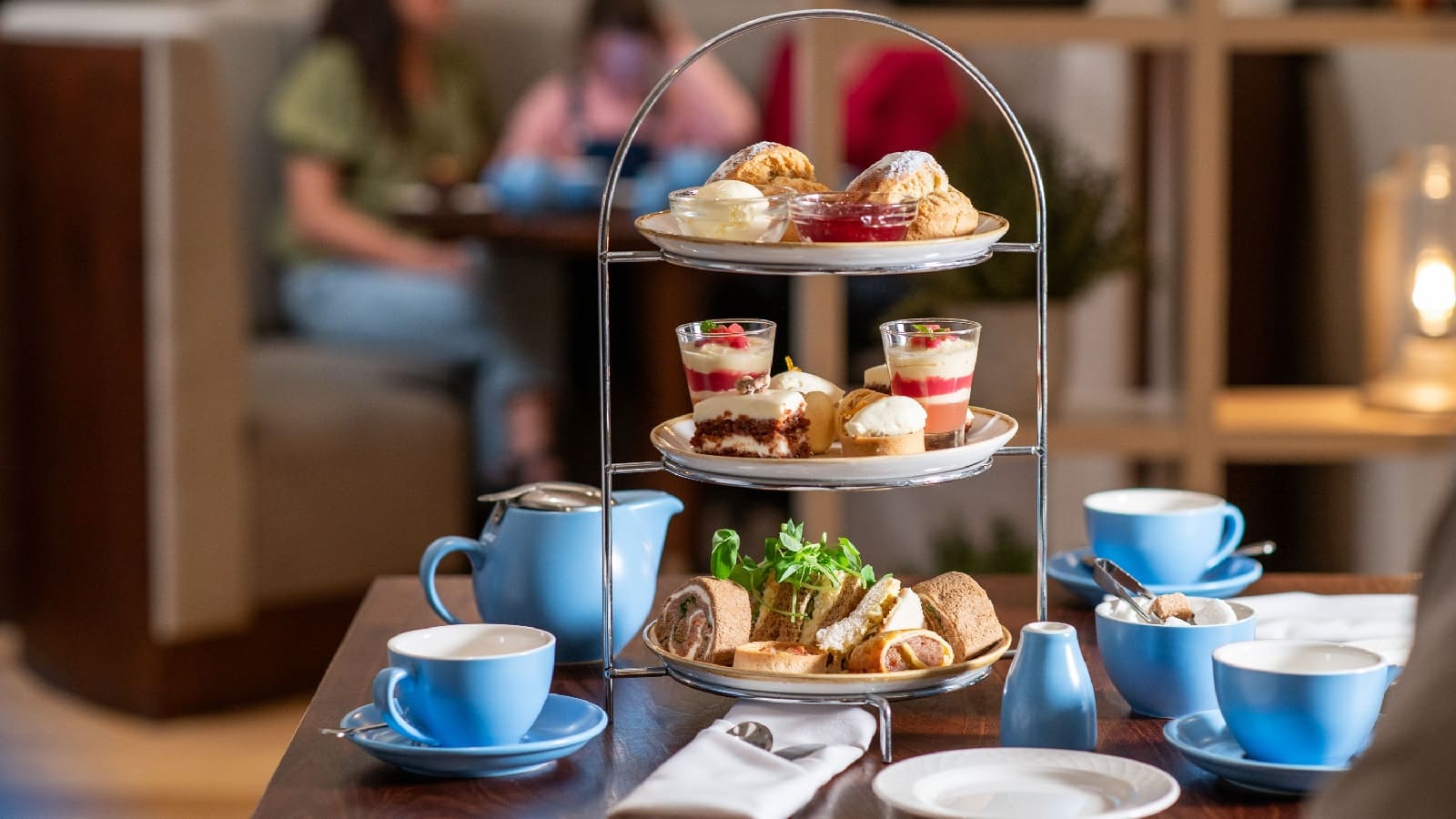
For something lighter, visitors can try a traditional afternoon tea. This usually combines tea with sandwiches, cakes and small pastries, and some venues also include scones served with jam and cream. Afternoon tea is generally more of a leisurely experience than a quick snack, making it a good option for a relaxed afternoon.
British pubs can be another good place to experience traditional food in a more informal setting. Many serve classic dishes alongside drinks and lighter meals, and the atmosphere can be very different from a formal restaurant. Historic pubs can also provide an interesting setting for visitors who want to combine a meal with a little local character.
Menus change regularly, so it is worth checking what is currently available before visiting. Seasonal dishes may appear at different times of the year, while dietary requirements are increasingly catered for across Bristol. If you are looking for a particular traditional dish, checking the current menu online can save time and help you choose a suitable place before setting out.
Cafés, Coffee & Afternoon Tea
Bristol has a strong café culture, making it easy to find somewhere for breakfast, a morning coffee, a light lunch or an afternoon break. Independent cafés can be found throughout the city, from busy central streets to quieter neighbourhoods, and many provide a more relaxed alternative to a full restaurant meal.
Coffee is an important part of the city's café scene, with many independent venues offering freshly prepared espresso drinks, filter coffee and other specialities. For visitors, cafés can also be useful places to take a break while exploring the city. A coffee and a small snack can provide a convenient pause between attractions without taking too much time from your sightseeing itinerary.
Breakfast and brunch are particularly popular options. Depending on the café, you may find everything from pastries, toast and porridge to cooked breakfasts, eggs, sandwiches and more modern brunch dishes. Many cafés also provide vegetarian and vegan choices, although the exact selection varies between venues.
Afternoon tea offers a different kind of experience and is worth considering if you have more time available. A traditional afternoon tea normally includes tea, sandwiches, cakes and pastries, often with scones served alongside jam and cream. Some venues offer more elaborate versions, while others provide a simpler interpretation of the tradition.
Clifton and the city centre are convenient areas for finding cafés, particularly if you want to combine a coffee break with sightseeing or shopping. The Harbourside also has several places where visitors can stop for refreshments while exploring the waterfront. Independent neighbourhood cafés can be worth seeking out as well, especially if you are staying in Bristol for several days.
Café opening times can vary considerably, particularly at weekends and on public holidays. Some places concentrate on breakfast and daytime service and close in the afternoon, while others remain open later. If you have a particular café in mind, checking its current opening hours before visiting is recommended.
For a short visit, cafés are one of the easiest ways to experience Bristol's local food culture without planning an entire meal around it. Whether you stop for a quick coffee, a traditional afternoon tea or a relaxed brunch, leaving some time in your itinerary for the city's cafés can be a pleasant addition to a day of sightseeing.

International Food & Vegetarian Options
Bristol's restaurants reflect the city's diverse population, with food from many different parts of the world available across the city. Visitors can choose from European, Mediterranean, Middle Eastern, Asian and other international cuisines, alongside modern restaurants that combine different culinary influences.
This variety makes Bristol a particularly convenient destination for groups of travellers with different tastes. Instead of everyone having to choose the same type of food, it is often possible to find several restaurants and cafés serving different cuisines within the same neighbourhood. Central Bristol, Clifton and areas known for their independent businesses are especially useful places to explore.
Vegetarian and vegan food is also widely available. Many restaurants include plant-based dishes alongside meat and fish options, while some cafés and restaurants focus more heavily on vegetarian or vegan cooking. Menus can range from simple salads, soups and sandwiches to more substantial plant-based dishes inspired by international cuisines.
Visitors with specific dietary requirements should still check the menu carefully and speak to restaurant staff when necessary. Vegetarian, vegan, gluten-free and other dietary labels can mean different things from one establishment to another, and ingredients or preparation methods may change over time. If you have a serious allergy, make your requirements clear before ordering rather than relying solely on a menu description.
International food can also be a good way to find something different from the traditional British dishes available elsewhere in the city. Bristol's independent food scene includes smaller restaurants and cafés where the menu may be closely connected to a particular culinary tradition, as well as modern venues offering a broader mixture of influences.
Markets and casual food venues are another useful option for visitors who want to try different foods without committing to a formal restaurant. They can be particularly convenient for families and groups, as everyone can choose something different while eating in the same place.
As with any restaurant, menus, opening hours and dietary options can change. If you are travelling with a specific dietary requirement, checking the current menu or contacting the restaurant before your visit is the safest way to make sure there will be suitable choices available.
Eating Around the Harbourside & Old City
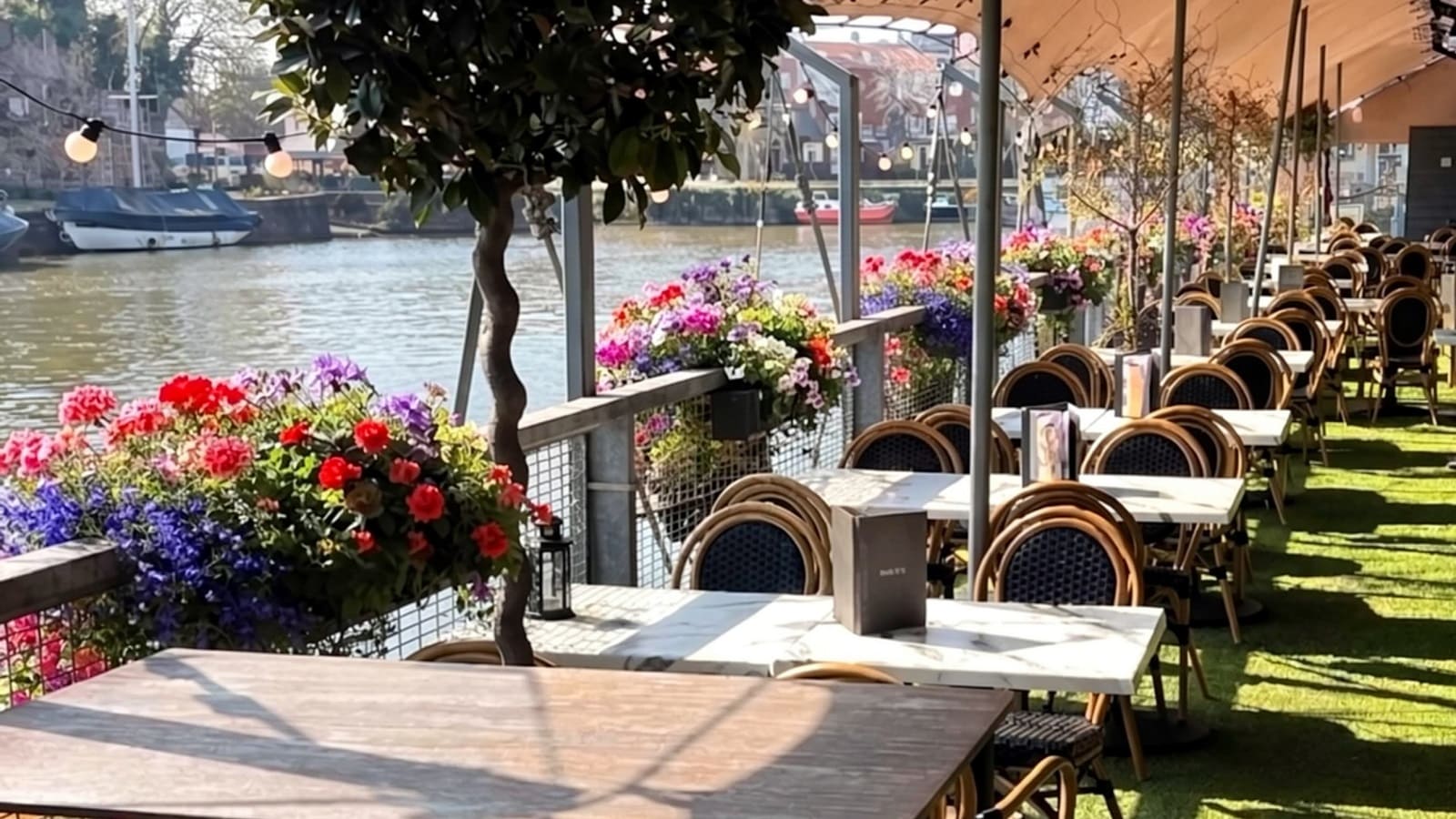
Bristol's Harbourside is one of the most enjoyable areas of the city for combining sightseeing with food and drink. The waterfront is surrounded by museums, galleries, historic buildings, cafés, restaurants and pedestrian paths, making it easy to stop for a meal or coffee while exploring the area. With the water and historic harbour buildings providing the backdrop, dining here can also be part of the sightseeing experience itself.
The Harbourside offers a mixture of casual cafés, restaurants and places suitable for a longer meal. It is particularly convenient around lunchtime, when visitors can take a break between attractions, but the area also becomes an appealing place for an evening meal. Outdoor seating can be especially pleasant when the weather is good, although availability depends on the venue and season.
The location is useful for visitors because several major attractions are within easy walking distance. M Shed, We The Curious, the Arnolfini and other cultural venues are close to the waterfront, so you can plan a meal around a visit to one or more of these attractions. The area is also connected to the wider city centre by pedestrian routes, making it straightforward to continue exploring after eating.
The Old City provides a different atmosphere. Its historic streets and buildings are home to pubs, restaurants, cafés and casual food venues, with St Nicholas Market providing another option for visitors looking for informal food. The area is close to many central attractions and shopping streets, so it can be a convenient place to stop during a busy day of sightseeing.
Corn Street and the surrounding streets are particularly interesting for visitors who enjoy historic architecture alongside their meal. The area has a lively atmosphere and is easy to reach on foot from other parts of central Bristol. It is also close enough to the Harbourside that the two areas can comfortably be combined in the same day.
If you want to eat in one of the busiest parts of central Bristol, it is worth considering the time of day. Popular restaurants can become busy during lunch and evening periods, especially at weekends. Booking ahead can be useful for larger groups or anyone who has a particular restaurant in mind.
For visitors with limited time in Bristol, the Harbourside and Old City are two of the most practical areas to consider. Both offer plenty of opportunities to eat without making a long journey away from the main sightseeing areas, while the different surroundings give you a choice between waterfront dining and the historic character of the Old City.
Dining on a Budget
Eating out in Bristol does not have to be expensive. Visitors can find plenty of cafés, food markets, takeaway restaurants, pubs and casual dining venues where it is possible to enjoy a satisfying meal without the cost of a formal restaurant. Choosing the right type of venue and the right time of day can make a noticeable difference to the overall cost of a trip.
Cafés are often a practical option for breakfast and lunch. A sandwich, soup, baked item or simple hot meal can be considerably less expensive than a full restaurant lunch, while many cafés also offer takeaway options. If you are planning a busy day of sightseeing, picking up lunch from a café or market can also save time.
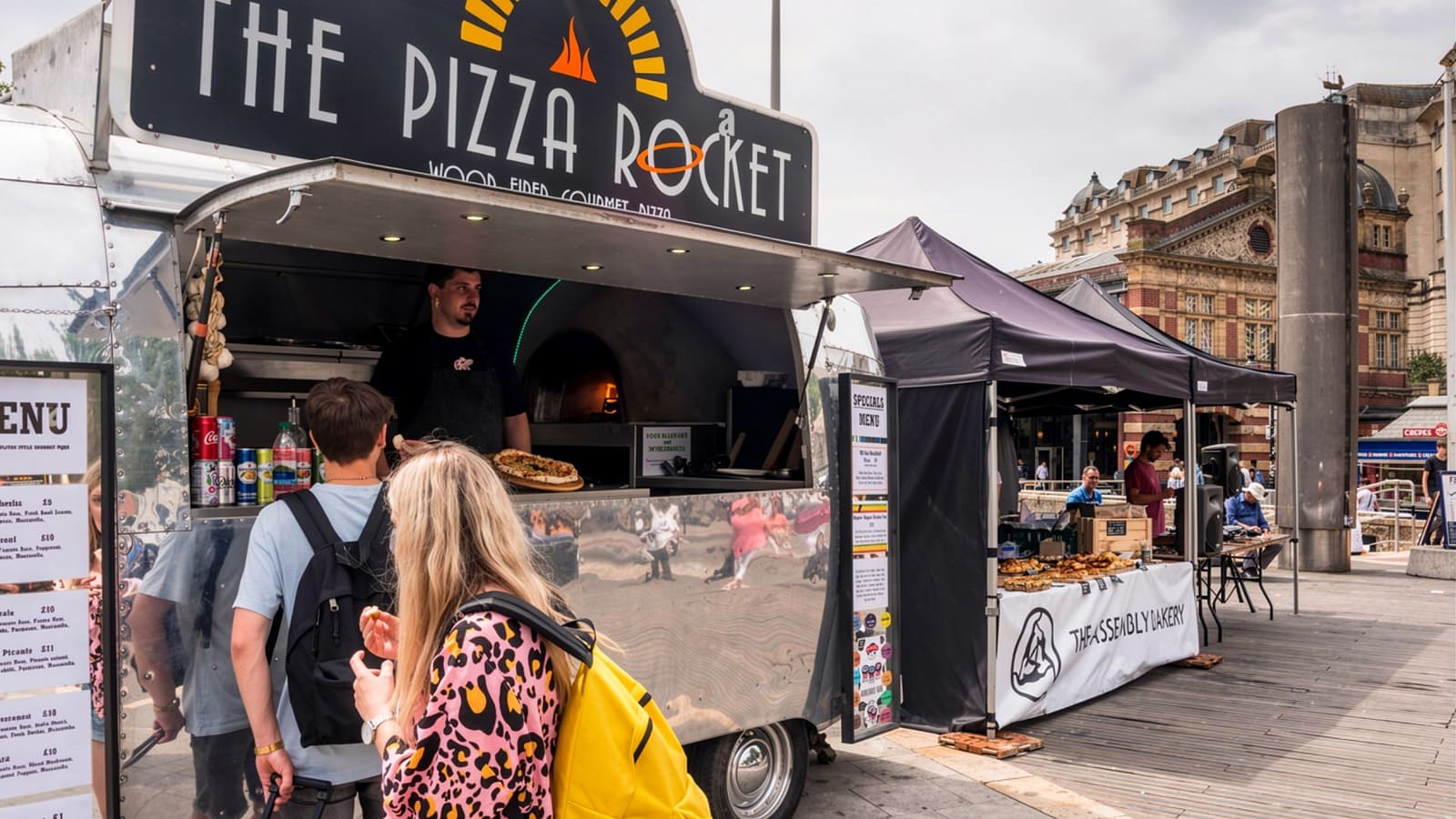
Bristol's food markets are another useful option for budget-conscious visitors. They offer a variety of casual dishes and allow travellers to choose smaller portions or different foods without committing to a traditional restaurant meal. Markets can be particularly useful for families and groups, as everyone can choose something different.
Traditional pubs can also provide relatively affordable meals, particularly at lunchtime. Many serve familiar dishes such as pies, sandwiches, burgers and other pub classics alongside drinks. Prices vary between venues, so it is worth checking the menu before sitting down, especially in busy central areas.
Visitors staying in self-catering accommodation may also find that combining restaurant meals with food bought from supermarkets or local shops helps keep costs under control. Bristol has supermarkets and smaller food shops throughout the central area, making it possible to prepare breakfast or some meals yourself and save restaurant visits for occasions when you want to eat out.
The location of a restaurant can have a noticeable effect on prices. Central and waterfront venues may charge more for their location, while independent cafés and restaurants away from the busiest tourist areas can sometimes offer better value. Exploring a little beyond the main attractions can therefore be worthwhile if keeping your food budget low is important.
It is also sensible to check whether prices shown on a menu include everything you are likely to pay. Some restaurants may add a service charge to the bill, while optional extras can increase the final cost. Checking the menu and asking staff if anything is unclear will help avoid surprises when the bill arrives.
Booking a Table & Restaurant Tips
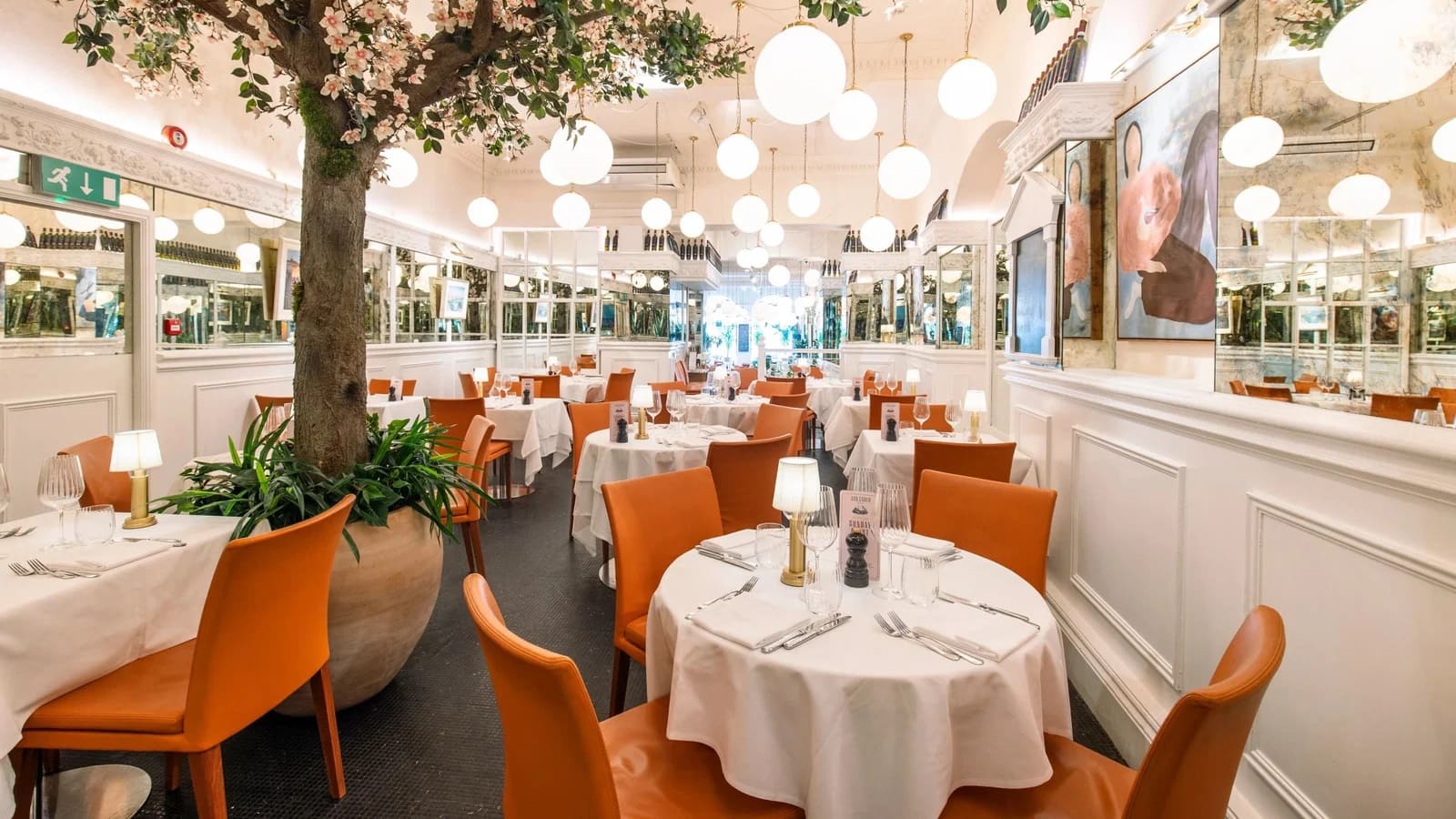
Booking a table is not always necessary in Bristol, particularly if you are visiting a café, food market or casual restaurant during a quieter part of the day. However, making a reservation is a good idea when you have a particular restaurant in mind, especially for dinner, weekends and popular periods such as school holidays.
Many restaurants allow reservations through their own websites or online booking services. Checking the restaurant's current website or social media page before visiting is useful because opening hours, booking arrangements and menus can change. Some smaller cafés and casual venues may not take reservations at all and instead operate on a walk-in basis.
Timing can make a difference to your experience. Lunch around the middle of the day and dinner during the early evening can be busy in popular areas, while eating slightly earlier or later may give you more choice. If you are travelling with a larger group, booking ahead is particularly worthwhile because finding a table for several people at short notice can be difficult.
Before choosing a restaurant, check the menu and prices if they are available online. This is especially useful if you have dietary requirements, are travelling with children or are working with a particular budget. Menus can also help you decide whether a restaurant is suitable for a quick meal or better suited to a longer evening.
Visitors should also be aware that some restaurants add a service charge to the bill. This is usually shown on the menu or stated on the bill, but it is worth checking if you are unsure. Prices for drinks, side dishes and other extras can also add to the final cost, so looking at the full menu before ordering is a simple way to avoid surprises.
If you have a food allergy or a specific dietary requirement, tell the staff before ordering and ask about ingredients or preparation methods where necessary. Restaurants will often be able to suggest suitable dishes, but visitors with serious allergies should always make their requirements clear rather than assuming that a dish is safe based only on its name.
Finally, remember that Bristol's dining scene changes regularly. Restaurants open and close, menus are updated and opening times can vary seasonally. For the most reliable information, check the current details directly with the restaurant before making a special journey. With a little planning, it is easy to find somewhere that suits your budget, schedule and preferred style of food.
