Free Things to Do in Bristol
Bristol is one of those rare cities where many of the best experiences cost absolutely nothing. While the city offers excellent museums, guided tours and family attractions, visitors can also enjoy impressive architecture, vibrant street art, beautiful parks, historic churches and spectacular waterfront walks without spending a single pound. Whether you are travelling on a budget or simply looking for authentic experiences beyond the usual tourist attractions, Bristol provides countless opportunities to discover its unique character for free.
From climbing scenic viewpoints and exploring colourful neighbourhoods to visiting world-class museums with free admission, Bristol rewards curious travellers willing to explore beyond the obvious highlights. Many of the city's most memorable places are public spaces that can be enjoyed throughout the year, making Bristol an excellent destination for solo travellers, couples and families alike.
This guide highlights some of the very best free experiences available across the city. You'll discover where to admire famous street art, relax in beautiful parks, enjoy panoramic views, visit fascinating museums and experience Bristol's historic waterfront without stretching your travel budget. Each section provides practical information together with ideas for making the most of your visit.
Explore Bristol's Street Art
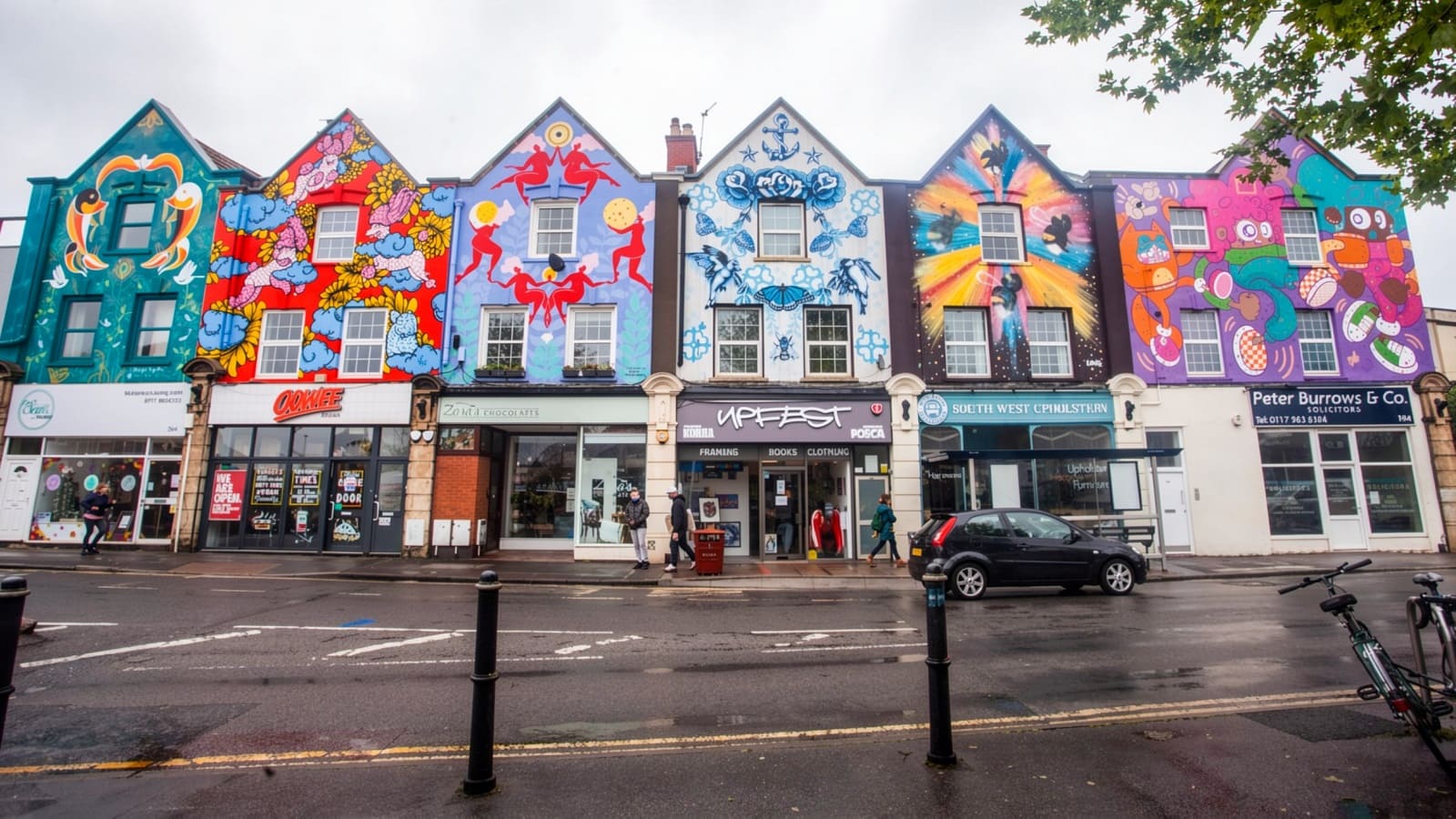
Bristol is internationally recognised as one of Europe's leading destinations for street art. Colourful murals cover walls throughout the city, transforming ordinary streets into open-air galleries that can be explored completely free of charge. Whether you are already familiar with Bristol's famous artistic reputation or simply enjoy discovering creative neighbourhoods while travelling, exploring the city's street art is one of the most rewarding experiences available without buying a ticket.
The city is closely associated with Banksy, whose anonymous works helped bring Bristol's urban art scene to worldwide attention. Although some of his original pieces have disappeared over time, several famous works can still be viewed today, attracting visitors from across the globe. Walking through Bristol in search of these murals becomes a sightseeing adventure in itself, leading travellers into neighbourhoods they might otherwise never visit.
Street art in Bristol extends far beyond Banksy. Hundreds of local and international artists have contributed to the city's constantly evolving collection of murals, large-scale paintings and creative installations. Areas such as Stokes Croft, Nelson Street and Bedminster are particularly well known for their impressive displays, with entire buildings transformed into colourful works of art. Every visit offers something different, as new murals regularly appear while older ones gradually change or disappear.
One of the most enjoyable ways to experience Bristol's street art is simply to wander without a fixed route. Hidden alleyways, side streets and unexpected corners often reveal remarkable paintings that never appear in traditional guidebooks. The artwork reflects many different themes, from local history and environmental issues to humour, abstract design and contemporary culture, giving visitors a deeper understanding of Bristol's creative identity.
Photography enthusiasts will find countless opportunities throughout the city. Bright colours, dramatic building facades and constantly changing urban landscapes make Bristol one of the UK's most photogenic destinations for street photography. Morning and late afternoon light often provide the best conditions for capturing the murals without large crowds.
Street art also supports many of Bristol's independent cafés, galleries and small businesses. While exploring different neighbourhoods, visitors naturally discover local shops, markets and restaurants that contribute to the city's distinctive atmosphere. This combination of art, architecture and community life makes each walk feel unique and authentic.
Best of all, exploring Bristol's street art costs nothing. Whether you spend an hour discovering famous murals or dedicate an entire day to exploring different districts, it remains one of the city's richest cultural experiences. It perfectly reflects Bristol's reputation for creativity, independence and artistic expression while offering visitors an unforgettable way to experience the city beyond its traditional tourist attractions.
Read the complete guide to Bristol's street art →Visit Bristol Museum & Art Gallery
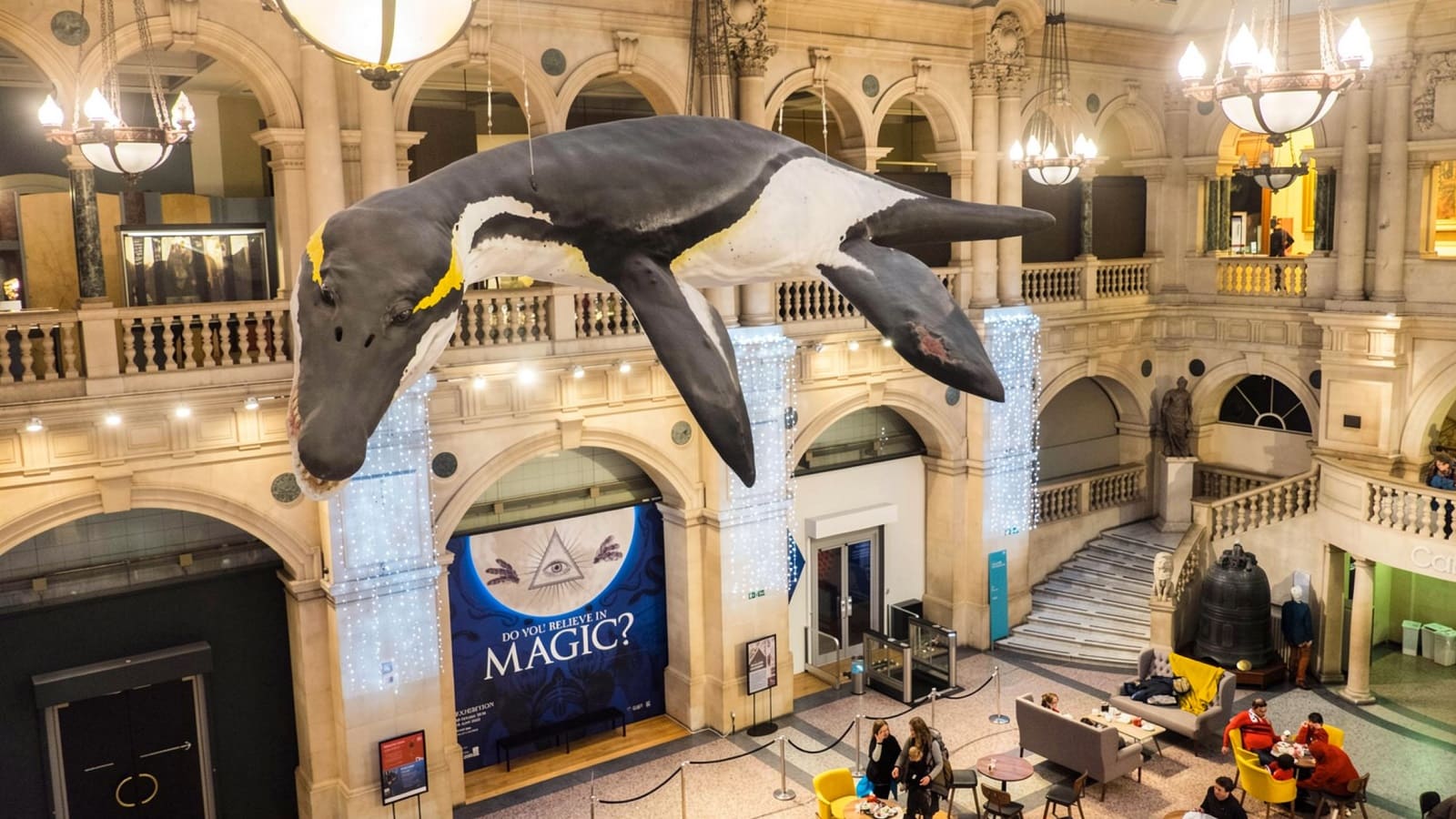
One of Bristol's greatest cultural attractions is also one of its best free experiences. Bristol Museum & Art Gallery welcomes visitors throughout the year without an admission charge, making it an ideal destination for anyone interested in history, archaeology, art or natural science. Located close to the University of Bristol at the top of Park Street, the museum is housed in an impressive Edwardian building that has been welcoming visitors for more than a century.
Inside, the museum offers an extraordinary variety of collections. Visitors can explore galleries dedicated to ancient Egypt, discover beautifully preserved fossils and dinosaur skeletons, admire minerals and gemstones from around the world, and learn about the wildlife of Britain and beyond. Every floor presents something different, making the museum appealing to both adults and children regardless of their interests.
The fine art galleries display works by British and European artists spanning several centuries. Paintings, sculptures, ceramics and decorative arts are presented alongside temporary exhibitions that regularly introduce new themes and collections. Even travellers who do not normally visit museums often find themselves spending several enjoyable hours exploring the building's varied displays.
Bristol's own history is also well represented. Exhibits explain the city's development from a medieval trading port into one of Britain's most important maritime centres, while displays highlighting local industries, engineering achievements and everyday life help visitors understand how Bristol evolved over the centuries. These galleries provide useful background before exploring many of the historic sites found elsewhere across the city.
Families particularly appreciate the museum's interactive exhibits and educational displays. Children can examine fossils, discover Egyptian mummies, learn about wildlife and participate in seasonal activities organised during school holidays. The welcoming atmosphere makes the museum an excellent option regardless of the weather, especially on rainy afternoons when outdoor sightseeing becomes less appealing.
Beyond its collections, the building itself deserves attention. Its grand entrance hall, elegant staircases and beautifully proportioned galleries create a calm and inspiring environment for visitors. Large windows fill many rooms with natural light, while architectural details reflect the confidence and ambition of early twentieth-century Bristol.
Since admission is free, visitors are free to spend as much or as little time as they wish. Some people stop in for thirty minutes while exploring nearby Clifton and Park Street, while others dedicate half a day to browsing every gallery at a relaxed pace. Either approach offers excellent value and a rewarding cultural experience.
Bristol Museum & Art Gallery demonstrates that world-class museums do not always require expensive tickets. Combining fascinating collections, impressive architecture and free admission, it remains one of the city's finest attractions and an essential stop for anyone wishing to understand Bristol's history, culture and artistic heritage.
Read the complete guide to Bristol Museum & Art Gallery →Walk Through Brandon Hill Park
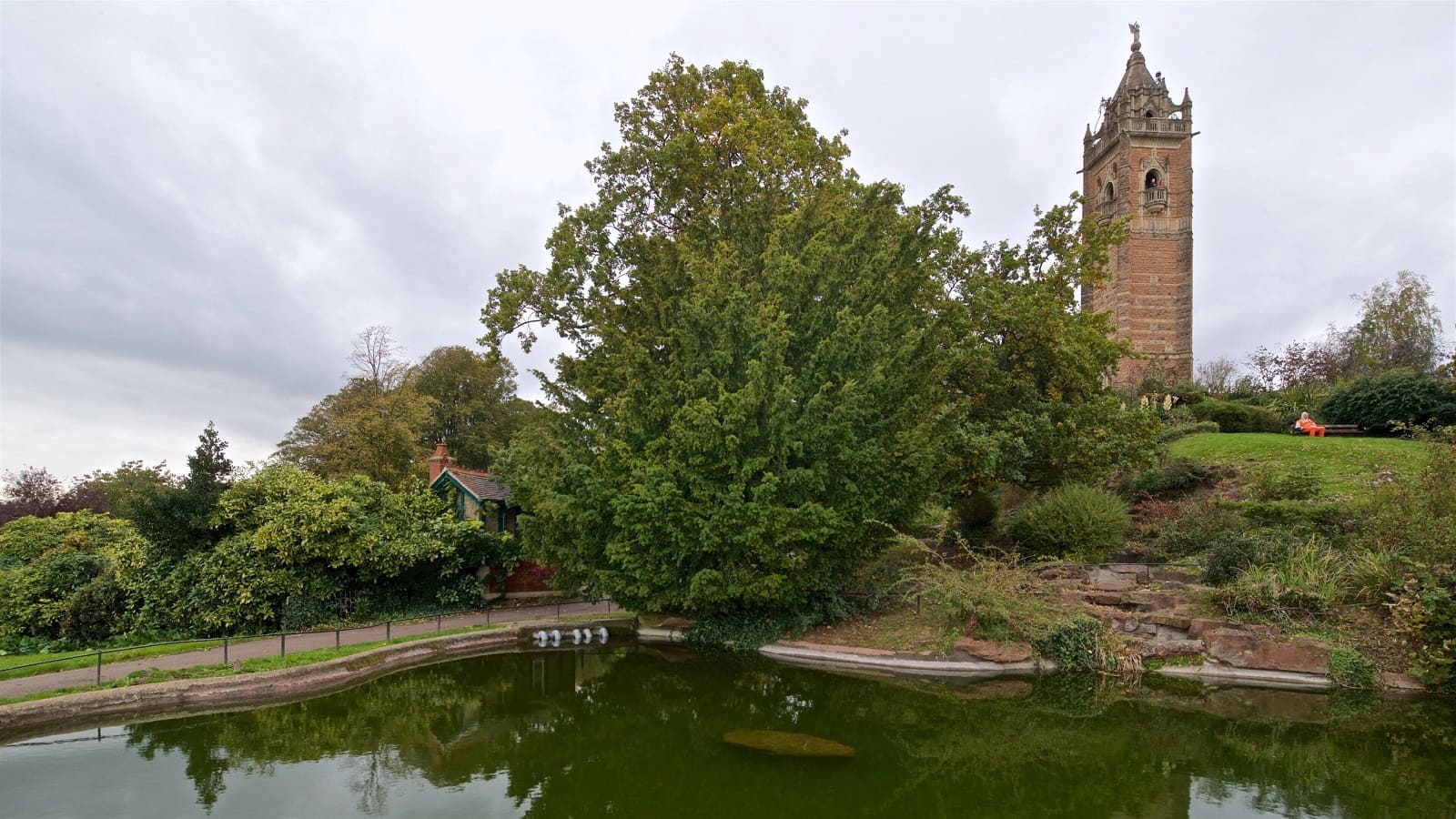
Brandon Hill Park is one of Bristol's oldest and most beloved green spaces, offering visitors a peaceful escape just a short walk from the busy city centre. Covering more than sixty acres, the park combines mature trees, colourful flower gardens, winding pathways and open lawns with some of the finest panoramic views in the city. Best of all, it is completely free to enter and can be enjoyed throughout the year.
Unlike many formal city parks, Brandon Hill feels surprisingly natural. Gentle slopes lead visitors through wooded areas where birds, squirrels and seasonal wildflowers create a relaxing atmosphere that often makes it easy to forget you are only minutes from Bristol's shopping streets. The park is popular with local residents as well as tourists, giving it a welcoming and authentic character.
Walking through Brandon Hill is rewarding in every season. Spring brings colourful blossoms and fresh greenery, summer fills the lawns with families enjoying picnics, autumn transforms the park with vibrant shades of gold and red, while winter offers peaceful walks beneath bare trees and clear views across the city skyline. Every visit provides a slightly different experience.
The park's network of paths makes it suitable for both leisurely strolls and more energetic walks. Benches are placed throughout the grounds, providing quiet places to relax, read a book or simply enjoy the surroundings. Many visitors bring a coffee from nearby Park Street before spending an hour exploring the gardens and shaded pathways at their own pace.
One of Brandon Hill's greatest attractions is the spectacular view across Bristol. Several open viewpoints allow visitors to admire rooftops, church spires, the Floating Harbour and surrounding hills without paying an entrance fee. On clear days, visibility extends far beyond the city itself, making the park a favourite destination for photographers throughout the year.
The famous Cabot Tower stands proudly at the highest point of the park and can be admired throughout your visit. While the tower itself is one of Bristol's best-known landmarks, Brandon Hill offers far more than a single monument. Its peaceful atmosphere, carefully maintained gardens and natural beauty make it an attraction in its own right rather than simply the location of a famous viewpoint.
Because of its central location, Brandon Hill can easily be combined with visits to Bristol Museum & Art Gallery, Park Street, Clifton or the Harbourside. Many visitors include the park as part of a full day's walking route, enjoying a relaxing break between museums, shopping and sightseeing. The gentle climb is rewarded with some of the city's finest scenery.
For anyone looking to enjoy Bristol without spending money, Brandon Hill Park offers an ideal combination of history, nature and outstanding views. Whether you stay for twenty minutes or an entire afternoon, it remains one of the city's most enjoyable free places to visit.
Read the complete guide to Brandon Hill Park →Explore Castle Park
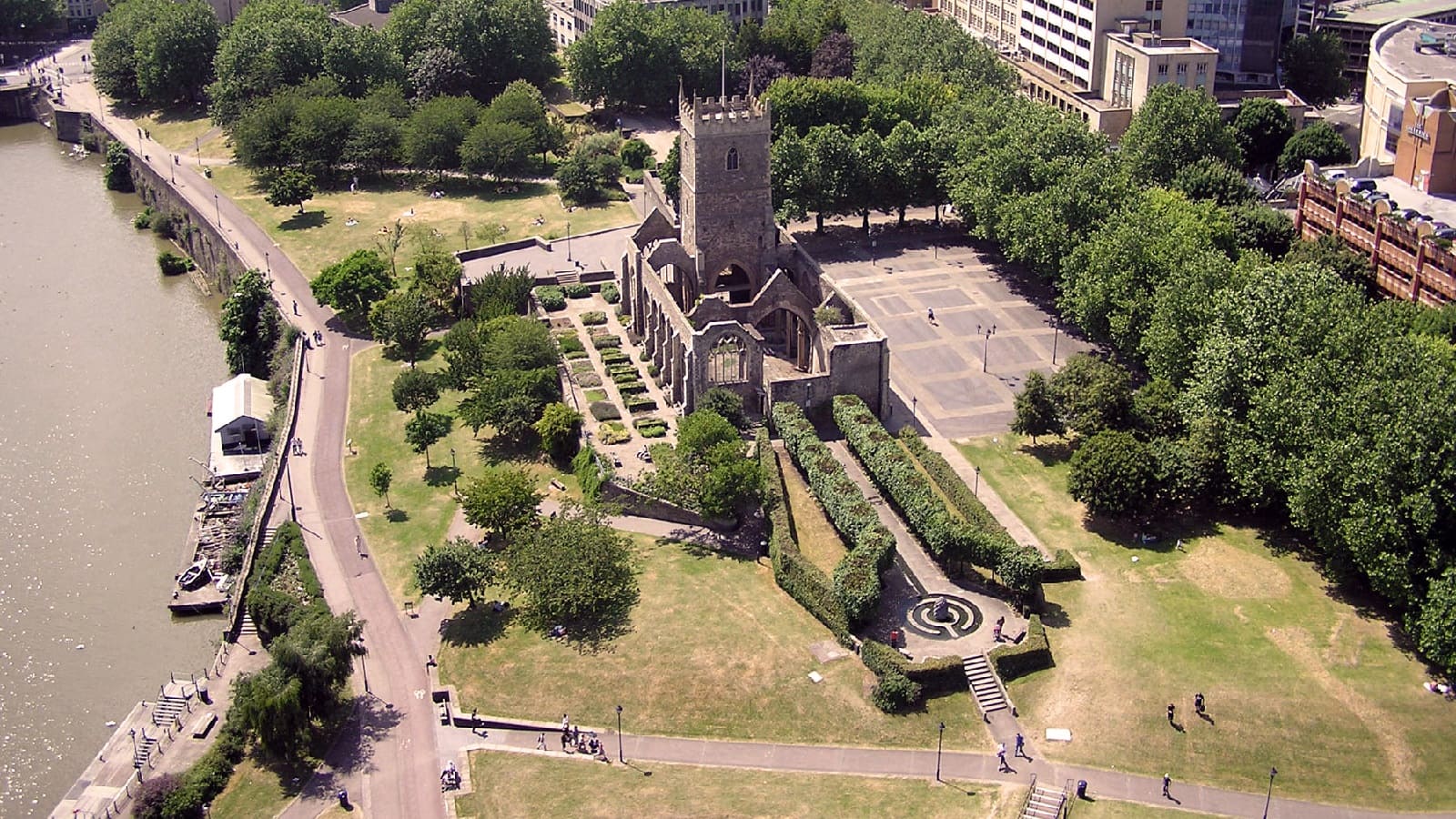
Located in the heart of Bristol, Castle Park combines peaceful green spaces with some of the city's most fascinating historic landmarks. Built on the site of Bristol Castle, which once dominated medieval Bristol, the park today offers visitors an attractive place to relax while discovering traces of the city's rich past. Free to enter throughout the year, Castle Park is one of the easiest attractions to include in any walking itinerary.
Although the original castle disappeared centuries ago, its history remains visible throughout the park. Informative displays explain how Bristol Castle once protected the city and played an important role during medieval England. Visitors can also see surviving archaeological remains and explore areas where sections of the ancient fortress once stood, providing an interesting connection between modern Bristol and its medieval origins.
Perhaps the park's most recognisable landmark is the ruined Church of St Peter. Damaged during the Bristol Blitz in the Second World War, the church has been preserved as a memorial rather than rebuilt. Its roofless stone walls create one of the city's most atmospheric historic sites, reminding visitors of Bristol's wartime experience while adding a distinctive character to the surrounding gardens.
Wide lawns, mature trees and riverside paths make Castle Park an inviting place to pause between sightseeing stops. Office workers, students and visitors often gather here to enjoy lunch, read a book or simply take a break from the busy shopping streets nearby. Even during the busiest tourist season, the park offers plenty of space to sit quietly and appreciate the peaceful surroundings.
The park also sits beside the River Frome, creating pleasant walking routes that connect several parts of central Bristol. From here it is easy to continue towards Broadmead, St Nicholas Market, the Harbourside or the Old City, making Castle Park a natural stopping point while exploring the city on foot. Its central location means many visitors pass through the park several times during their stay.
Throughout the year, Castle Park hosts community events, outdoor performances and seasonal activities that bring additional life to the area. During warmer months, colourful flower displays and open green spaces attract families and picnickers, while autumn transforms the park with beautiful shades of red, orange and gold. Every season offers a slightly different atmosphere for photographers and walkers alike.
History enthusiasts particularly enjoy the contrast between ancient ruins and the modern city skyline surrounding the park. Glass office buildings, shopping streets and busy roads stand only a short distance from centuries-old stone walls, perfectly illustrating how Bristol has developed while preserving important reminders of its past.
Castle Park proves that some of Bristol's most rewarding experiences cost nothing at all. Combining history, nature and a convenient central location, it remains one of the city's finest free places to relax, explore and gain a deeper appreciation of Bristol's remarkable heritage.
Read the complete guide to Castle Park →Discover Bristol Harbourside
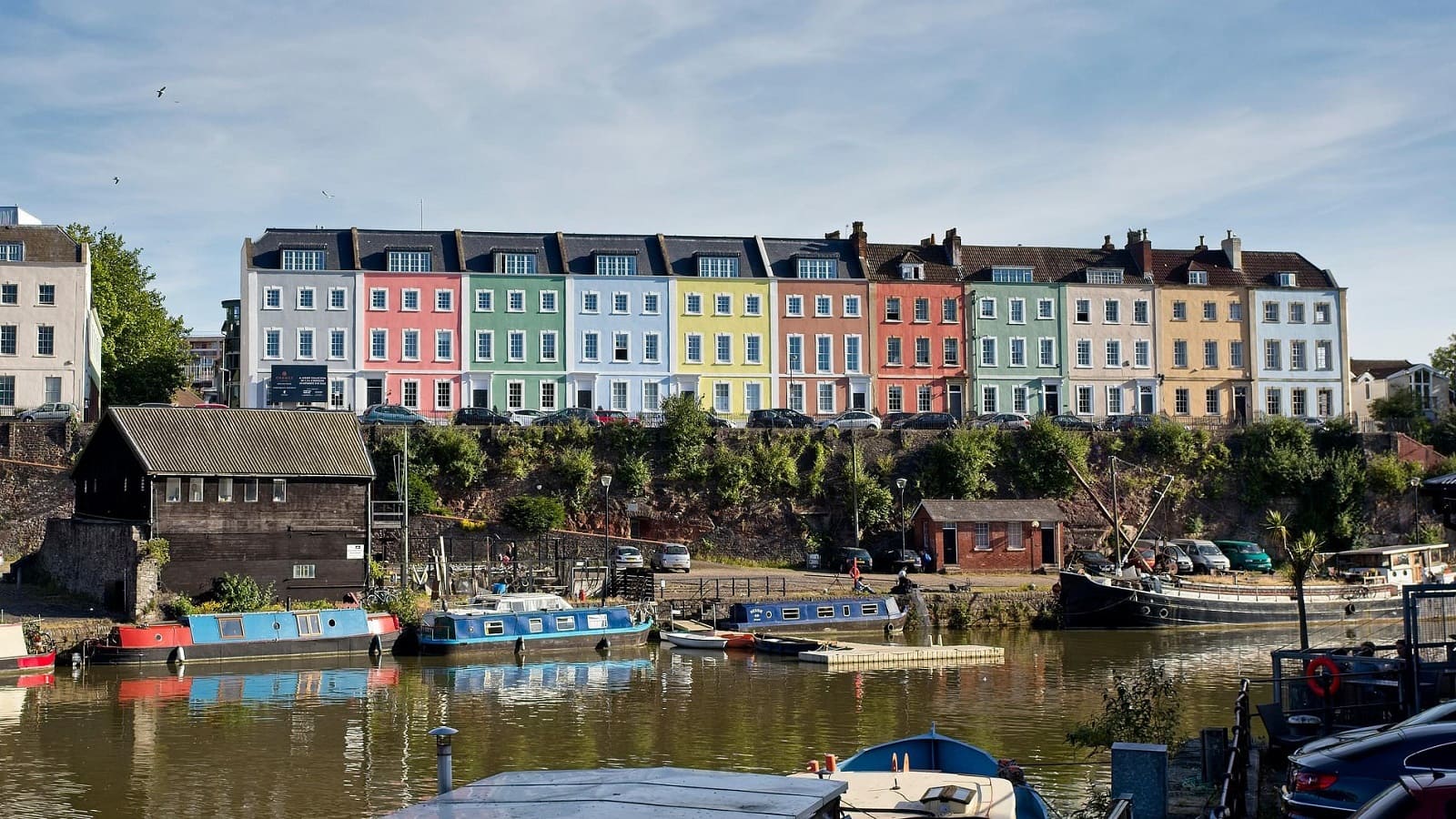
Bristol's historic Harbourside is one of the city's most enjoyable places to explore without spending any money. Once one of Britain's busiest commercial docks, the waterfront has been transformed into a vibrant district where history, modern architecture, cafés, museums and public spaces come together. A leisurely walk along the harbour offers visitors an ever-changing landscape of boats, bridges, historic warehouses and lively waterside promenades.
One of the greatest pleasures of visiting the Harbourside is that there is no fixed route to follow. Wide pedestrian paths encourage visitors to wander at their own pace, crossing elegant footbridges, watching boats move through the water and discovering hidden corners along the docks. Every section of the waterfront has its own character, from quiet residential marinas to bustling public squares filled with cafés and street performers.
As you continue along the harbour, many of Bristol's best-known landmarks come into view. The impressive SS Great Britain, the M Shed Museum, Millennium Square and colourful houseboats all contribute to the area's distinctive atmosphere. Even without entering any attractions, simply walking between them provides an excellent introduction to Bristol's maritime history and modern waterfront redevelopment.
The Harbourside is also one of the city's favourite places for photography. Reflections of historic buildings on the water, restored dockside cranes, sailing boats and modern architecture create beautiful compositions throughout the day. Early morning offers peaceful scenes before the crowds arrive, while evenings bring warm light and colourful reflections that transform the harbour into one of Bristol's most photogenic locations.
Throughout the year the waterfront hosts festivals, outdoor exhibitions, sporting events and cultural celebrations that visitors can often enjoy free of charge. During the summer months, musicians and street performers regularly entertain people walking along the promenade, adding even more life and energy to an already vibrant part of the city.
Numerous benches and open spaces make the Harbourside an ideal place to relax between sightseeing stops. Many visitors simply sit beside the water with a coffee, watching ferries, narrowboats and yachts pass by while enjoying the peaceful atmosphere. The combination of water, historic buildings and open public spaces creates a setting that feels very different from Bristol's busy shopping streets.
Because the Harbourside connects so many attractions, it naturally becomes part of almost every visit to Bristol. Whether you are walking from Temple Meads towards Clifton or exploring the Old City and Millennium Square, the waterfront provides a scenic route that links many of the city's highlights without requiring any admission tickets.
A stroll around Bristol Harbourside perfectly demonstrates why the city is such a rewarding destination for budget-conscious travellers. Rich in history, full of life and completely free to explore, it remains one of Bristol's finest places to experience the city's unique maritime character.
Read the complete guide to Bristol Harbourside →Enjoy Clifton Village
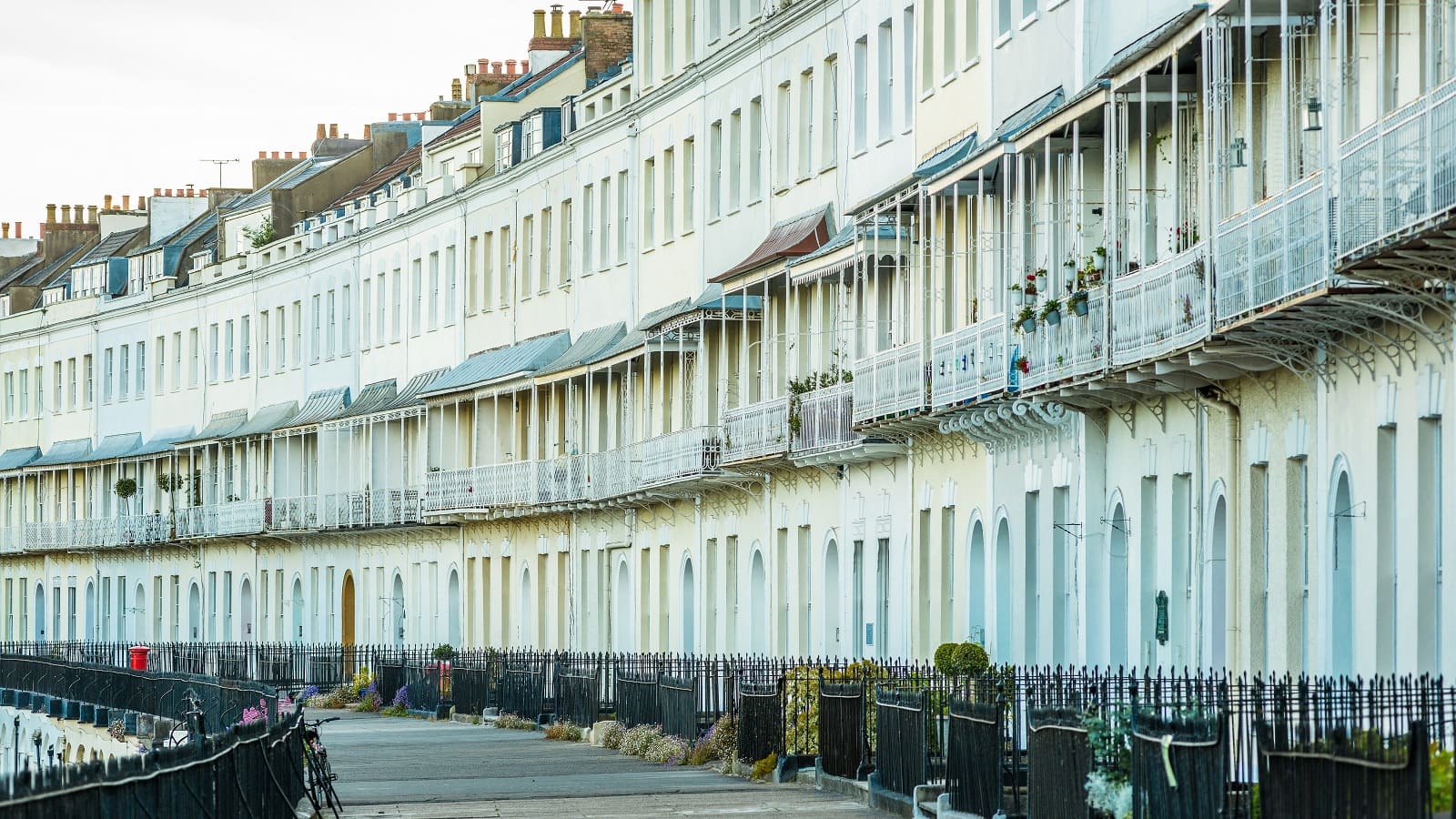
Clifton Village is one of Bristol's most elegant and picturesque neighbourhoods, offering visitors the opportunity to enjoy beautiful streets, independent shops and historic architecture without spending anything at all. Famous for its graceful Georgian terraces and relaxed atmosphere, Clifton provides a refreshing contrast to the busy city centre and remains one of the most pleasant areas to explore on foot.
Walking through Clifton feels very different from exploring the commercial districts of Bristol. Tree-lined streets, carefully preserved historic buildings and charming garden squares create a peaceful environment where visitors are encouraged to slow down and appreciate the city's architectural heritage. Every corner reveals attractive façades, decorative balconies and colourful front doors that make the neighbourhood especially popular with photographers.
Although Clifton is well known for its cafés, boutiques and independent businesses, there is no need to spend money to enjoy the area. Window shopping, admiring the architecture and simply wandering through quiet residential streets provide an authentic glimpse into one of Bristol's most desirable neighbourhoods. Many visitors consider these leisurely walks among the highlights of their stay.
The village also serves as the perfect starting point for exploring several nearby attractions. Clifton Suspension Bridge, the Observatory, Brandon Hill and the Avon Gorge are all within comfortable walking distance, making Clifton an ideal base for a full day of sightseeing. Attractive side streets frequently lead to unexpected viewpoints, small gardens and peaceful corners that many tourists overlook.
Throughout the year, Clifton maintains a lively but relaxed atmosphere. Outdoor seating fills with local residents during the warmer months, seasonal decorations brighten the streets in winter, and weekend markets occasionally add even more character to the neighbourhood. Despite its popularity, Clifton never loses its distinctly local feel.
Architecture enthusiasts will particularly appreciate the remarkable consistency of the Georgian streetscape. Elegant townhouses, traditional churches and carefully maintained public spaces reflect the prosperity that shaped Clifton during the eighteenth and nineteenth centuries. The area remains one of the finest examples of Georgian urban planning anywhere in South West England.
Visitors often find themselves spending far longer in Clifton than originally planned. A short stroll easily becomes an afternoon of discovering hidden lanes, quiet gardens and scenic viewpoints overlooking Bristol. The neighbourhood rewards curiosity, making every visit feel slightly different from the last.
Whether you come to admire its architecture, enjoy the peaceful atmosphere or simply experience one of Bristol's most beautiful districts, Clifton Village offers an unforgettable day out that costs nothing except your time. It perfectly demonstrates that some of the city's greatest pleasures are found simply by exploring its streets on foot.
Read the complete guide to Clifton Village →Visit St Mary Redcliffe Church
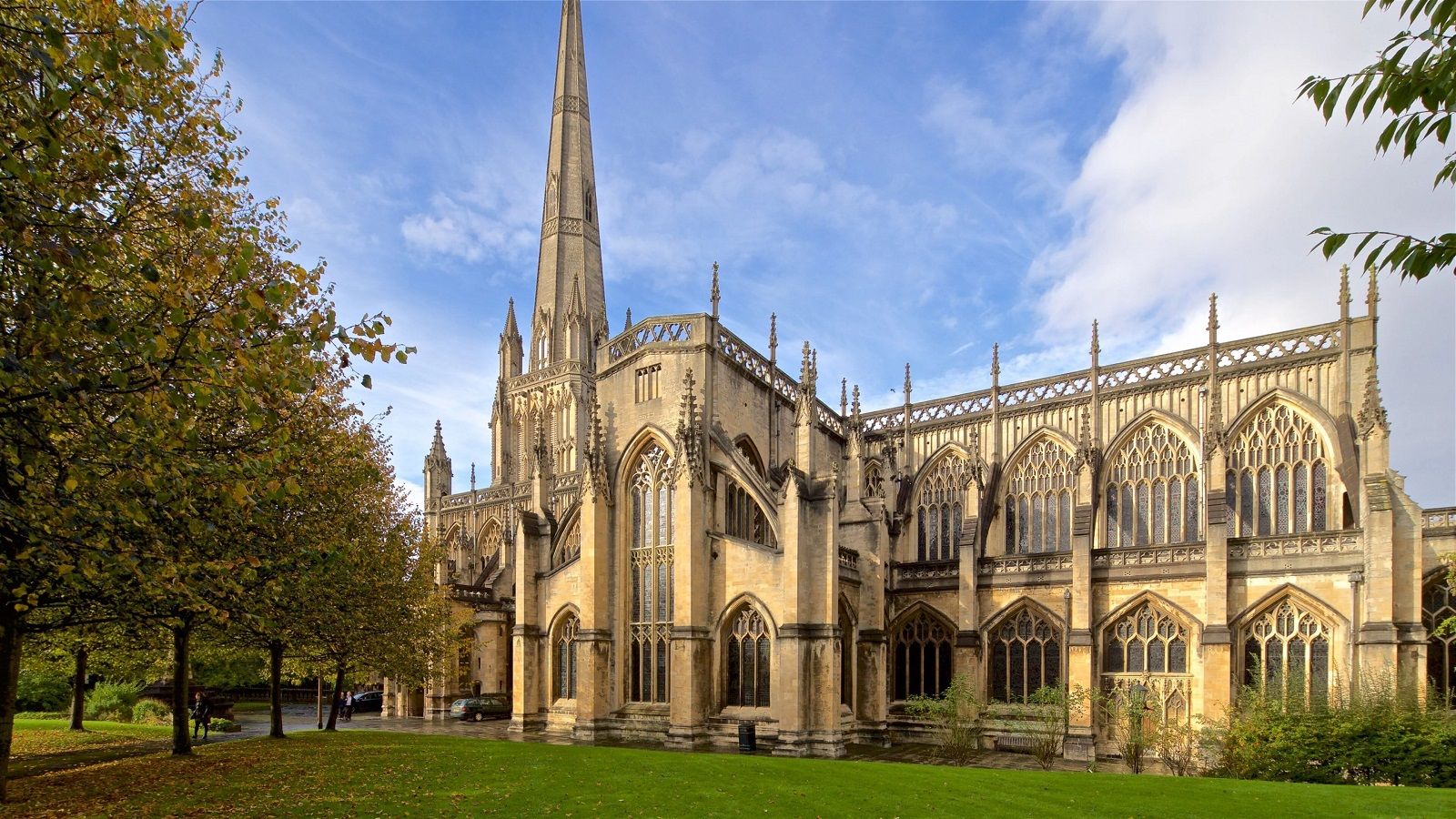
Among Bristol's many historic landmarks, St Mary Redcliffe Church stands out as one of the finest places to visit free of charge. Often described as one of the greatest examples of Gothic architecture in England, the church has welcomed worshippers, travellers and admirers for more than seven centuries. Visitors are free to enter, making it possible to experience one of Bristol's architectural masterpieces without paying an admission fee.
Stepping inside the church is a remarkable experience. High vaulted ceilings, elegant stone columns and magnificent stained-glass windows create an atmosphere of peace and grandeur that immediately separates the building from the busy streets outside. Sunlight filtering through colourful glass fills the interior with changing patterns throughout the day, making every visit slightly different depending on the season and the weather.
While many historic churches across Europe now charge entrance fees, St Mary Redcliffe continues to welcome visitors without requiring a ticket. This makes it an excellent stop for travellers wishing to admire medieval craftsmanship, learn about Bristol's religious heritage or simply enjoy a few quiet moments during a busy day of sightseeing.
The church contains numerous memorials, monuments and historic details that tell the story of Bristol's past. Intricate carvings, centuries-old tombs and beautifully decorated chapels reflect the wealth and importance of the city during the medieval period. Informational displays throughout the building help visitors understand the significance of many of these remarkable features.
Beyond its historical importance, St Mary Redcliffe remains an active place of worship and an important part of the local community. Regular services, concerts and cultural events continue to bring life to the building, allowing visitors to experience it not simply as a museum but as a living church that continues to serve Bristol today.
Photography enthusiasts will appreciate both the impressive exterior and the beautiful interior architecture. The surrounding churchyard also provides attractive viewpoints from which to admire the building's soaring tower and intricate stonework. Early morning and late afternoon light are particularly rewarding for photographers exploring this part of the city.
Conveniently located within walking distance of Bristol Temple Meads, Castle Park and the Harbourside, the church fits naturally into many sightseeing routes. Whether you spend ten minutes admiring the architecture or an hour exploring every corner, it offers one of Bristol's richest cultural experiences without affecting your travel budget.
St Mary Redcliffe Church perfectly demonstrates that some of Britain's most extraordinary historic buildings remain freely accessible to everyone. Its beauty, history and peaceful atmosphere make it an essential stop for visitors looking to experience the very best of Bristol without spending a penny.
Read the complete guide to St Mary Redcliffe Church →See the Clifton Suspension Bridge
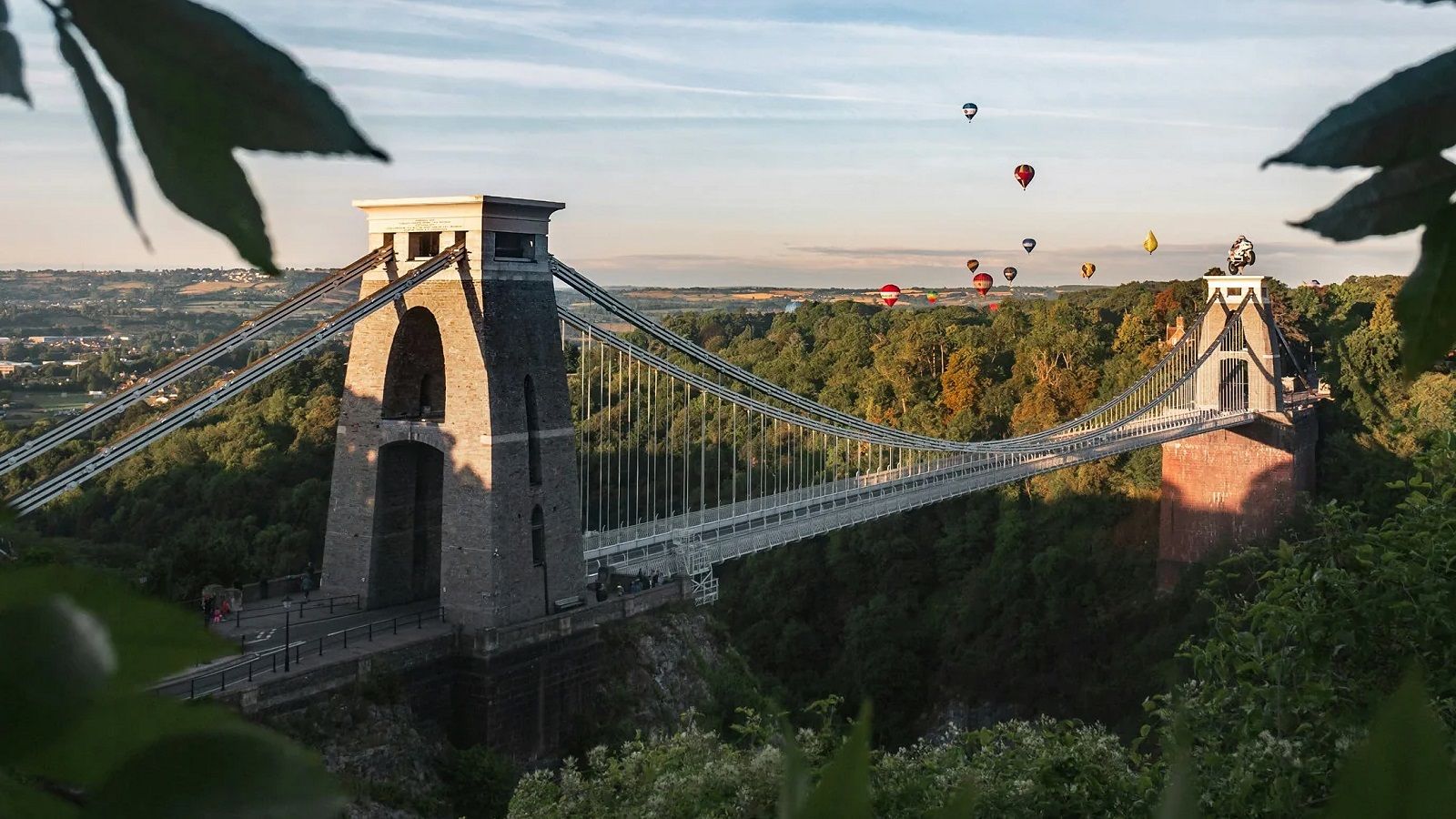
No visit to Bristol feels complete without seeing the Clifton Suspension Bridge. While it is recognised around the world as one of Britain's greatest engineering achievements, it is also one of the city's finest free experiences. Visitors can walk across the bridge, admire spectacular views over the Avon Gorge and enjoy some of Bristol's most memorable scenery without spending anything at all.
Crossing the bridge on foot allows visitors to appreciate its remarkable design from a completely different perspective than simply viewing it from a distance. As you walk between the elegant suspension chains, sweeping views open in every direction. The dramatic limestone cliffs of the Avon Gorge, the winding River Avon and the green hills beyond create a landscape unlike anywhere else in the city.
Several public viewpoints around Clifton provide outstanding places to admire the bridge. The paths near Clifton Observatory offer panoramic views from above, while riverside trails reveal the bridge rising high above the gorge. Each location presents a different perspective, encouraging photographers to explore the surrounding area rather than stopping at a single viewpoint.
Sunrise and sunset are particularly magical times to visit. Early morning brings peaceful conditions with very few visitors, while evenings often reward photographers with warm golden light illuminating the bridge and surrounding cliffs. After dark, the illuminated suspension bridge becomes one of Bristol's most recognisable and photographed landmarks.
Walking around the Avon Gorge is just as rewarding as crossing the bridge itself. Well-maintained footpaths lead through wooded slopes and open viewpoints, allowing visitors to enjoy nature while remaining only minutes from Clifton Village. These scenic walks are especially popular with local residents and provide excellent opportunities to experience a quieter side of Bristol.
Throughout the year the bridge hosts charity events, running races and community celebrations, adding even more life to this famous landmark. Even on ordinary days there is always something interesting to watch, from cyclists and walkers crossing the bridge to boats travelling along the river far below.
Because the bridge is located close to Clifton Village, Brandon Hill and the Observatory, it can easily become the highlight of a full day's walking route. Many visitors finish their exploration here, enjoying one last unforgettable view before returning to the city centre.
Clifton Suspension Bridge is much more than a famous landmark. It is a place where engineering, history, nature and breathtaking scenery come together in one unforgettable experience. Best of all, every visitor can enjoy these spectacular views completely free of charge, making it the perfect finale to any budget-friendly day in Bristol.
Read the complete guide to Clifton Suspension Bridge →