M Shed Bristol
Discover the story of Bristol and its people at M Shed, a fascinating museum on the Harbourside that brings the city's history to life through personal stories, historic objects, transport and maritime heritage.
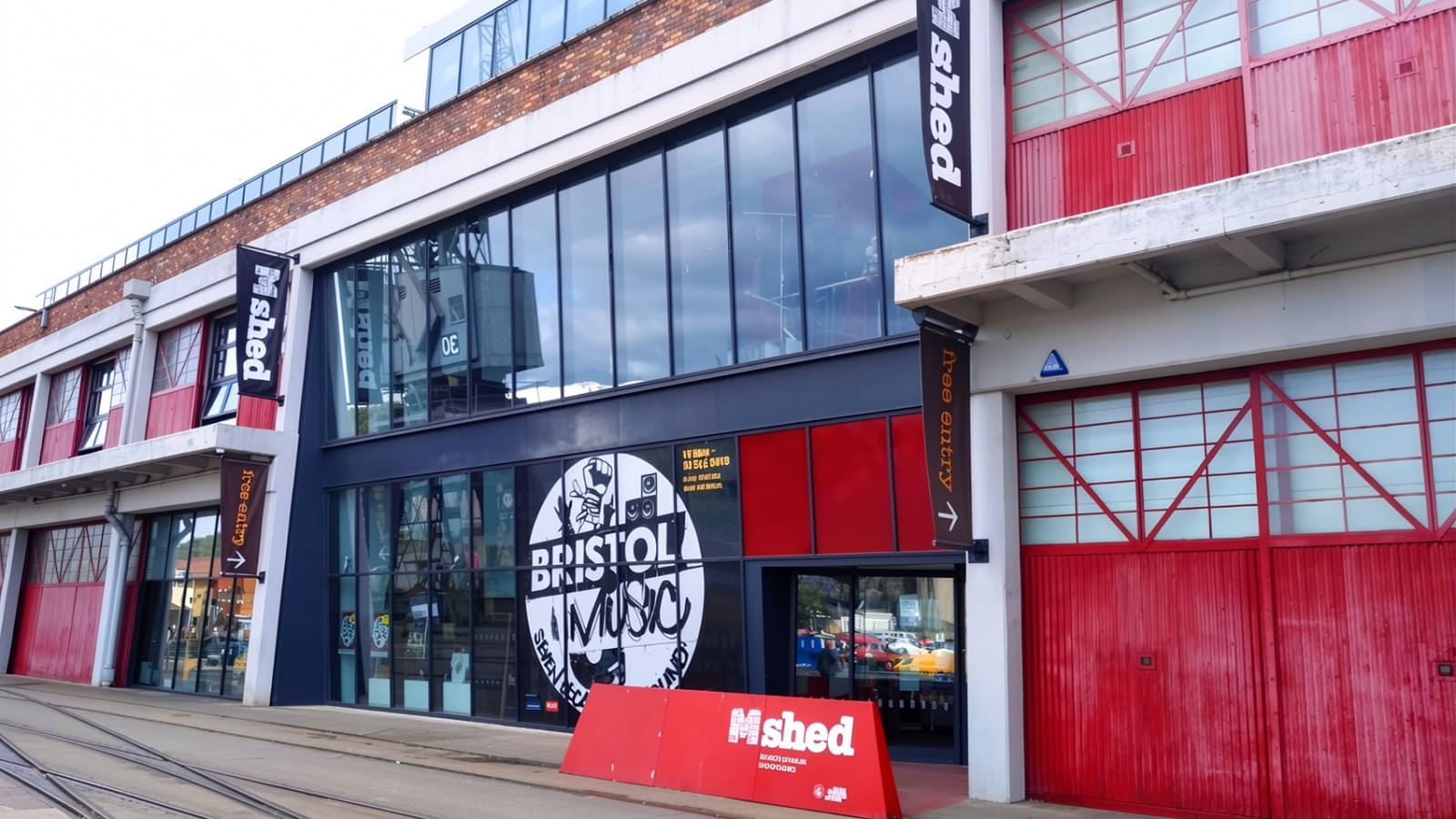
Housed in a former transit shed beside the historic harbour, M Shed is unlike a traditional museum focused on a single period or subject. Instead, it explores the many different stories that have shaped Bristol, from its maritime and industrial past to the experiences of the people who have lived and worked in the city.
Inside, visitors can discover exhibitions covering Bristol's history, culture, industry, transport and everyday life. Historic objects, photographs, personal accounts and large-scale exhibits help create a picture of how the city has changed over generations.
Its location also makes M Shed an easy addition to a day exploring Bristol. Situated directly on the Harbourside, the museum can be combined with waterfront walks and several of the city's other major attractions, making it a particularly useful stop for first-time visitors.
What Is M Shed?
M Shed is a museum dedicated to the history of Bristol and the people who have shaped the city. Rather than concentrating on one particular period, the museum brings together stories from different centuries, showing how Bristol has developed from an important port into the diverse and creative city visitors see today.
The museum takes its name from the building in which it is housed. The former transit shed was part of Bristol's working docks and was once used for handling goods arriving and leaving through the harbour. Its location therefore forms an important part of the story told inside the museum.
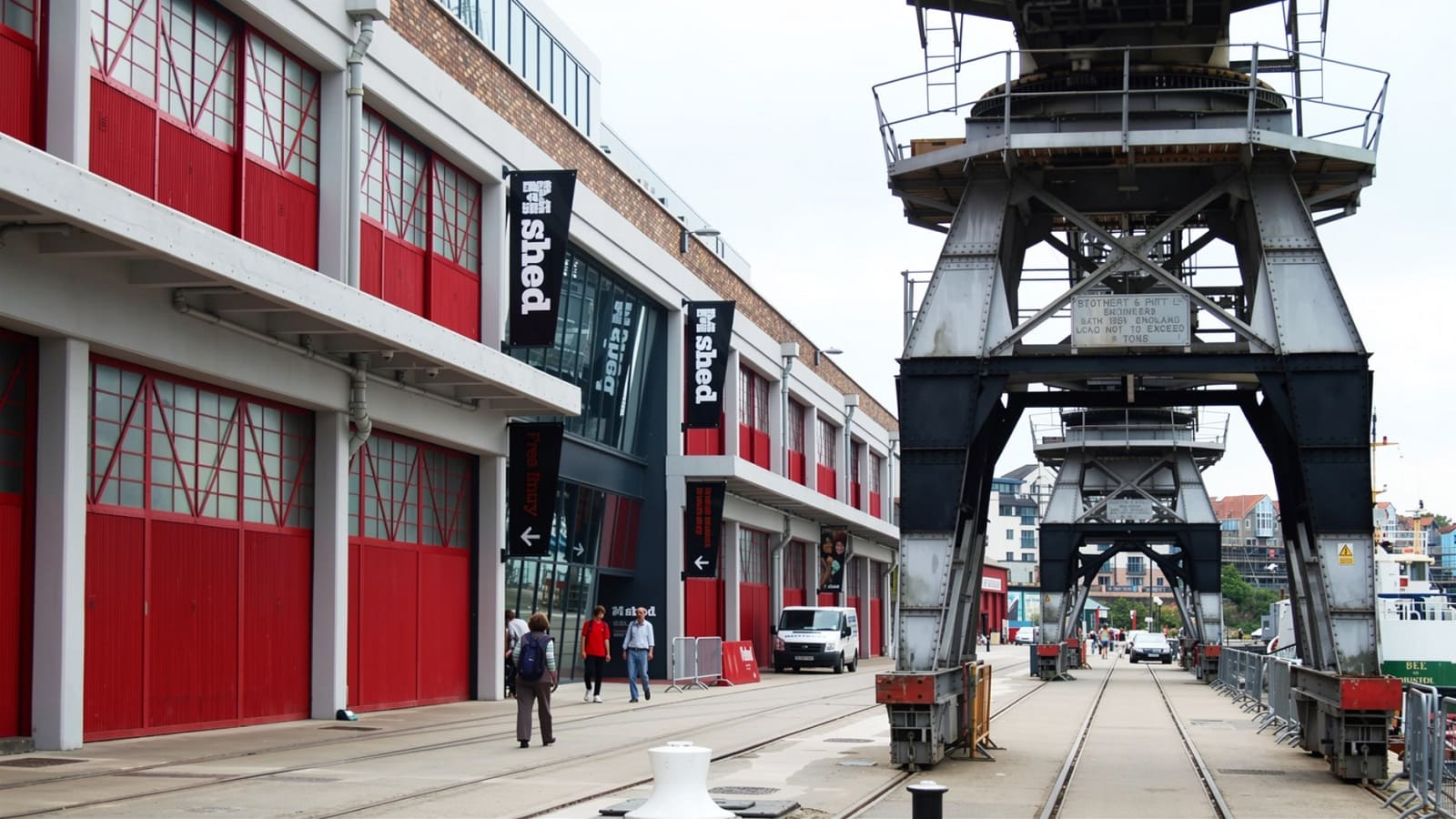
The building itself helps connect the museum with Bristol's industrial and maritime past. Standing beside the water, surrounded by the historic docks, it gives visitors a chance to see the relationship between the city's museum collections and the working harbour that once played such an important role in Bristol's economy.
Inside, the focus is not simply on famous events or important buildings. M Shed also explores ordinary life in Bristol, using objects, photographs, films and personal stories to show how people experienced the city at different points in its history.
This combination of large historical themes and individual experiences makes the museum particularly accessible. You can learn about Bristol's industries and transport while also discovering stories about its neighbourhoods, communities and changing way of life.
For visitors, M Shed is therefore more than a collection of historic objects. It is a place where the history of Bristol can be understood through the city itself, its waterfront and the people who have called it home.
Bristol's Maritime and Industrial History
Bristol's history has always been closely connected with water. The River Avon and the city's harbour helped Bristol develop into an important centre of trade, shipbuilding and industry, connecting the city with ports across Britain and around the world.
For centuries, goods arrived in Bristol by ship and were transported through the harbour into the city and beyond. The docks became places of constant activity, filled with vessels, warehouses, workers and the machinery needed to handle an increasingly busy port.
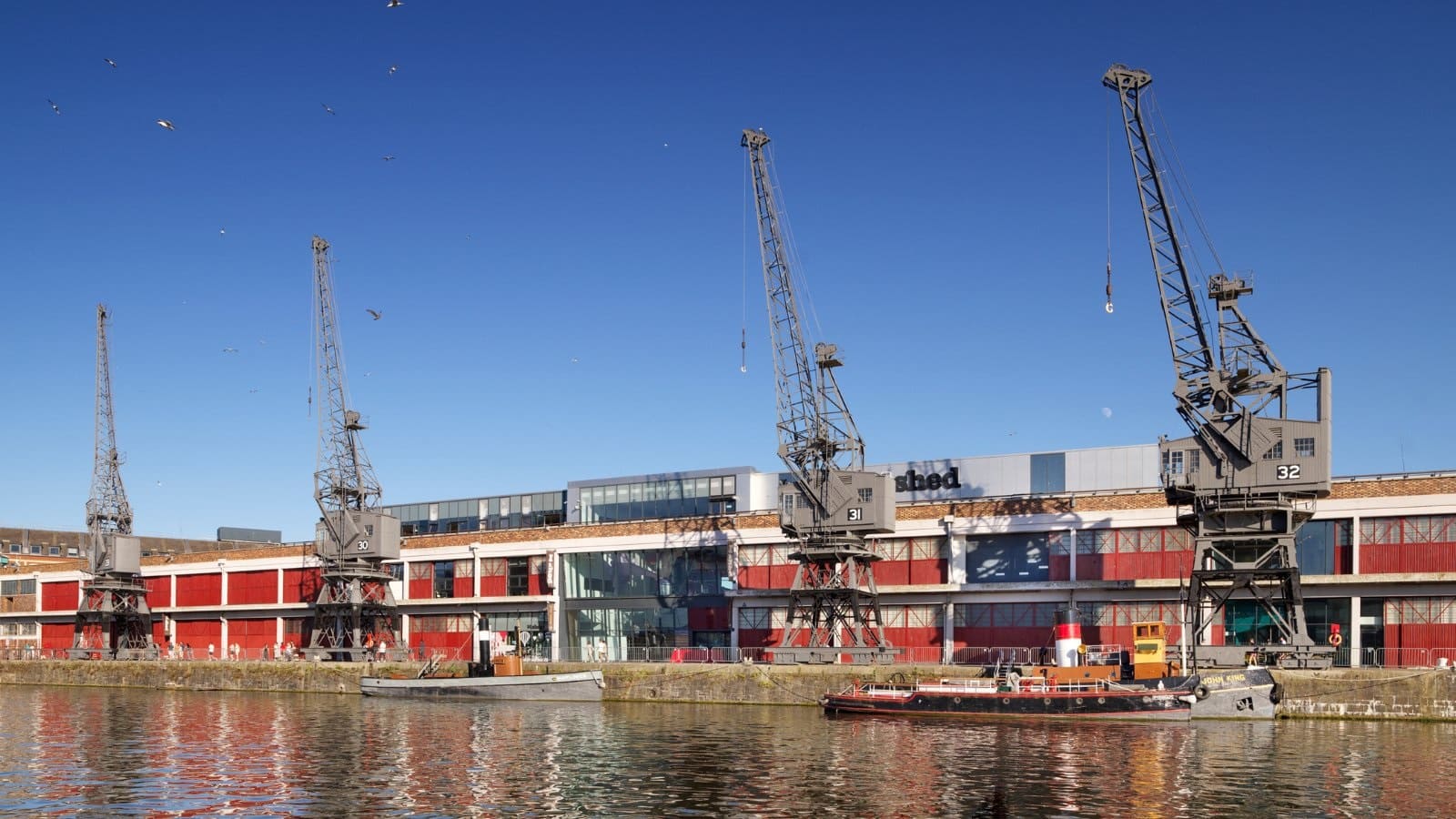
This maritime past had a major influence on the growth of Bristol. Trade brought wealth and employment, while the port supported a wide range of industries and businesses. Shipbuilding, engineering, manufacturing and transport all became important parts of the city's economy.
M Shed explores these connections through objects and displays that help visitors understand how the harbour functioned as part of everyday city life. The story is not limited to ships and cargo; it also includes the people whose work kept the docks, factories and businesses operating.
The museum also helps place Bristol's industrial development within the wider history of the city. Technological changes, new forms of transport and changing patterns of trade gradually transformed both the waterfront and the communities that depended on it.
Looking at this history while standing beside the harbour makes the experience particularly effective. The waterfront outside M Shed is part of the same landscape that visitors are learning about inside, even though its role has changed dramatically over time.
Today, Bristol's Harbourside is primarily a place for visitors, restaurants, museums and waterfront walks. M Shed provides a valuable reminder that this attractive area was once a busy working environment at the centre of Bristol's maritime and industrial life.
The People of Bristol
One of the things that makes M Shed different from many traditional history museums is its focus on the people of Bristol. The city's past is presented not only through major events and famous names, but also through the experiences of ordinary residents who lived, worked and built their lives here.
Personal stories help visitors understand how Bristol changed over time. The museum explores different communities, generations and experiences, showing how everyday life was influenced by changes in employment, transport, housing, industry and the character of the city.
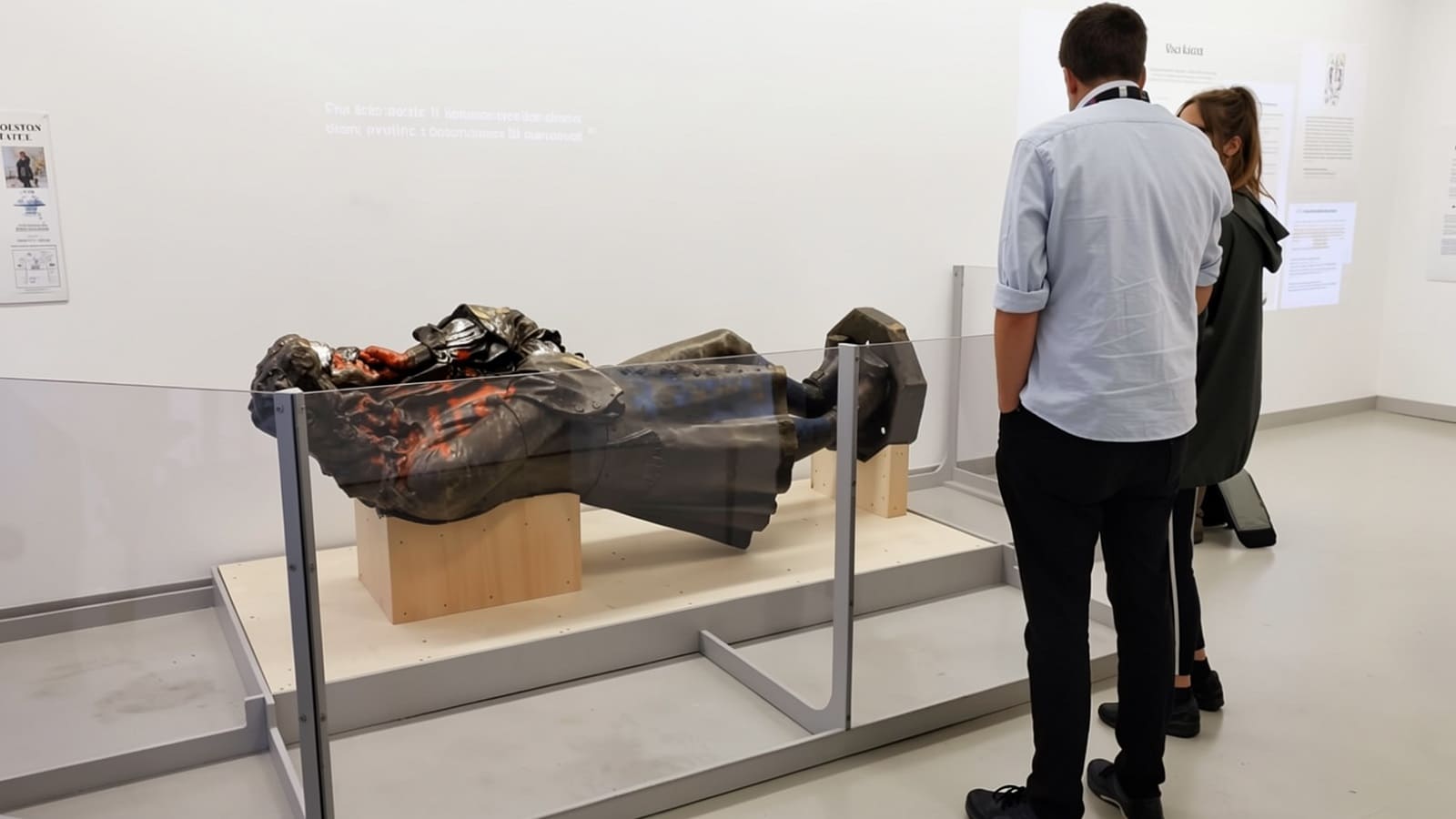
Photographs, objects and recorded stories can make this history feel much more immediate than a simple timeline of dates. A personal object or an old photograph can reveal what life was like in a particular neighbourhood, while individual memories help show how larger changes affected people in their everyday lives.
This approach also reflects the diversity of Bristol. The city has been shaped by people from many different backgrounds, and its identity has continued to change as new communities have become part of Bristol's story. The museum provides space for these different experiences to be seen as part of the wider history of the city.
For visitors who have never been to Bristol before, this human side of the museum can be particularly useful. Famous landmarks can show you what the city looks like, but personal stories help explain what it has been like to live here and how Bristol developed into the city it is today.
Take time to read the stories accompanying the exhibits rather than simply moving from one object to the next. These smaller details often provide the most memorable connection between the museum and the real Bristol outside its doors.
Transport and Working Bristol
Transport has played a major role in the development of Bristol, shaping the way people travelled, worked and moved around the city. At M Shed, this part of Bristol's history is brought to life through historic vehicles and objects connected with the city's working life.
Bristol's transport story stretches from the busy harbour and its shipping connections to the buses, trams and other forms of transport that once carried residents through the city's streets. These systems were essential to a growing city, helping workers reach their jobs and connecting different neighbourhoods with the centre.
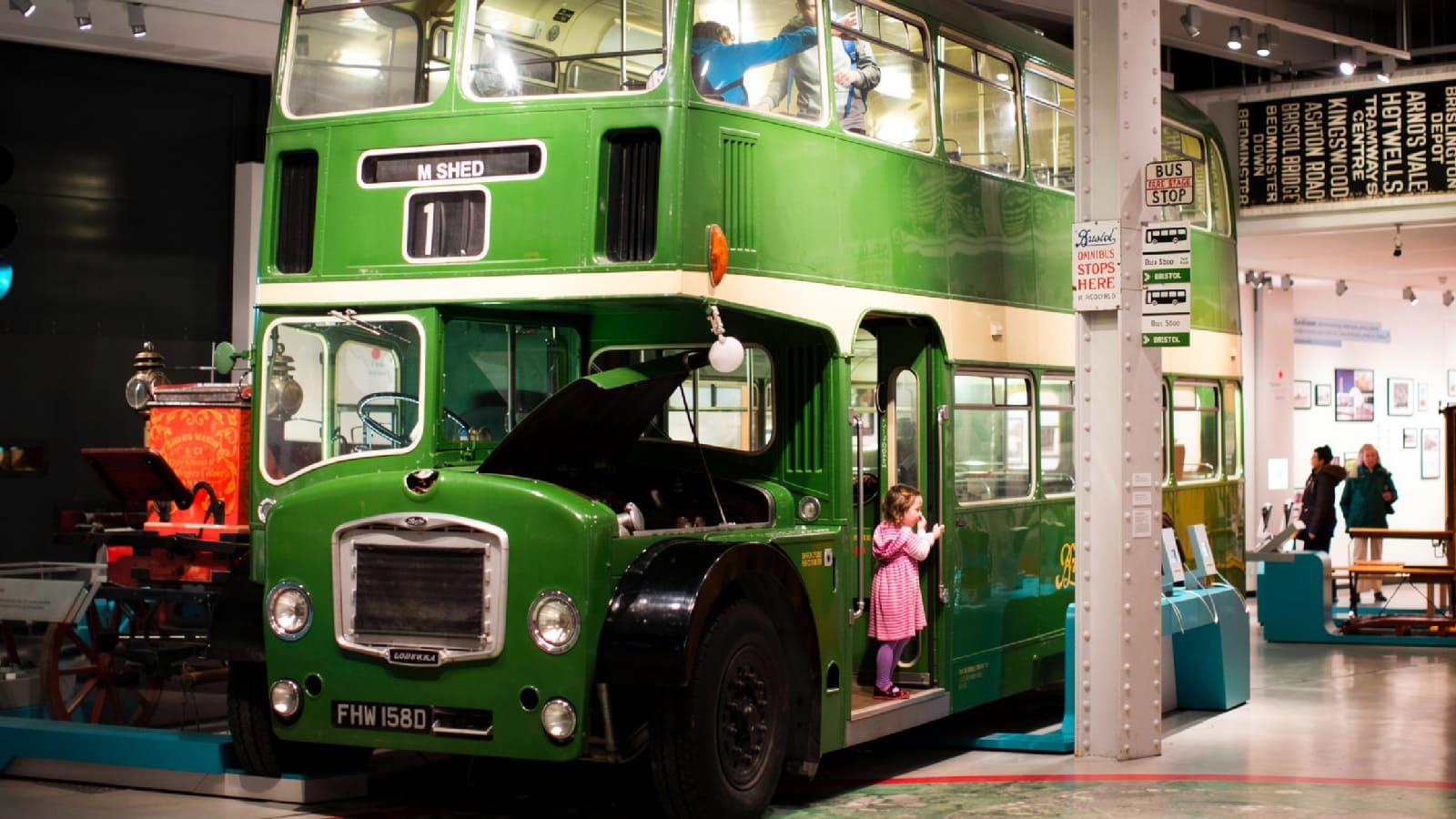
Large vehicles are among the exhibits that can make this part of the museum particularly engaging. Seeing the scale and design of historic transport gives a much better impression of how different travelling around Bristol could have been in earlier generations.
The exhibits also help explain the relationship between transport and the city's wider industrial development. Bristol depended on efficient movement of people and goods, whether they were travelling through the harbour, working in local industries or making their way across the growing urban area.
As Bristol expanded and technology changed, its transport network changed with it. Older forms of transport gradually disappeared or were replaced, while roads, vehicles and public transport became increasingly important parts of everyday life. The objects preserved at M Shed provide a tangible connection with these earlier stages of the city's development.
This is also one of the sections where the museum's connection with the real city becomes especially clear. Transport was never simply about getting from one place to another; it influenced where people lived, where they worked and how different parts of Bristol interacted with each other.
If you enjoy engineering, vehicles or industrial history, allow extra time to explore these exhibits. Even visitors who are less interested in transport can find them useful for understanding how Bristol worked as a city before the modern landscape took shape.
Exploring the Museum
M Shed is best explored at a relaxed pace, as there is much more to discover than the larger exhibits might suggest. The museum combines historic objects with photographs, personal stories, films and displays, allowing visitors to explore Bristol's past from several different perspectives.
The exhibitions cover a wide range of subjects, so the experience can change considerably from one section to another. One display might focus on the city's working harbour, while another can introduce you to the people, neighbourhoods and everyday experiences that have shaped Bristol over the years.
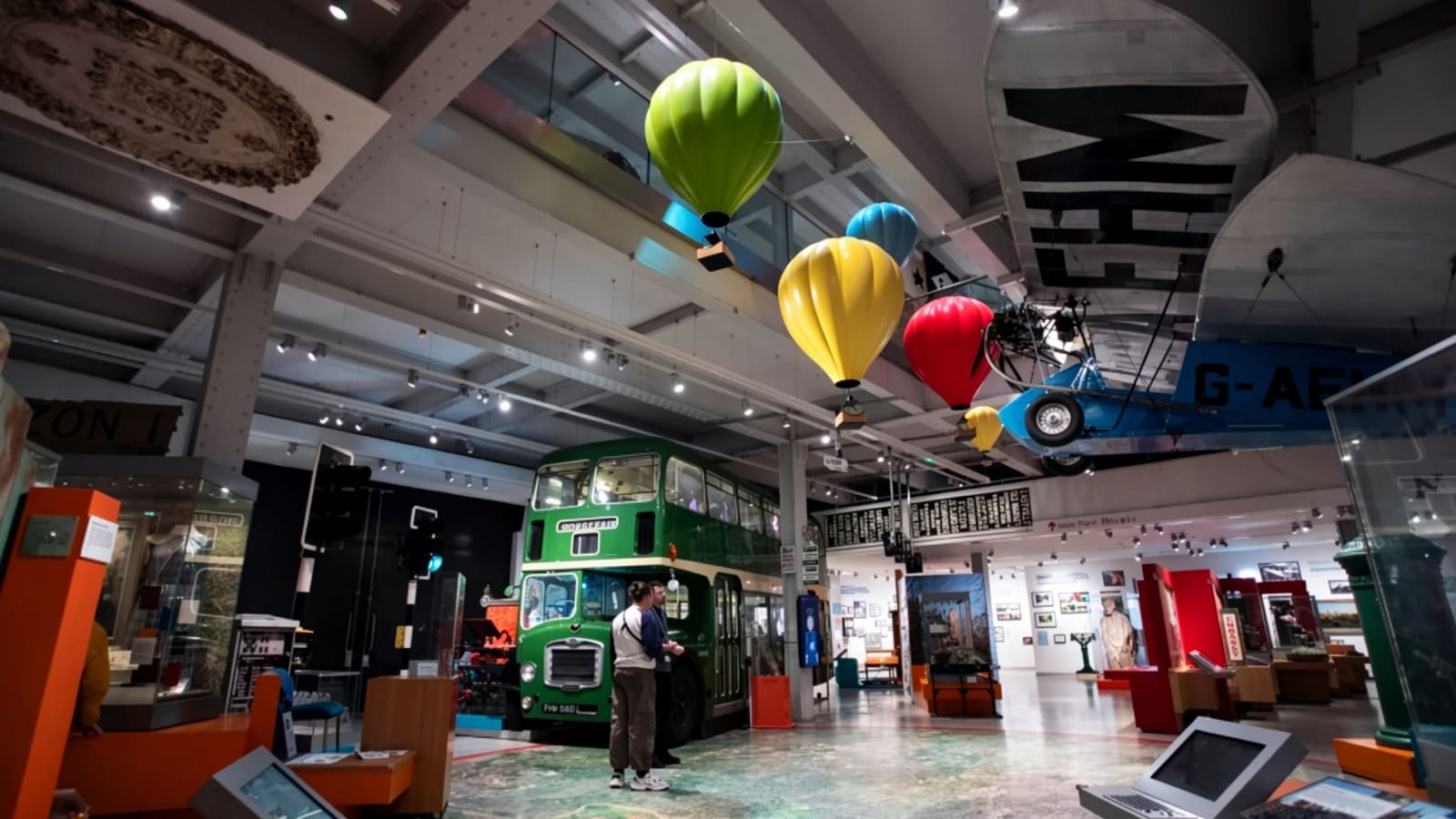
One of the strengths of the museum is the variety of objects on display. Large historic vehicles and industrial objects provide an immediate visual impression, while smaller personal belongings and photographs reveal more intimate stories about life in Bristol.
It is worth taking time to read the descriptions and stories alongside the objects. They often provide the context that turns an interesting item into a much clearer picture of how the city once worked and how changes in society affected the people who lived here.
M Shed can also work well for families and visitors with different interests. Children may be drawn to the larger vehicles and unusual objects, while adults can spend more time exploring the historical background, personal accounts and social history behind the displays.
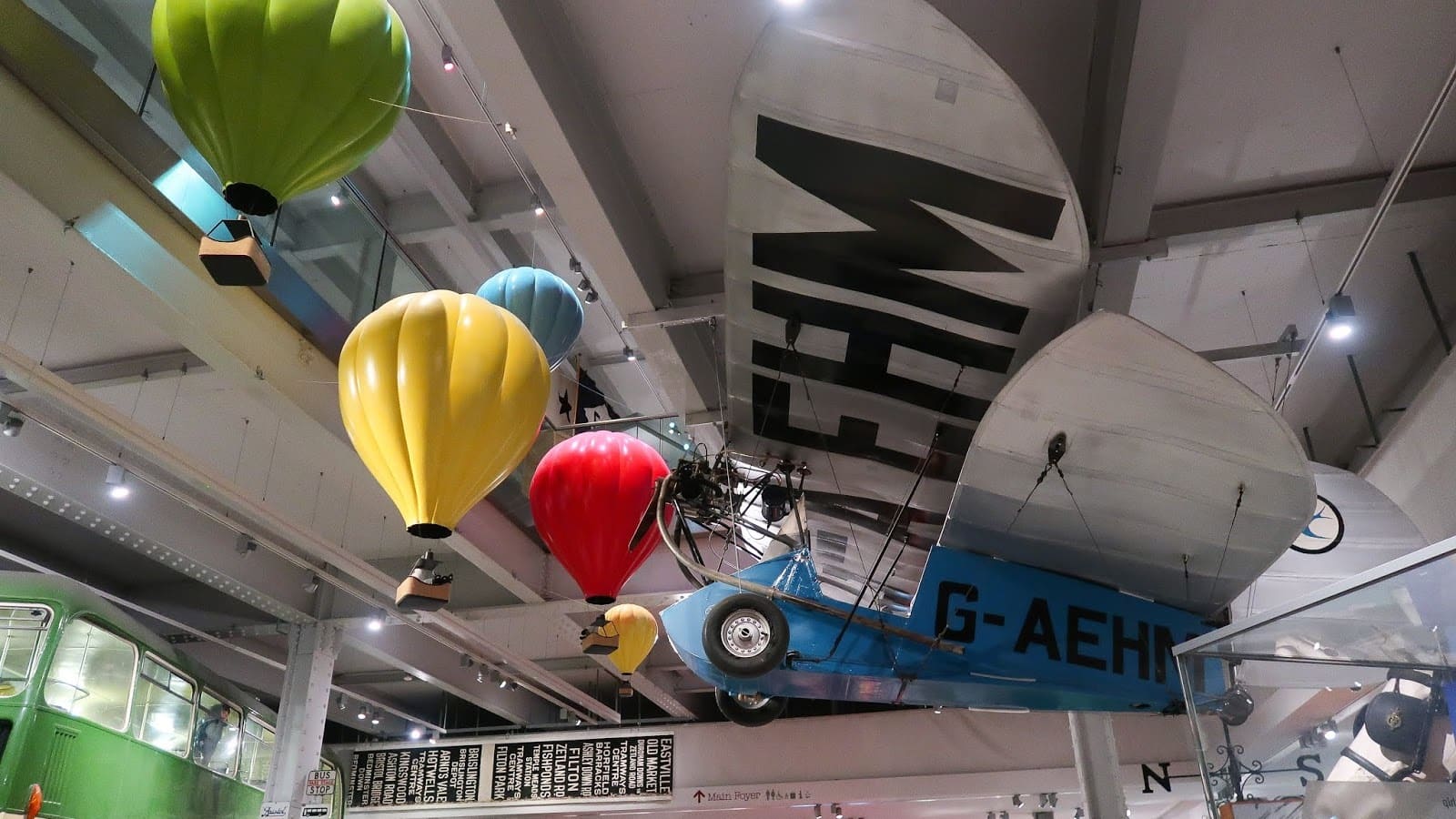
Because the museum covers such a broad range of subjects, there is no single correct way to explore it. Visitors interested in Bristol's maritime past can concentrate on the harbour and industry, while those more interested in social history can spend longer with the stories of local residents and communities.
Allow enough time to explore without rushing from one display to the next. The combination of large exhibits and smaller historical details is what gives M Shed its character, and some of the most interesting discoveries may be the things that initially appear less obvious.
M Shed and Bristol Harbourside
One of the best things about visiting M Shed is its location directly on Bristol's Harbourside. The museum is surrounded by the same waterfront that played such an important role in the city's maritime and industrial history, making it easy to connect what you see inside with the landscape outside.
After exploring the museum, you can continue along the waterfront and discover how dramatically this part of Bristol has changed. Historic dockside buildings and working harbour spaces now sit alongside cafés, restaurants, galleries, museums and open public areas.
M Shed is also close to several of Bristol's other major attractions. The SS Great Britain is nearby across the water, while the wider Harbourside area provides opportunities to visit museums, explore historic vessels or simply enjoy a walk beside the harbour.
This makes M Shed particularly convenient for visitors planning a full day in central Bristol. Rather than travelling across the city between individual attractions, you can build a walking route around the Harbourside and visit several places within a relatively small area.
The waterfront is also worth experiencing after the museum has closed. A walk beside the harbour provides a different perspective on the area, especially when you can compare the modern visitor destination with the working docks described inside M Shed.
If you are visiting Bristol for the first time, combining M Shed with a Harbourside walk is one of the easiest ways to experience several sides of the city in one itinerary: its maritime past, industrial heritage, cultural attractions and modern waterfront atmosphere.
Visiting M Shed
M Shed is located on Bristol's Harbourside, making it an easy attraction to include in a walking itinerary around the city centre. Its waterfront position also means that you can combine a visit with several nearby museums, historic attractions and places to eat.
If you are exploring Bristol on foot, the museum is particularly convenient. You can reach the Harbourside from the city centre and continue along the waterfront to M Shed, taking in the changing views and historic dockside buildings along the way.
Allow at least an hour for a visit if you want to see the main exhibitions without rushing. Visitors who are interested in Bristol's history, transport, industry and personal stories may want to allow considerably longer, as there are many displays to explore and read.
M Shed can be a good choice for families as well as adults travelling independently. The combination of large objects, vehicles, photographs and personal stories creates plenty of variety, while the broad subject matter means that different members of a group can usually find something that interests them.
The museum also works particularly well as part of a wider Harbourside day. You can visit M Shed and then continue towards the SS Great Britain, explore the waterfront, stop at a café or restaurant, and discover other attractions in the surrounding area.
Before travelling, check the latest visitor information, including opening arrangements and any temporary exhibitions or changes to access. As with many museums and historic attractions, schedules can change for special events, maintenance or other reasons.
If you are planning your first trip to Bristol, M Shed is an especially useful museum to include because it provides context for many of the places you will see elsewhere in the city. After learning about Bristol's harbour, transport, industry and communities, the streets and waterfront around you can be understood in a completely different way.
Why Visit M Shed?
M Shed is one of the best places in Bristol to understand the city as a whole. Rather than focusing on a single building, historical period or famous event, the museum brings together the many stories that have shaped Bristol and the people who have lived here.
Its collections cover maritime history, industry, transport, culture and everyday life, creating a broad picture of the city's development. Large historic objects and vehicles provide an immediate visual impression, while photographs, personal possessions and individual stories reveal the human side of Bristol's past.
The museum's location makes the experience even more meaningful. M Shed stands directly beside the historic harbour, so visitors can step outside and see the waterfront that played such an important role in the city's development. The modern Harbourside may look very different today, but the connection between the museum and its surroundings remains easy to appreciate.
M Shed is also a good choice for visitors who want something beyond Bristol's most famous landmarks. Clifton Suspension Bridge and SS Great Britain may be instantly recognisable, but a visit to M Shed helps explain the wider story behind the city and its communities.
Whether you are interested in history, transport, architecture, industry, social history or simply want to understand Bristol better, the museum offers plenty to discover. It is also easy to combine with a walk along the Harbourside and other central attractions.
Most importantly, M Shed shows that Bristol's history is not only about buildings and dates. It is also about the people who worked in the harbour, travelled through the city, built its industries, lived in its neighbourhoods and helped shape the Bristol visitors experience today.
