Bristol Cathedral
Standing in the heart of Bristol, Bristol Cathedral is one of the city's most remarkable historic buildings, combining centuries of religious history with distinctive medieval and later architecture.
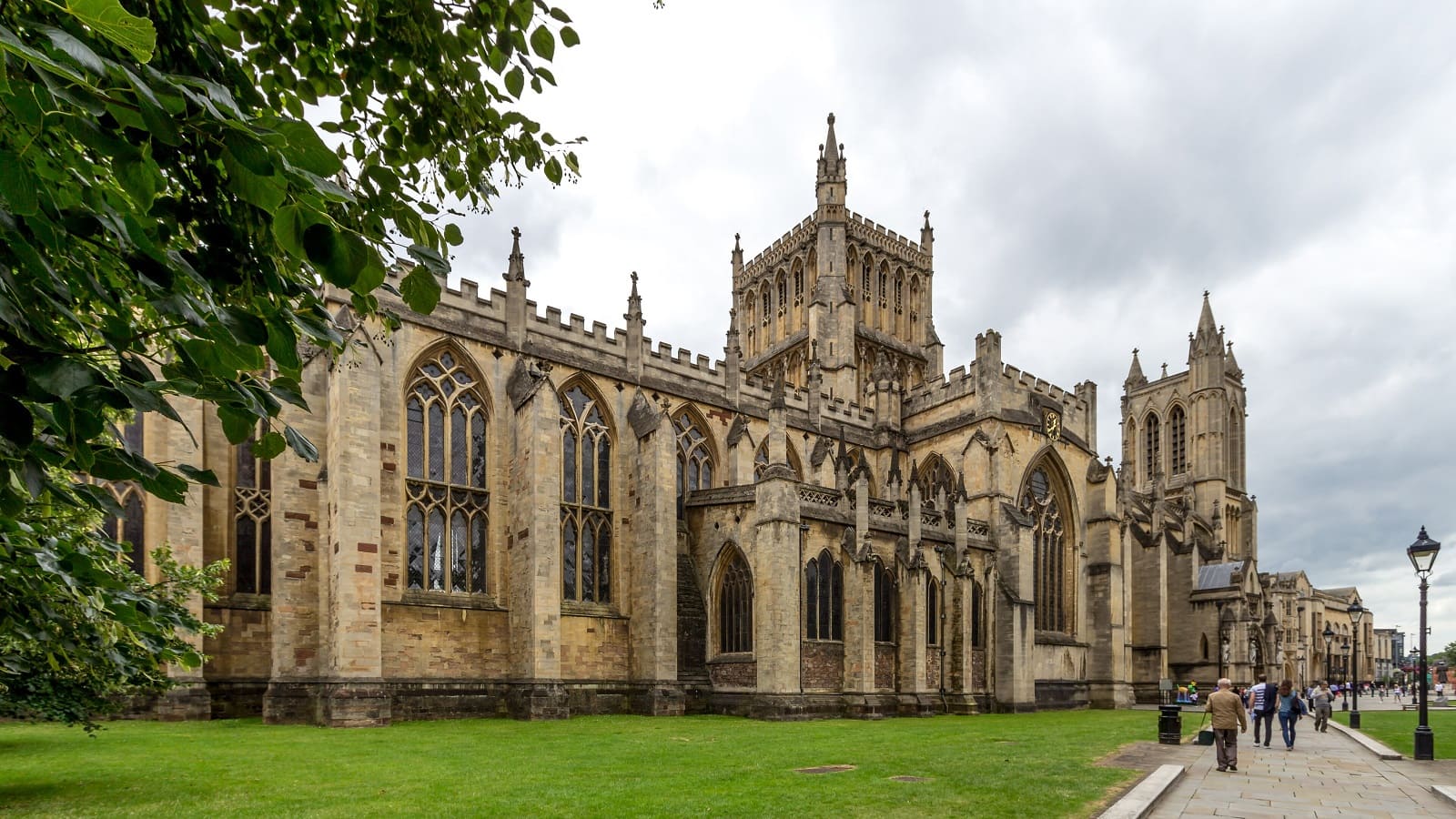
The cathedral's history stretches back to the 12th century, and its architecture reflects the many generations that have shaped the building. Medieval features stand alongside later additions, creating a fascinating combination of historic styles and craftsmanship.
Located close to Bristol's Harbourside and many of the city's central attractions, the cathedral is easy to include in a walking itinerary. Whether you are interested in architecture, history, art or simply want to discover a quieter corner of the city centre, Bristol Cathedral is well worth a visit.
The History of Bristol Cathedral
The history of Bristol Cathedral begins in the 12th century, when Robert Fitzharding founded an Augustinian monastery on the site. The religious community grew over the following centuries, and the buildings gradually developed into the historic complex that can be seen today.
The monastery became a cathedral in 1542 during the English Reformation, when Bristol was established as a separate diocese. This marked an important change in the building's history, as the former monastic church became the seat of the Bishop of Bristol.
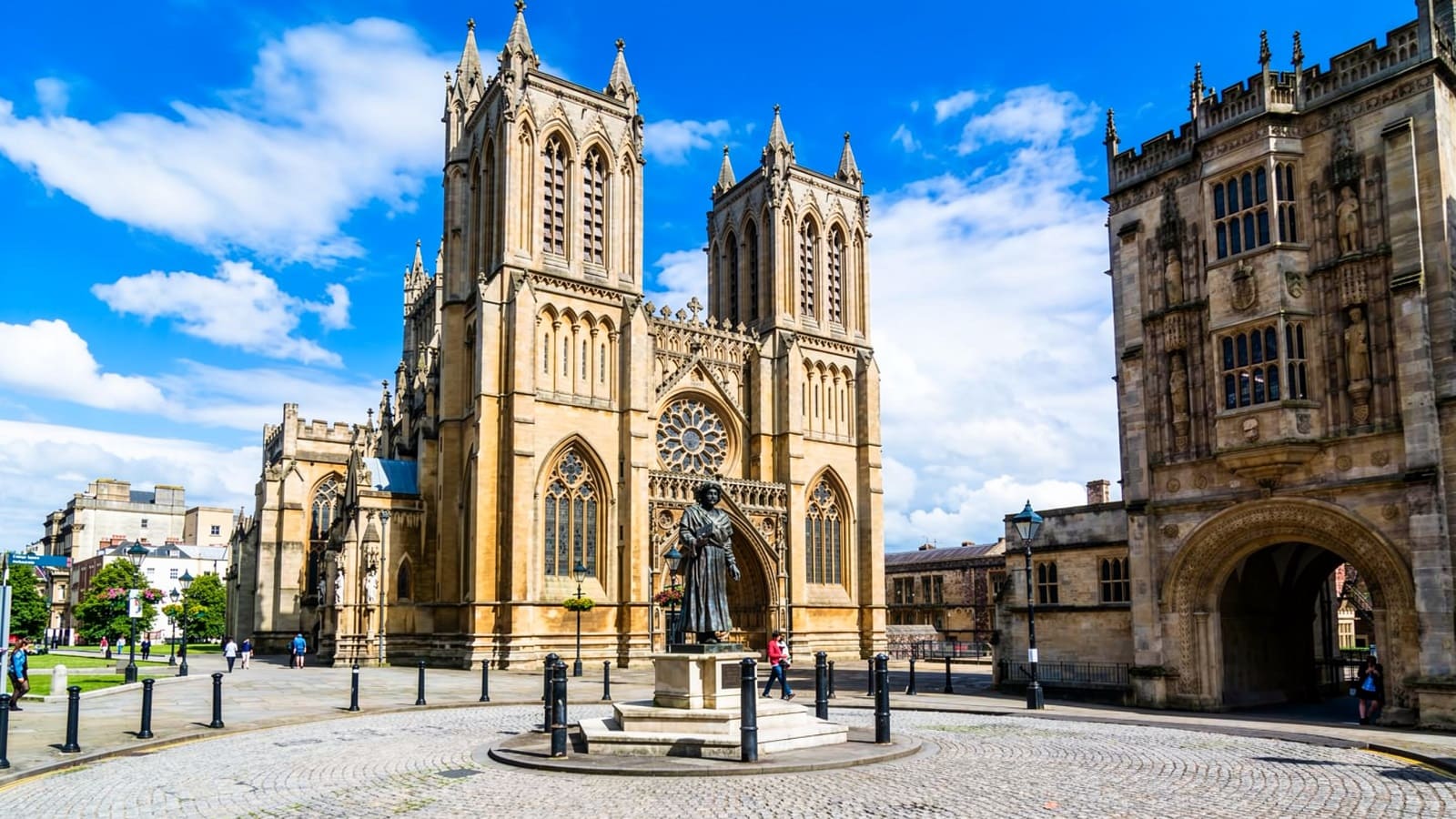
Over the centuries, different periods of construction and restoration left their mark on the cathedral. Medieval features remain alongside later architectural additions, creating a building in which visitors can see several stages of Bristol's religious and architectural history.
The cathedral also survived periods of significant change in the city around it. Its continued presence through centuries of political, religious and social transformation has made it an important part of Bristol's heritage.
Today, Bristol Cathedral remains both a working place of worship and a historic attraction. Its long history is visible not only in its age, but in the layers of architecture, craftsmanship and memorials that can be discovered throughout the building.
The Architecture of Bristol Cathedral
One of the most fascinating things about Bristol Cathedral is the way different periods of architecture come together within a single building. Its origins are medieval, but centuries of development have created a distinctive combination of architectural styles and details.
The cathedral retains elements of its early Norman foundations, while later medieval work introduced the Gothic character for which much of the building is known. Pointed arches, detailed stonework and soaring vertical spaces give the interior a sense of height and lightness.
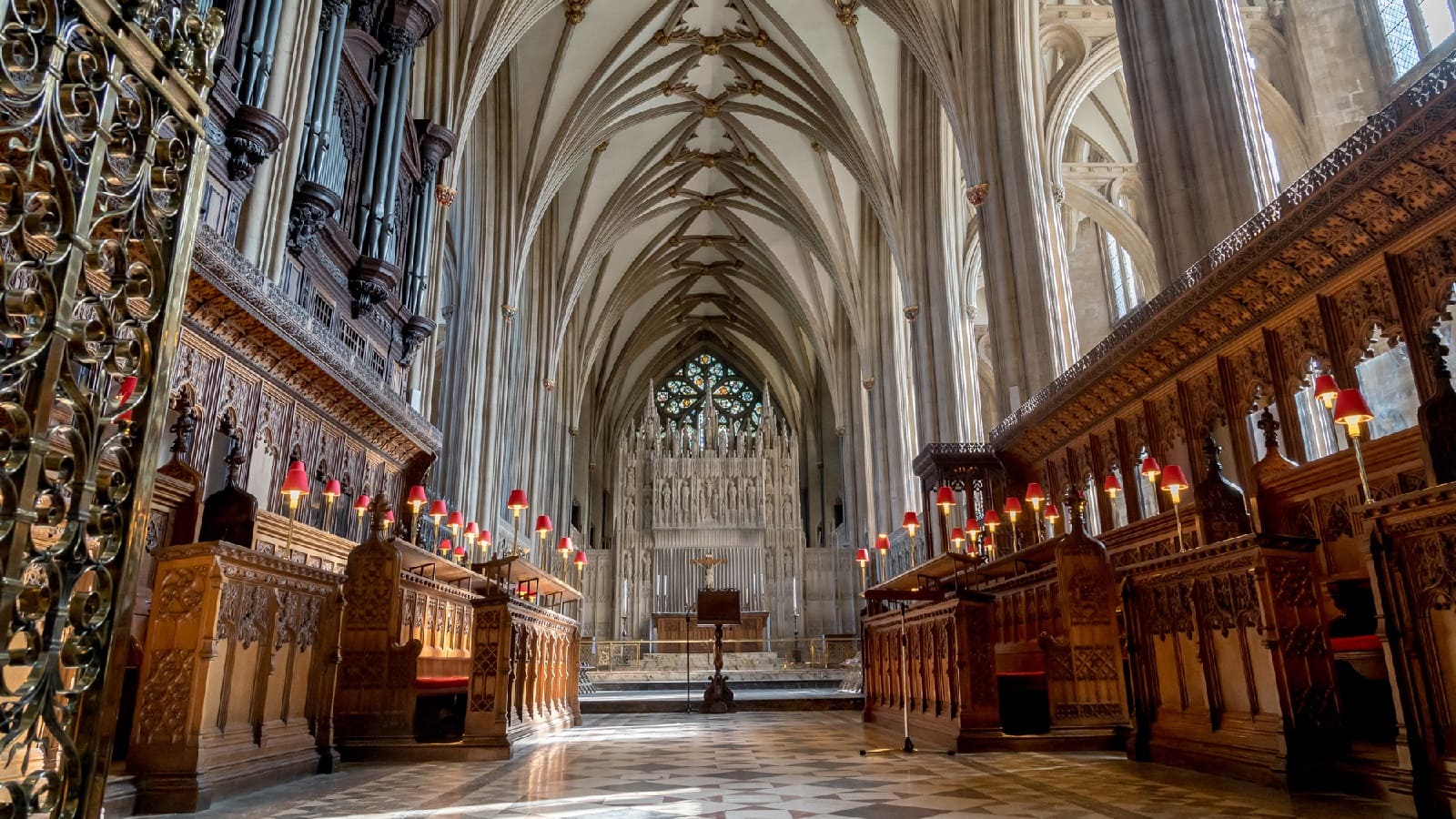
The vaulted ceilings are among the most impressive features to look up for when exploring the cathedral. Their intricate structure draws the eye through the building, while the tall windows allow natural light to illuminate the stone interior throughout the day.
Look closely and you will also find carved stone details, columns, arches and decorative features that can easily be missed during a quick visit. These smaller elements reveal the craftsmanship that went into the construction and decoration of the cathedral over many generations.
The combination of medieval forms, later architectural changes and carefully preserved details makes Bristol Cathedral particularly interesting for visitors who enjoy historic buildings. Rather than representing a single period, the cathedral tells its story through layers of architecture that have accumulated over many centuries.
The Great East Window
One of the most striking features of Bristol Cathedral is the Great East Window, which occupies a prominent position at the eastern end of the building. Its size, intricate design and relationship with the surrounding architecture make it one of the details visitors should take time to appreciate.
The window is particularly impressive when viewed from inside the cathedral. Natural light passes through the stained glass and changes the character of the surrounding stonework throughout the day, creating a constantly changing atmosphere within the building.
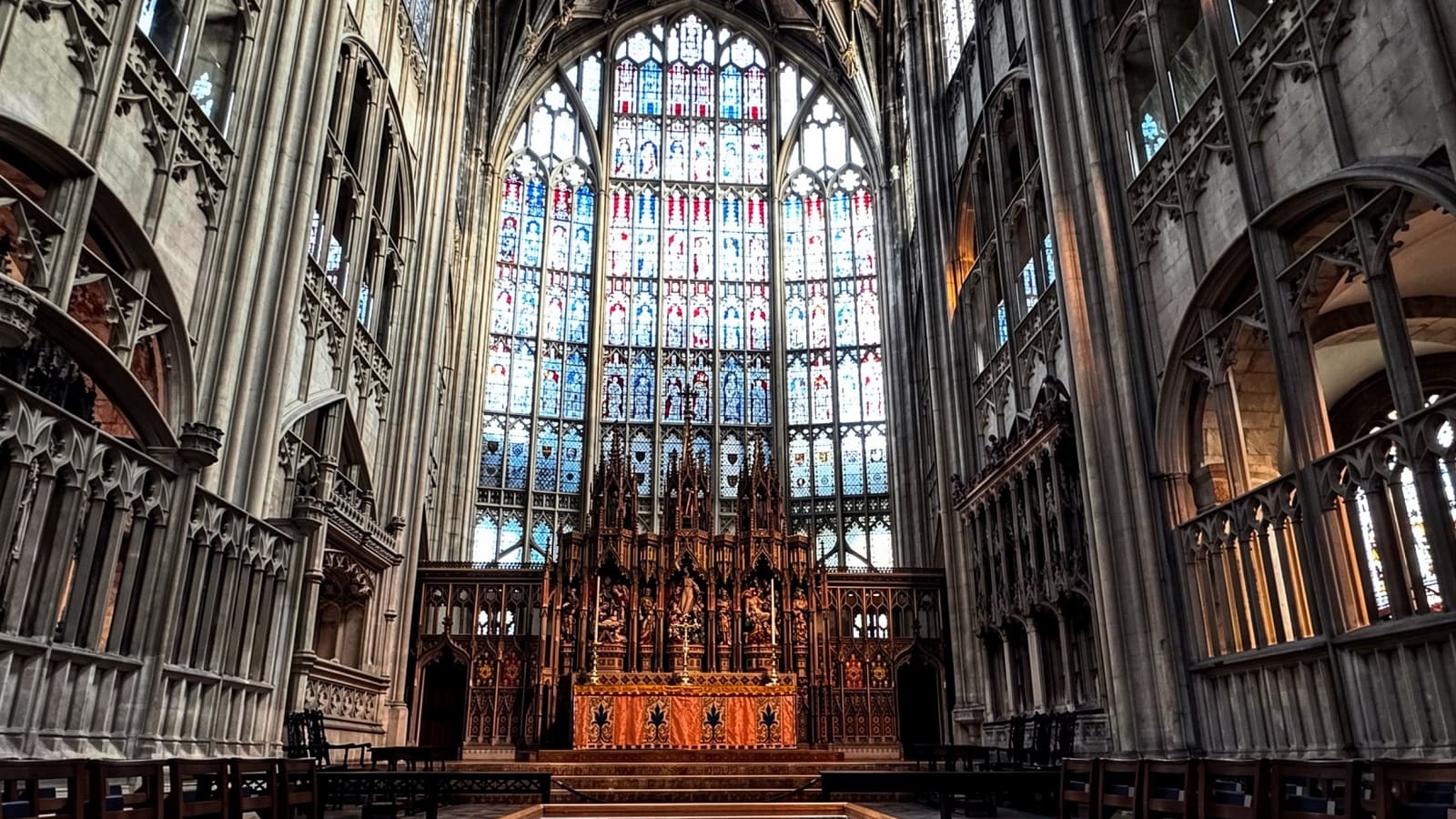
The combination of coloured glass, detailed craftsmanship and the cathedral's Gothic architecture demonstrates how windows were used not simply as sources of light, but as important elements of medieval and later church design.
When visiting, it is worth stepping back from the window and looking at it as part of the entire eastern end of the cathedral. The surrounding arches, stonework and height of the interior help show why the window has such a strong visual presence.
The Lady Chapel
The Lady Chapel is one of the quieter and more intimate spaces within Bristol Cathedral. Dedicated to the Virgin Mary, it provides a more enclosed setting away from the larger scale of the main cathedral interior.
Its architecture and decoration create a noticeably different atmosphere from the broader spaces of the cathedral. Smaller architectural details, stonework and carefully arranged decorative elements reward visitors who take the time to look more closely.
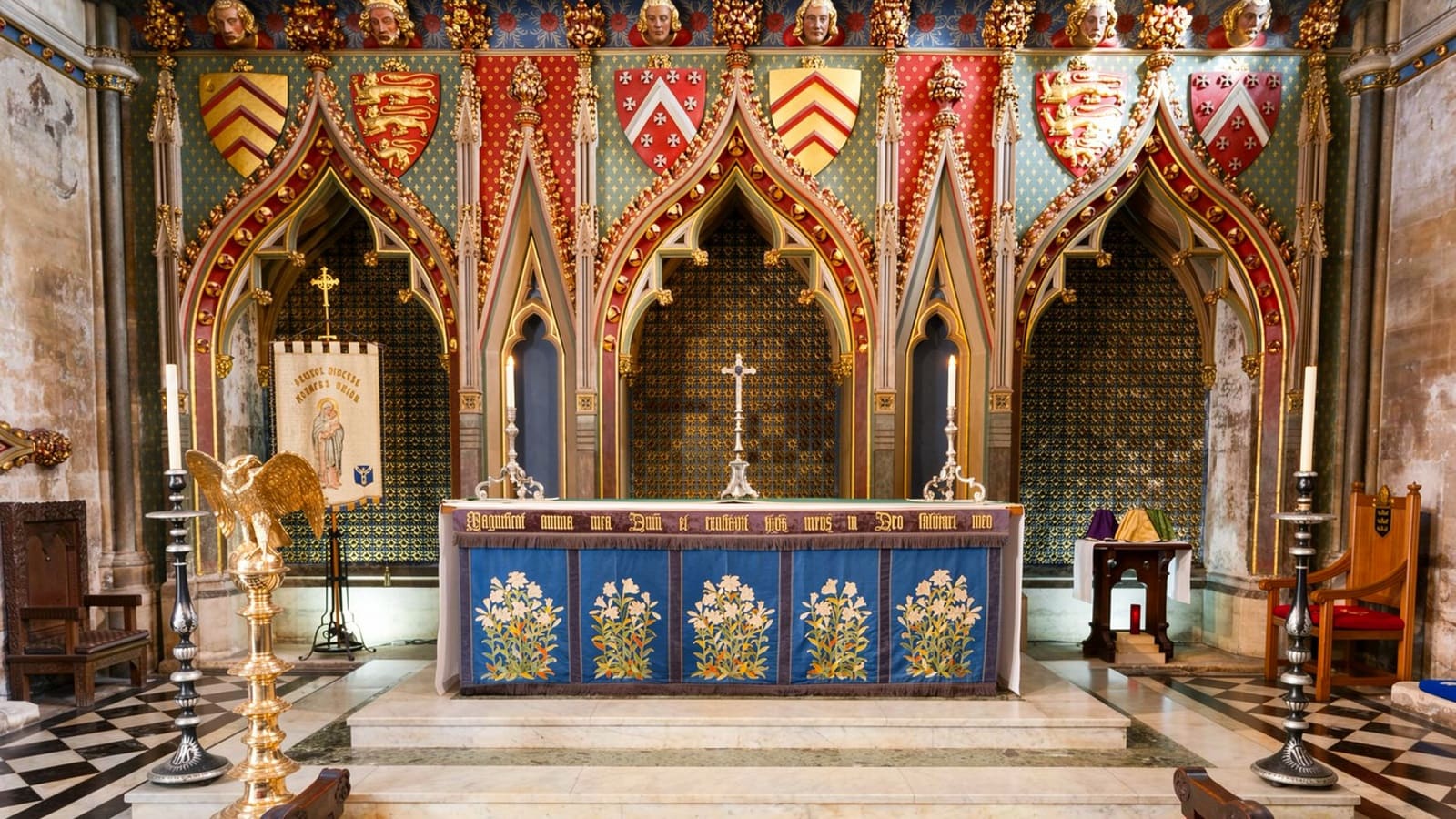
The chapel is also a good example of how different parts of a historic cathedral can serve distinct purposes. While the main building provides an impressive sense of scale, smaller chapels such as this one offer spaces intended for quieter prayer, reflection and private devotion.
For visitors exploring Bristol Cathedral, the Lady Chapel is worth including in a slower walk through the building. Its more intimate character adds another dimension to the cathedral and helps reveal the variety of spaces contained within its historic walls.
The Chapter House and Historic Details
Some of the most interesting parts of Bristol Cathedral are not necessarily the features that immediately catch your attention. Away from the main central spaces, smaller rooms and architectural details reveal more about the people who built, used and cared for the cathedral over the centuries.
The Chapter House is particularly significant. It was an important meeting place for the religious community and formed part of the practical life of the medieval monastery. Its architecture reflects the importance of the room, with carefully constructed stonework and details that demonstrate the skill of the craftsmen who worked on the building.
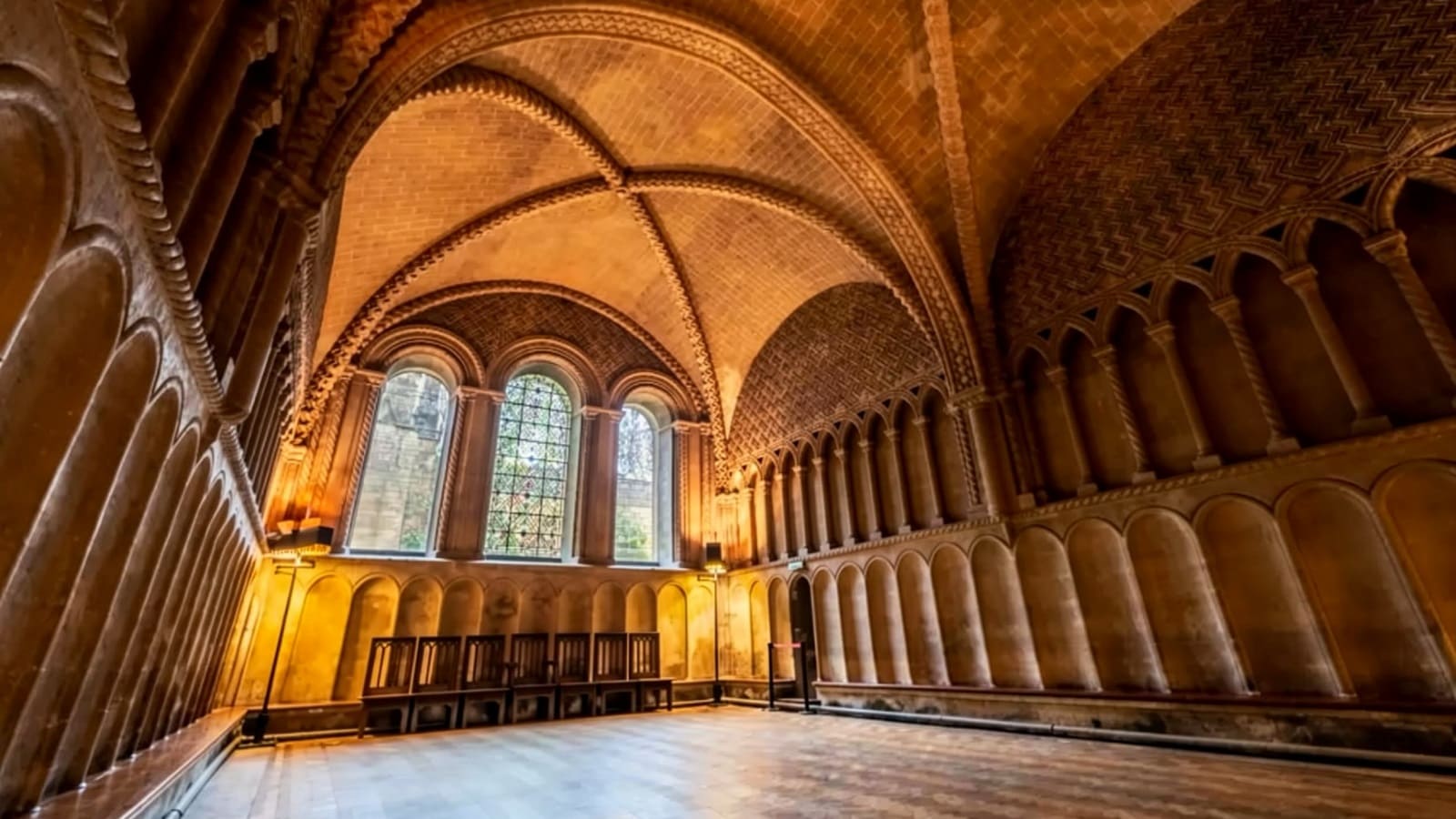
Look closely around the cathedral and you will find many smaller details that can easily be overlooked when concentrating on the larger architectural features. Carved stone, decorative arches, columns, medieval fragments and carefully preserved surfaces all contribute to the character of the building.
Memorials and monuments also provide another way of understanding the cathedral's connection with Bristol. They commemorate people and events from different periods of the city's history, creating a link between the building and the wider community that has surrounded it for generations.
These details are one reason it is worth exploring the cathedral at a relaxed pace. Instead of simply walking through the main nave and leaving, take time to look into side spaces, examine the stonework and notice how much information is contained in the building's smaller features.
Together, the Chapter House, historic architectural details and memorials demonstrate that Bristol Cathedral is more than a single impressive interior. It is a collection of spaces and objects that have accumulated over centuries, each contributing another part to the story of the building and the people connected with it.
Bristol Cathedral and the City
Bristol Cathedral occupies an important position in the heart of the city, surrounded by some of Bristol's most interesting historic and cultural areas. Its location makes it particularly easy to include in a walking route rather than treating it as a separate destination.
The cathedral stands close to Bristol's Harbourside, an area that has developed from the city's historic maritime centre into one of its most popular visitor destinations. From the cathedral, it is easy to continue towards the waterfront and explore museums, galleries, historic ships, cafés and public spaces along the harbour.
This makes the cathedral a useful stop between some of Bristol's better known attractions. A visitor can explore the historic interior in the morning, continue towards the Harbourside and then spend the rest of the day discovering the city's museums and waterfront.
The cathedral also provides an interesting contrast with the surrounding modern city. Bristol is known for its creative culture, independent businesses and lively streets, yet historic buildings such as the cathedral remain an important part of the city's character. Walking between these different parts of Bristol gives a better sense of how the city has developed over many centuries.
If you are exploring the centre on foot, Bristol Cathedral is therefore easy to combine with a wider sightseeing itinerary. Its central location means that you do not need to make a special journey across the city, while the peaceful atmosphere inside offers a welcome change from the busier streets and attractions nearby.
For first-time visitors, this combination of history, architecture and convenient location makes the cathedral a worthwhile stop when discovering the older and more historic side of Bristol.
Visiting Bristol Cathedral
Bristol Cathedral is located in the city centre on College Green, making it easy to reach as part of a walking tour of central Bristol. Its position near the Harbourside means that a visit can be combined with several other attractions without needing to rely on transport between each stop.
The cathedral is within easy walking distance of Bristol's central shopping streets, waterfront and many of the city's museums and historic buildings. Visitors arriving by public transport can make their way towards the city centre and continue on foot to College Green.
Allow around 30 to 60 minutes if you want a relatively quick visit and an opportunity to appreciate the main interior and architecture. Those who are particularly interested in history, stained glass, memorials and architectural details may prefer to spend longer exploring the building at a slower pace.
The cathedral can work particularly well as part of a wider Harbourside itinerary. After visiting, you can continue towards the waterfront and explore nearby museums, galleries, historic ships and other attractions. This makes it possible to combine several very different sides of Bristol within a single walking route.
As Bristol Cathedral remains a working place of worship, visitors should be aware that access can sometimes be affected by services, ceremonies, special events or other activities. The atmosphere is generally quiet and respectful, so visitors should follow any instructions displayed inside the building.
Opening arrangements and visitor information can change, so it is sensible to check the cathedral's latest official information before travelling. This is especially important if you are planning your visit around a particular service, event or busy period.
For visitors exploring Bristol for the first time, the cathedral is an easy attraction to add to a central walking itinerary and does not require a large amount of time. Its location and historic importance make it a useful stop between the city's major landmarks and the Harbourside.
Why Visit Bristol Cathedral?
Bristol Cathedral is worth visiting because it offers a different experience from many of the city's larger and busier attractions. Its long history, distinctive architecture and peaceful interior provide an opportunity to slow down and discover another side of Bristol.
You do not need to be religious to appreciate the building. The cathedral is of particular interest to anyone who enjoys history, architecture, stained glass, traditional craftsmanship or historic places that have remained part of everyday city life for centuries.
The combination of medieval origins and later architectural additions makes every part of the building slightly different. From the impressive vaulted spaces and stained glass to smaller chapels, historic rooms, carvings and memorials, there are plenty of details to discover if you take your time.
Its central location is another advantage. Bristol Cathedral can easily be included in a day exploring the city centre and Harbourside, allowing visitors to combine history and architecture with museums, waterfront walks, cafés and other attractions nearby.
For anyone visiting Bristol for the first time, the cathedral provides a valuable connection with the city's past while remaining part of its present-day character. It is a relatively easy stop to add to an itinerary, but one that can leave a lasting impression.
