Clifton Suspension Bridge
One of Bristol's most recognisable landmarks, Clifton Suspension Bridge spans the dramatic Avon Gorge and has become a lasting symbol of the city.
Designed by the pioneering engineer Isambard Kingdom Brunel, the bridge combines remarkable Victorian engineering with one of the most spectacular settings in Bristol. From its deck, visitors can look across the Avon Gorge, while the surrounding Clifton and Leigh Woods offer beautiful viewpoints and opportunities to explore the area on foot.
Opened in 1864, Clifton Suspension Bridge has played an important part in Bristol's history for more than 150 years. Today, it remains both a working bridge and a popular destination for visitors interested in history, engineering, architecture, photography and the story of Bristol itself.
The Story of Clifton Suspension Bridge
The idea of building a bridge across the Avon Gorge dates back to the 18th century, when Bristol was growing rapidly as an important port and commercial centre. A permanent crossing would provide a valuable link between Clifton and the land on the opposite side of the gorge.
In 1829, a competition was held to find a suitable design for a suspension bridge at Clifton. The young engineer Isambard Kingdom Brunel submitted a proposal, and although the competition went through a complicated process before a final design was approved, Brunel eventually became closely associated with the project.
Construction began in 1831, but progress was interrupted by financial difficulties and wider economic problems. Work eventually stopped, leaving the bridge unfinished for several years. Brunel died in 1859 without seeing his bridge completed.
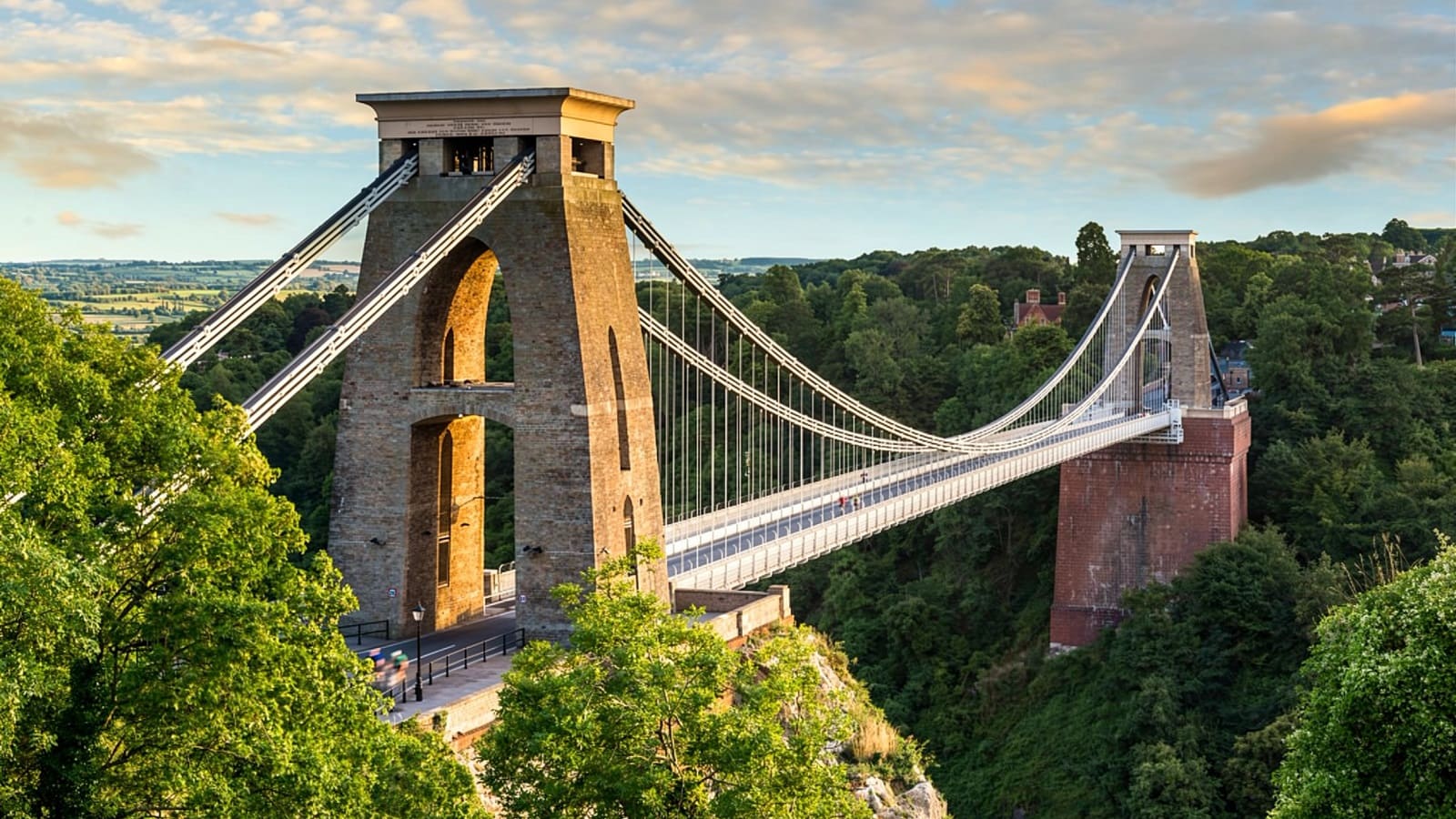
The project was revived after Brunel's death, and engineers John Hawkshaw and William Henry Barlow revised his original design. Construction resumed in 1862, using Brunel's towers and the distinctive suspension principle that remained at the heart of his original vision.
Clifton Suspension Bridge was finally completed and opened in December 1864. More than a century and a half later, it remains one of Bristol's defining landmarks and one of the most remarkable surviving examples of Victorian suspension bridge engineering.
Brunel and the Bridge
Clifton Suspension Bridge is closely associated with Isambard Kingdom Brunel, one of the most influential engineers of the 19th century. Although he did not live to see the bridge completed, his vision and original design played a central role in its story.
Brunel became involved with the Clifton project at a remarkably young age. His proposed suspension bridge was designed to cross the deep Avon Gorge while creating as little visual and structural impact as possible. The scale of the gorge presented a formidable engineering challenge, requiring an elegant solution that could span the considerable distance between the two sides.
The bridge's distinctive towers and suspension system reflect the engineering principles behind Brunel's original vision. After his death in 1859, John Hawkshaw and William Henry Barlow modified the design and oversaw the completion of the bridge, but Brunel's name remained permanently connected with the landmark.
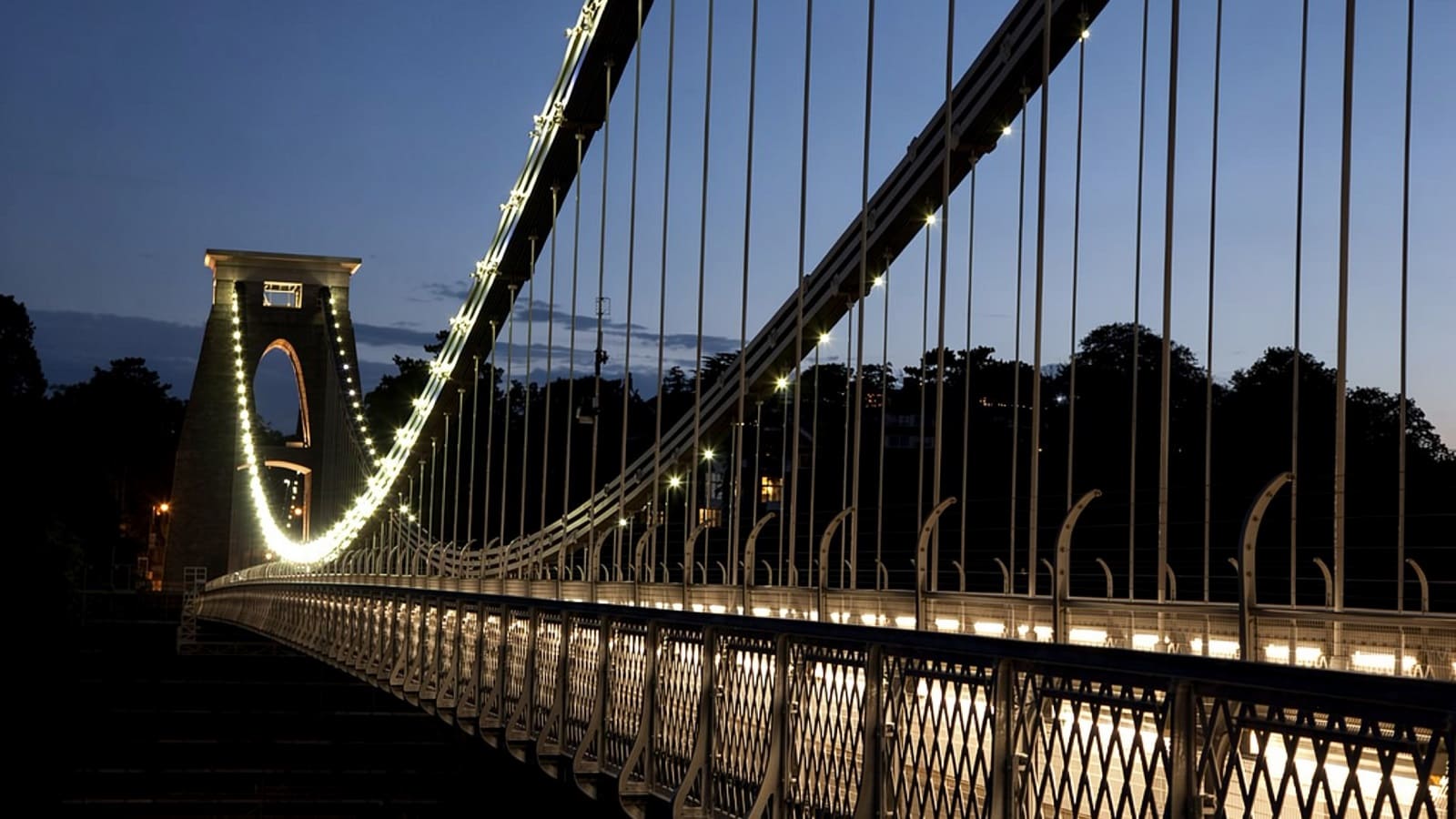
Today, the bridge is one of the most visible reminders of Bristol's important engineering heritage. Together with Brunel's SS Great Britain, it forms an important part of the city's story as a centre of innovation, industry and maritime development.
What Makes the Bridge Special?
Clifton Suspension Bridge is remarkable not only because of its history, but also because of the dramatic landscape in which it stands. The bridge crosses the Avon Gorge high above the River Avon, connecting Clifton on the Bristol side with Leigh Woods in North Somerset.
Its elegant stone towers, suspended roadway and long sweeping lines create a distinctive silhouette that has become instantly recognisable. The combination of Victorian engineering and the natural cliffs of the gorge gives the bridge a character that is difficult to find anywhere else in Bristol.
The setting is just as important as the structure itself. From different points around Clifton and Leigh Woods, the bridge appears against changing views of the gorge, river and surrounding countryside. This makes it one of Bristol's most rewarding landmarks for photographers and walkers.
The bridge also remains a working crossing rather than simply a historic monument. Its continued use gives Clifton Suspension Bridge a living connection with the city, while its engineering heritage has helped make it one of Bristol's best-known visitor attractions.
The Best Views of Clifton Suspension Bridge
Clifton Suspension Bridge can be admired from several different points around the Avon Gorge, and each viewpoint offers a slightly different perspective. The changing light and surrounding landscape make the bridge particularly rewarding to photograph at different times of day.
The area around Clifton Observatory provides one of the most familiar views, with the bridge stretching across the gorge and the River Avon below. On the opposite side, Leigh Woods offers a different perspective, surrounded by woodland and open countryside.
For photographers, the bridge can look especially striking in the evening, when the changing light creates a very different atmosphere from the bright daytime views. Sunset is a particularly good time to capture the bridge against the Avon Gorge and surrounding landscape.
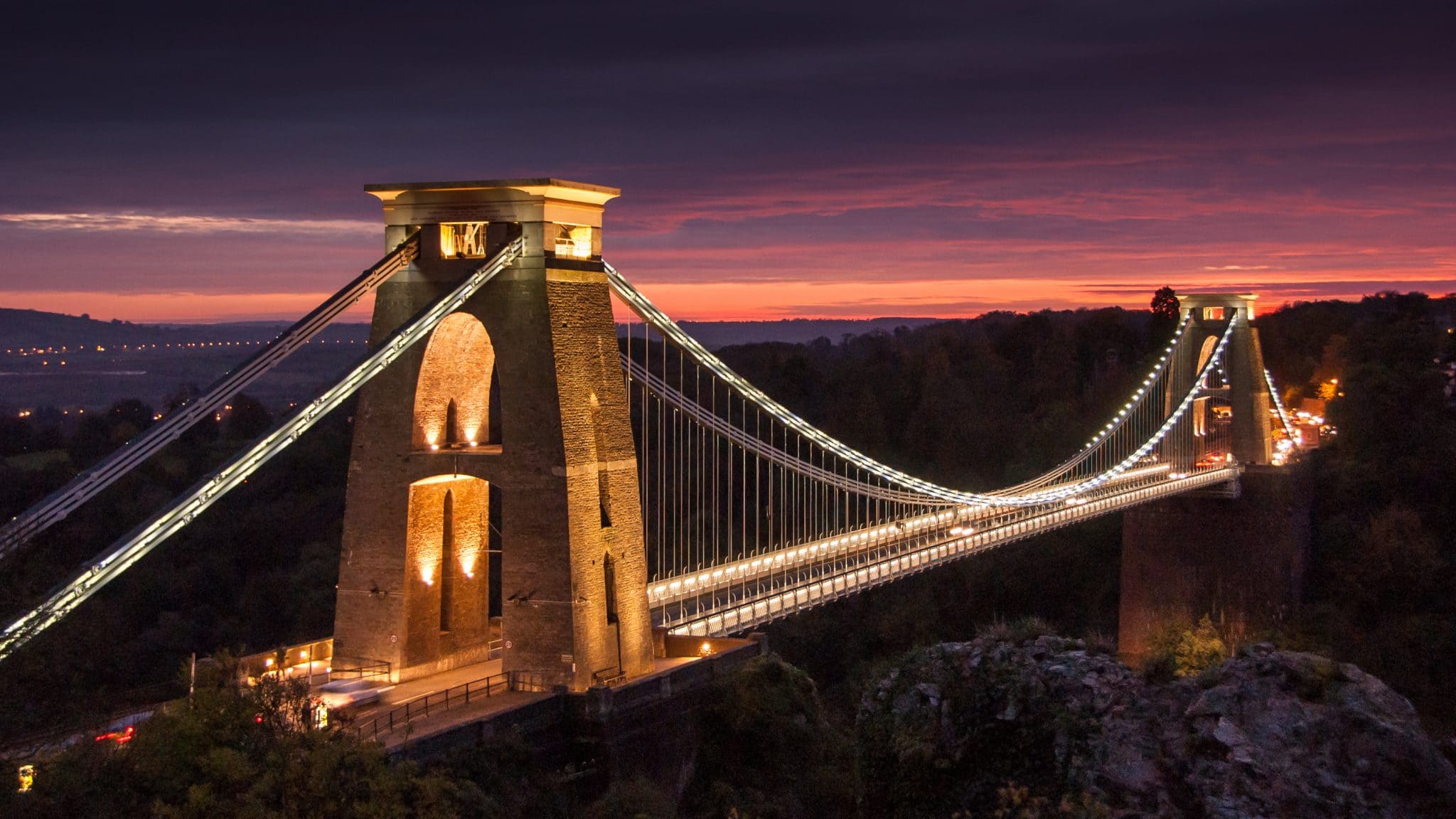
You do not need to visit a single specific viewpoint to appreciate the bridge. Walking around Clifton and the gorge reveals a series of changing angles, making it easy to combine sightseeing with photography and a relaxed walk through one of Bristol's most attractive areas.
Clifton Observatory and the Surrounding Area
Clifton Suspension Bridge is part of a much larger area worth exploring. A visit to the bridge can easily be combined with a walk through Clifton, one of Bristol's most elegant and characterful neighbourhoods.
Close to the bridge, Clifton Observatory sits on the edge of the Avon Gorge and provides another excellent place to appreciate the dramatic landscape. Its position makes it a natural stop for visitors exploring the bridge and the surrounding viewpoints.
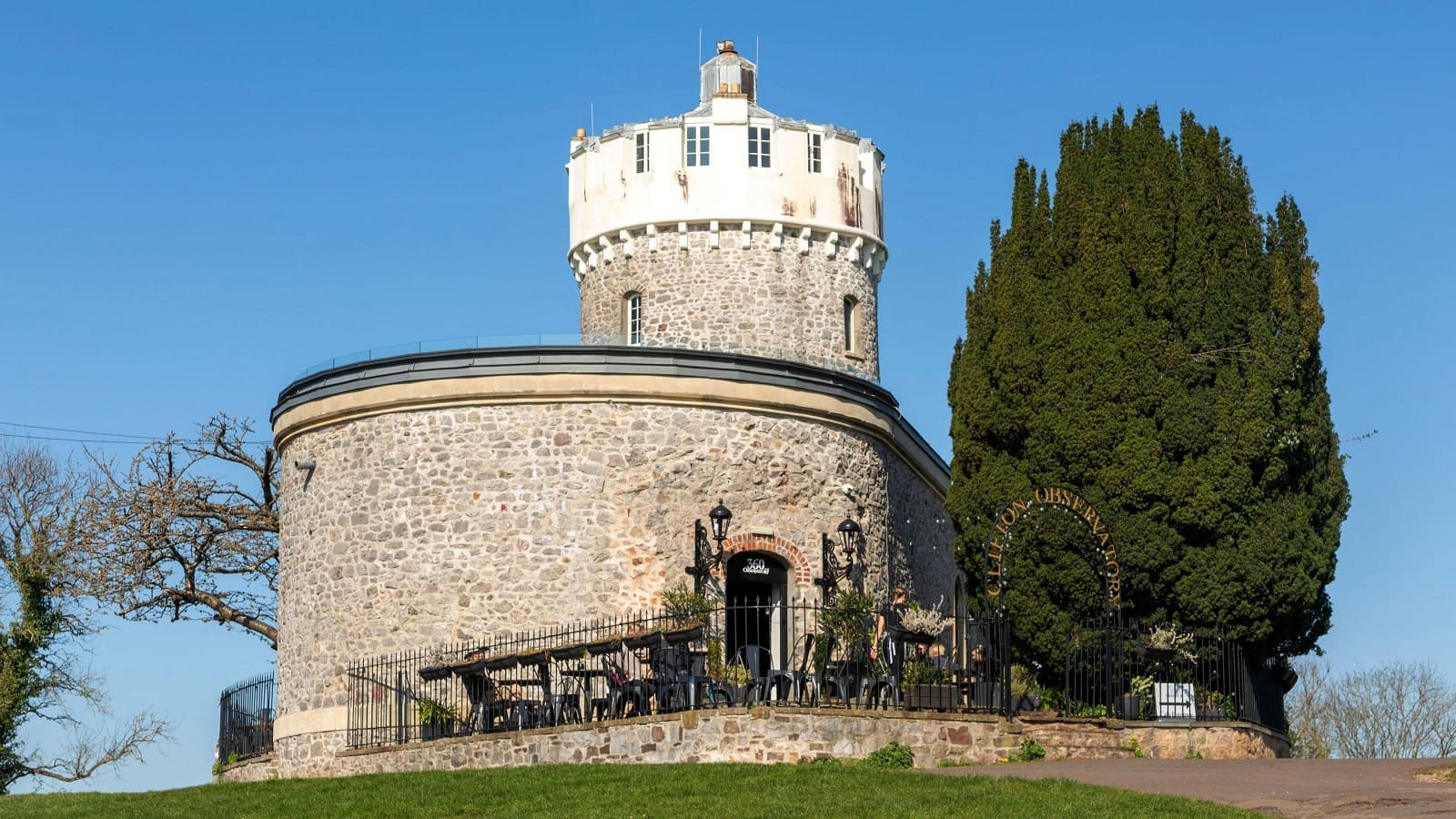
From the Observatory area, visitors can continue into Clifton Village, where quiet streets, historic buildings, independent shops and cafés create a very different atmosphere from the busy centre of Bristol.
The combination of the bridge, Avon Gorge, Observatory and Clifton Village makes this one of the best areas in Bristol for a leisurely afternoon. You can take in the views, explore the neighbourhood and stop for a coffee or meal without needing to travel far between the main sights.
Walking Across the Bridge
One of the simplest ways to experience Clifton Suspension Bridge is to walk across it. The pedestrian walkway provides a completely different perspective from the viewpoints around Clifton, allowing you to stand directly above the Avon Gorge and take in the scale of the landscape.
As you cross, you can look down towards the River Avon and across the steep sides of the gorge. The views change continuously as you move between the two sides, making the walk enjoyable even if you have already seen the bridge from the surrounding viewpoints.
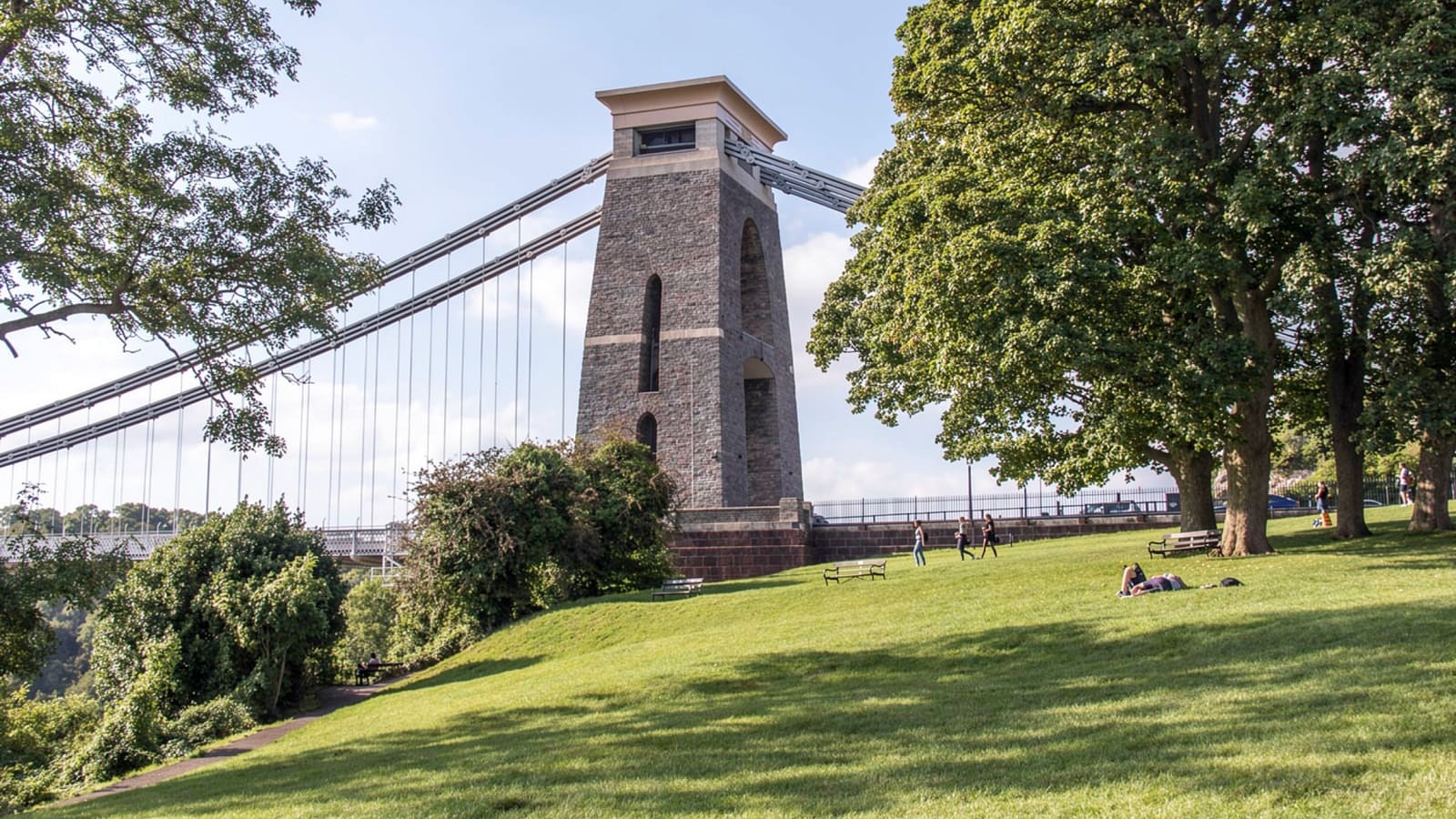
The crossing can also be included as part of a longer walk around Clifton and the Avon Gorge. Visitors can combine the bridge with Clifton Observatory, Clifton Village and nearby viewpoints to create a relaxed walking route rather than treating the bridge as a single stop.
Allow some extra time to stop along the way for photographs and views. The bridge is not simply something to see from a distance — walking across it gives you a much better sense of its height, construction and dramatic setting.
Visiting Clifton Suspension Bridge
Clifton Suspension Bridge is located in the Clifton area of Bristol, overlooking the Avon Gorge and connecting the city with Leigh Woods in North Somerset. Its central location makes it easy to include in a sightseeing itinerary alongside Clifton Village, the Observatory and other nearby attractions.
The bridge is open to pedestrians and cyclists, allowing visitors to experience the crossing on foot and enjoy views of the gorge from the walkway. Vehicles can also cross the bridge, although a toll applies to motor vehicles using the crossing.
The bridge can be reached by public transport from central Bristol, while visitors travelling by car should plan their route and parking in advance. Clifton and the surrounding streets can become busy, particularly during weekends and popular visiting periods.
There is no need to spend an entire day at the bridge itself. Around one to two hours is enough for a relaxed visit and a walk across the bridge, although you may want to allow more time if you plan to explore Clifton Village, visit the Observatory or walk around the surrounding viewpoints.
Before travelling, it is worth checking the latest visitor information from Clifton Suspension Bridge Trust, particularly for current access arrangements, tolls and any temporary restrictions.
Clifton Suspension Bridge and the Avon Gorge
The Avon Gorge is an important part of what makes Clifton Suspension Bridge so spectacular. The steep limestone cliffs rise on either side of the River Avon, creating a dramatic natural setting that contrasts with the elegant structure of the bridge above.
The gorge also gives visitors the opportunity to see a very different side of Bristol. Although the city centre is only a short distance away, the landscape around Clifton feels open, green and surprisingly peaceful. Walking along the viewpoints allows you to appreciate both the natural surroundings and the scale of the bridge.
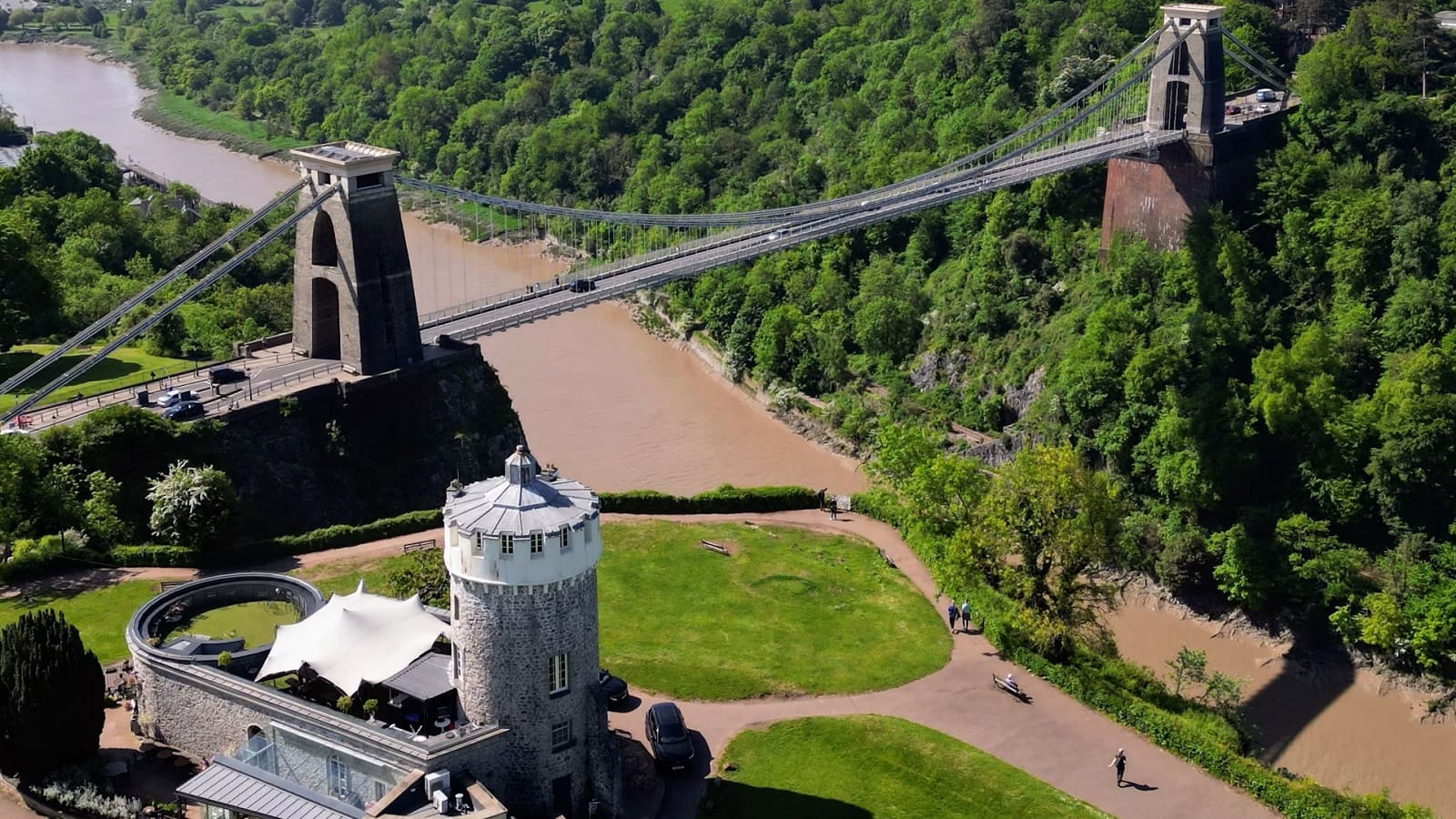
The area around the gorge is popular with walkers and is particularly attractive on clear days, when views extend across the river and towards the countryside beyond Bristol. The changing seasons also give the landscape a different character throughout the year.
For visitors interested in photography, architecture or simply enjoying Bristol's scenery, the combination of the bridge and Avon Gorge is one of the city's most memorable experiences.
A Short Walk Around Clifton
Clifton Suspension Bridge is an ideal starting point for a short walk through one of Bristol's most distinctive neighbourhoods. Rather than visiting the bridge on its own, you can easily combine it with Clifton Observatory and Clifton Village to experience more of the area.
Start at Clifton Suspension Bridge and take some time to enjoy the views across the Avon Gorge. From here, continue towards Clifton Observatory, where the dramatic landscape provides another perspective on the bridge and surrounding gorge.
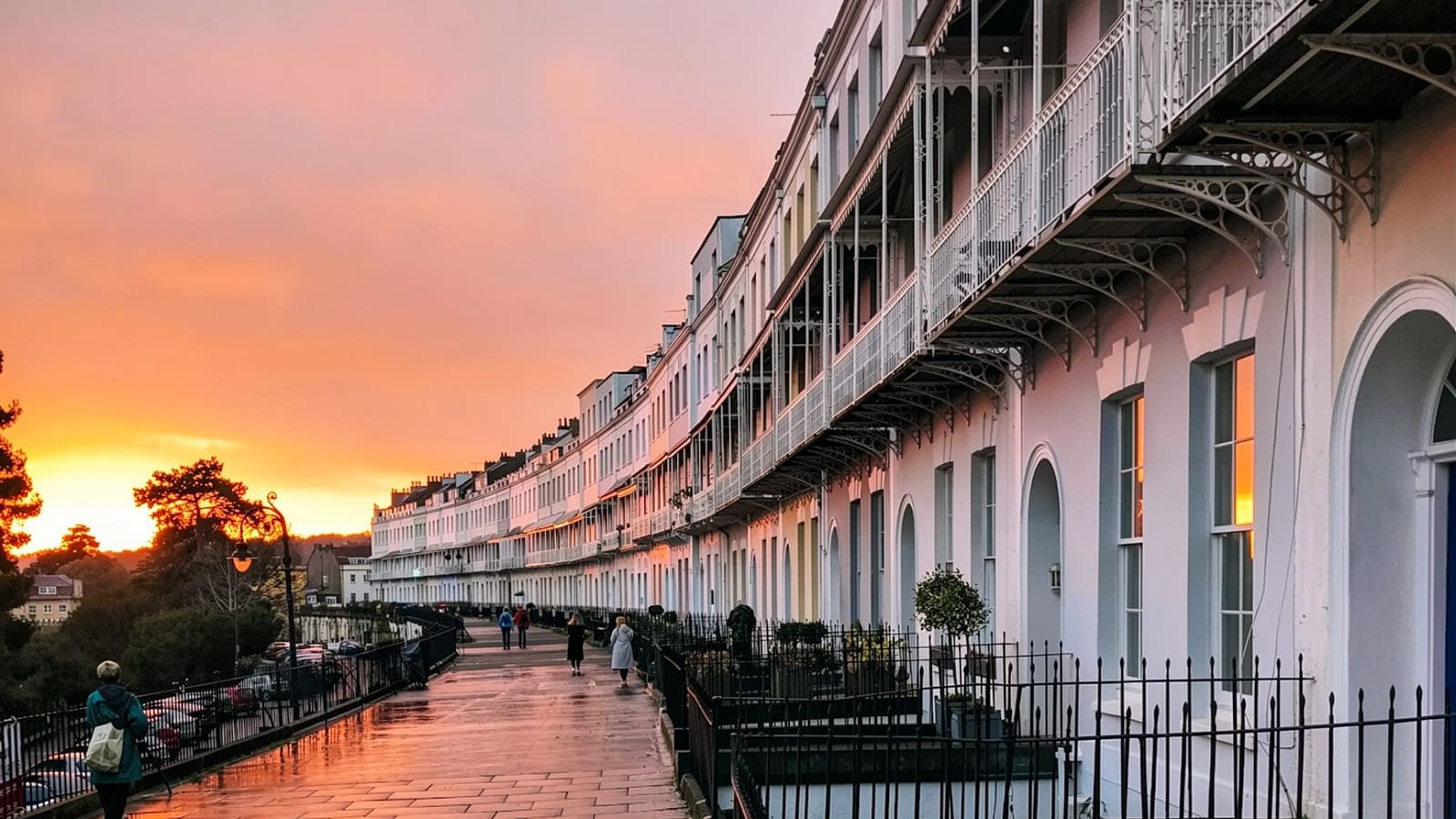
Continue into Clifton Village, where elegant historic buildings, independent shops, cafés and restaurants make the area particularly pleasant to explore on foot. The streets are very different in character from Bristol's busy city centre and are worth exploring at a relaxed pace.
You can finish the walk by returning towards the bridge or continuing further into Clifton. The route is flexible, so visitors can easily adapt it depending on how much time they have and which parts of the neighbourhood they would like to explore.
For a first visit to Bristol, this short walk offers a simple way to combine one of the city's most famous landmarks with its surrounding architecture, viewpoints and local atmosphere.
Why You Shouldn't Miss Clifton Suspension Bridge
Clifton Suspension Bridge is one of those Bristol landmarks that combines several different experiences in one place. It is an important piece of engineering history, a spectacular viewpoint and an easy starting point for exploring the Clifton neighbourhood.
History and engineering enthusiasts can discover the story of Brunel and the long process behind the bridge's construction, while photographers will find constantly changing views of the bridge, Avon Gorge and the surrounding landscape.
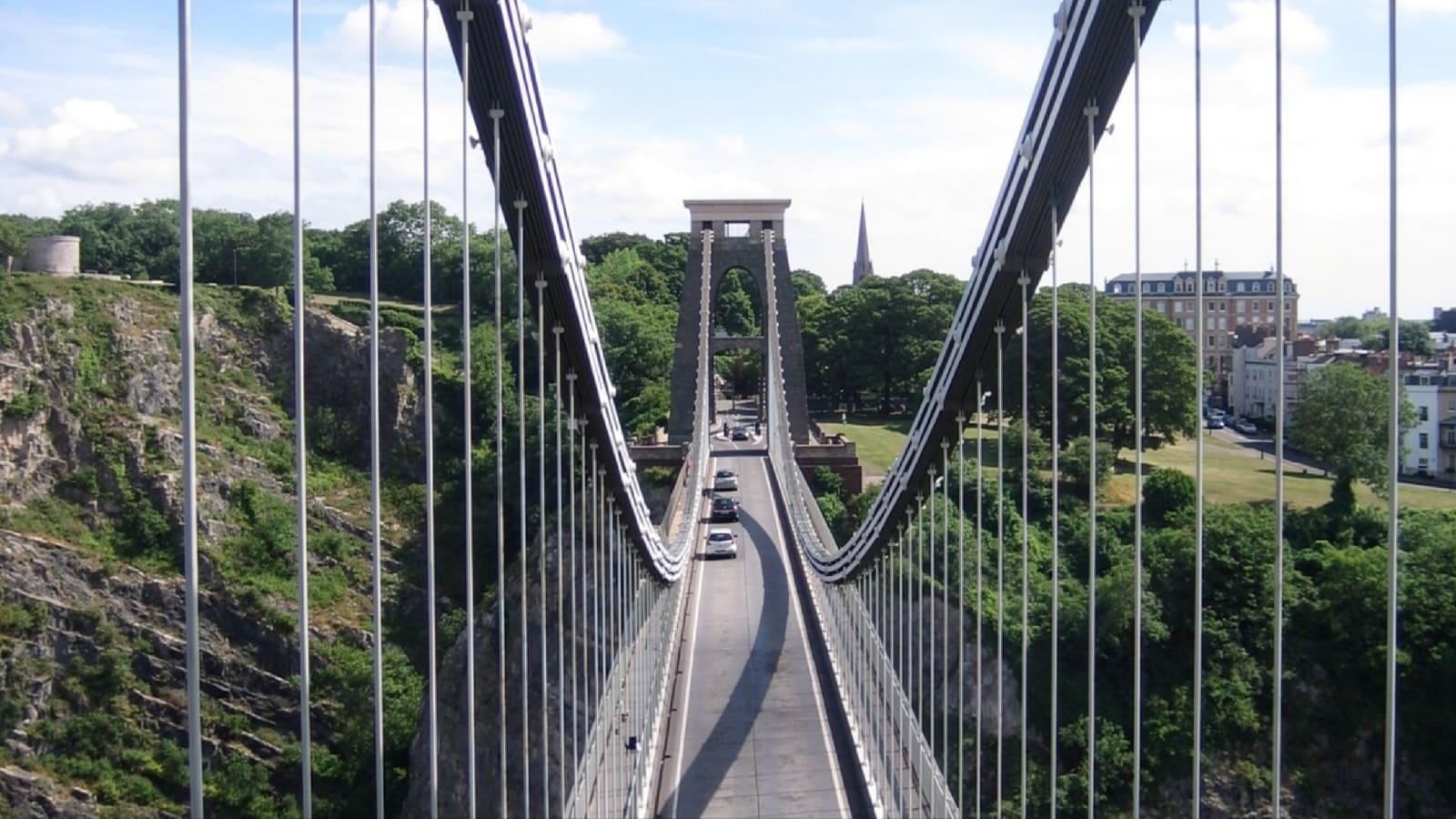
Even if you are visiting Bristol for only a short time, the bridge is easy to include in a sightseeing itinerary. A walk across the bridge, a visit to Clifton Observatory and a stroll through Clifton Village can all be combined into a relaxed few hours.
More than 150 years after its opening, Clifton Suspension Bridge remains one of Bristol's defining sights. Its combination of remarkable engineering, dramatic scenery and the character of Clifton makes it a place that deserves a spot on almost every first-time visitor's itinerary.
